


Table of Contents
La Corée du Sud, autrefois définie par les lumières néon des villes et les cafés bondés, est tombée éperdument amoureuse du grand air. Après que la pandémie de COVID-19 ait interrompu les voyages internationaux en 2020, les Coréens se sont tournés vers le camping comme échappatoire socialement distanciée. Ce qui a commencé comme une solution de fortune aux confinements est devenu un véritable mode de vie, avec près de cinq millions de Coréens montant des tentes, stationnant des camping-cars et réservant des cabines de glamping de luxe chaque année.
Comment le camping est devenu une obsession coréenne
Avant 2020, le camping en Corée était un passe-temps de niche pour les amateurs de plein air et les familles de la quarantaine. La pandémie a tout changé du jour au lendemain. Le nombre de campeurs annuels a plus que doublé, passant de 3 millions avant la pandémie à plus de 7 millions, et le marché coréen du camping a explosé pour atteindre le chiffre stupéfiant de 6 300 milliards de wons (environ 46,5 milliards de dollars américains) en 2022. Le nombre d'opérateurs de campings a presque triplé, atteignant un record de 3 600 dans tout le pays. Même après la réouverture des frontières, les Coréens ont gardé le matériel dans le coffre et les tentes prêtes à l'emploi. Le camping était devenu le nouveau rituel du week-end.
Les meilleurs styles de camping coréens
Le camping coréen n'est pas une activité universelle. Plusieurs styles distincts ont émergé, chacun avec ses propres adeptes :
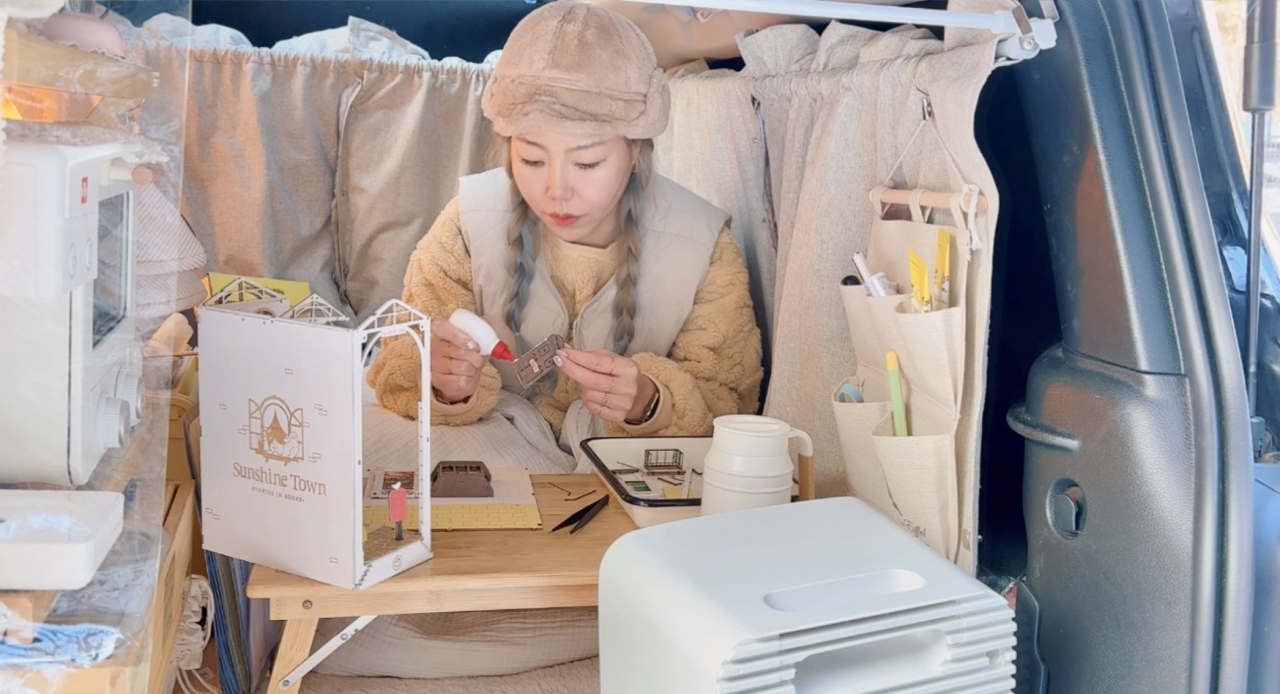
- Chabak (차박) / Auto Camping : Une combinaison de cha (voiture) et bak (séjour), le chabak signifie transformer son SUV ou son van en chambre à coucher mobile. Les SUV représentent désormais plus de 70 % des ventes de voitures coréennes, en partie grâce à cette tendance.
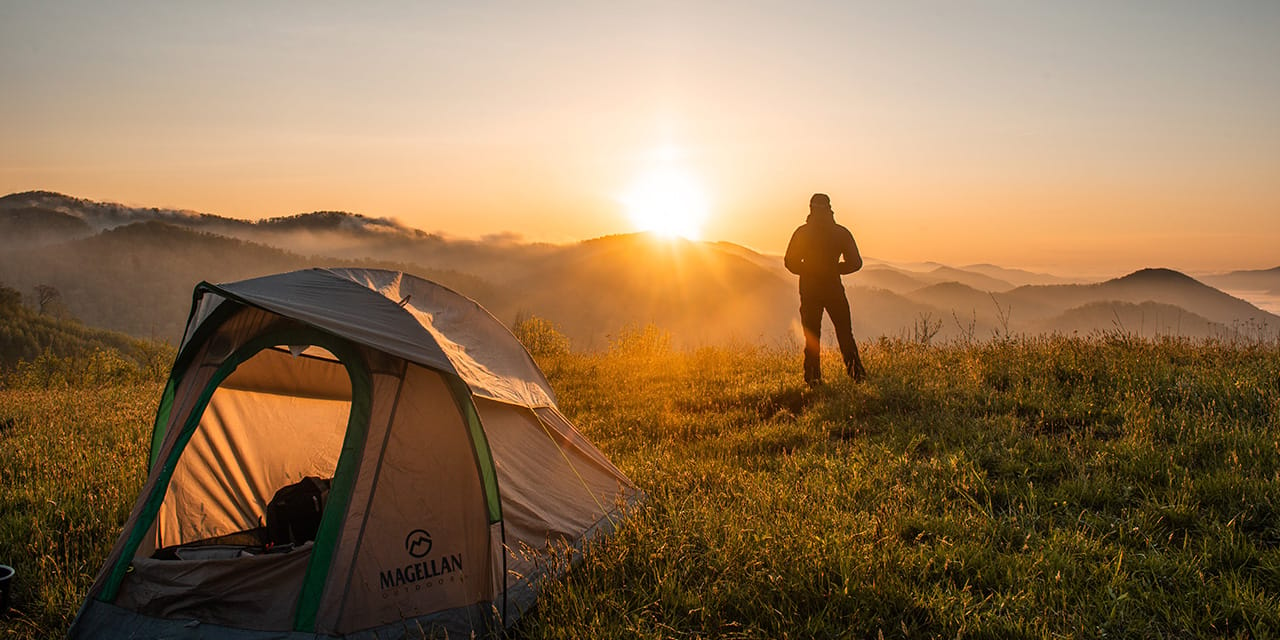
- Backpacking (백패킹) : Le style minimaliste et de randonnée, privilégié par les jeunes campeurs solitaires à la recherche de vues montagneuses éloignées.
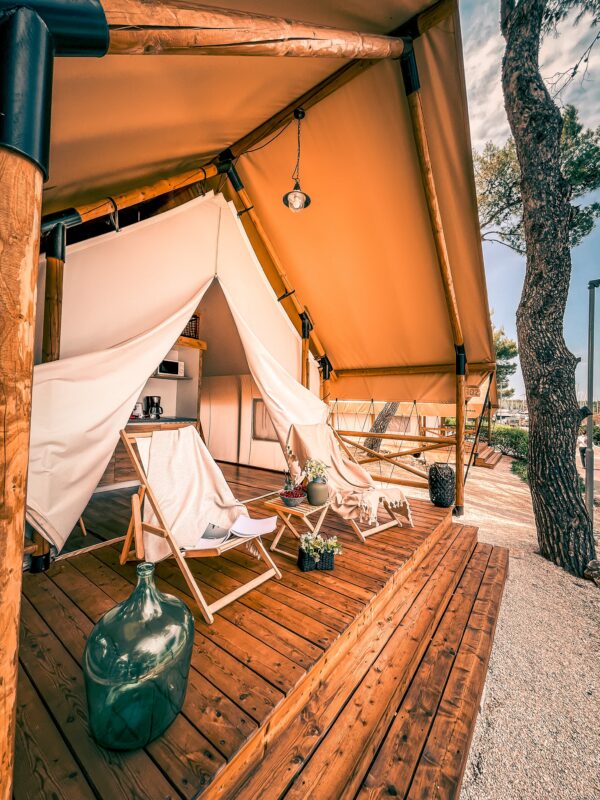
- Glamping : Des tentes de luxe meublées avec de vrais lits, du chauffage, des terrasses privées avec barbecue, et parfois des bains à remous. Une nuit peut coûter de 200 000 à 300 000 wons.
- Cabines chauffées Ondol : Chauffage traditionnel coréen par le sol intégré aux cabines d'hiver, parfait pour le camping enneigé à Gangwon ou Pyeongchang.
Marques emblématiques d'équipement de camping coréennes
Les campeurs coréens sont réputés pour leur obsession du matériel, et le pays a produit certaines des marques d'extérieur les plus convoitées au monde. Helinox, fondée à Séoul en 2009, a redéfini le mobilier de camping ultraléger et est maintenant un culte du Japon à la Californie. Snow Peak Korea, la branche locale de la légendaire marque japonaise, domine le marché des tentes et des ustensiles de cuisine haut de gamme. KOVEA, une marque coréenne originale, est la référence pour les réchauds portables et les lanternes. Les couvre-chefs Buff sont standard autour de chaque feu de camp, et Coleman Korea reste un point d'entrée abordable pour les campeurs débutants qui s'approvisionnent chez E-Mart Traders.
Les meilleurs campings coréens à visiter
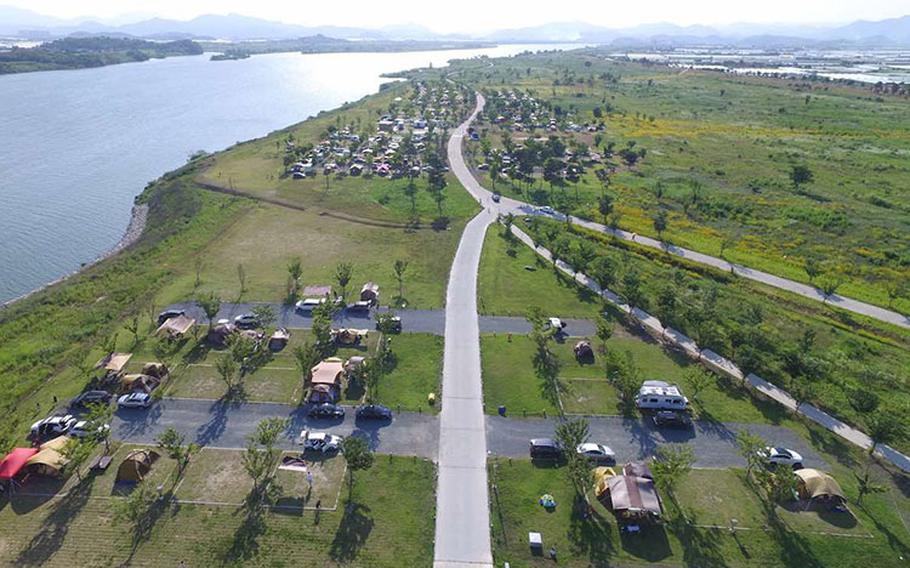
La géographie de la Corée permet aux campeurs de choisir des vallées montagneuses, des rives de lac ou des pinèdes côtières, le tout à quelques heures de Séoul. Parmi les lieux remarquables, citons :
- Camp Cair, Gangwon-do : Un site d'auto-camping pittoresque au bord d'une rivière, apprécié pour ses ciels étoilés.
- Garam Camping, Hwacheon : Un terrain de camping forestier serein, réputé pour ses ruisseaux cristallins.
- Forest 33, Pocheon : Un refuge de glamping boutique près du lac Sanjeong avec des bains à remous et des sentiers de bain de forêt.
- Maeul Yangpyeong : Un camping communautaire rural, facilement accessible depuis Séoul pour une excursion d'une journée.
- Jeju Aewol Glamping : Des tentes avec vue sur l'océan sur l'île de Jeju avec des terrasses privées surplombant la mer.
- Daegwallyeong Meadow Camping : Des prairies d'altitude à Pyeongchang, dignes d'une carte postale suisse.
Culture culinaire du camping coréen
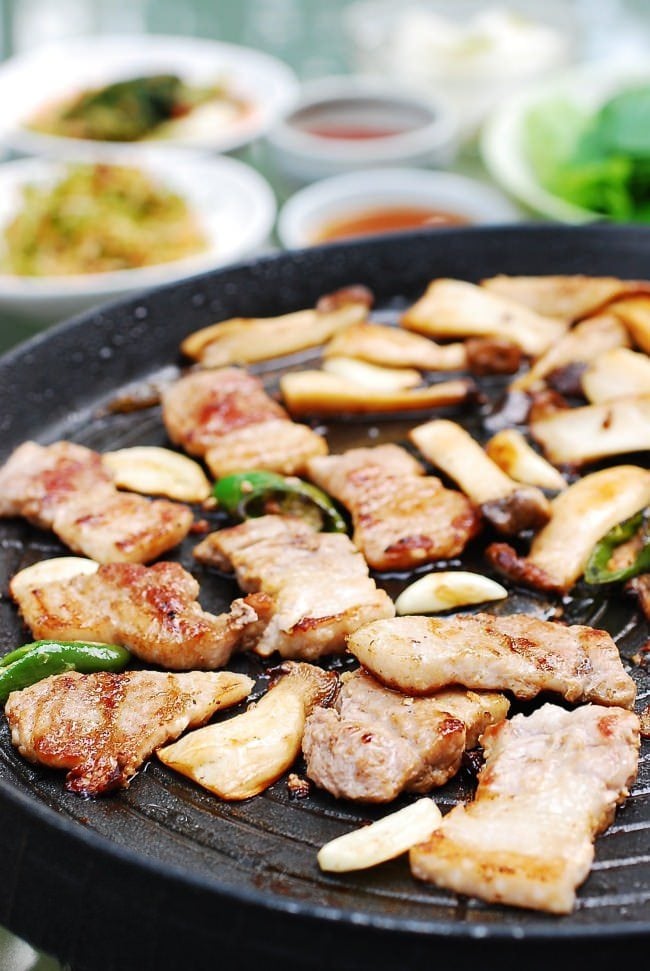
Oubliez les hot-dogs sur bâtonnets. Les campeurs coréens prennent la nourriture très au sérieux. Le menu du camping commence par le samgyeopsal, d'épaisses tranches de poitrine de porc grillées sur des réchauds portables, enveloppées dans de la laitue avec de l'ail et du ssamjang. Le bulgogi grésille dans des poêles en fonte, tandis que le galbi mariné attend sur le gril. Les kitchenettes de glamping comprennent généralement des plaques à induction pour que les clients puissent préparer du kimchi jjigae ou cuire du riz à la vapeur dans un cuiseur portable. Et bien sûr, aucun voyage de camping coréen n'est complet sans un pot fumant de ramyeon mangé en plein air, les nouilles ayant toujours meilleur goût avec une brise de montagne.
Étiquette du camping coréen
Les campeurs coréens sont amicaux mais suivent des règles tacites strictes. La musique forte et les cris sont mal vus, surtout après 22 heures, heure à laquelle la plupart des campings imposent des heures de silence. Les déchets doivent être triés et emportés, car les règles de recyclage s'appliquent même en pleine nature. Les sessions de boisson en groupe sont courantes mais restent discrètes une fois la nuit tombée. Les campeurs étrangers débutants sont souvent invités à rejoindre les groupes voisins pour de la viande grillée et du soju. Refuser poliment est acceptable, mais accepter ouvre la porte à l'un des meilleurs échanges culturels que la Corée offre.
Comment réserver des campings coréens
La manière la plus simple de planifier un voyage est de passer par le portail GoCamping géré par l'Organisation du tourisme coréen, qui répertorie des milliers de sites certifiés avec photos et commodités. L'application Camping Korea, en coréen, permet des réservations en temps réel et affiche les disponibilités par région. Pour le glamping et les cabines privées, Naver Booking est la norme, tandis que des sites populaires comme Forest 33 et Jeju Aewol mettent souvent leurs chambres en ligne un mois à l'avance et se vendent en quelques minutes. Les week-ends de printemps et d'automne sont les plus difficiles à réserver.
Le camping dans les K-dramas et les émissions de variétés
Le divertissement coréen a contribué à alimenter l'engouement pour le camping. Le célèbre drama de tvN Hometown Cha-Cha-Cha a rendu la vie de village côtier cinématographique, incitant les fans à trouver des tentes plantées le long de la mer de l'Est. Des émissions de variétés comme Camping Show de tvN et la série de longue date 2 Days & 1 Night mettent régulièrement en scène des célébrités installant leur camp, cuisinant du ramyeon au coin du feu et tissant des liens sous les étoiles. Ces programmes ont transformé le camping en un contenu aspirationnel pour des millions de téléspectateurs, avec des produits dérivés (chaises Helinox et grills Snow Peak) se vendant en quelques heures après chaque épisode.
Explorez davantage la Corée avec Daebak
Vous voulez apporter un petit morceau de Corée dans votre vie ? La Daebak Box est remplie des meilleurs snacks, ramens et produits culturels coréens livrés chaque mois à votre porte.


