


Table of Contents
Lorsque la chaleur estivale frappe la Corée, un dessert règne en maître : le patbingsu. Un grand bol de glace finement rasée garnie de haricots rouges sucrés, de gâteaux de riz moelleux et d'une gamme toujours croissante de garnitures créatives, le patbingsu est un pur rafraîchissement sous forme de dessert. Il est un incontournable des étés coréens depuis des siècles et ne montre aucun signe de ralentissement.
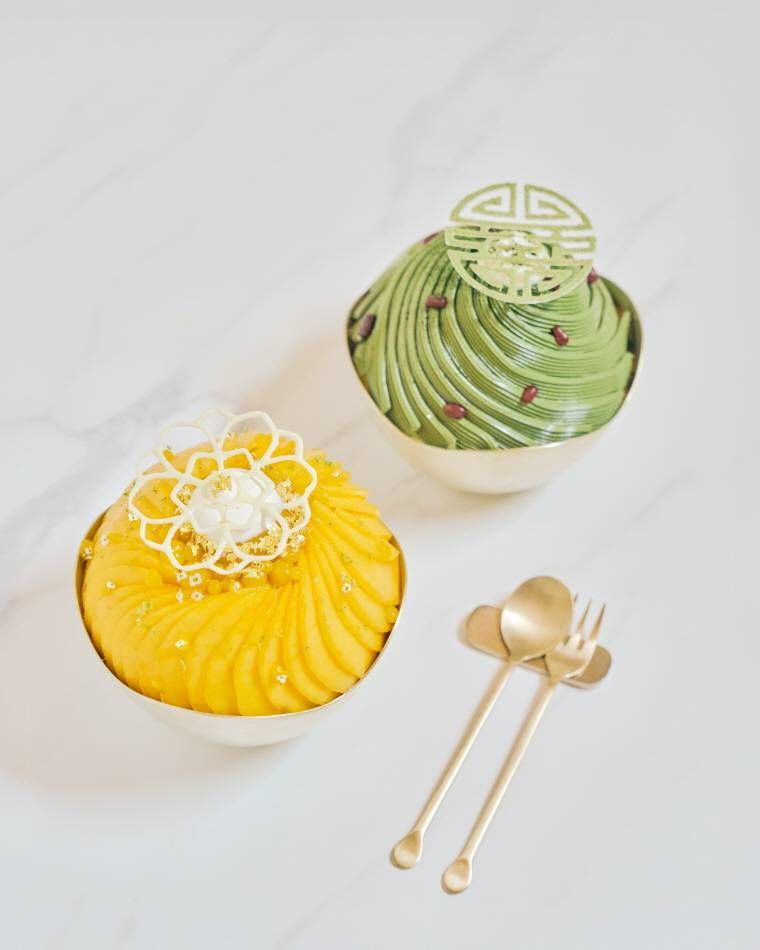
Qu'est-ce que le Patbingsu ?
Le nom dit tout : pat (팥) signifie haricot rouge, et bingsu (빙수) signifie glace pilée. À la base, le patbingsu est un bol de glace ultra-fine garni de pâte de haricots rouges sucrée (danpat). À partir de cette simple base, le dessert a évolué pour devenir un genre incroyablement créatif, les versions modernes présentant de tout, du matcha et de la mangue à l'injeolmi (farine de riz torréfiée) et même au fromage. Le classique, cependant, revient toujours à ces haricots rouges riches et terreux qui donnent son nom au plat.
Une brève histoire du Patbingsu
Le bingsu remonte à la dynastie Joseon (1392-1897), lorsque la glace était une denrée précieuse récoltée en hiver et stockée sous terre dans des glacières royales appelées seokbinggo. À l'époque, seuls la royauté et l'aristocratie pouvaient savourer des friandises glacées. C'est à la fin du XIXe siècle que le dessert est devenu plus largement disponible à mesure que la production de glace se modernisait. Au XXe siècle, le patbingsu était devenu un aliment de rue estival apprécié de tous les Coréens, et aujourd'hui, il est vendu partout, des stands de rue aux pâtisseries d'hôtels de luxe.
Garnitures classiques et variations
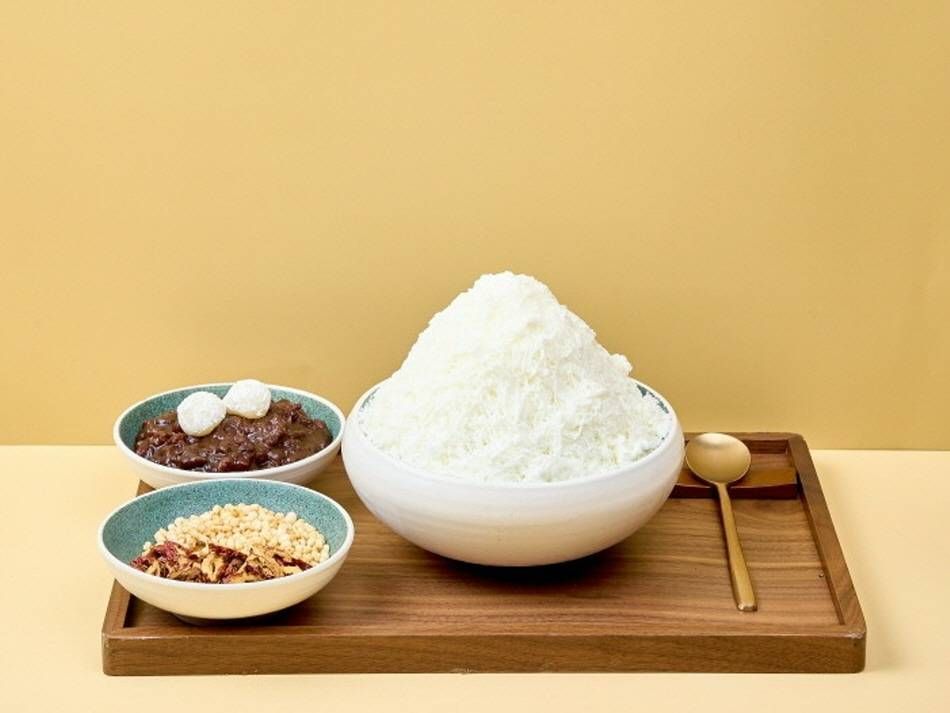
Le patbingsu traditionnel est garni de haricots rouges sucrés, de tteok moelleux (gâteaux de riz), de lait concentré et parfois d'une boule de glace à la vanille. Les variations régionales et modernes ont considérablement élargi la palette. Certaines des versions les plus populaires que vous trouverez aujourd'hui incluent :
- Injeolmi Bingsu : Garnie de cubes de gâteau de riz moelleux enrobés de poudre de soja torréfiée, offrant une douceur noisette et terreuse.
- Matcha (Nokcha) Bingsu : Faite avec de la glace ou du sirop aromatisé au thé vert et garnie de haricots rouges, de mochi et de poudre de matcha.
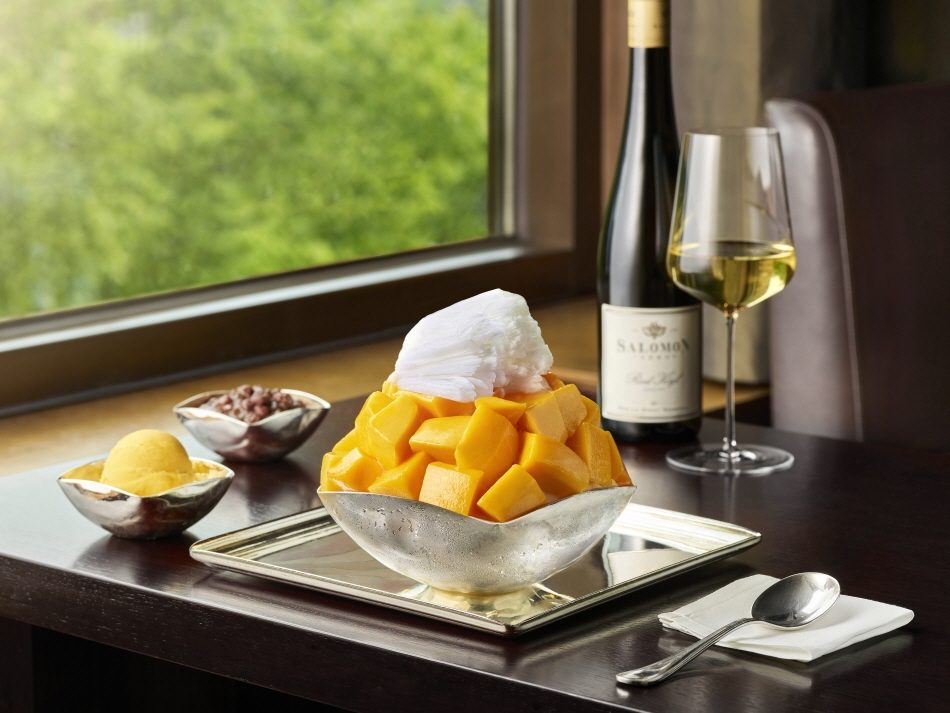
- Mango Bingsu : Une touche tropicale avec des morceaux de mangue fraîche, du sorbet à la mangue et du lait concentré, populaire dans les cafés haut de gamme.
- Strawberry Bingsu : Un favori du printemps, garni de fraises fraîches et de sirop de fraise.
Où manger du Patbingsu en Corée
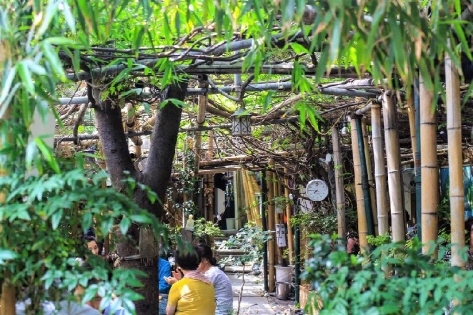
Vous trouverez du bingsu pratiquement partout en Corée pendant l'été : les magasins de proximité vendent des versions instantanées, les vendeurs de rue le servent dans des gobelets en papier, et les cafés se font une concurrence acharnée pour les bols les plus dignes d'Instagram. Pour une expérience premium, les hôtels de luxe de Séoul proposent des spécialités saisonnières élaborées qui sont souvent épuisées des semaines à l'avance. Le bingsu à la mangue de l'hôtel Shilla et les versions signature du Plaza sont légendaires. Pour un goût plus traditionnel, recherchez les anciennes pâtisseries coréennes (bingsu-jip) dans des quartiers comme Insadong ou le village de Bukchon Hanok. Les cafés de l'île de Jeju sont également réputés pour leur bingsu de lait glacé fait avec de la crème locale.
Comment faire du Patbingsu à la maison
Faire du patbingsu à la maison est plus facile qu'il n'y paraît. La clé est de bien préparer la glace : une machine à glace pilée dédiée produit la texture la plus soyeuse, semblable à de la neige, mais un mixeur peut faire l'affaire en cas de besoin. Commencez par préparer des haricots rouges sucrés (ou achetez du danpat en conserve dans une épicerie coréenne). Rasez ou mixez votre glace jusqu'à obtenir une fine neige, empilez-la dans un bol, puis arrosez de lait concentré, ajoutez vos haricots rouges et garnissez de tteok et de tout autre supplément que vous aimez. Pour une touche moderne, préparez un matcha fort et congelez-le en glaçons avant de le raser pour obtenir une magnifique couleur verte partout.
Découvrez les snacks coréens avec Daebak
Vous aimez la cuisine coréenne ? Recevez des snacks et des ramen coréens authentiques directement chez vous avec la SnackFever Box de Daebak.


