


Table of Contents
La romance des K-dramas possède sa propre grammaire visuelle, un ensemble de ressorts narratifs instantanément reconnaissables que les fans du monde entier peuvent repérer en quelques secondes. Une poignée de poignet soudaine dans une rue bondée, une étreinte par-derrière sous les lumières fluorescentes d'un bureau, une confession murmurée sous la neige qui tombe : ces moments ne sont pas de simples clichés, ils sont la monnaie émotionnelle de la narration romantique coréenne. De l'héritier chaebol à l'ami d'enfance qui n'a jamais rien dit, chaque cliché véhicule une émotion spécifique que les scénaristes de K-dramas ont élevée au rang d'art.
Ce guide décortique les clichés romantiques les plus emblématiques des K-dramas, les séries qui les ont rendus légendaires, les scénaristes qui les ont maîtrisés, et par où commencer si vous souhaitez tomber amoureux du genre.

Des ennemis aux amants : A Business Proposal
Le cliché des ennemis-à-amants se nourrit de tension, du genre qui fait s'affronter deux personnages autour d'une table de conférence avant même qu'ils ne se tiennent la main. Dans A Business Proposal (2022), la chercheuse en alimentation Shin Ha-ri se présente à un rendez-vous à l'aveugle en se faisant passer pour son amie chaebol et se retrouve face à son PDG, Kang Tae-moo. Leur irritation mutuelle se transforme lentement en un contrat de fausse relation, puis en une véritable romance construite sur des courses au supermarché et des voyages à Sokcho approuvés par les grands-parents. Le drama fonctionne parce qu'il s'appuie sur le cliché avec une pleine conscience de soi, transformant chaque moment classique en un clin d'œil au public.
Cohabitation forcée : Personal Taste
Peu de scénarios de K-drama créent une intimité plus rapide que deux personnes partageant un toit contre leur volonté. Personal Taste (2010), avec Son Ye-jin et Lee Min-ho, place un architecte dans un hanok traditionnel avec une femme qui le croit gay, ce qui conduit à des rencontres dans la salle de bain, des soirées soju et une tendresse accidentelle. Le trope de la cohabitation forcée fonctionne parce qu'il fait tomber les armures sociales et permet aux personnages d'être témoins des moments les plus intimes et les plus vrais de l'autre, comme la façon dont quelqu'un prépare des ramyeon à 2 heures du matin ou boude après une mauvaise journée.
Fausse relation : Touch Your Heart
La fausse relation est le cliché du K-drama qui promet un contrat et délivre des sentiments sincères. Touch Your Heart (2019) suit une actrice en disgrâce qui accepte un poste de secrétaire auprès d'un avocat guindé pour préparer un rôle, mais se retrouve à développer des sentiments entre deux classements de dossiers. La structure est fiable : un accord, une lente érosion des prétextes, un moment où l'accord ne suffit plus. Faire semblant de sortir ensemble dans un K-drama révèle presque toujours ce que les personnages voulaient ressentir depuis le début.
Amnésie et perte de mémoire : Stairway to Heaven
Le trope de l'amnésie est le mélodrame à l'état pur. Stairway to Heaven (2003) l'a cristallisé : un amour d'enfance, un accident tragique, une héroïne qui oublie l'homme qui a façonné toute sa vie émotionnelle. La perte de mémoire dans les K-dramas est rarement un simple ressort scénaristique. Elle devient un moyen de se demander si l'amour survit sans reconnaissance, si le corps se souvient même lorsque l'esprit oublie. Des générations de téléspectateurs ont pleuré devant ce trope dans des dramas comme Winter Sonata et Snow Queen.
Écart d'âge entre patron et secrétaire : What's Wrong with Secretary Kim
La dynamique patron-secrétaire offre aux scénaristes de K-dramas un écart de pouvoir intégré avec lequel jouer. What's Wrong with Secretary Kim (2018), avec Park Seo-joon et Park Min-young, met en scène un vice-président d'entreprise vaniteux et la secrétaire qui le connaît mieux que lui-même. Lorsqu'elle démissionne soudainement après neuf ans, il découvre des sentiments qu'il n'avait jamais nommés. Le trope fonctionne parce que le cadre du travail permet une proximité constante sans romance évidente, jusqu'à une soirée tranquille où cela ne peut plus être ignoré.
Retrouvailles d'amis d'enfance : Reply 1988
Si les « ennemis deviennent amants » prospère grâce au conflit, les retrouvailles d'amis d'enfance prospèrent grâce à l'histoire. Reply 1988 (2015) a transformé cinq voisins de Ssangmun-dong en une obsession nationale, les téléspectateurs débattant pendant des mois lequel des amis de Deok-seon deviendrait son mari. Le trope de l'ami d'enfance frappe fort parce que l'amour est déjà là, tissé dans les repas partagés, les devoirs partagés et les chagrins partagés. La romance n'est pas une question de découverte, mais de reconnaissance.
.jpg)
Chaebol et fille du peuple : Boys Over Flowers
Le trope du chaebol et de la fille du peuple est la Cendrillon des K-dramas. Boys Over Flowers (2009) a lancé Lee Min-ho sur la scène mondiale en tant que Gu Jun-pyo, l'héritier aux cheveux bouclés qui terrorise une étudiante issue de la classe ouvrière avant de tomber sous le charme de sa résilience. Le trope est plus qu'un simple fantasme de richesse. C'est un drame de classe déguisé, qui se demande à quoi ressemble l'amour lorsque l'une des personnes peut acheter des restaurants entiers et que l'autre compte les pièces pour le métro. Le genre y revient sans cesse parce que les enjeux sont toujours réels.
Les tropes physiques emblématiques
Au-delà des grands schémas narratifs, les K-dramas fonctionnent sur un vocabulaire de gestes physiques. La saisie du poignet, souvent débattue pour sa politique du consentement, est le trope où une traction soudaine communique la jalousie ou la protection sans un mot. Le câlin dans le dos télégraphie la vulnérabilité, une confession sans contact visuel. Le porté sur le dos, généralement après du soju, permet à un homme fort et silencieux de ramener à la maison l'héroïne ivre et ses sentiments inexprimés. La confession en état d'ivresse dit ce que la sobriété ne peut pas, et le lendemain matin devient soit un déni, soit une romance.
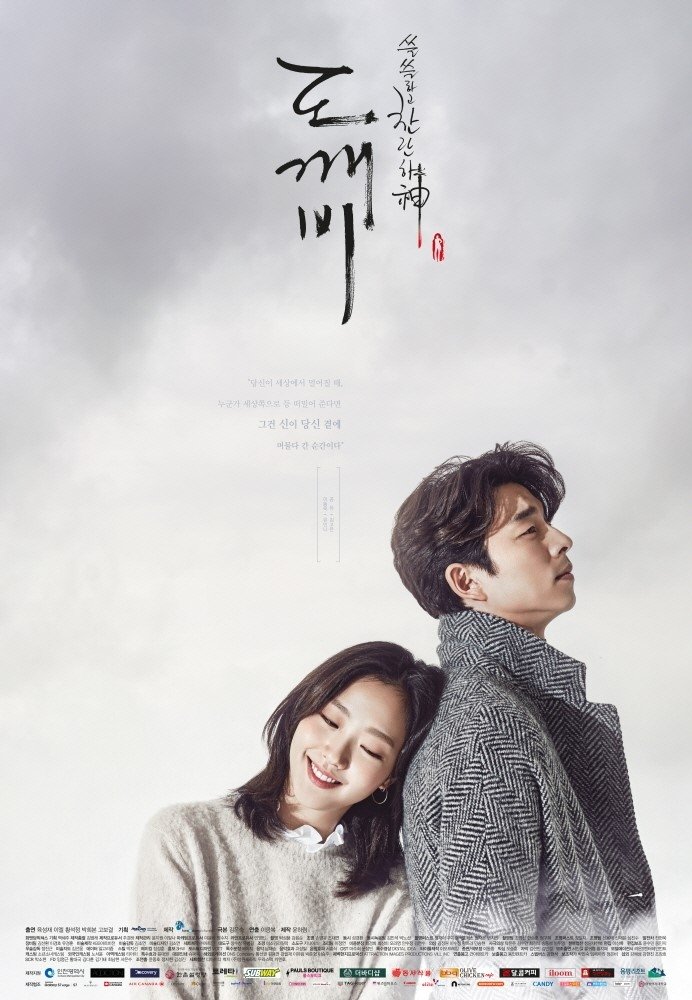
Le parapluie sous la pluie est emprunté à la tradition du mélodrame mais réinventé chaque année, deux personnes pressées l'une contre l'autre alors que la ville s'estompe autour d'elles. La scène des pleurs avec le bonnet blanc, popularisée par l'actrice Cheonsa Choi Kang-hee et d'innombrables idoles-actrices depuis, transforme le chagrin en une image emblématique. Et le premier baiser sous la neige, immortalisé par Gong Yoo et Kim Go-eun dans Goblin, sous une pluie de pétales de sarrasin, est devenu si symbolique que les fans internationaux associent désormais l'hiver coréen à la romance elle-même.
Comment les K-Dramas subvertissent leurs propres tropes
Les meilleurs K-dramas connaissent les règles suffisamment bien pour les enfreindre. My Mister (2018) refuse tout geste romantique net, construisant un lien improbable entre un ingénieur d'âge mûr et une jeune femme à travers des repas calmes et des silences partagés, sans jamais sombrer dans la romance conventionnelle. Hometown Cha-Cha-Cha (2021) reprend la formule chaebol et fille du peuple et l'inverse : la dentiste de Séoul rencontre un homme à tout faire d'une petite ville qui est riche en temps et en attention plutôt qu'en argent. Ces subversions sont importantes car elles montrent que les scénaristes de K-dramas réfléchissent de manière critique aux tropes qui ont construit l'industrie.
Les scénaristes qui ont maîtrisé les tropes
Kim Eun-sook est l'écrivaine de romans à l'eau de rose la plus décorée du K-drama moderne, avec Lovers in Paris, Secret Garden, Descendants of the Sun, Goblin, Mr. Sunshine et The Glory à son actif. Sa marque de fabrique est un échange de répliques brillantes combiné à des enjeux émotionnels épiques. Les sœurs Hong, Hong Jung-eun et Hong Mi-ran, ont bâti leur réputation sur des romances fantastiques spirituelles à travers My Girlfriend Is a Gumiho, Master's Sun et Hotel del Luna, superposant des rebondissements surnaturels aux tropes classiques. Park Ji-eun, qui a écrit My Love from the Star et Crash Landing on You, a transformé des prémisses de haut concept en événements culturels.
K-Dramas pour débuter pour les amateurs de tropes
Pour les nouveaux venus dans la romance coréenne, une liste de départ soigneusement sélectionnée est utile. A Business Proposal est l'introduction parfaite, une lettre d'amour à chaque trope, condensée en 12 épisodes rapides. Goblin combine la fantaisie avec le premier baiser sous la neige et l'angoisse de l'immortel vieillissant qui définit le travail de Kim Eun-sook. Crash Landing on You offre une romance transfrontalière, une fausse cohabitation et Hyun Bin en uniforme. What's Wrong with Secretary Kim traite le trope du patron-secrétaire avec un charme à revendre. Reply 1988 est l'ode lente à l'ami d'enfance qui a converti d'innombrables sceptiques en fans de K-drama pour la vie.
Pourquoi ces tropes voyagent
Les tropes romantiques des K-dramas résonnent à l'échelle mondiale car ils traitent l'émotion comme l'intrigue principale. Là où Hollywood résout souvent la romance en un montage, le K-drama s'attarde, consacrant des épisodes entiers à la douleur d'un appel téléphonique manqué ou d'un parapluie rendu. Les tropes sont suffisamment familiers pour être réconfortants, mais exécutés avec un tel art que chaque nouveau drama semble être une première fois. Qu'il s'agisse d'une poignée de poignet ou d'un baiser sous la neige, le but est le même : ralentir le temps jusqu'à ce que le sentiment devienne inoubliable.
Découvrez davantage la Corée avec Daebak
Envie d'apporter un petit morceau de Corée dans votre vie ? La Daebak Box est remplie des meilleurs snacks coréens, ramens et articles culturels livrés chaque mois à votre porte.


