


Table of Contents
South Korea has quietly become the world's most talked-about medical tourism destination, attracting 1.17 million foreign patients in 2024, nearly double the 605,768 recorded the year before. From K-pop-inspired rhinoplasty in Gangnam to advanced dental veneers and full-body health checkups at world-class hospitals, the country offers an unmatched combination of clinical quality, competitive prices, and a polished service culture built around international visitors. Whether you are flying in for a single laser facial or planning a month-long recovery stay, this guide walks you through what to expect.
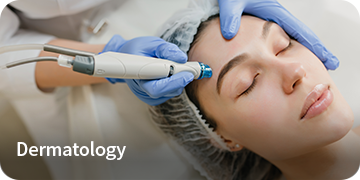
The Scale of Korea's Medical Tourism Boom
Since the government launched its foreign patient attraction program in 2009, cumulative arrivals have surpassed 5 million, with the 2024 single-year tally hitting an all-time high of 1.17 million. Foreign patients and their companions spent roughly 7.5 trillion won (about 5.2 billion US dollars) in 2024, covering treatment, hotels, shopping, and travel. Seoul alone hosted 998,642 of those visitors, with one in three Gangnam-gu clinics actively serving international patients. The boom was fueled by the Korean Wave, a favorable exchange rate, and the global popularity of K-beauty aesthetics.
Top Procedure Categories
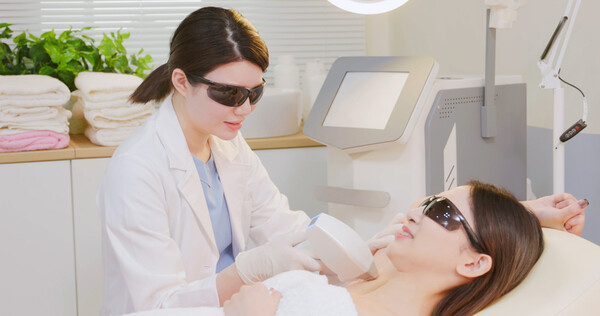
Dermatology dominates the market, accounting for 56.6 percent of foreign patients (about 705,000 people in 2024), followed by plastic surgery at 11.4 percent and internal medicine at 10 percent. Within those buckets, the most requested procedures include:
- Cosmetic surgery in Gangnam Apgujeong: double eyelid surgery, rhinoplasty, V-line jaw contouring, double-jaw surgery, and facelifts.
- K-beauty injectables: Botox, hyaluronic acid filler, Skinbooster, Rejuran PDRN, and Shurink ultrasound lifting.
- Dermatology: laser toning, IPL photofacials, chemical peels, acne scar lasers, and LED light therapy for glass skin.
- Dental implants and veneers: foreign spending on dentistry jumped 588 percent year-on-year in Q3 2025, with Europeans and North Americans flying in for full-mouth restorations.
- Comprehensive health checkups: half-day MRI, CT, and endoscopy panels at university hospitals.

The Top Areas: Cheongdam, Apgujeong, and Yeongdong-daero
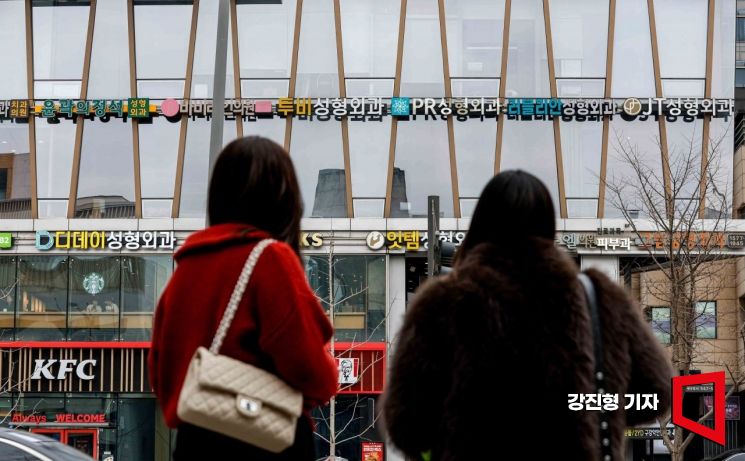
Almost every major cosmetic clinic clusters around the Cheongdam-Apgujeong corridor in Gangnam-gu, where entire mid-rise buildings are leased floor by floor to plastic surgeons and dermatologists. Garosu-gil is dotted with skin clinics catering to walk-in laser appointments, while Nonhyeon-dong has emerged as a hub for facelift specialists. The Yeongdong-daero dental row, running through Samseong and Daechi, is where you will find prosthodontists, implantologists, and aesthetic dental labs that supply Hollywood-style veneers. Clinics in these areas typically post notices in English, Japanese, Chinese, Thai, Indonesian, and Russian.
Reputable Korean Hospitals for Health Checkups
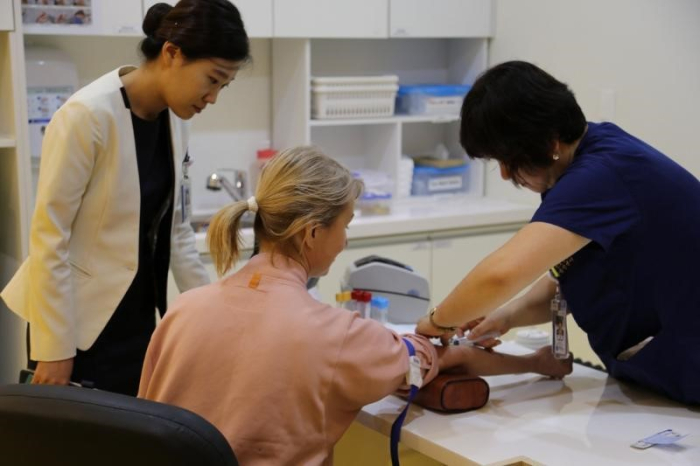
For inpatient care, oncology, cardiology, and full-body screenings, foreign patients tend to gravitate toward Korea's so-called Big Five tertiary hospitals:
- Severance Hospital (Yonsei University Health System): opened Korea's first international clinic in 1962 and has been the most visited Korean hospital by foreigners for eight consecutive years.
- Seoul St Mary's Hospital (Catholic Medical Center): known for transplants and cancer care, with dedicated international coordinators.
- Samsung Medical Center: globally recognized for liver transplants, cardiovascular care, and rapid health checkup packages.
- Asan Medical Center: Korea's largest hospital by bed count, ranked among Asia's top institutions for organ transplantation.
- Seoul National University Hospital: the flagship academic medical center for complex diagnoses.
All five operate International Healthcare Centers offering multilingual coordinators, VIP lounges, and limousine pickup.
Dental Tourism Goes Mainstream
Korean dentistry is the fastest-growing slice of the medical tourism pie. European spending on Korean dental services grew 565 percent and North American spending surged 3,478 percent in the most recent reporting period. Implant brands like Osstem and Dentium are world leaders, and prices for a single titanium implant or set of porcelain veneers can run 40 to 60 percent below US figures even after airfare. Treatment plans for full-mouth rehabilitation are often compressed into a two-week stay, with crowns milled on-site in same-day CAD/CAM labs.

How to Plan Your Medical Trip
Most medical tourists begin by browsing surgeon portfolios on Naver blogs, KakaoTalk consultation channels, or Instagram before approaching agencies. Two official resources can help you skip the noise:
- Korea Medical Tourism Association (KOMTA) and Visit Medical Korea: run by the Korea Health Industry Development Institute (KHIDI), they vet hospitals and publish certified provider lists.
- Seoul Medical Tour Help Desk: a city-government one-stop center that arranges interpreters, airport pickup, and reservations with 180 partner clinics.
Seoul recently announced it will expand its pool of medical tourism interpreters tenfold, and the city now hosts more than 100 multilingual coordinators fluent in English, Mandarin, Japanese, Russian, Vietnamese, and Arabic. Expect to sign treatment consent forms in your native language and to pay in cash, by international credit card, or via wire transfer.
Recovery Hotels and Aftercare
Many cosmetic surgery clinics now partner with dedicated recovery hotels designed for post-op patients. Properties such as RH Suites in Apgujeong and Splas Rivima near Cheongdam offer reclining beds, swelling-control diets, lymphatic massage rooms, on-call nurses, and private shuttles back to the clinic for stitch removal. Some hotels include LED light therapy rooms and oxygen capsules. A typical post-facial-contouring stay is 10 to 14 days, while rhinoplasty patients can usually fly home after 7 days once external splints come off. Sun protection, silicone scar tape, and follow-up tele-consultations are standard parts of aftercare.
The M-1 Medical Tourism Visa
Citizens of K-ETA-eligible countries can usually enter Korea on a tourist visa for short cosmetic visits. For longer treatments, complex surgery, or accompanying family members, the M-1 (medical treatment) visa allows stays of up to 90 days and can be extended for continued care. Applicants submit a treatment plan and an invitation letter from a hospital registered with the Ministry of Health and Welfare's foreign patient attraction program. M-1 visas can be issued at Korean embassies or, in some cases, through a registered facilitator. Make sure your hospital is on the official KHIDI-registered list before booking flights, since only those institutions can legally issue invitation letters and tax-refund-eligible receipts.
Tips for First-Time Medical Tourists
- Get at least three written quotes and confirm the lead surgeon will personally perform the procedure, not a junior resident, a practice known locally as the ghost doctor issue.
- Verify that the clinic is registered with the Ministry of Health and Welfare and carries malpractice insurance for foreign patients.
- Build in buffer days for swelling, bandage removal, and a relaxed final review with your surgeon before flying home.
- Pair treatments with light tourism: a soothing jjimjilbang, a stroll through Bukchon Hanok Village, or a coffee crawl in Seongsu-dong all qualify as gentle recovery activities.
- Save receipts: foreign cosmetic and aesthetic patients have historically qualified for a 10 percent VAT refund, though the program's future is under review.
Explore More of Korea with Daebak
Want to bring a little piece of Korea into your life? The Daebak Box is packed with the best Korean snacks, ramen, and cultural goodies delivered monthly to your door.