


Table of Contents
Korea is famous for K-pop, neon-lit cities and street food, but the peninsula is also covered in volcanic peaks, ancient forests, tidal flats and gardens that change color with every season. Whether you want to summit a UNESCO mountain, walk through a bamboo grove or watch cranes fly over a wetland at sunset, these are the 10 nature spots in Korea that belong on every traveler's list.
1. Hallasan Mountain (Jeju Island)
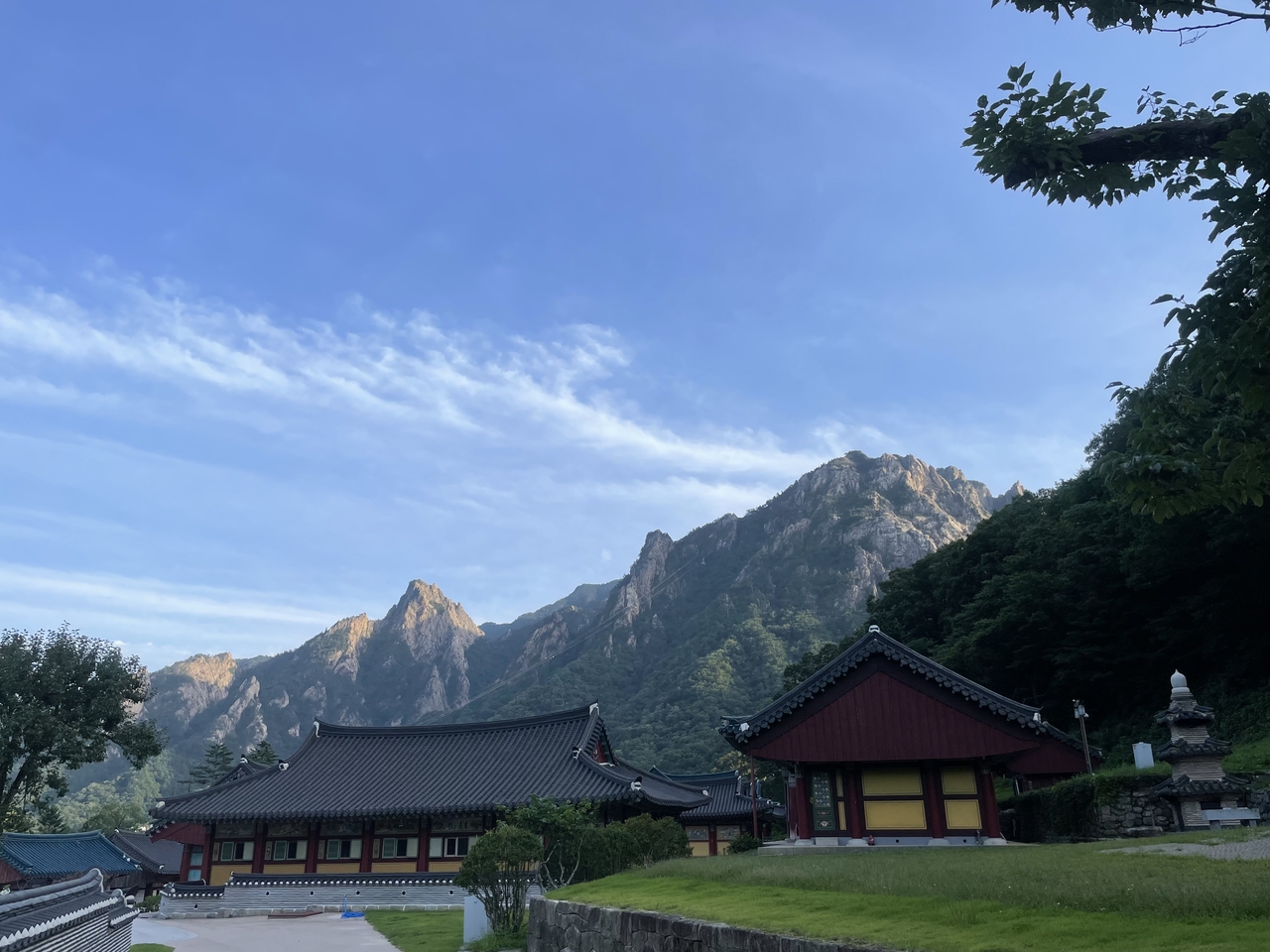
Hallasan is the tallest mountain in South Korea at 1,950 meters and forms the dramatic heart of Jeju Island. The shield volcano is a UNESCO World Heritage Site, and the summit holds the crater lake of Baengnokdam, 3 kilometers in circumference and ringed by some 360 parasitic cones. Two official trails reach the top, Seongpanak and Gwaneumsa, both requiring an advance reservation through the Hallasan booking system. Plan for an 8 to 10 hour day hike and start before sunrise to catch the cloud-shrouded crater at its most magical.
2. Seoraksan National Park (Gangwon Province)
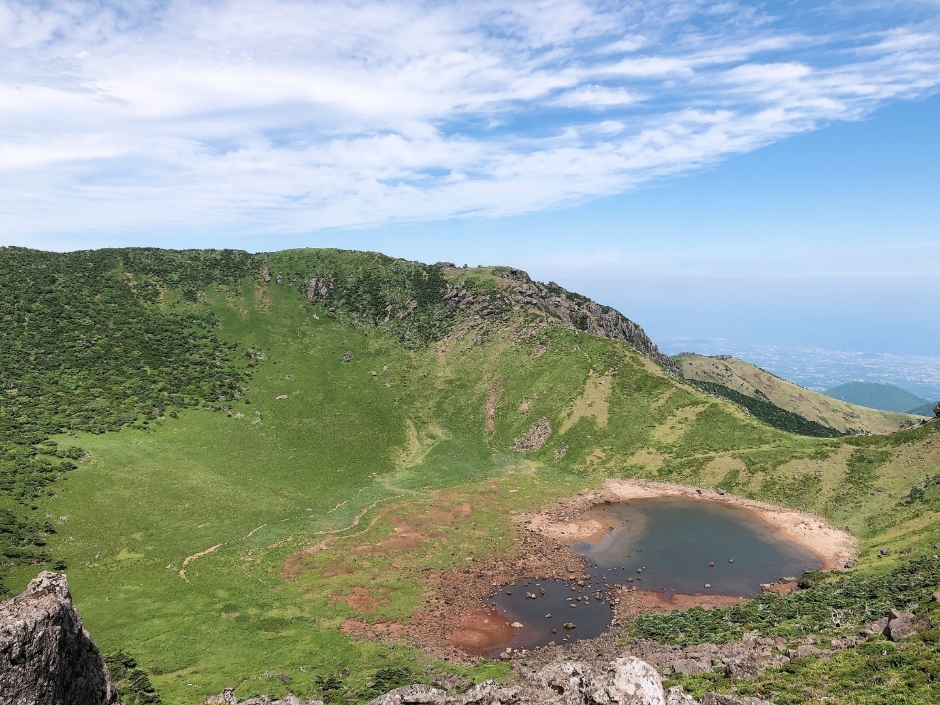
Seoraksan was designated Korea's fifth national park in 1970 and became a UNESCO Biosphere Reserve in 1982. Its jagged granite peaks, including Daecheongbong at 1,708 meters, draw millions every autumn when the slopes burst into red and gold. From the main entrance near Sokcho, you can walk to Sinheungsa Temple and its 14.6-meter Unification Buddha in about ten minutes, or take the Seorak Cable Car to Gwongeumseong Fortress for sweeping ridge views without the climb. Late October to early November is peak foliage season.
3. Jirisan National Park (Three Provinces)
Korea's first and largest national park, Jirisan stretches across South Jeolla, North Jeolla and South Gyeongsang provinces. Cheonwangbong, at 1,915 meters, is the tallest peak on the mainland, and the full ridge traverse from Seongsamjae to Jungsanri runs roughly 30 kilometers, normally hiked over three days with overnight stays in mountain shelters. Sunrise from Cheonwangbong is one of the most celebrated views in the country. For a shorter trip, the day hike to Nogodan rewards you with the same vast forested ridgelines that change with every season.
4. Bukhansan National Park (Seoul)
Bukhansan is the only national park inside a major capital city. Often called Samgaksan, or Triangle Mountain, for its three signature peaks of Baegundae, Insubong and Mangyeongbong, the park covers granite ridges, crystal-clear streams and more than 100 Buddhist temples and hermitages. Baegundae at 836.5 meters is the most popular summit, reachable from central Seoul in under an hour by subway and bus. Trails range from easy valley walks on the Dullegil loop to scrambly granite climbs, with peak foliage in late October.
5. Nami Island (Gangwon Province)
Half-moon shaped Nami Island sits on the Bukhan River about 30 minutes from Chuncheon, and it shot to fame in 2002 as the backdrop for the K-drama Winter Sonata. Visitors arrive by ferry from Gapyeongnaru Pier, then stroll the famous Metasequoia Lane, Ginkgo Tree Lane and Maple Lane. The towering metasequoia trees turn brilliant rust-red in late October and early November, while winter blankets the same lanes in snow for a Winter Sonata reunion every season. The island bills itself, in fairy-tale fashion, as the Naminara Republic.
6. Boseong Green Tea Fields (South Jeolla)
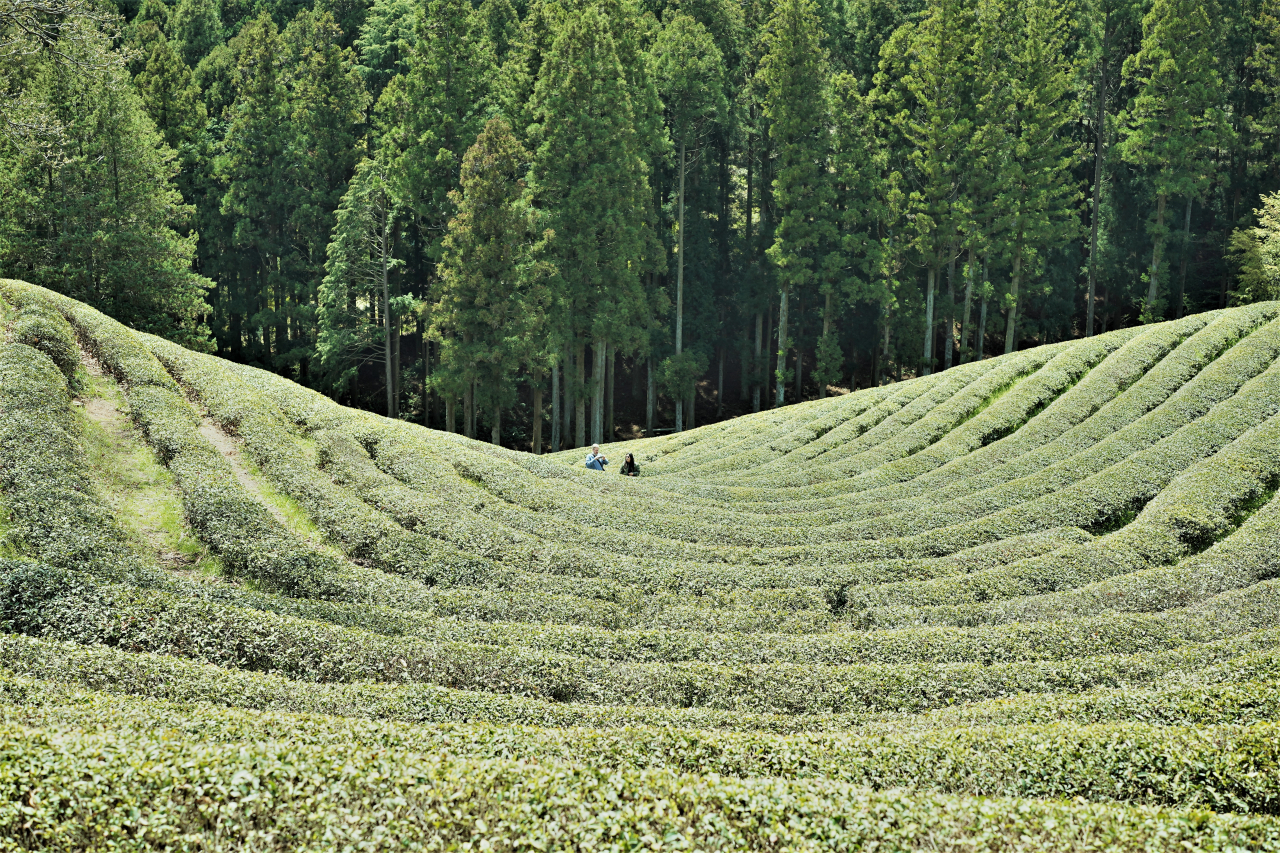
Boseong county produces roughly a third of Korea's green tea, and the terraced rows of Daehan Dawon, founded in 1957, are among the most photographed agricultural landscapes in the country. Cedar trees line the path from the entrance, leading to a 500-hectare maze of green tea fields you can wander on three main trails. Climb to the central observatory for a panoramic view of the labyrinth, then sample green tea ice cream, lattes and cakes at the on-site cafes. From late November to early January, the fields glow with the Boseong Green Tea Light Festival.
7. Damyang Bamboo Forest (South Jeolla)
Damyang County, just outside Gwangju, has built its identity around bamboo for centuries. Juknokwon, the town's famous bamboo garden, covers around 310,000 square meters with eight themed trails including the Philosopher's Road and the Meditation Road. The forest produces more phytoncide than pine or oak, making it a favorite spot for forest bathing, and a hanok cafe near the back gate, Chuwoldang, lets you rest cross-legged with a cup of bamboo tea. The 8.5-kilometer Metasequoia Road and the historic Soswaewon Garden round out a perfect day in Damyang.
8. Suncheon Bay Wetlands (South Jeolla)
Suncheon Bay is one of the world's five largest coastal wetlands and the only Ramsar-registered wetland on the southern Korean coast. A 3-kilometer river winds through mudflats and reed beds that turn shimmering gold in late autumn, and the famous S-shaped channel is best viewed from Yongsan Observatory at sunset. The wetlands host endangered hooded cranes, Chinese egrets and rare mudskippers, and you can explore by walking trail, eco-boat or the seasonal trolley that connects the reserve to the neighboring Suncheon Bay National Garden.
9. Garden of the Morning Calm (Gapyeong)
Founded in 1996 by horticulture professor Han Sang-kyeong, the Garden of the Morning Calm sits against Chungnyeongsan Mountain in Gapyeong and spans 330,000 square meters of themed gardens. Twenty different sections, from the Conifer Garden to the Rose of Sharon Garden, hold more than 5,000 plant species, including over 300 native to Mount Baekdu. From early December to mid-March the entire arboretum lights up for Korea's largest winter illumination event, with millions of bulbs draped across trees, ponds and bridges. Pair it with nearby Nami Island for a perfect day trip from Seoul.
10. DMZ Ecotourism Zone (Gangwon and Gyeonggi)
The Korean Demilitarized Zone is famous as a military border, but seven decades of restricted access have turned it into one of the most biodiverse strips of land in East Asia. The DMZ Peace Trails open sections in Goseong, Cheorwon and Paju for guided eco-walks past golden rice paddies, untouched wetlands and bird-watching hides. Cheorwon is especially loved by birders, who travel each winter to see migratory hooded cranes and red-crowned cranes glide over the Hwagang River. The trails run mainly on foot or by guided vehicle, with reservations required at most entry points.
When to Visit Korea's Nature Spots
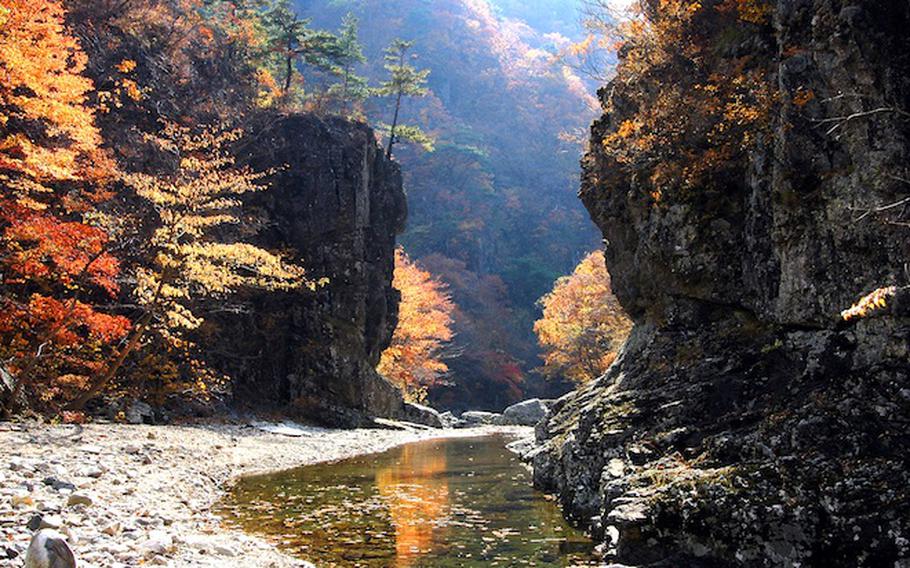
Spring, from late March to May, brings cherry blossoms and tea-leaf picking season. Summer, June through August, is hot and humid but perfect for hiking shaded mountains like Jirisan and Bukhansan. Autumn from late September to early November is the show stopper, with Seoraksan, Naejangsan and the Nami Island metasequoia lanes blazing red and gold. Winter snow transforms Hallasan, the Garden of the Morning Calm and Boseong into quieter, frosted versions of themselves. Most parks require online reservations during peak weekends, so plan ahead and check the national park website before you go.
Explore More of Korea with Daebak
Want to bring a little piece of Korea into your life? The Daebak Box is packed with the best Korean snacks, ramen, and cultural goodies delivered monthly to your door.


