


Table of Contents
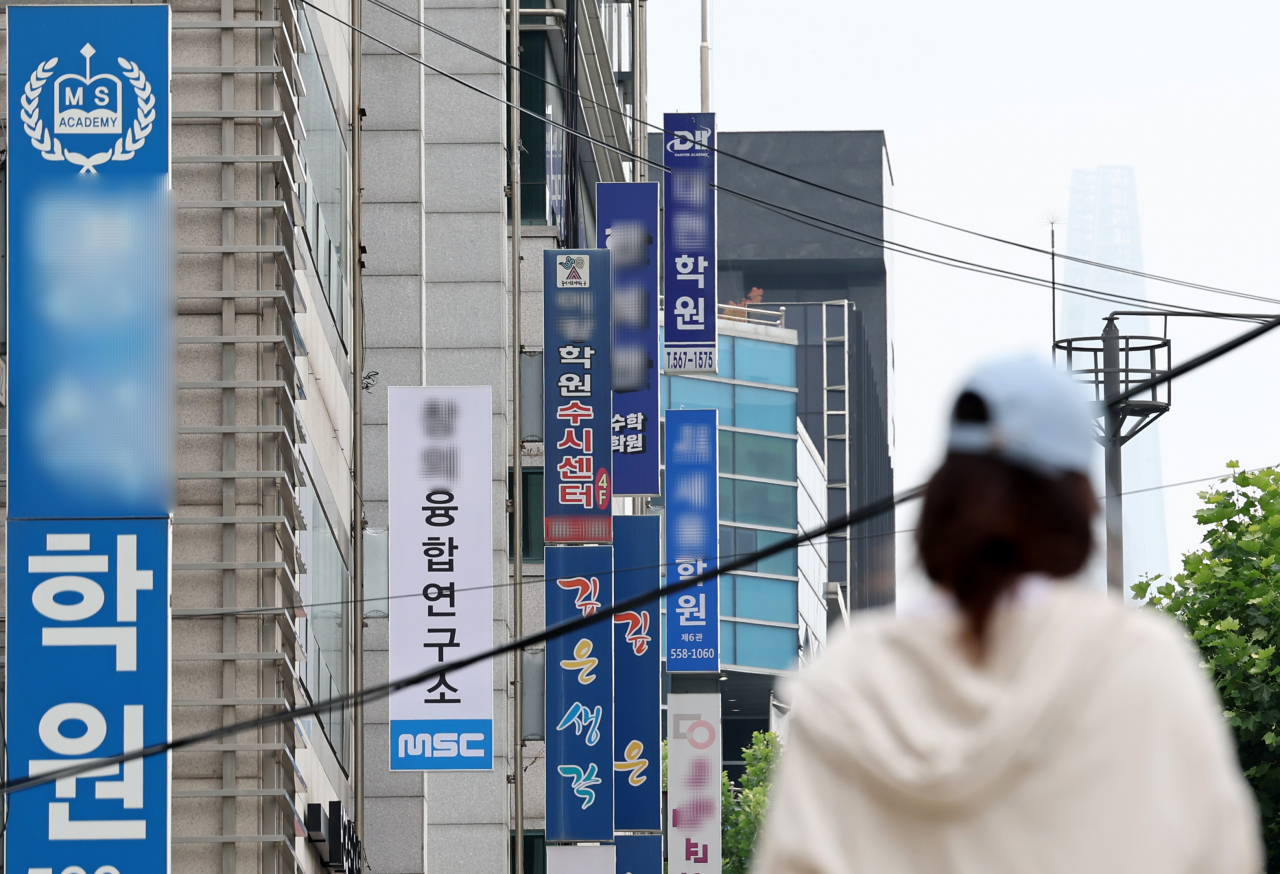
Walk through any Seoul neighborhood after 9 pm and you will see them: yellow buses idling outside glass towers, students in school uniforms shouldering heavy backpacks, and entire buildings stacked floor to ceiling with bright signboards advertising math, English, science, and Suneung prep. This is hagwon (학원) territory, the second classroom of nearly every Korean child. With more than 80,000 hagwons operating nationwide, more than the country's convenience stores, Korea has built the world's most intense private academy ecosystem, a system that shapes family budgets, student schedules, and the national conversation about education itself.
What Hagwon Really Means
The word hagwon literally translates to "learning institute," but in everyday Korean life it points to one specific thing: the for-profit after-school academy where students go once their public school day ends. Hagwons cover almost every subject and skill imaginable. Subject-specific academies for math, English, and science are the largest category, followed by music academies that teach piano or violin, art ateliers, taekwondo studios, computer coding bootcamps, and even K-pop idol training schools that prepare children for entertainment auditions. A single child often attends three to five different hagwons in a week, each with its own teacher, schedule, and tuition bill.
A Country Wired for Cram Schools
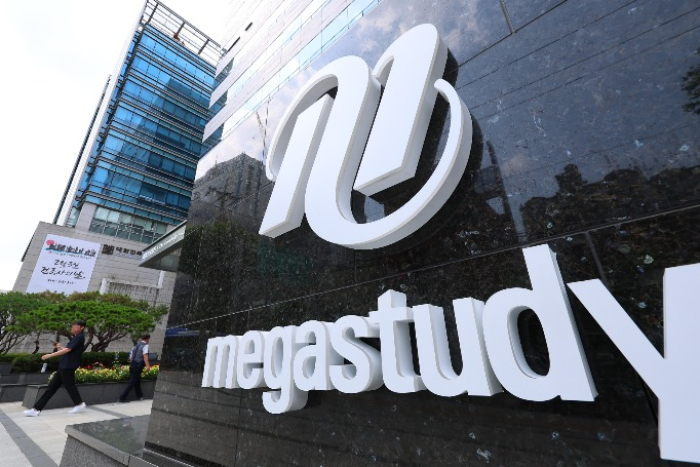
The scale is staggering. According to Statistics Korea, household spending on private education hit a record 27.1 trillion won, around 20 billion US dollars, in 2023, growing at the fastest pace in seven years. The market is so large that publicly traded education companies fill an entire Kosdaq sector, and the value of Megastudy alone was estimated at 669 billion won. English topped the spending list at 248,000 won per student per month, with math close behind. For many Korean families, hagwon fees rival what they spend on food.
Daechi-dong and the Famous Hagwon Clusters
If hagwons have a capital city, it is Daechi-dong in Gangnam, often called Korea's Ivy League prep district. Streets are lined with multi-story buildings whose every floor is a different academy, and the area is dense enough that camper vans park outside to serve dinners to students between sessions. Other famous clusters include Jamsil in southeastern Seoul, Mokdong west of the Han River, and Bundang in the southern suburbs. Each cluster has its own reputation: Daechi for elite Suneung prep, Mokdong for math specialists, Bundang for a balance of academics and arts. Real estate prices around these hagwon belts often outrun the rest of the city, because parents will move neighborhoods, sometimes nationally, just to enroll a child in a specific academy.
The Korean Student Schedule
A typical Korean high schooler starts public school around 8 am and finishes around 3 pm. Then the second shift begins. Students travel directly to their first hagwon of the evening, eat a quick convenience-store dinner or a packed lunchbox between classes, and continue studying until 10 pm. After hagwon ends, many head to a study cafe or supervised study room to finish homework, often staying until midnight or later. Self-study and online lectures often fill the weekends. For Daechi-dong students, the cycle can start as early as age four with English kindergartens that already cost more than 1 million won per month.

Suneung: The Exam That Shapes the System
All roads in Korean education lead to one exam: the Suneung, formally the College Scholastic Ability Test (CSAT). Held once a year on a single November day, the nine-hour, five-session test largely determines which university a student can attend and, by extension, the career and social network they will carry for life. The country reorganizes itself for it. Stock markets open an hour late, public buses are added to routes near test centers, and aircraft are banned from takeoff or landing during the English listening section. More than half a million students sit for the exam each year, and the hagwon industry is built to prepare them for it.

The Real Cost: From a Few Hundred to Several Thousand a Month
Tuition varies wildly. A neighborhood math hagwon might charge 300,000 won a month, while an elite Daechi-dong package combining multiple subjects, mock-exam services, and college admissions consulting can run from 1,000 to over 5,000 US dollars a month. According to government data, households earning 8 million won or more per month spend an average of 671,000 won on each child's private education, 3.7 times the spending of lower-income families. The cost has become one of the most cited reasons young Koreans give for delaying or skipping having children, a feedback loop the government now sees as a national problem.
10 PM Curfews and Government Pushback
Concerned about student health and runaway costs, Seoul introduced a 10 pm curfew on hagwon operations in 2009, with surprise inspections targeting academies that ran late-night sessions. Subsequent administrations have tried tax audits on the largest hagwons, banned former Suneung question writers from working as hagwon lecturers, and pushed to remove so-called killer questions from the exam in hopes of weakening the hagwon edge. The 2023 crackdown sent investigators directly to Megastudy headquarters. Critics argue that until public schools can match the speed and personalization of hagwon classes, parents will keep paying.
Hagwon Culture Onscreen: SKY Castle and Beyond
Korean dramas have turned hagwon culture into a recurring genre. JTBC's SKY Castle, which peaked at 23.8 percent in ratings in 2019, satirized wealthy Gangnam families who hire elite admissions coaches to push their children into the SKY trio of Seoul National, Korea, and Yonsei universities. Other titles such as Sunbae, Crash Course in Romance, and parts of Extraordinary Attorney Woo and The Heirs all spotlight cram school pressure, helicopter parents, and the emotional toll on teenagers. For international viewers, these dramas often serve as the first window into how seriously Korea takes its education economy.

Education as Social Mobility, and Its Limits
To understand why families accept all of this, you have to understand the Korean view of education as the great equalizer. For generations after the Korean War, a top university degree was the most reliable ladder from poverty to a stable office career, and many Koreans still believe that hard study can compensate for being born into modest circumstances. Hagwons are the modern infrastructure of that belief. At the same time, critics inside Korea increasingly argue that the system is reinforcing class divides rather than dissolving them, since families with more money can buy more access to better hagwons, star lecturers, and admissions consultants.
Mental Health and the New Backlash
The pressure has a price. Korean teenagers consistently rank among the least happy in OECD surveys, and youth suicide remains a national public health concern. Researchers link academic stress, hagwon hours, and Suneung anxiety to high rates of depression and burnout. In response, some families are stepping off the conveyor belt. International Baccalaureate (IB) programs are expanding in select Korean public schools, peer-to-peer tutoring platforms such as Soomgo are growing as flexible alternatives to traditional hagwons, and a small but visible group of parents are choosing alternative or foreign schools to escape what they call "Daechi hell." Whether these shifts can resize the hagwon industry or simply add a premium tier remains an open question.
Why Hagwon Culture Matters Beyond Korea
Hagwon culture is not just an education topic. It is a window into how Korean society balances ambition, family, and identity. The same drive that built Samsung, K-pop, and Korean cinema also runs through a ten-year-old's math hagwon on a Tuesday night in Daechi. Understanding hagwon helps explain why Korean students dominate global academic rankings, why birth rates are at world record lows, and why so many K-dramas keep returning to classrooms and exam rooms as their central stage. Love it or critique it, hagwon is one of the defining institutions of modern Korea.
Explore More of Korea with Daebak
Want to bring a little piece of Korea into your life? The Daebak Box is packed with the best Korean snacks, ramen, and cultural goodies delivered monthly to your door.


