


Table of Contents
South Korea drinks more spirits per capita than almost any other nation. According to Korea Herald reporting, Koreans consume around 53 bottles of soju per person per year, and decades of after-work drinking sessions known as hoesik have produced a recovery industry unlike any other. The result is haejang, literally "chasing away a hangover," a culinary and commercial ecosystem of soups, drinks, clinics, and 24-hour restaurants devoted to the morning after.
Why Hoesik Built an Entire Hangover Industry
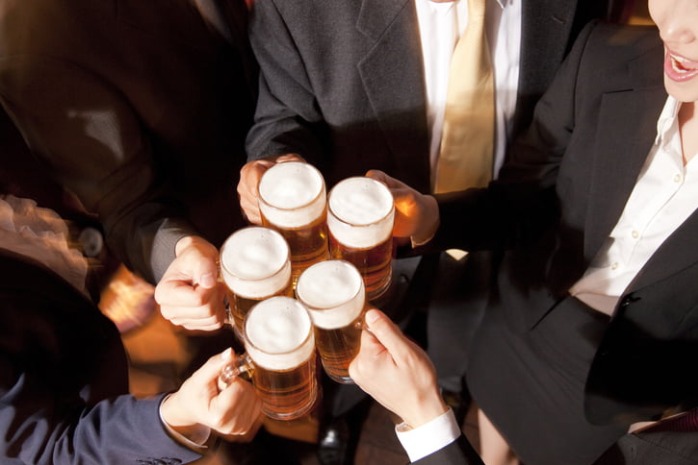
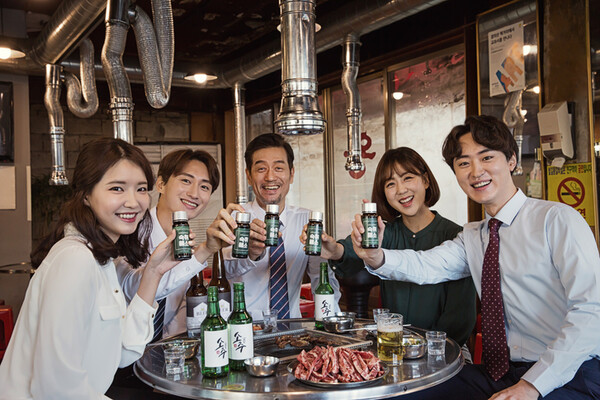
The roots of haejang are tied directly to hoesik (회식), the after-work dinner that for decades was a near mandatory part of Korean corporate life. A typical hoesik began with grilled meat, escalated through rounds of soju and beer, and often ended around 2 or 3 a.m. in a karaoke room. The OECD's Health Statistics 2023 report flagged Korea's binge-drinking culture and the social pressure to participate. Refusing a senior's pour was once treated as a bigger workplace sin than missing a deadline.
That ritual created a predictable problem the next morning, and a predictable market. Korean pharmaceutical firms, food brands, and tiny neighborhood gukbap shops all evolved to handle the fallout, turning the hangover into one of the country's most reliable consumer categories.
Haejang-guk: A Category, Not a Single Dish
Haejang-guk (해장국) translates as "soup to chase a hangover," but it is a family of recipes rather than one fixed bowl. The Korea Herald describes haejangguk as thick and hearty, with versions built around pork backbone, ox bone broth, seonji (congealed ox blood), dried pollack, or bean sprouts. According to the Seoul Metropolitan Government, the dish originated as sulguk, a simple soup of beef bones, dried radish greens, bean sprouts, potatoes, and soybean paste served to wood-market merchants in Jongno. After the Korean War in 1950, seonji and tripe such as yang were added, giving rise to the modern haejang-guk most Koreans recognize today.
The Main Varieties of Haejang-guk
Each region and household has a preferred bowl. The most common varieties are:
- Seonji haejang-guk (선지해장국), the classic Jongno style with coagulated ox blood, tripe, bean sprouts, and napa cabbage in a long-simmered beef broth.
- Bugeo-guk (북어국), a clean broth of dried pollack, radish, tofu, and egg. Korean Bapsang notes that dried pollack is rich in proteins and amino acids with detoxifying effects, which is why bugeo-guk is so popular as a hangover remedy.
- Hwangtae-guk (황태국), a milder cousin made with hwangtae, pollack dried by alternating freezing and thawing in mountain winds, giving the fish its signature yellow flesh and chewy texture.
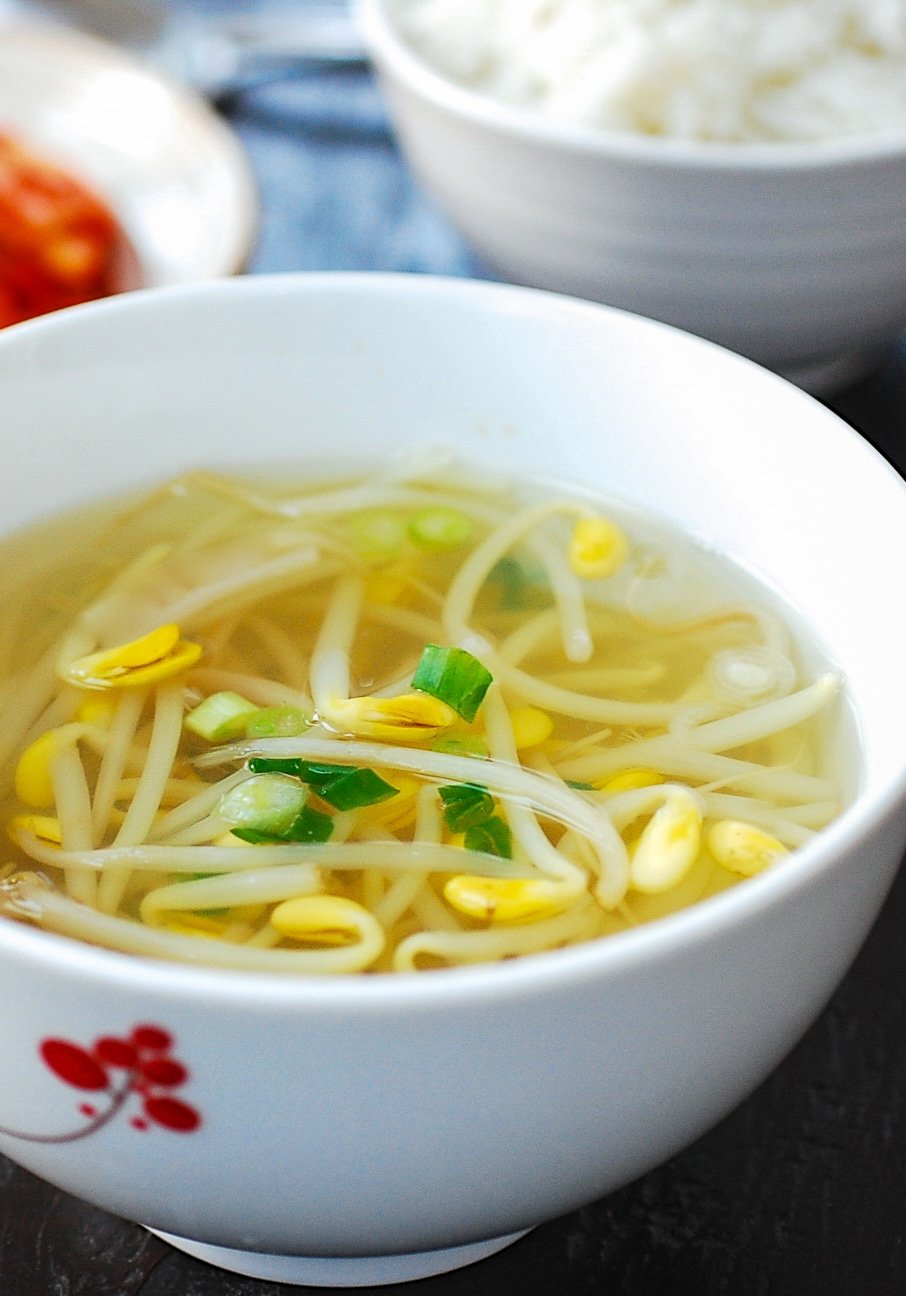
- Kongnamul-guk (콩나물국), a light bean sprout soup popular in Jeonju that owes its hangover reputation to asparagine, an amino acid in soybean sprouts that helps the liver process acetaldehyde.
- Ugeoji haejang-guk (우거지해장국), built on the outer leaves of napa cabbage and doenjang broth, sometimes with pork backbone.
- Jangcho mulhoe, a cold, sour seafood soup from the East Coast that uses vinegar and chili to jolt the body awake.
The Convenience Store Hangover Aisle
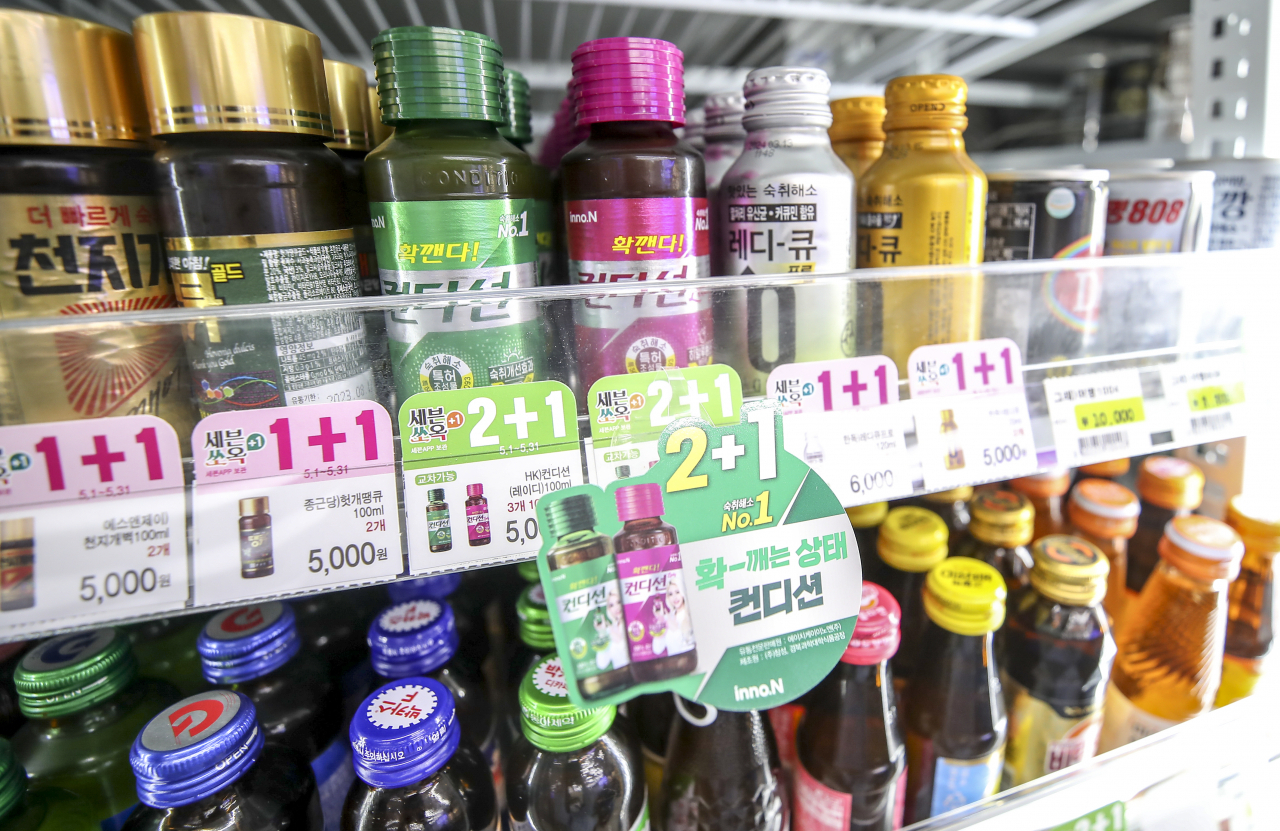
Beside the haejang-guk pot sits the modern, industrial version: rows of small brown bottles in every CU, GS25, and 7-Eleven. According to The Korea Herald, the hangover remedy market was valued at 312.8 billion won in 2022 and nearly 40 percent higher than the year before. Korea Biomedical Review reports the category grew further to 347.3 billion won in 2023 with 68 distinct products on shelves. The flagship names are:
- Condition (컨디션), launched by HK inno.N in 1992 as Korea's first anti-hangover product. It still leads the market with more than 40 percent share and has logged cumulative sales above 700 million bottles. Its main active ingredient is Hovenia dulcis, the Korean oriental raisin tree.
- Morning Care (모닝케어) by Dong-A Pharmaceutical, a milk thistle and taurine based competitor that pushed hangover drinks into the mass pharmacy channel.
- Dawn 808 (여명 808), an older herbal formula favored by office workers in their 40s and 50s, marketed for its 63-ingredient herbal blend.
- Sangkwaehwan (상쾌환) by Samyang, a jelly stick format that helped trigger the shift toward Gen Z friendly hangover products.
Older drinkers still reach for honey water (꿀물), plain warm water stirred with honey to stabilize blood sugar, and Bacchus-F, the taurine drink that has been a fixture of Korean corner stores since 1963.
24-Hour Gukbap Shops and the Midnight Recovery Route
For Koreans who skip the convenience store, the next stop is a 24-hour haejangguk or gukbap house. Nearly every neighborhood has one, and busy districts like Jongno, Euljiro, and Hongdae keep their lights on through dawn for civil servants, journalists, and night-shift workers. Spots like Sinmieok Haejangguk in Jongno and Boseung Hoegwan in Hongdae specialize in serving piping hot bowls to the crowd stumbling home when the clubs close. On Jeju Island, 24si Jeju Haejangguk is famous for ppyeo haejangguk, a pork backbone version that pairs especially well with the island's late-night drinking scene.
IV Drips and the Medicalized Hangover
The recovery industry now extends well past the kitchen. Walk past any subway exit in Gangnam or Hongdae and you will see clinics advertising suaek (수액), intravenous drips marketed as hangover cures. A typical package combines saline, B vitamins, magnesium, and glutathione for 30,000 to 80,000 won, and clinics promote 30-minute drips before flights or important meetings. The trend has grown alongside Korea's broader wellness industry, with chains opening early-morning slots specifically aimed at office workers heading in after a heavy night.
The Science: ALDH2 and Why Koreans Feel It Harder
There is a biological reason the haejang category is so developed in Korea. Roughly 30 to 40 percent of East Asians, including a significant share of Koreans, carry a variant of the ALDH2 gene that slows the breakdown of acetaldehyde, the toxic byproduct of alcohol metabolism responsible for facial flushing, nausea, and headaches. The result is harsher hangovers from smaller volumes of alcohol, which helps explain why hovenia dulcis extract, milk thistle, and amino-acid rich soups dominate Korean hangover marketing. Korea Biomedical Review notes that the Ministry of Food and Drug Safety now requires clinical trials demonstrating reduced serum acetaldehyde before brands can legally label products as hangover relief.
Best Haejang Restaurants in Seoul
The Jongno district remains the spiritual home of haejang-guk. Cheongjinok (청진옥), opened in 1937 as a small soup house for wood cutters, is widely considered the patriarch of Seoul haejangguk and was designated a Seoul Future Heritage in 2013. According to Visit Seoul, beef bones are simmered for more than 24 hours and finished with intestines, tripe, and seonji. Other landmarks include Eunju Jeong Haejang in Jongno 3-ga, known for its pork-bone broth, and Jungang Haejangguk in Daechi-dong, which serves a refined hanwoo seonji haejangguk in a modern setting.
The Cultural Weight of Haejang
Haejang is also social shorthand. To say "let's go eat haejang" is to admit, without embarrassment, that last night went too far, and to lean on the small ritual of someone older taking care of you. The phrase "nuna ga sajulge" (older sister will buy) or its hyung equivalent often follows. The bowl matters, but so does the gesture. As Korea's drinking culture shifts and younger workers push back against forced hoesik, the haejang industry is adapting. According to KED Global, card spending at bars and karaoke rooms fell 2.5 percent in early 2026 while spending at cafes climbed nearly 8 percent. The bowls, drinks, and 24-hour shops, however, remain a fixture of Korean daily life.
Explore Korean Snacks with Daebak
Love Korean food? Get authentic Korean snacks and ramen delivered straight to your door with the SnackFever Box by Daebak.


