


Table of Contents
Korean snack culture is one of the most dynamic, creative, and internationally beloved in the world. What started as a domestic industry feeding Korean schoolchildren and office workers has grown into a global phenomenon driving hundreds of millions in exports annually. Korean snacks are now stocked in supermarkets across the United States, Europe, Southeast Asia, and Australia, and they are consistently among the most discussed food products on TikTok, YouTube, and Instagram worldwide. This guide covers the most important, most beloved, and most surprising Korean snacks you need to know.
Why Korean Snacks Are Different
The Korean snack industry stands out for several reasons. First, the pace of innovation is extraordinary: Korean snack companies launch new products weekly and are responsive to social media feedback in ways that multinational corporations typically cannot match. A flavor that trends on Korean social media can appear on store shelves within months. Second, Korean snack flavor profiles are more adventurous than most Western markets: sweet-savory combinations, unusual textures, and unexpected ingredient combinations are celebrated rather than avoided. Third, collaboration culture is deeply embedded: Korean snack brands partner regularly with K-pop artists, drama productions, and pop culture properties to create limited-edition products that drive both demand and cultural conversation.
The result is a snack ecosystem that rewards exploration. Even if you start with the most familiar products, there is always a new flavor variation, a seasonal edition, or an unexpected collaboration waiting to discover.
The Iconic Korean Chips
Korean potato and corn chips represent the foundation of the snack industry. Nongshim's Saewookkang (shrimp-flavored corn puffs) has been in production since 1971 and remains one of the best-selling snacks in Korean history. Its light, airy texture and sweet-savory shrimp flavor have made it a multigenerational favorite, equally at home in a child's lunchbox and at an adult drinking session.
Nongshim's Kkobuk Chips (turtle chips) are another beloved icon: light, layered multigrain chips with a distinctive cross-hatch texture that delivers an exceptional crunch. Orion's Corn Chip has been a staple since the 1980s, and its mustard-flavored variety became a cult product among Korean snack enthusiasts. Haitai's Honey Butter Chips, launched in 2014, sparked an entire flavor revolution in the chip category and remain one of the most recognized Korean snack exports globally.
Binggrae's Banana Kick (banana-flavored peanut puffs) occupies a special place in Korean snack nostalgia. Available since the 1970s, its gentle banana sweetness and light corn puff texture appeal across generations. Similarly, Haitai's Calbee collaboration products, particularly the Honey Garlic chips and various seasonal flavors, have maintained strong market positions while continuously introducing new variations.
Pepero: Korea's Most Gifted Snack
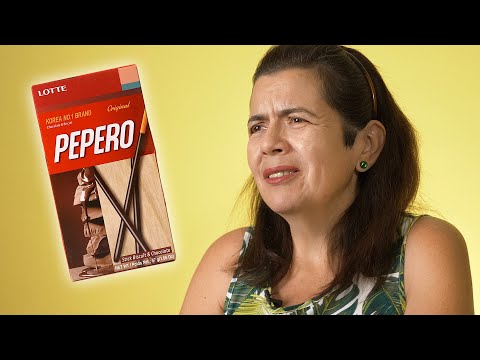
Pepero is a thin biscuit stick partially dipped in chocolate, produced by Lotte Confectionery. Launched in 1983, it has become Korea's most recognized gift snack, driven in large part by Pepero Day (November 11), a cultural holiday where Koreans give boxes of Pepero to friends, family, and romantic partners. The date 11/11 was chosen because the four ones resemble four Pepero sticks standing upright.
Pepero comes in a wide range of flavors and coatings: original chocolate, white chocolate, almond chocolate, nude (biscuit with chocolate inside), strawberry, melon, and seasonal variations including dark chocolate, matcha, and various limited editions tied to K-pop artists and drama productions. The original chocolate version remains the benchmark, but the almond-coated variety (Almond Pepero) is arguably the most satisfying in terms of texture and flavor complexity.
Pepero competes directly with Pocky (by Glico, Japan) in international markets, and the two products have traded market positions in various countries over the decades. Many Korean enthusiasts argue that Pepero has a more refined biscuit quality and more varied lineup, while Pocky loyalists point to the Japanese product's longer history and wider original distribution.

Choco Pie: The Original Korean Comfort Snack
Orion's Choco Pie is one of the most significant Korean snack exports in history. Introduced in 1974, this chocolate-covered marshmallow and cake sandwich became the definitive Korean comfort snack and a touchstone of Korean childhood across multiple generations. Two soft cake layers enclosing a marshmallow filling, all covered in a thin chocolate coating: simple, sweet, and deeply satisfying in the way that only nostalgic comfort foods can be.
Choco Pie's international story is extraordinary. The product became enormously popular in Russia during the Soviet era through Orion's export efforts, to the point where it was used as informal currency among factory workers. In North Korea, Choco Pies became a contraband luxury item worth significant sums on black markets after being distributed to workers at the Kaesong Industrial Complex. The product has been called "the most politically significant snack in history" by some commentators.
Today, Choco Pie is available in over 60 countries and is Orion's flagship product internationally. Variations include banana-flavored filling, strawberry, dark chocolate coating, and premium versions with better-quality chocolate and fillings. The original version remains the classic, but the banana Choco Pie has accumulated its own devoted following.
Crown Haitai Classics
Crown Confectionery (now part of Haitai) has produced several Korean snack classics that have maintained relevance for decades. Crown Cream-O (a sandwich cookie) and Crown Biscuit are foundational products, but the company's most distinctive contribution to Korean snack culture may be Crunky, a chocolate bar made from crispy rice puffed chocolate named after the "crunchy" quality of the rice pieces. Crunky's straightforward chocolate-and-crunch combination has remained popular since the 1970s.
Haitai's O!Karto (potato chips) and various flavored chip lines have competed effectively with Nongshim and Orion across the chip category. Their Honey Butter Chips remain the most famous product launch in Korean snack history, but the company's full range shows the depth of Korea's snack innovation capacity.
Seaweed Snacks: Healthy and Addictive
Korean seasoned seaweed (gim, or more broadly, seaweed snacks) represents one of the fastest-growing Korean snack exports internationally. Thin sheets of roasted seaweed seasoned with sesame oil and salt, packaged in small resealable bundles, have found enormous audiences among health-conscious international consumers looking for low-calorie, umami-rich snacking options.
Korean seaweed snack brands like Dongwon and CJ have invested heavily in international distribution, and their products are now stocked in major supermarkets in the US, Europe, and Australia. Flavored varieties including wasabi, almond, cheese, and spicy have expanded the category beyond the original seasoned version. The combination of genuinely good flavor, light calorie profile, and the cultural cachet of being a Korean product has made seaweed snacks one of the most successful Korean food exports of the past decade.

The Fire Noodle Snack Universe
Samyang's Buldak (Fire Chicken) brand, which exploded globally through the Fire Noodle Challenge, has expanded far beyond instant noodles. Buldak-flavored chips, popcorn, rice crackers, and various snack formats now carry the distinctive spicy chicken flavor into new categories. These products deliver the same endorphin-rush spice level as the original noodles in a more portable, convenient format.
The Fire Noodle snack line is particularly popular with Korean food enthusiasts who want the cultural experience of extreme Korean spice without the preparation time of instant noodles. They are also compelling content for social media: the visible sweat and audible suffering of first-time tasters generate consistent engagement on video platforms worldwide.
Jelly and Gummy Candies
Korean gummy and jelly candies occupy their own creative space. Lotte's Malang Cow (milk candy chews) and various fruit jelly products offer gentle sweetness and appealing textures. Haribbo-style gummies are available but often reformulated with Korean fruit flavors like Korean melon, peach, and yuzu. Orion's Jelly Me series and various vitamin-infused gummy candies target the growing health-conscious snack segment.
Korean hard candies, particularly those featuring traditional flavors like omija (five-flavor berry), yuzu, and barley sugar, represent a connection between modern snack culture and traditional Korean flavor heritage. These candies are popular as gifts and souvenirs and are increasingly finding international audiences interested in authentic Korean flavors.
Limited Editions and Collaborations
No discussion of Korean snacks is complete without acknowledging the limited edition and collaboration culture that drives so much of the excitement. Korean snack brands partner with K-pop groups, gaming companies, streaming platforms, and seasonal events to produce special packaging, exclusive flavors, and collectible items that drive purchase urgency and social sharing.
BTS meal-themed snacks, Stray Kids chip collaborations, drama-themed snack boxes, and seasonal holiday editions (Chuseok gift sets, Christmas limited editions) all represent this intersection of Korean pop culture and snack industry marketing. Collectors of K-pop memorabilia often specifically seek out food collaborations, and these products serve as entry points to Korean snack culture for fans who might not have otherwise engaged with the food side of Korean culture.
Build Your Own Korean Snack Collection
The easiest way to explore Korean snack culture without visiting Korea or a Korean grocery store is through a curated subscription box. The SnackFever Box delivers a monthly selection of authentic Korean snacks, chosen by people who genuinely know the category, directly to your door. Each box includes a mix of iconic classics and exciting new discoveries.
Final Thoughts
Korean snack culture is a rewarding world to explore because it rewards curiosity. Every familiar product has a history, every flavor has a cultural context, and every new launch reflects something about what Korean consumers value in food. Whether you start with the safe classics like Pepero and Choco Pie or dive straight into Honey Butter Chips and seaweed crackers, you will find a category that is constantly surprising, consistently delicious, and deeply connected to the broader story of Korean culture that the rest of the world is only beginning to fully appreciate.


