


Table of Contents
Few rituals capture the quiet, mindful heart of Korean culture quite like darye (다례), the traditional Korean tea ceremony. The word literally means "tea etiquette," but it covers everything from the way you warm a cup to the way you greet a guest. For over a thousand years, darye has been a slow, sensory practice that connects Korean tea, Buddhism, Confucian thought, and everyday hospitality.
This guide walks through the history of Korean tea, the manners of darye, the main types of Korean tea you should know, and where to experience and buy authentic Korean tea both in Korea and abroad.
What Is Darye? Korea's Traditional Tea Ceremony
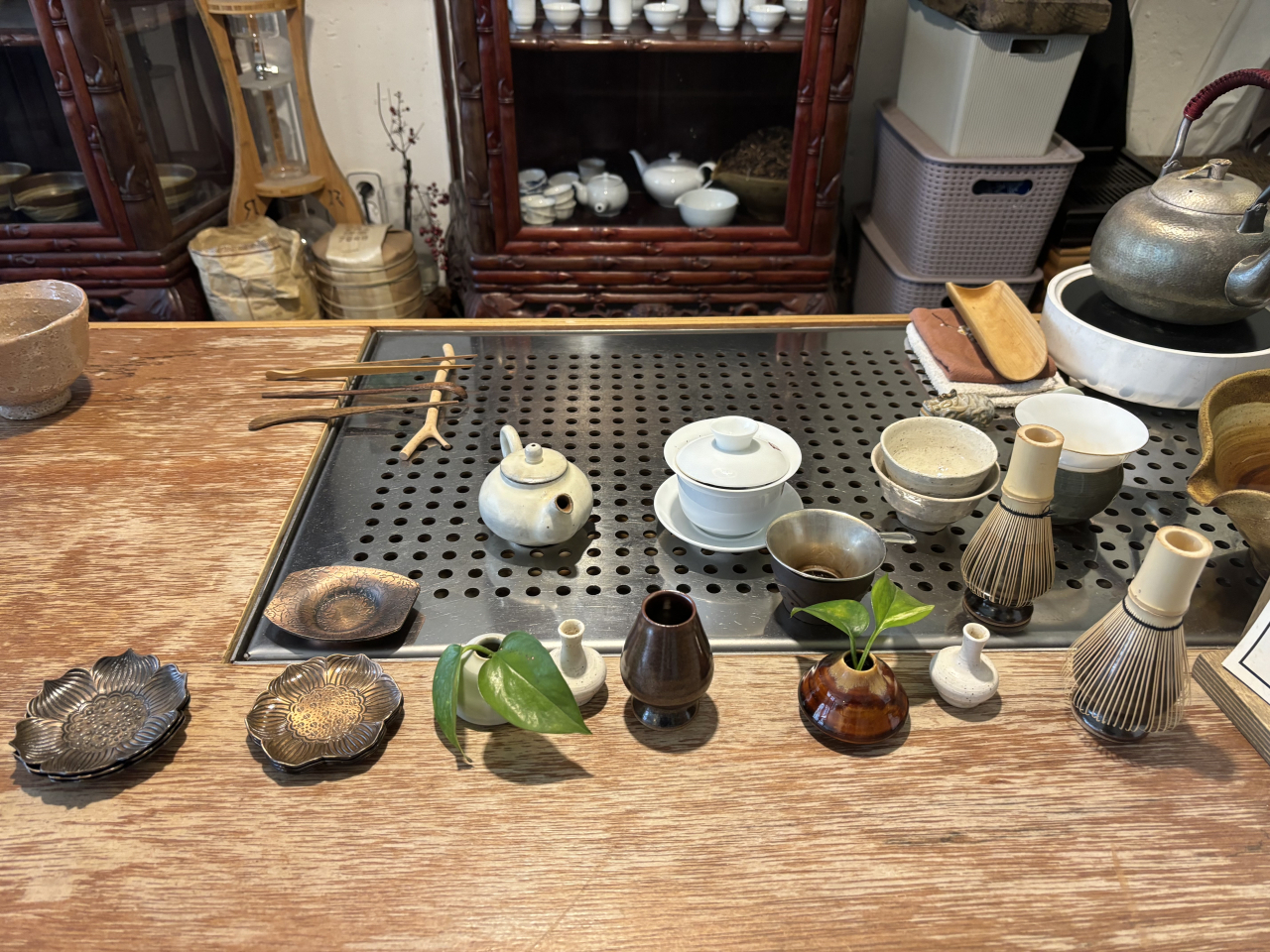
Darye literally translates as "tea rite," but in practice it is a complete philosophy of hospitality. It includes how you handle the tea, the temperature of the water, the posture of the host, and the attitude of the guest. In Korean culture, drinking tea engages all five senses, and darye is what shapes that experience into a graceful ritual rather than a quick drink.
There are several recognized forms of darye, including Goongjoong darye (royal court), Seonbi darye (Confucian scholars), Gyubang darye (women), and casual Friends darye. Each form shares core values of harmony, respect, and gratitude.
The History of Korean Tea: Goryeo Buddhist Roots
Tea culture is believed to have entered Korea during the Three Kingdoms period, with tea first imported from China in the seventh century. Ancient records like Samgungyusa describe tea and fruit being offered in memorial rites for ancestors, hinting at the ritual depth tea would later carry.
Tea truly flourished during the Goryeo Dynasty (918 to 1392), when Buddhism shaped much of Korean life. Monks used tea in meditation, temples cultivated their own leaves, and the practice spread from monasteries to the royal court and the noble class, slowly turning into a refined art of preparation and service.

Joseon Confucian Refinement: From Monks to Scholars
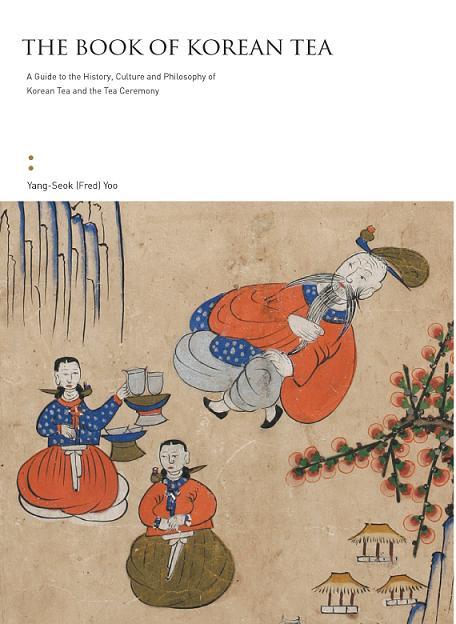
During the Joseon Dynasty (1392 to 1910), state ideology shifted toward Confucianism, and so did tea. Scholars known as seonbi adopted darye as a meditative practice that matched Confucian values of self-cultivation, humility, and respect for elders. Tea was no longer just a Buddhist offering, it became a mirror for moral character.
The Joseon court refined royal darye into a formal ceremony performed at banquets, ancestral rites, and important state events. Medicinal teas like ssanghwacha were also consumed morning and night as part of daily health routines, blending wellness with ritual.
Korean Tea Ceremony Etiquette: How Darye Works
A darye session usually begins with a brief moment of stillness, often a short meditation or quiet conversation. The host warms the kettle and tea bowls with hot water, measures the leaves into a small teapot, and pours water that has been cooled to the right temperature, often around 70 to 80 degrees Celsius for green tea.
Tea is served in three short pours rather than one full cup, allowing flavor to develop. Guests receive the cup with two hands, take small sips, and acknowledge the host with a quiet bow or thank-you. Pace, posture, and gratitude matter more than speed.
Types of Korean Tea You Should Know
Korean tea is more varied than many visitors expect. The main pillar is nokcha, the green tea most often featured in darye. Within nokcha, ujeon refers to the very first spring plucking before the goku rains, prized for sweet, soft, and subtle flavor.
Beyond green, you will find hwangcha (yellow tea), a lightly oxidized leaf with a mellow, honeyed character, and balhyocha, a fully fermented Korean tea that resembles a soft, sweet dark tea. Traditional medicinal and grain teas like yujacha (citron), daechucha (jujube), saenggangcha (ginger), and ssanghwacha round out the everyday tea cabinet.
Where to Experience Korean Tea Ceremony in Korea
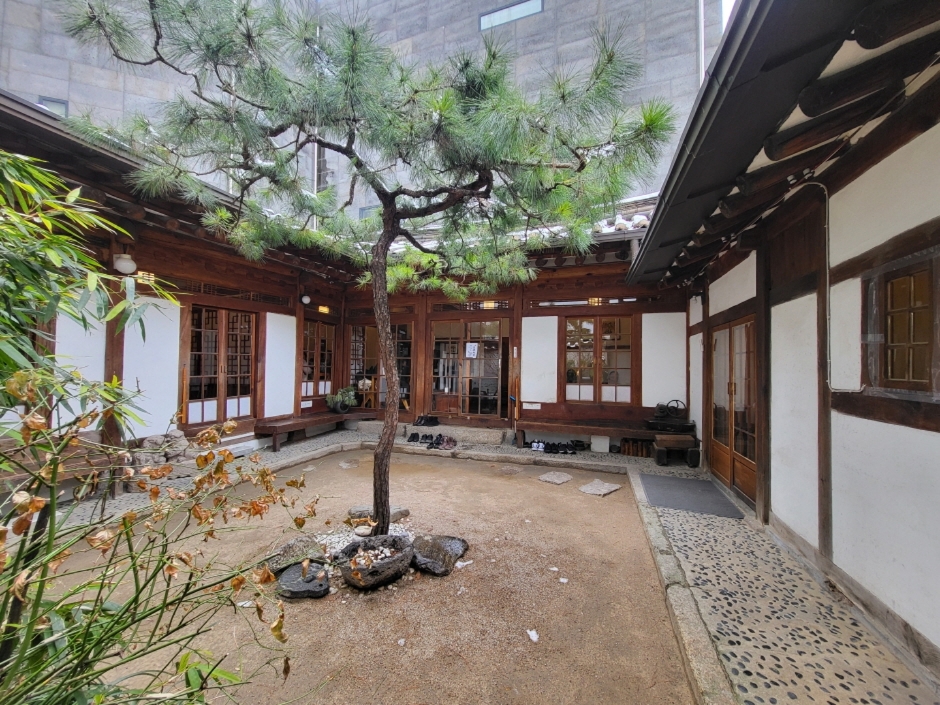
Insadong in central Seoul is the easiest place to start. Hanok tea houses such as Insa-dong Chatjib serve traditional teas like jujube tea, ginger tea, and pumpkin sikhye inside quiet wooden interiors, perfect for a first encounter with Korean tea culture.
Temple stays (templestay) at sites like Bongeunsa, Golgulsa, and Bulguksa often include tea time with monks, echoing the Buddhist origins of darye. For a deeper dive, head south to Boseong's green tea fields and the annual Boseong Green Tea Festival, or to Hadong at the foot of Mount Jiri, home to Korea's oldest tea region and the Hadong Wild Tea Cultural Festival.
Where to Buy Korean Tea Outside Korea
You do not need to fly to Hadong to enjoy authentic Korean tea. Online specialty shops such as Morning Crane Tea, Hankook Tea, O'Sulloc, and Tea Side ship Korean nokcha, hwangcha, and balhyocha worldwide. Major Korean supermarkets abroad, including H Mart and Galleria, carry boxed yujacha, daechucha, and ssanghwacha for easy home brewing.
When buying, look for the origin region (Hadong, Boseong, or Jeju), the harvest season (ujeon, sejak, jungjak, or daejak), and a recent packaging date. A small clay teapot, a fairness pitcher, and three or four small cups are all you need to recreate a simple darye at home.
More Korean Tea Guides
- Korean Omija Tea Guide: The Five-Flavor Berry Drink
- Korean Tea Fields Guide: Boseong, Hadong, and Jeju
- 5 Unique Teas Found in Korea
- Best Korean Tea and Snack Combinations
Shop Korean Tea: Browse our OSULLOC tea collection, including green tea, oolong, rooibos and gift sets.
Explore More of Korea with Daebak
Want to bring a little piece of Korea into your life? The Daebak Box is packed with the best Korean snacks, ramen, and cultural goodies delivered monthly to your door.


