


Table of Contents
Korean meals are about much more than food. Every bowl, spoon, and chopstick rests inside a quiet hierarchy of age, respect, and shared rhythm that has been passed down for generations. For first time visitors, eating with a Korean family or going out to a Korean restaurant can feel intimidating, especially when locals seem to follow rules that nobody explains out loud.
The good news is that Korean dining etiquette is logical once you understand the values behind it. Confucian respect for elders, a love of sharing, and a strong sense of group harmony shape almost every rule at the table. Learn these 10 essentials and you will eat with confidence whether you are at a barbecue joint in Hongdae, a temple stay in Gyeongju, or a friend's family home.

1. Wait for the Eldest to Lift Their Spoon First
This is the single most important rule at any Korean table. When dining with elders or seniors, you do not touch your rice or soup until the oldest person at the table picks up their spoon. Starting before the elder is considered rude and self centered, no matter how hungry you are.
In a family setting, the grandparents or parents go first. In a work meal, it is usually the most senior colleague. If you are unsure who counts as the eldest, wait a beat and watch. As soon as the elder takes the first bite, the rest of the table can begin. The Korea Herald notes that younger diners are also expected to hand out spoons and chopsticks from the table caddy to everyone else, especially when sitting closest to it.
2. Pour Drinks With Two Hands for Anyone Older
Soju, beer, makgeolli, and even water all follow the same two hand rule when you are pouring for someone older or more senior. Hold the bottle in your right hand and lightly support your right wrist or forearm with your left hand. The gesture says you are giving the drink with care and respect, not just sliding it across the table.
When an elder pours for you, receive the glass the same way. Hold the cup with both hands, give a small nod, and wait until the pour finishes. Never pour your own drink first when an elder's glass is empty, and never let an elder pour for themselves if you can help it.

3. Turn Your Head When Drinking in Front of an Elder
Once the drink is poured, do not throw it back facing the older person. The polite move is to turn your upper body away, often to the left, and discreetly cover the cup or your mouth with your free hand as you sip. Many Koreans tilt the head far enough that the elder cannot see the cup touching their lips.
This rule comes from old Confucian ideas about modesty in front of seniors. You will see it everywhere, from formal company dinners to friendly hoesik nights. Even idols on variety shows do it when drinking with senior cast members, so the habit is alive and well.
4. Never Stick Chopsticks Upright in Your Rice
Chopsticks left standing vertically in a bowl of rice look exactly like the incense and rice offerings placed on Korean ancestral altars during jesa, the memorial rites for the deceased. Doing it at the dinner table is taboo because it brings death imagery to a meal meant for the living.
Lay your chopsticks flat across the rim of your bowl or rest them on the chopstick holder when you pause. The same rule applies to spoons. Treat them like working tools, not decorations stuck into your food.
5. Keep Your Rice Bowl on the Table
This is where Korean etiquette splits clearly from Chinese and Japanese habits. In China and Japan it is normal, even expected, to lift the rice bowl close to your mouth. In Korea, picking up the bowl is considered childish or sloppy. Rice and soup bowls stay where they were placed, and you bring the spoon to the bowl instead.
Part of the reason is practical. Korean rice bowls are often heavy stainless steel or stone, kept warm against the table. The other half is cultural. Eating with the bowl down keeps your posture upright and your movements quiet, which is the Korean aesthetic for dining well.
6. Use the Spoon for Rice and Soup, Chopsticks for Banchan
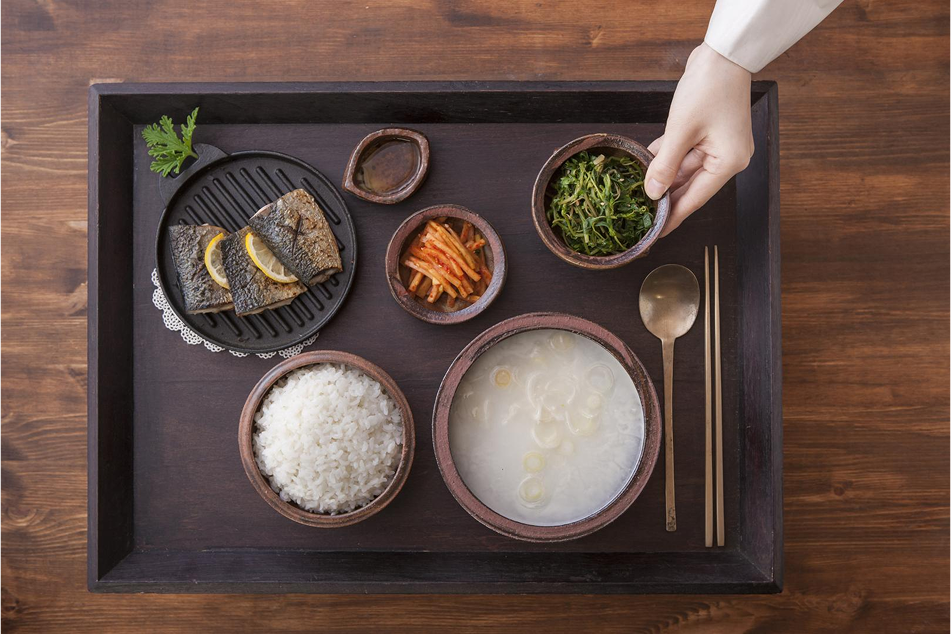
A Korean place setting almost always pairs a long metal spoon with thin metal chopsticks. The division of labor is strict. The spoon is for rice, soup, stew, and anything wet. The chopsticks are for banchan side dishes, grilled meat, kimchi, and noodles. You should never hold both at the same time, and you should not use the chopsticks to shovel rice.
This setup is the opposite of how chopsticks are used in most other Asian cultures. It is also the reason Korean metal chopsticks feel heavier and trickier than wooden ones. Practice with a small bowl of banchan at home before your first formal Korean meal.
7. Eat at the Pace of the Group
Korean meals are a shared experience, not a race. You should match the speed of the table and especially the elder leading the meal. Finishing way ahead of everyone else looks impatient. Trailing far behind keeps the elder waiting, which is even worse.
If the eldest stops eating and puts their spoon down, that is often a quiet sign that the meal is winding down. Pace yourself, keep talking, and pay attention to the rhythm of those around you. This shared pacing is part of why Korean dining feels so warm and communal.
8. Say "Jal Meokgesseumnida" Before You Eat
Before lifting your spoon, Koreans say jal meokgesseumnida (잘 먹겠습니다), which literally means "I will eat well" but functions as "thank you for the meal." You say it to whoever prepared or paid for the food, including the host, the cook, or your elder buying dinner.
Stripes Korea explains the phrase as a small but essential way to show appreciation, whether you are eating at a friend's house or at a Korean restaurant where the owner cooked your meal. A short bow of the head while you say it makes the gesture even more sincere.

9. Say "Jal Meokeosseumnida" When You Finish
Once you are done, the closing phrase is jal meokeosseumnida (잘 먹었습니다), which means "I ate well" or "thank you for the meal." You direct it at the same person you thanked before eating, and many Koreans add a small bow when leaving the table.
This is more than a polite formality. It signals that you enjoyed the food and recognize the effort behind it. Saying the phrase to a Korean ajumma at a small neighborhood restaurant almost always earns a smile, and sometimes a generous refill of banchan on your next visit.
10. Step Away From the Table for Loud Behavior
Blowing your nose at a Korean table is a hard taboo. Even if the kimchi jjigae is making your eyes water, excuse yourself and walk to the bathroom. Coughing fits, loud sneezing, and obvious throat clearing are also kept away from the food. The same goes for using your chopsticks to drum on the table, point at people, or stab food. Treat the utensils like working tools, never toys.
At the end of the meal, the eldest usually chooses the restaurant, picks up the bill, and is thanked with a small bow as the group leaves. If you want to repay the kindness, offer to buy coffee or dessert at the next stop. That is how the Korean dining cycle keeps the warmth going.
Korean Table Manners Are Easier Than They Look
Most of these rules come down to two ideas. Respect your elders, and stay in sync with the people you are eating with. Once that mindset clicks, the rest feels natural. Two hand pours, elder first bites, spoons for rice, chopsticks for banchan, and a polite phrase at both ends of the meal will carry you through almost any Korean dining situation.
Even small efforts go a long way. Locals notice when a visitor turns their head before sipping soju or quietly waits for the eldest to pick up their spoon. These gestures show that you respect the culture, and they usually open the door to warmer conversation and better food recommendations.
Explore More of Korea with Daebak
Want to bring a little piece of Korea into your life? The Daebak Box is packed with the best Korean snacks, ramen, and cultural goodies delivered monthly to your door.


