


Table of Contents
You can cook bibimbap in a regular pot and pan-fry samgyeopsal in any skillet, but you will be missing the specific Korean magic that comes from using the right tools. Korean home kitchens have a small set of specialized cooking equipment that has been refined over centuries: a porous earthenware pot that simmers stews into deeper flavor, a stone bowl that creates the perfect crispy rice crust, a slotted BBQ grill that drains fat from pork belly as it cooks. These tools are not optional accessories. They are the reason Korean dishes taste the way they do.
This guide walks through seven essential Korean kitchen tools every aspiring Korean home cook should have, why each one matters, how to choose between them, and where to buy authentic Korean cookware outside of Korea.
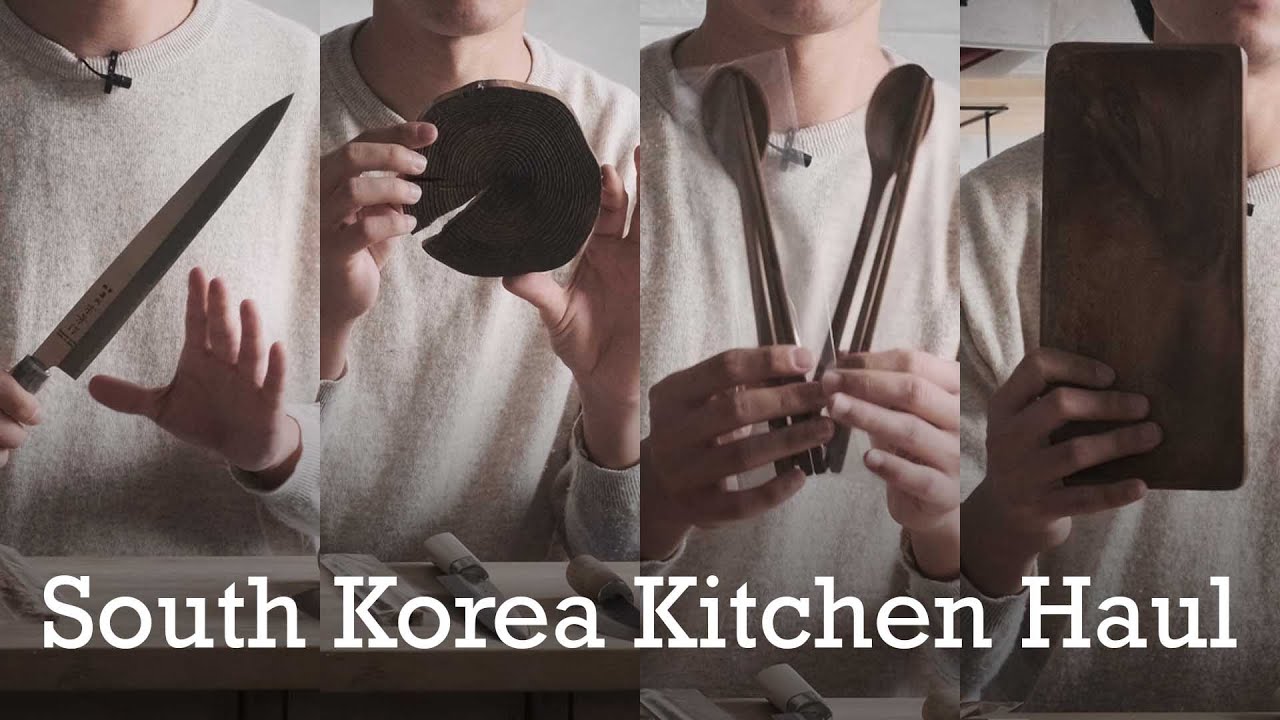
1. Ddukbaegi (뚝배기): The Korean Earthenware Pot
If you only buy one Korean cooking tool, make it a ddukbaegi. This unglazed earthenware pot is the heart of Korean home cooking and the reason Korean stews like sundubu jjigae, doenjang jjigae, and kimchi jjigae develop their characteristic deep, bubbly, slowly-emerging flavors. The clay walls retain heat far better than metal or glass, and the slightly porous surface allows tiny amounts of steam to escape, concentrating the broth as it simmers.

A ddukbaegi also serves its own contents. Korean cooks bring the pot straight from the stove to the table, where it continues to gently simmer for the entire meal. Sizes range from individual single-serving pots (about 4 inches across) to family-size pots for sharing. Look for unglazed Korean-made versions from brands like Yuksan or Korean Bapsang for the most authentic texture.
2. Dolsot (돌솥): The Korean Stone Bowl
The dolsot is the iconic Korean stone bowl most famous for dolsot bibimbap. Made from natural granite, the bowl is preheated until almost smoking, then filled with hot rice. The intense, dry heat against the bottom of the bowl creates nurungji, the crispy golden rice crust that becomes the defining texture of any dolsot dish. Pour your bibimbap toppings on top, mix vigorously with a long spoon, and scrape up the crisp rice as you eat.

Dolsot are heavier and more rigid than ddukbaegi and should never be used on induction (granite cracks under unstable heat). A standard gas burner or an electric coil works best. Korean families also use dolsot for sundubu, beef hot pots, and sizzling-rice dishes. Buy a quality version with a wooden coaster (the bowl stays hot for 20+ minutes after the heat is off).
3. Korean BBQ Grill Pan
The Korean tabletop BBQ grill pan is what separates serious samgyeopsal nights from disappointing ones. Most commercial Korean BBQ pans have a slightly inclined surface with channels along the edges to drain rendered pork fat away from the meat, plus a slotted center area that prevents flare-ups while preserving the smoky char on the bottom of the pork belly.
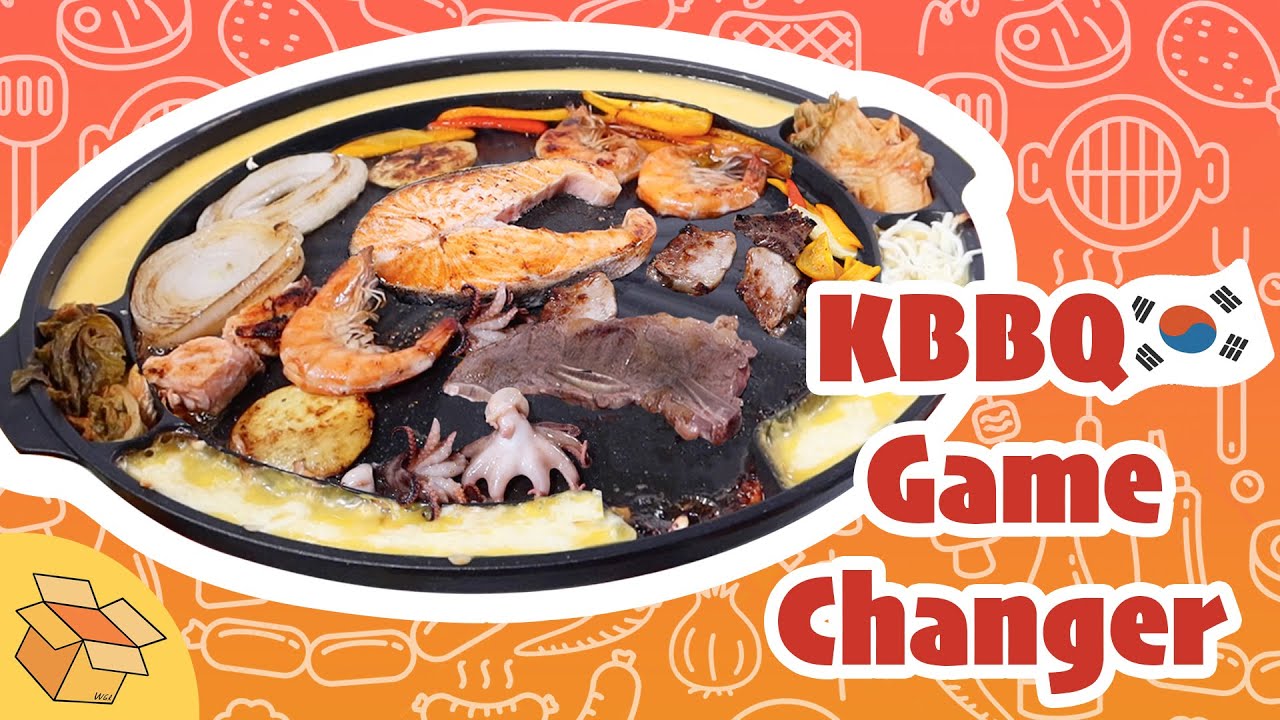
Popular models include the CookKing Master Korean BBQ Grill, the TECHEF stovetop grill, and various stoneware-coated options on Amazon and at Korean grocery chains. For the closest restaurant experience, look for a non-stick coated pan with a removable drip tray and a built-in handle for easy stove-to-table service. Use over medium heat with no oil; the fat from the pork is the only lubrication you need.
4. Stainless Steel Korean Chopsticks (Jeotgarak)
Korean chopsticks are distinctive: long, flat, made of stainless steel, and noticeably heavier than wooden Japanese or Chinese chopsticks. The flat profile is engineered for picking up Korean side dishes like banchan, slippery noodles, and tender slices of pork belly, and the stainless steel construction reflects centuries of Korean cooking and dining tradition with metal vessels.
The Korean spoon (sutgarak) typically has a deeper bowl than Chinese soup spoons and is designed for eating rice and soup directly. A typical Korean place setting consists of one pair of chopsticks plus one long-handled spoon, both kept on the right side of the plate. Korean chopsticks are also the most challenging type for first-time chopstick users, but they are the right tool for Korean food specifically.
5. Korean Soup Strainer (Mangtoli)
The mangtoli (망둥이) or fine-mesh Korean soup strainer is the unsung hero of Korean kitchens. Korean broths for sundubu, kalguksu, and seolleongtang require a clear, clean base, and the only way to consistently produce one is to strain the simmered stock through a fine mesh that catches every bit of anchovy, kelp, and bone fragment. Most Korean cooks own at least two strainers, one small for prep and one large for finishing broths.
Korean strainers are also used for rinsing rice (the metal mesh allows water through without the rice grains escaping), draining cooked noodles, and rinsing leafy banchan ingredients. A quality strainer lasts decades, and the slightly tapered Korean design fits neatly into Korean-sized pots better than the deeper Western versions.
6. Korean Kimchi Container
If you make kimchi at home, a dedicated kimchi tongue (김치통) is non-negotiable. These airtight plastic or ceramic containers are designed specifically to handle the gas pressure that kimchi releases during fermentation while keeping the strong sulfur and chili odors away from the rest of your fridge. The lid usually has a one-way vent valve that allows gas to escape but blocks odors.
Korean families often own a dedicated kimchi refrigerator (kimchi naengjang-go), a separate appliance just for fermenting and storing kimchi, banchan, and other long-aged foods. For home cooks abroad, a few good kimchi containers are sufficient. Look for Korean-made brands like Lock and Lock Kimchi Box or Hangaram Kimchi Box, both available at H Mart.
7. Korean Kitchen Scissors
Korean kitchen scissors deserve their own category. A heavy pair of Korean scissors is used for cutting Korean BBQ meat directly on the grill, snipping kimchi into bite-sized pieces, cutting noodles for kalguksu, dividing dumplings, and basically replacing knife-and-fork operations at the dinner table. The Korean approach treats scissors as the primary food-cutting tool, not a secondary kitchen utility.

Good Korean scissors are stainless steel with thick blades and ergonomic handles, with the shape slightly curved to navigate around a hot grill. The best Korean kitchen scissor brands include Tojiro, Sheridan, and 3CLAW, all of which can be ordered online or found at H Mart. Many Korean cooks consider their scissors more important than a chef's knife for daily Korean cooking.
Where to Buy Korean Cooking Tools Outside Korea
Most Korean cooking tools are now widely available outside Korea. H Mart, Yes Asia, Korean Click, Coupang Global, and Amazon all stock authentic Korean cookware. For dolsot and ddukbaegi specifically, look for Korean-made products rather than Chinese-manufactured copies; the clay composition and weight of authentic Korean versions are noticeably better.
If you live near a Koreatown, visiting a Korean grocery in person is the best way to get a feel for sizes and weights before buying. Korean BBQ grill pans, stainless steel chopsticks, and kitchen scissors are also available at most major Asian markets. For specialty items like a kimchi refrigerator, check Korean appliance importers or wait for a Korean trip and ship one home.
Explore Korean Snacks with Daebak
Love Korean food? Get authentic Korean snacks and ramen delivered straight to your door with the SnackFever Box by Daebak.


