

Table of Contents
Walk into a Korean restaurant for the first time and you'll notice something that doesn't happen in Japan, doesn't happen in China, and doesn't happen in Vietnam. Before your main course even arrives, the server brings out four, six, sometimes ten small dishes and lines them across the table. You didn't order them. You won't be charged for them. And when you finish one, you can ask for more, and they'll bring it.
This is banchan (반찬), and it's the most quietly radical thing about Korean dining. After ten-plus years working with Korean food brands and watching Western diners react to their first 한 상 차림 (han sang charim, "one full table spread"), I can tell you the moment of confusion is always the same. "Wait, this is free?" Yes. "Can I have more of the kimchi?" Yes. "Why?" That's the question worth answering.
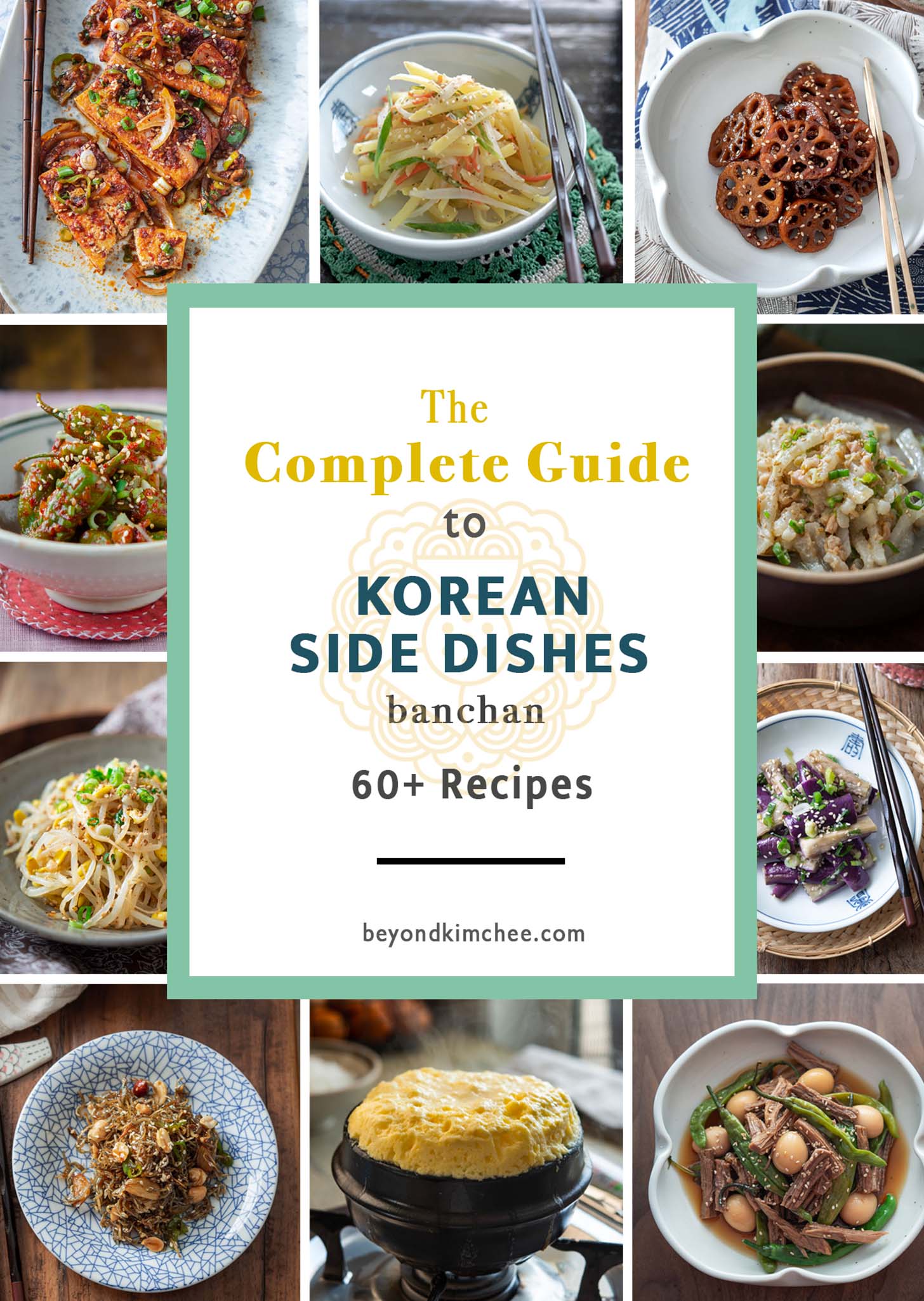
The "Free Refill" Mechanic Is Uniquely Korean
Here's something that gets lost when people lump East Asian cuisines together: the unlimited banchan refill is not a pan-Asian thing. It's a Korean thing. Walk into a Japanese teishoku spot and you get a small bowl of pickles, one portion, that's it. Chinese restaurants might bring peanuts or pickled radish at the start, but ask for refills and you'll get a polite "no." Vietnamese pho comes with a plate of herbs and bean sprouts that does not get refilled.
Korea is the outlier. Sit down at a gukbap (rice-and-soup) joint in Seoul and you'll get kimchi, kkakdugi (radish kimchi), and a small dish of seasoned greens. Finish them. The ajumma will come by, wordlessly, and refill the bowls. Sometimes she'll bring a fresh dish entirely. No menu listing, no upcharge.
What makes this culturally specific is the underlying philosophy: banchan is not perceived as part of the meal you're paying for. It's perceived as 인심 (insim), a kind of warm generosity the restaurant offers as a baseline expression of hospitality. The minute you start charging for refills, you've changed the relationship from host-and-guest to vendor-and-customer, and Korean diners feel that shift instantly.
The Economics Nobody Talks About
Banchan costs real money. Cabbage, radish, perilla leaves, spinach, dried anchovies, sesame oil, garlic, gochugaru. A typical small restaurant in Seoul might prep eight to twelve banchan every morning, and the labor alone (most of it falls on the owner, usually a woman in her 50s or 60s) is brutal. So why do restaurants keep doing it?

Because the moment a restaurant stops offering banchan, or starts charging for refills, customers stop showing up. A 2026 nationwide survey by the Korea Herald found 64.8 percent of Korean consumers were uncomfortable with paid refills and 42.3 percent said they would stop visiting a restaurant that introduced them. 63.9 percent called free banchan "a staple of Korean dining culture." That's not customer preference. That's identity.
What's actually happening economically: banchan is a service signal, not a menu item. The cost is absorbed into the entree price the same way a Western restaurant absorbs the cost of bread and butter or table water. The difference is that Korean banchan signals more than warmth. It signals competence. A restaurant that puts out tired, watery kimchi or three sad sprouts is broadcasting that the kitchen doesn't care, and Koreans read that signal in five seconds flat.
한 상 차림: The Full-Table Philosophy
The reason banchan exists at all comes from the traditional Korean meal structure called 한 상 차림 (han sang charim), literally "one table setting." Unlike Western coursed meals or Chinese family-style sharing that comes out in waves, Korean meals arrive simultaneously, all on the table at once, arranged around the central bowl of rice.
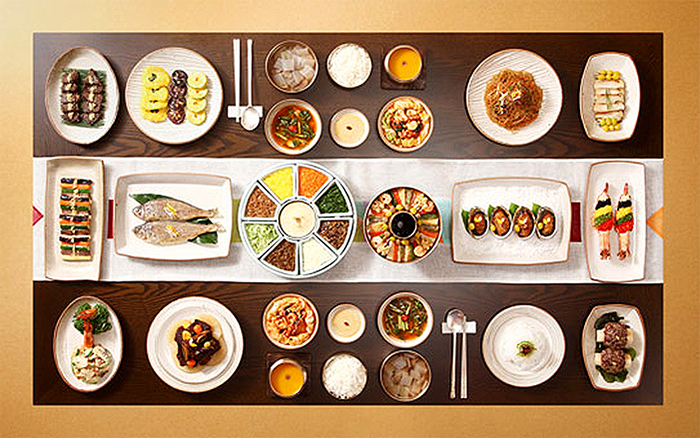
The Joseon royal court (1392-1910) codified this into the 첩반상 (cheop bansang) system: 3 cheop, 5 cheop, 7 cheop, 9 cheop, and the king's own 12 cheop. The number referred to the count of banchan beyond the basics (rice, soup, kimchi, jang sauces). Commoners ate 3 to 5 cheop. Aristocrats ate 7 to 9. The king ate 12, twice a day, with each banchan representing a different cooking method or ingredient category so no part of the body went un-nourished.
That royal grammar trickled down. Even today, when a Korean grandmother sets a table for her family, she's running the same logic: protein dish, vegetable namul, something fermented, something briny, something fresh. The Korean dietary mantra is 골고루 먹어라 (goldoru meogeora), "eat in balance," and banchan is the mechanism that makes balance physically possible at every meal.
The Five Categories You Actually Need to Know
Here's where banchan gets fun. There are hundreds of named banchan, but they sort cleanly into five families. Once you know the categories, you can read any Korean meal like sheet music.
김치류 (Kimchi-ryu, fermented): Baechu-kimchi (napa cabbage), kkakdugi (cubed radish), pa-kimchi (green onion), nabak (water kimchi). Fermented vegetables that anchor the savory-sour-spicy register. Every banchan spread has at least one. Most have two.
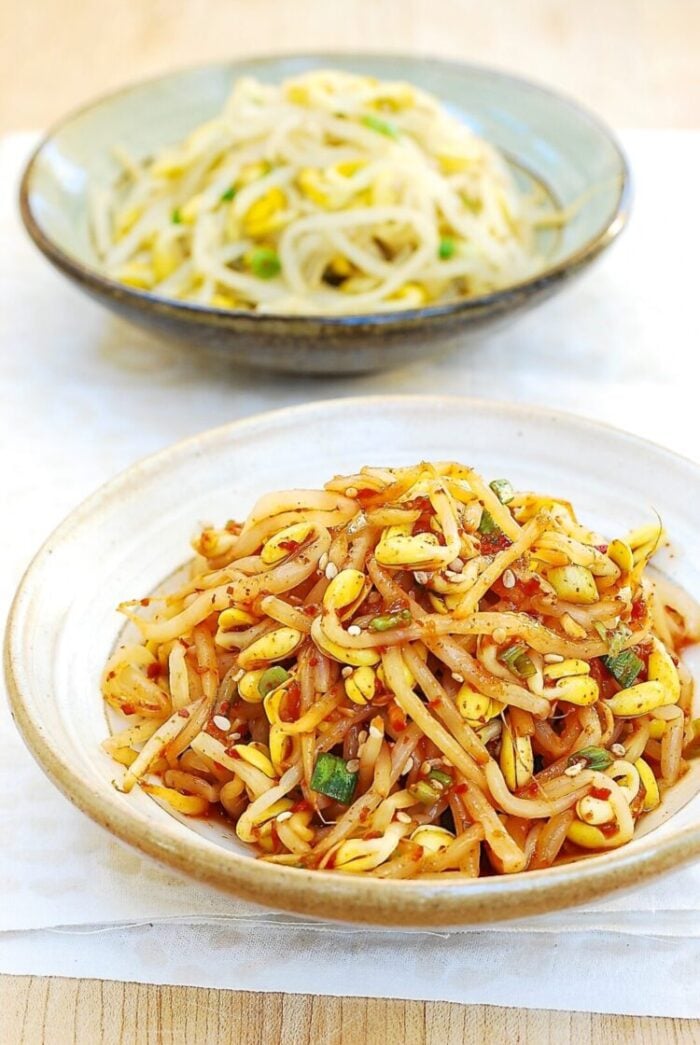
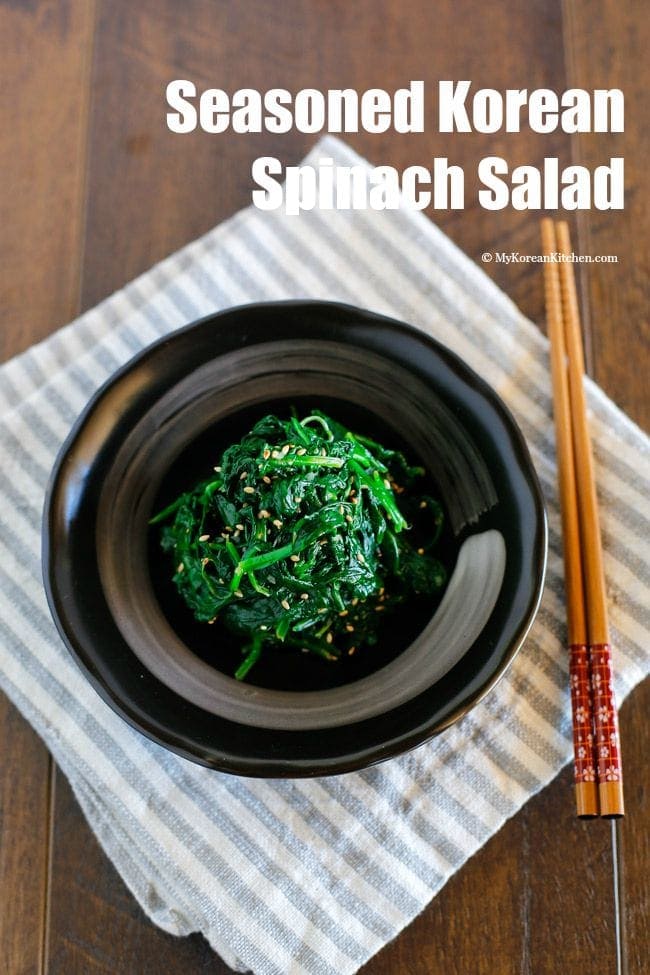
나물 (Namul, seasoned vegetables): Sigeumchi namul (spinach), kongnamul (soybean sprout), gosari (fernbrake), doraji (bellflower root). Blanched or par-cooked vegetables dressed in sesame oil, garlic, soy sauce, salt. Light, clean, the textural counterweight to fermented and braised dishes.
조림 (Jorim, braised): Jangjorim (soy-braised beef), kongjorim (sweet black beans), kkwari gochu jorim (braised shishito peppers). Slow-simmered in soy sauce and sugar until they're concentrated and slightly chewy. These hold for days in the fridge, which is why Korean households batch-prep them on Sundays.
전 (Jeon, savory pancakes): Hobakjeon (zucchini), kimchijeon (kimchi), pajeon (scallion). Egg-bound, pan-fried, crispy at the edges. Jeon doubles as banchan and as appetizer for Korean drinking culture, which is one reason every neighborhood pojangmacha (tent bar) serves a version.
장아찌 (Jangajji, pickled): Maneul jangajji (pickled garlic), kkaennip jangajji (pickled perilla leaves), gochu jangajji (pickled peppers). Soy- or vinegar-cured, intensely savory. They're the umami spike that resets your palate between bites of rice.
Why Diaspora Korean Restaurants Refused to Abandon Banchan
Here's the appeal point that explains why banchan crossed oceans intact: when Korean immigrants opened restaurants in Los Angeles, New York, Sydney, London, the economics screamed at them to drop the banchan model. Western customers wouldn't expect free refills. Labor costs in those cities were brutal. Cutting banchan to two basic dishes and charging $4 each would have made business sense.
They didn't. Almost every Korean diaspora restaurant kept the banchan spread, often a smaller version (3 to 5 dishes instead of 8 to 10) but still free, still refillable. The reasoning was identity-driven, not financial. A Korean restaurant without banchan reads as "fake Korean" to Korean customers, and Korean customers are the early base that builds the restaurant's reputation. Lose them and the place doesn't survive long enough to attract anyone else.
The second-order effect was unexpected. Non-Korean customers in K-town areas became evangelists precisely because the banchan model felt generous compared to other restaurant cultures. The free refills became the thing TikTok food creators highlight when filming K-BBQ first-timer videos. The economic burden Korean restaurants chose to keep ended up being the marketing hook that pulled in the next generation.
How to Eat Banchan Properly (and Not Be the Awkward One)
A few unwritten rules that Korean diners follow instinctively and that foreigners often get wrong. First: banchan is communal but personal-bite-sized. Take a piece with your chopsticks, eat it, take another piece. Do not pile banchan onto your rice plate like a buffet. The dishes stay where they are, you reach.
Second: pace the kimchi. Korean diners alternate kimchi with rice and protein to keep the palate balanced. Eating the entire bowl of kimchi in the first three minutes is fine but signals you don't quite have the rhythm.
Third: if you want a refill, just ask. "여기 이거 더 주세요" (yeogi igeo deo juseyo, "more of this here, please") is the phrase. The server will not be annoyed. They will be slightly pleased that you liked it enough to ask.
Fourth: never finish every single dish. Leaving a small amount in each banchan dish signals that you were generously fed and didn't need to clean the table to be satisfied. This is a soft etiquette, not a hard rule, but Koreans of the older generation read it.
The Future of Banchan: Pressure, Pushback, and Why It Won't Die
Right now Korean banchan culture is under economic pressure. Agflation has pushed cabbage and lettuce prices up 40 percent year-over-year, and small restaurant owners are openly debating whether to charge for refills. A 2026 Naver cafe poll of restaurateurs showed 38.5 percent voting in favor of paid refills, the highest that number has ever been.
But the consumer survey response was unambiguous: 81 percent of diners preferred restaurants that proactively offered refills, and 72.8 percent said they would avoid restaurants that were stingy with banchan. What's emerging as a compromise is the self-service banchan bar (look for it at gukbap chains like Sinpo Woori Mandu or Bonjuk's larger franchises) where the basic banchan is unlimited but expensive labor-intensive items might carry a small charge.
The deeper reason banchan won't disappear is that it's load-bearing for Korean cultural identity. Drop banchan and Korean food becomes "Asian food with kimchi" rather than the specific architectural cuisine that built K-content's global soft power. The K-drama dinner scenes, the BTS Jin "kongnamul" running joke, the K-pop idol cooking show that always shows them making banchan for the camera, all of it depends on the 한 상 차림 grammar holding. Korean restaurants know this even when their accountants are screaming.
Explore Korean Snacks with Daebak
Love Korean food? Get authentic Korean snacks and ramen delivered straight to your door with the SnackFever Box by Daebak.


