


Table of Contents
Walk into any Hongdae goods shop and you will see fans hunched over thin slabs of glossy paper, comparing tiny portraits of their favorite idols. These are photocards, or poca (포카) in Korean fan slang, and they have evolved from a free album insert into a global collecting craze worth hundreds of millions of dollars. What began with Girls' Generation's 2010 album Oh! is now a multi-platform economy spanning vending machines, trading apps, dedicated stores, and grading services that mirror sports card culture.
What Exactly Is a K-pop Photocard?
A photocard is a small, credit-card-sized print (typically 55mm by 85mm) featuring a single idol from a group, randomly inserted into a physical CD album. Each member usually has at least one card per version, and limited variants are tied to specific retailers like Weverse Shop, Ktown4u, or Yes24. Because fans rarely know which card sits inside the sealed album, opening one feels like a lottery, and the chase fuels repeat purchases. Agencies including HYBE, SM, YG, and JYP have leaned into this model, releasing multiple album editions per comeback to keep collectors hunting.
The Global Photocard Economy and Rare Card Values
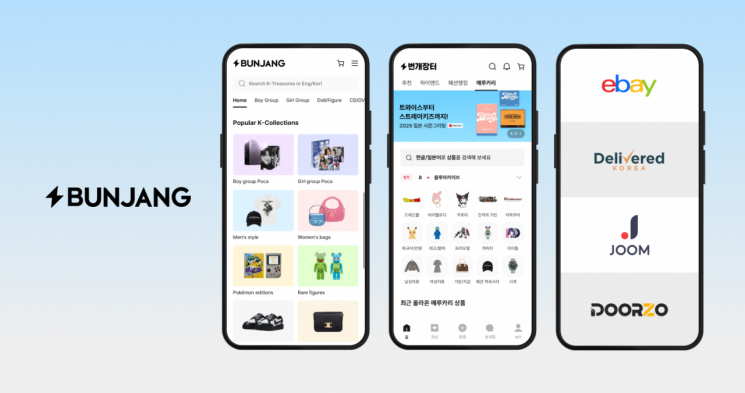
Photocards now drive a real secondary market. Rare BTS or BLACKPINK cards, especially older fan-meeting exclusives or first-press inclusions, regularly trade between $50 and $500, with the most coveted Jungkook or Jennie cards crossing $1,000 in graded condition. Resale platforms such as Bunjang (Bungaejangter) report that K-pop star goods top transaction volume on their global service, with overseas user growth of roughly 131 percent in the first year after the launch of its Global Beonjjang service in 2023, according to Asia Business Daily.

Trading Platforms: Pocamarket, Mercari Korea, Bunjang, Karrot
Pocamarket is the dedicated giant of the space, named Best K-POP Photocard Platform at the 2024 KBS N Brand Awards. Operated by Infludeo, the app pairs verified listings with international shipping via K-packet and even a grading service called Pocagrades. Bunjang and Karrot (Danggeun Market) remain the broader Korean resale workhorses for both domestic and overseas buyers, while Mercari Korea bridges Japanese fans into the same market. Each platform supports the WTT, WTS, and WTB lingo (described below) directly in listing tags.
Sleeves, Top Loaders, and Binders: Tools of the Trade
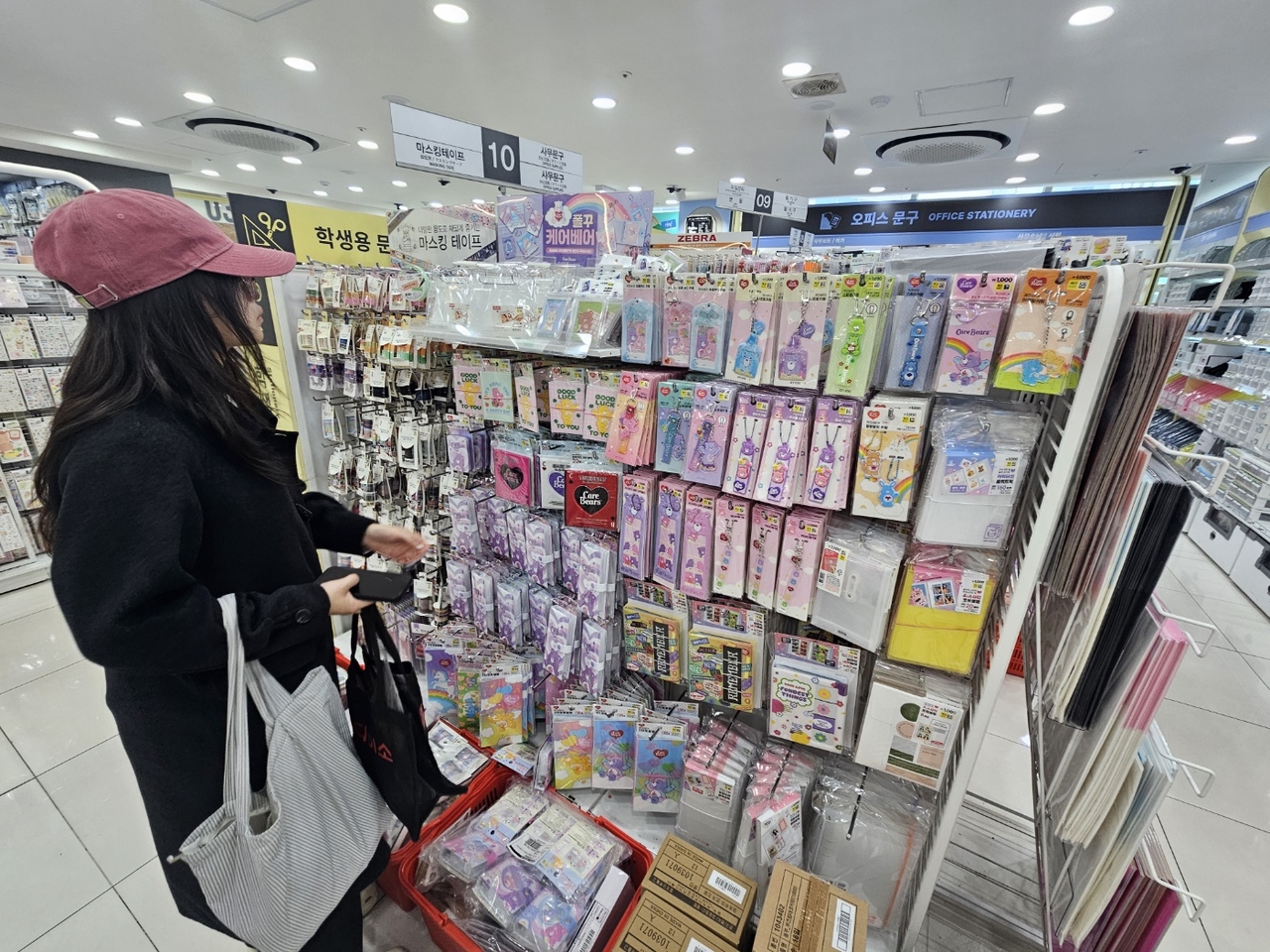
Real collectors armor their cards. Top loaders, penny sleeves, hard cases, and collect books all serve to keep paper crisp and corners sharp, since a single bent edge can erase 40 percent of resale value. PocaPark and other K-pop-focused brands dominate the premium segment, while Daiso has become the budget mecca thanks to its 1,000 to 2,000 won (about $0.70 to $1.40) sleeves, cases, and keyrings. Shops in Hongdae such as The Key World specialize in collect books, top loaders, and idol-themed photocard holders.
Poca Lingo: WTT, WTB, WTS, Holos, and Condition Grades
Step into a trading group and a new vocabulary appears. WTT means Want To Trade, WTB is Want To Buy, and WTS is Want To Sell. Mintage describes how many of a given card were pressed, with lower mintage equaling higher value. Cards are graded loosely from mint down to played, and the rarest tier is a holo (foil-finished or hologram) or signed card pulled from an in-person fansign. Some sellers reference platform-driven grades from Pocagrades, which mirror the PSA-style 1-to-10 scale familiar to baseball card collectors.
Authentication: Genuine vs Fake Photocards
As prices climbed, counterfeits flooded the market. The Korea Intellectual Property Office has seized thousands of fake photocards from Myeongdong street stalls in recent years. Genuine cards feel slightly thicker than fakes, show sharp CMYK print dots under magnification, and include subtle backside copyright text from the agency or distributor. Many veteran collectors now only trade through Pocamarket's authentication flow or buy directly from Withmuu, Ktown4u, or Weverse Shop to avoid the bootleg pipeline.

Photocard Shops in Seoul: Myeongdong, Hongdae, Gangnam
Seoul has become a pilgrimage city for poca hunters. In Hongdae, Pokaboo runs photocard vending machines, PocaSpot from Pocamarket offers same-day pickup of over 2 million cards, and Withmuu AK Plaza Hongdae stocks signed CDs and lightsticks. Myeongdong is home to the K-Mecca flagship and a 12-story Daiso filled with decoration supplies, with Pocamarket opening its second PocaSpot here in 2024. Gangnam hosts Ktown4u COEX, a multi-floor playground for K-pop fans connecting albums to fansign draws.
Lucky Draw, Pre-Orders, and Fan Engagement
Korean idol agencies use exclusive photocards as the engine of fan engagement. Pre-orders through Weverse Shop, Apple Music Korea, or local CD chains each come with a different POB (Pre-Order Benefit) card. Retailers like Aladin or Yes24 then run lucky draws, where every purchased album earns one ticket toward a video call or fan sign with idols. The Korea Times reports fans regularly spending 3 million to 10 million won (roughly $2,200 to $7,300) on bulk albums just to raise their lucky-draw odds, with many copies later resold or discarded after the keeper photocard is pulled.
Why Photocards Matter to K-pop Fandom
Photocards function as more than collectibles. They turn fandom into something tactile, tradeable, and shareable, anchoring digital love for an idol in a physical object you can decorate, swap with a stranger in Hongdae, or carry on your bag in a clear holder. The poca economy also serves agencies, since random inserts drive multi-album purchases, lift first-week sales, and create natural social media moments when fans show off rare pulls. For Gen Z fans worldwide, the photocard has become the totem of K-pop participation itself.
Explore More of Korea with Daebak
Want to bring a little piece of Korea into your life? The Daebak Box is packed with the best Korean snacks, ramen, and cultural goodies delivered monthly to your door.


