


Table of Contents
Squid Game is the Korean Netflix series that did the impossible: it became the most watched non-English-language show in Netflix history, won six Emmys, and pushed K-content into permanent global prime time. Across three seasons released between 2021 and 2025, creator Hwang Dong-hyuk's dystopian thriller has built a complete trilogy about debt, desperation, and the Korean children's games that adults rediscover under the worst possible circumstances.
This guide walks through everything worth knowing about Squid Game: the premise, all three seasons, the Korean childhood games featured in the show, the cultural references international viewers often miss, and what the series says about modern Korean society.

What Is Squid Game?
Squid Game is a Korean survival thriller drama created and directed by Hwang Dong-hyuk and produced by Netflix. The series follows 456 deeply indebted Koreans who are recruited to compete in a secret tournament of six Korean children's games. Each game is played with a deadly twist: losers are eliminated, sometimes literally, until one player remains and takes home a prize of 45.6 billion won (roughly $33 million USD).
The lead character is Seong Gi-hun (player 456), played by Lee Jung-jae, an unemployed driver and gambling addict whose decision to enter the games becomes the moral center of all three seasons. Other key recurring characters include Front Man (Lee Byung-hun), the masked overseer of the games, and the mysterious old man known only as Oh Il-nam (player 001) in season one.
Season 1: The Original 2021 Phenomenon
Squid Game season one premiered on Netflix on September 17, 2021. Within four weeks it had become the most-watched Netflix series in history, accumulating over 1.6 billion hours of viewing. The first season covers nine episodes and follows Gi-hun through all six original games: Red Light Green Light, Dalgona (Honeycomb), Tug of War, Marbles (Gganbu), Glass Bridge, and the final Squid Game itself.
The season's success was driven by three things at once: a tightly written script, the visual design of the pink-suited guards and the dorm-staircase set, and the global novelty of Korean children's games being weaponized as life-or-death tests. Squid Game effectively introduced millions of international viewers to dalgona sugar candy, jegichagi, and Korean schoolyard rules that are otherwise specific to growing up in Korea.
Season 2: The Return of Gi-hun
Squid Game season two arrived on December 26, 2024, three years after the first season. Picking up two and a half years after the original ending, Gi-hun returns to Korea after his aborted Los Angeles trip and dedicates himself to dismantling the games from inside. He re-enters as player 456 with a singular mission: identify the Front Man and end the tournament for good.
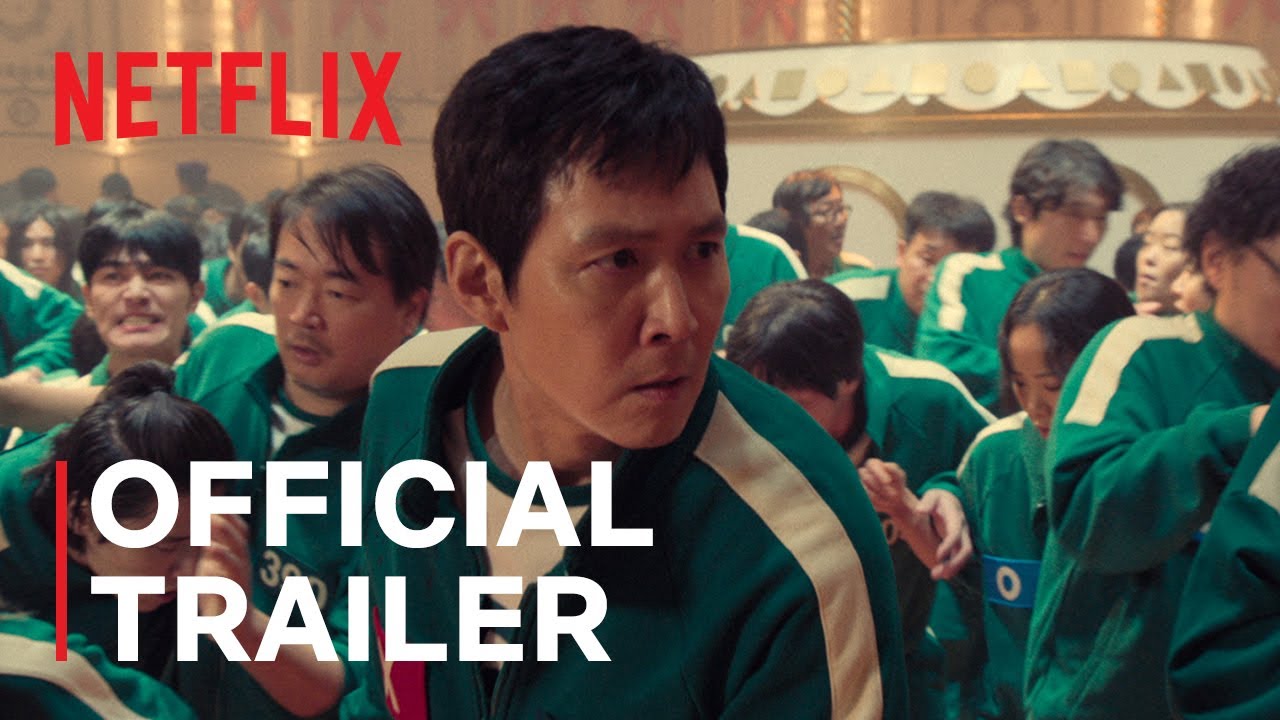
Season two introduces a major new game (a Russian roulette opening between Gi-hun and the Recruiter), a darker political subtext about Korean economic anxiety, and an expanded cast of player archetypes representing different parts of contemporary Korean society. The season ends on a cliffhanger that splits the player base into rebels and loyalists, setting up the third season directly.
Season 3: The Finale
Squid Game season three released on June 27, 2025, just six months after season two. The third season picks up immediately where season two ends and brings the trilogy to a definitive close in just six episodes. Without spoilers, the season pushes Gi-hun's moral arc to its furthest point, introduces a new generation of players, and stages a final confrontation between Gi-hun and the Front Man that ties back to the very first scene of the series.
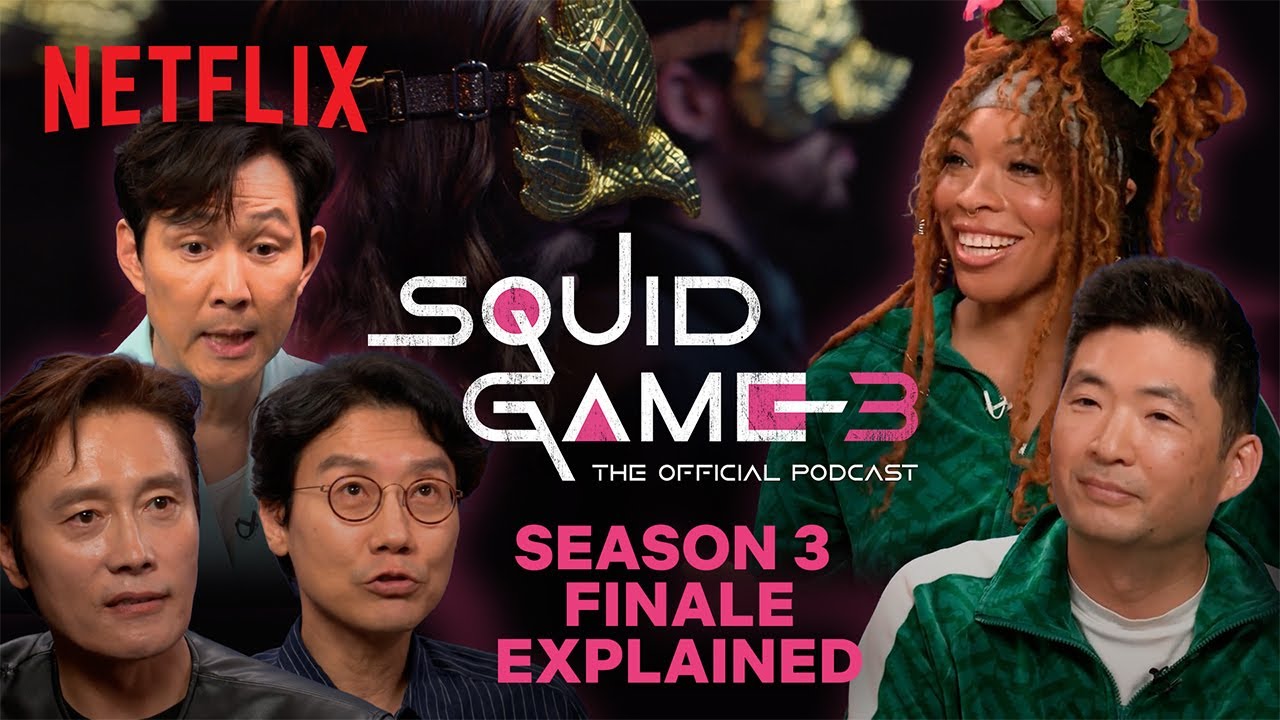
The finale was polarizing. Some viewers praised the symbolic closure and emotional weight of Gi-hun's choices; others felt the trilogy's anti-capitalist themes deserved a more definitive resolution. Creator Hwang Dong-hyuk has confirmed in interviews that season three is the true end of the original storyline, although Netflix has greenlit an English-language American spin-off series for 2026 and beyond.
The Korean Children's Games in Squid Game
Most of the games in Squid Game are real Korean childhood pastimes that most Koreans over 30 played in elementary school. Red Light Green Light (무궁화 꽃이 피었습니다, "the mugunghwa flower has bloomed") is the Korean version of the game most American kids know, with the player who is "it" turning their back during a chant and freezing the others mid-step.
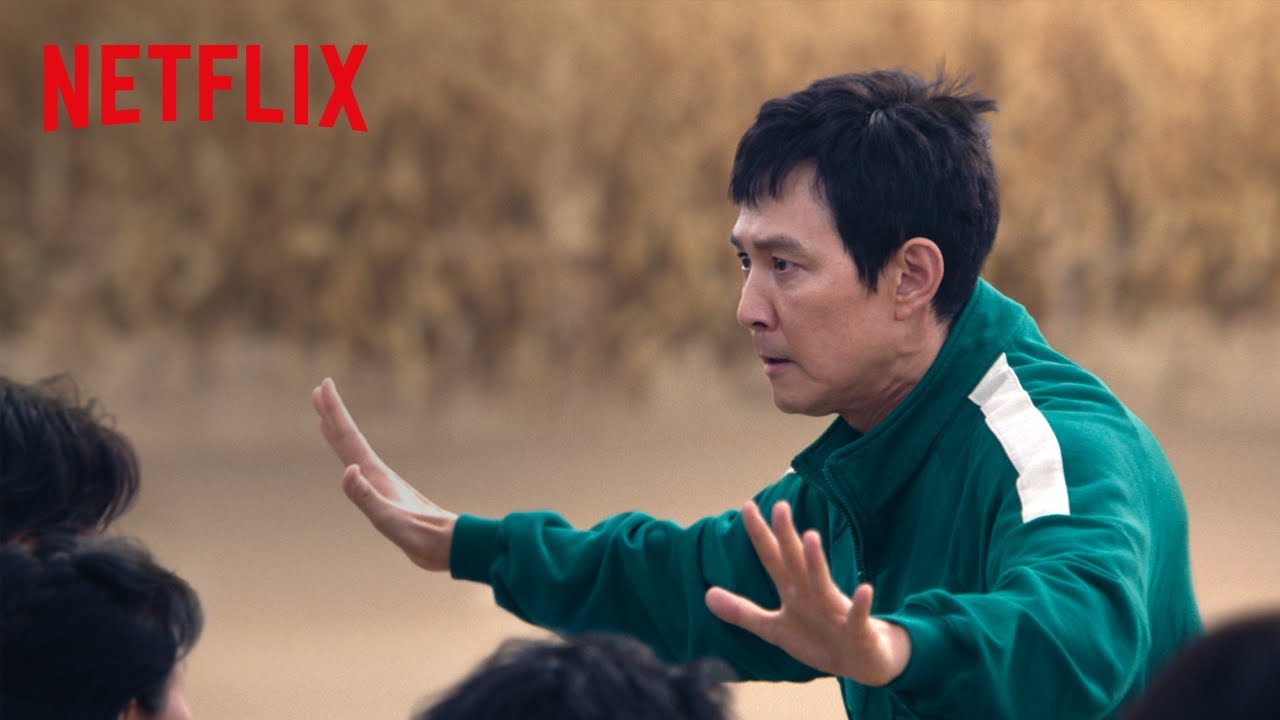
Dalgona (called Ppopgi in some regions) is the molded honeycomb sugar candy that became a global TikTok trend after season one. Other featured games include Tug of War, Marbles (Gganbu), Glass Stepping Stones, the eponymous Squid Game (a paper-drawn schoolyard game where attackers try to enter a defender's territory), and in seasons two and three, jegichagi (a hacky-sack style game), six-legged pentathlon, and a hide-and-seek round.
Cultural Subtext International Viewers Often Miss
A lot of Squid Game's emotional weight relies on Korean cultural specifics. The recruiter's ddakji game in episode one is a real-life schoolyard game in which the loser of each round had to take a slap or pay forfeits, which makes the recruiter's open hand a particularly cruel signal to a Korean viewer. The mass game-show participation of debtors also draws on real-world Korean concerns about household debt and the brutal pressure of chwiup (job-seeking) culture.
The character names also carry meaning. Seong Gi-hun roughly suggests "achieving a lower life," while Cho Sang-woo contains a character meaning "above" or "winning," foreshadowing the duo's eventual collision. The pink-and-green color palette evokes Korean theme parks of the 1990s and creates uncanny visual nostalgia for Korean millennials.
The Real-Life Impact of Squid Game
Squid Game changed Korean cultural export economics. The show generated over a billion dollars in value for Netflix, drove a 7,800 percent increase in sales of green Vans-style sneakers, and pushed dalgona kits onto store shelves around the world. Korean tourism boards reported a notable rise in international visitors specifically searching for Squid Game filming locations.

The show also spawned a controversial reality competition spin-off called Squid Game: The Challenge, which Netflix has continued into multiple seasons. While the reality format strips away most of the original show's social commentary, it does keep the green tracksuits, the pink Escher staircase, and the Korean children's games at the center of the experience.
Why Squid Game Still Matters in 2026
Squid Game is now part of the standard global K-drama canon alongside Parasite, Crash Landing on You, and The Glory. It proved that Korean content could anchor Netflix's global subscriber growth, established Hwang Dong-hyuk as one of the most important Asian filmmakers of the 2020s, and turned Korean children's games into permanent additions to global pop culture.
For new viewers, the smart watching order is season one in full, then season two and three back-to-back (they were filmed together and form one continuous story). Pair the marathon with Korean snacks like dalgona candy, samgyetang for cozy intermissions, and Pepero for the Red Light Green Light segments. The viewing experience is materially better with the right Korean snacks on the table.
Explore More of Korea with Daebak
Want to bring a little piece of Korea into your life? The Daebak Box is packed with the best Korean snacks, ramen, and cultural goodies delivered monthly to your door.


