


Table of Contents
Here is the read most Hallyu retrospectives miss. When people trace the K-culture wave from 기생충 (Parasite) in 2019 to 오징어 게임 (Squid Game) in 2021 to KATSEYE in 2024, they usually stop at the content and skip the infrastructure. The subscription boxes, the pantry-staple 케이푸드 (K-food) sellers, the K-beauty middlemen, the diaspora businesses that quietly built the shelves your favorite snacks and skincare landed on. Daebak, the parent company behind SnackFever, K-Beauty Box, Daebak Box, and SULSUL, is one of the earliest of those infrastructure plays. Founded in 2013, five years before Parasite won Cannes and eight years before Squid Game hit Netflix, it is one of the last stories still being told properly. This is the industry read on how a Korean American 창업 (startup) idea grew into a global K-culture brand family whose subscriber base tripled during the post-2020 halo.
2013: the year a Korean American college idea became a K-culture subscription box
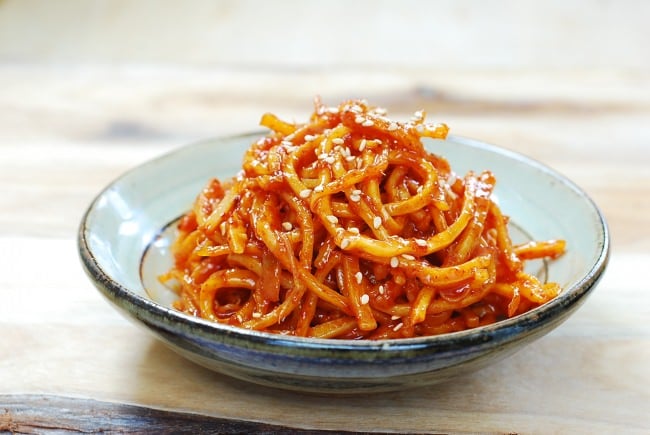
The founding story is simpler than the resulting company. Chris Kang, a Korean American, launched SnackFever in 2013 as one of the first monthly Korean-snack subscription boxes for a US audience. The premise was pantry logic. If you were a 재미교포 (Korean American) kid, you already knew the snacks (초코파이, 새우깡, 홈런볼) your family kept around, and you already knew your non-Korean friends loved them once they tried. SnackFever compressed that discovery into a monthly cardboard box. It looked like a lifestyle product. Industry-side, it was a distribution bet. Korean CPG brands had almost no direct-to-consumer US pipeline in 2013, and SnackFever built one by simply doing the sourcing, the curation, and the shipping in-house.
The timing read matters. 2013 was the year Psy's follow-up to Gangnam Style was underperforming, EXO was still climbing, and Netflix had not yet touched a Korean original. There was no mainstream 문화 교류 (cultural exchange) tailwind. K-culture existed as a passionate 팬덤 (fandom) niche, not a global category. SnackFever's early subscribers were mostly K-pop and K-drama fans who wanted the food adjacent to the content they already loved. That specificity was the moat. Any generic Asian-snack box could source Pocky. SnackFever was the one that could source the exact snacks featured on Running Man or in a K-drama scene, and could talk about them fluently in the newsletter.
2017: the rebrand to Fever Guys, and why the name change signaled the roadmap

By 2017 the company had outgrown a single-product identity. SnackFever was still the flagship, but the team was already testing K-Beauty Box and considering a broader Korean lifestyle box. The corporate rebrand to Fever Guys was the structural fix. Under Fever Guys, SnackFever became one brand among many, and the parent company gained the freedom to launch categories (beauty, lifestyle, liquor) without forcing every subscriber acquisition into the snack frame. Anyone who has watched a niche DTC business try to expand knows the tax of a category-locked brand name. Fever Guys removed that tax cleanly.
Later, the parent restructured again around the Daebak name, which is the version most current subscribers know. 대박 (daebak) is the Korean expression for "jackpot" or "awesome," and it works both as a product-experience word and as a brand promise. The sub-brand family stabilized around four verticals. SnackFever for monthly Korean snacks. K-Beauty Box for skincare and cosmetics. Daebak Box for lifestyle-plus-snacks-plus-pop-culture curation, which became the flagship. SULSUL for Korean liquor (소주, 막걸리, craft) shipped to markets where the licenses allow. That four-brand structure is what makes Daebak a K-culture holding play rather than a single-product box.
The post-2020 halo: 300 percent subscriber growth in three years

What happened next was the halo effect that anyone tracking Hallyu saw coming. Parasite won Best Picture in February 2020. Squid Game broke Netflix records in September 2021. BTS did the UN speech, the Grammy nominations, the stadium tours. K-beauty crossed into Sephora shelves in a way it had not before. K-food went from ethnic-aisle novelty to Trader Joe's endcap. Daebak's subscriber base grew by more than 300 percent between 2020 and 2023, according to the company's own reporting, and the growth was not evenly distributed. New markets outside the traditional US and Canada base (Brazil, Germany, the UAE, the Philippines) drove disproportionate share. By 2024 Daebak was shipping to more than 60 countries.
The industry read on that growth: it was infrastructure demand catching up to content demand. When a viewer finishes a K-drama at 2 a.m. and wants the exact ramyeon the lead was eating, someone has to have the pantry ready and the shipping lane open. Daebak had spent seven years building that lane before the demand curve went vertical. That is why the growth numbers landed for them and not for the dozens of me-too Asian-snack boxes that launched in 2021 and 2022 chasing the trend.
The 100K community and the unboxing 팬덤
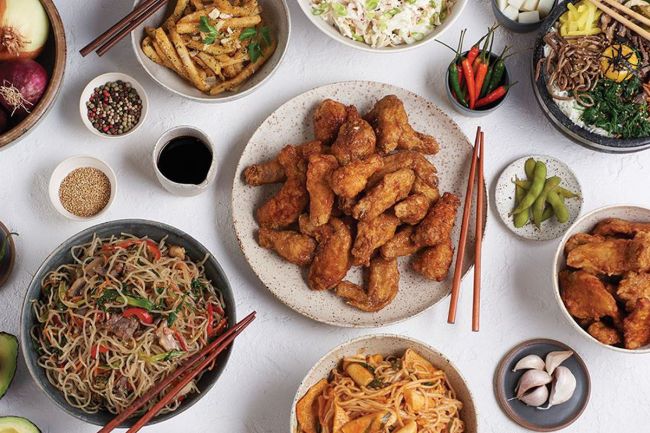
Daebak's 100K-plus social followers are not a vanity number. They are the acquisition engine. Subscription-box economics live and die on unboxing content, and Daebak's community reliably produces it. Every month a new box ships, and every month a share of subscribers post the reveal on TikTok, Instagram Reels, and YouTube. The 팬덤 does the marketing for free because unboxing is a genuinely fun format and Daebak's curators are good at packing the box with at least one surprise item that begs to be filmed. That flywheel is one of the reasons the brand has grown faster than its ad spend would suggest.
The 창업 foresight read: 2013 was not luck
Here is where the insider view diverges from the media narrative. Most write-ups of Daebak treat the 2020 to 2023 boom as the story, with the founding as prologue. Read from the industry side, the 2013 launch is the story. Chris Kang and the early team saw the K-culture wave building years before it went mainstream, and they built the pantry infrastructure to catch it. That is 창업 foresight in the exact form the Korean startup ecosystem prizes: pick the category before the category is a category, build the boring logistics, and be ready when the content wave hits. Daebak's ten-plus year journey aligned perfectly with K-content mainstreaming because it was engineered to. That is not luck. That is a well-timed 문화 교류 bet.
Bring the Daebak Journey Home with Daebak Box
If this history made you want to actually try the shelf Daebak has been building since 2013, the Daebak Box is the flagship. Curated Korean snacks, lifestyle picks, K-beauty samples, and pop culture goods, shipped monthly to your door. It is the same 대박 experience the community has been unboxing for a decade, delivered to more than 60 countries. The easiest way to step inside the K-culture 팬덤 without booking a Seoul flight.


