


Table of Contents
韓国ヒップホップは、しばしばKヒップホップまたは単にKラップと略され、1990年代後半のソウルのニッチなアンダーグラウンドシーンから、韓国ポピュラー音楽の中で最も影響力のある潮流の一つへと成長しました。その主流への進出は、Mnetのラップコンペティション「Show Me The Money」、AOMGやH1ghr Musicのような有力レーベル、そしてイ・ヨンジに代表される新世代のスターたちによって大きく推進されました。このガイドでは、現代のKヒップホップシーンを特徴づけるアーティスト、番組、レーベルについてご紹介します。
1990年代後半のパイオニア:Drunken Tiger、Tiger JK、Yoon Mi-rae
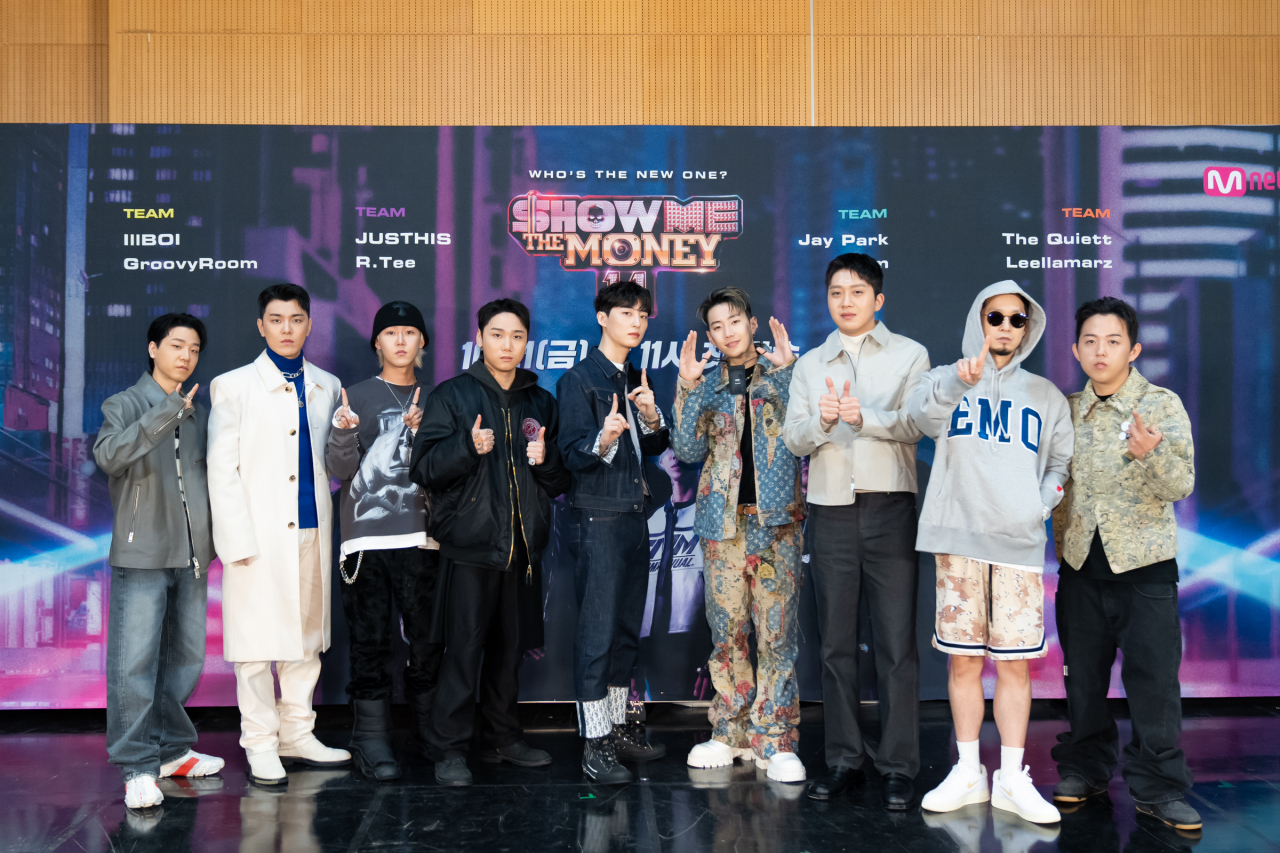
現代の韓国ヒップホップのルーツは1990年代後半に遡り、Tiger JK(ソ・ジョンゴン)率いるデュオDrunken Tigerの登場にあります。彼の1999年のデビューアルバム『Year of the Tiger』は、バラードと第一世代アイドルポップが支配する市場に、生々しい韓国語ラップを導入しました。Tiger JKは後に、バイリンガルなフロウとソウルフルなボーカルで伝説的な地位を確立した韓国系アメリカ人ラッパーYoon Mi-rae、そしてラッパーBizzyと合流しました。この3人はMFBTYとして活動しており、韓国メディアからはしばしばKヒップホップのロイヤルファミリーと称されています。
2000年代初頭の拡大:Epik High、Dynamic Duo、Jinusean
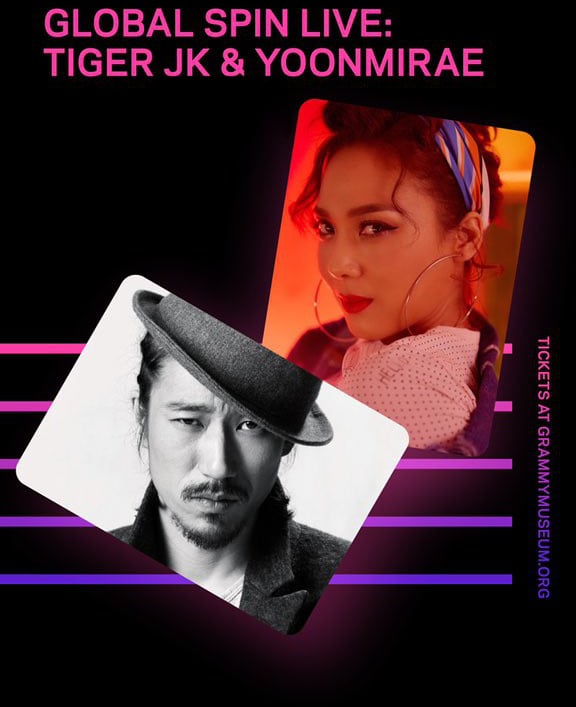
2000年代初頭から中頃にかけて、韓国のヒップホップは単一のデュオの枠を超えて広がりました。Tablo、Mithra Jin、DJ Tukutzによって結成されたEpik Highは、2003年にアルバム『Map of the Human Soul』でデビューし、「Love Love Love」や「Spoiler」などのヒット曲をリリースしました。ChoizaとGaekoのデュオであるDynamic Duoは、2006年に影響力のあるレーベルAmoeba Cultureを設立し、よりソウルフルでメロディックなKラップの系統を確立するのに貢献しました。「Tell Me One More Time」や「A-Yo」で知られるYG所属のデュオJinuseanは、ヒップホップをより広範なK-POPチャートに持ち込み、Defconnはバラエティ番組の定番となり、レコードセールスを超えて韓国ラップの人気を広めるのに貢献しました。
Show Me The Money:Kラップを変えたコンペティション
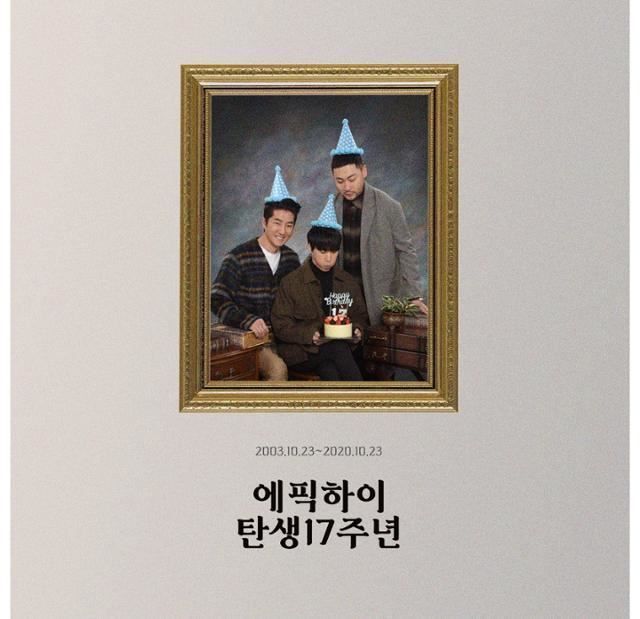
Mnetは2012年に「Show Me The Money」(SMTMと略されることが多い)を、有名プロデューサーチームと入れ替わりの参加者たちを中心としたラップコンペティションとして開始しました。この番組は10年以上にわたって放送され、かつてはマイナーなジャンルだったものを韓国の主流文化に持ち込んだと、Korea Heraldの報道で評価されています。各シーズンの優勝者にはLoco、Soul Dive、iKONのBobby、BasicK、BewhY、Hangzoo、Nafla、pH-1、Mommy Son、Lee Young-jiなどがおり、Beenzino、Nucksal、Khundi Pandaなどの主要なラッパーも番組の後半ラウンドや決勝を通じて台頭しました。プロデューサー陣にはTiger JK、Dynamic DuoのGaekoとChoiza、Dok2、The Quiett、Zico、Mad Clown、Loco、GRAY、Simon Dominic、Jay Parkなどが名を連ねています。
SMTMシーズン5とBewhYの信仰に導かれた台頭
SMTMの最も称賛された瞬間の1つは2016年に訪れました。この年、BewhYことイ・ビョンユンは、AOMGのプロデューサーであるSimon DominicとGRAYのもと、シーズン5で優勝しました。彼は最後の曲「Fake」でテキスト投票の約53%を獲得し、スタジオ観客投票ではさらに多くの票を得てタイトルを獲得しました。BewhYは優勝後、Korea Timesに、自身の信仰と自信が彼を支えたと語り、プロデューサーのGRAYは、すべてのコードとステージの細部を形作る実践的なアーティストとして彼を称賛しました。BewhYは後に自身のレーベルDPR Liveを設立し、韓国ヒップホップ界で最も尊敬される作詞家の一人であり続けています。
.jpg)
AOMGとH1ghr Music:ジェイ・パークのヒップホップ帝国
2PMの元リーダーであり、2009年にグループを脱退し、ソロラッパー兼プロデューサーとしてキャリアを再構築したジェイ・パークは、2013年にAOMG(Above Ordinary Music Groupの略)を設立しました。このレーベルには、Simon Dominic、Loco、GRAY、Hoody、Code Kunstなど、後に「Show Me The Money」の審査員を務める多くのプロデューサーが所属しました。2017年には、ジェイ・パークはCha Cha Maloneと共同でH1ghr Musicを設立し、Sik-K、Woodie Gochild、Trade Lなどのアーティストを契約し、米韓の架け橋を築きました。同年、ジェイ・パークはジェイ・ZのRoc Nationレーベルと契約した初のアジア人アーティストとなりました。AOMGとH1ghr Musicの最高経営責任者を辞任した後、2021年にはMORE VISIONを立ち上げています。

その他の主要K-ヒップホップレーベル
K-ヒップホップは、強力なインディーズレーベルのネットワークの上に成り立っています。2011年にThe Quiett、Dok2、後にBeenzinoによって設立されたIllionaire Recordsは、韓国人ラッパー所有レーベルのテンプレートを確立しました。Swingsが運営するJust Musicは、様々な時期にGiriboy、Black Nut、Nucksalと契約し、SMTMの複数の出場者の出発点となりました。San E、Verbal Jint、Phantom、BewhY、Hangzooが所属するBrand New Musicは、複数のSMTM優勝者を輩出しています。Deepflow率いるクルーでありレーベルであるVMCには、NucksalとDon Millsが所属し、よりブームバップ寄りのサウンドの普及に貢献しました。2010年代には、LoopyとNaflaを中心としたMKIT RAIN、そしてDPR LiveとDPR Ianの背後にある学際的なコレクティブDPRも登場しました。
クロスオーバーアーティスト:ZICO、BamBam、そしてアイドルラッパーの架け橋
韓国ヒップホップとK-POPは常に重なり合ってきましたが、近年その境界線はさらに曖昧になっています。Block BのリーダーZICOは自身のレーベルKOZ Entertainmentを立ち上げ、「Any Song」のようなラップ主導のヒット曲でアイドルポップとラップを結びつけました。GOT7のBamBamは、自身のソロ作品における主要な影響源として韓国ヒップホップを公言しており、ジェイ・パーク自身もアイドルからヒップホップ界のリーダーへと転身した最初の事例として知られています。Korea Heraldの報道によると、近年のSMTMシーズンでは、2014年のシーズン3で優勝したiKONのBobby、シーズン4で2位になり後にシーズン10の審査員として復帰したWinnerのMino、シーズン9に出場したStray KidsのChangbinなど、これまで以上に多くのアイドル志望者が参加しています。
女性ラッパー:Cheetah、Yoon Mi-rae、Lee Young-ji
女性ラッパーは、初期からKヒップホップを形作ってきました。Yoon Mi-raeはジャンルで最も尊敬されるベテランであり、CheetahはSMTMの女性版スピンオフ「Unpretty Rapstar」での優勝でブレイクしました。Hyeyoung、KittiB、そしてMnetの様々なラップ番組から登場した新世代のアーティストたちは、2010年代後半までその系譜を受け継ぎました。現在の旗手はイ・ヨンジで、彼女は2019年に「高校ラッパー3」で優勝し、2022年にはジェイ・パークとSlomの下で「Show Me The Money」本編で女性初の優勝者となり、歴史に名を刻みました。それ以来、彼女はヒット曲「Small Girl」で主流K-POPに進出し、バズを呼んだトーク番組「Not Much Prepared」の司会を務め、2020年代半ばの最も認知された韓国のエンターテイナーの一人となっています。

ディス・トラック、論争、そしてビーフの文化
ディス・カルチャーは、韓国ヒップホップの決定的な、時には分裂的な部分でした。注目すべきやり取りとしては、2010年代初頭のSwings対Beenzino、そして音楽的な確執を超えて名誉毀損訴訟に発展したBlack Nut対KittiBなどがあります。San Eは、2010年代後半のジェンダー戦争の議論において、反フェミニストと見なされる楽曲を発表し、批判の的となりました。SMTM自体も論争とは無縁ではなく、審査、出場者への扱い、歌詞の内容などをめぐって公の論争が起きています。Mnetのスピンオフ「高校ラッパー」は、SMTMの若者版と表現されることもありますが、独自の論争を抱えつつも、Yang Hong-won、HAON、Lee Young-jiらのキャリアをスタートさせました。
グローバル展開と視聴方法
韓国ヒップホップは今や国際的な存在感を示しています。ジェイ・パークのRoc Nationとの契約は、さらなる国際的なパートナーシップへの道を開き、AOMG、H1ghr Music、MORE VISIONのアーティストは定期的にアメリカやヨーロッパをツアーしています。SpotifyやYouTubeのストリーミング再生回数は、韓国のラッパーを世界的なヒップホップアーティストと並べています。シーンを探求するには、Melonの公式韓国ヒップホップチャート、SpotifyやApple MusicのK-POPおよびK-ヒップホッププレイリスト、SMTMステージ用のMnet公式YouTubeチャンネル、そしてAOMG、H1ghr Music、Brand New Music、VMCなどのレーベルのYouTubeチャンネルから始めることができます。
Daebakで韓国をもっと探索する
韓国の一部をあなたの生活に取り入れたいですか?Daebak Boxには、最高級の韓国のスナック、ラーメン、文化的なグッズが毎月あなたの家に届けられます。


