


Table of Contents
If you spend Chuseok in Korea, the smell of steamed pine needles will hit you the moment you walk into any Korean grandmother's kitchen. That is songpyeon (송편), the small, half-moon shaped rice cake that defines the Korean autumn harvest festival the way pumpkin pie defines American Thanksgiving. Families across Korea spend the night before Chuseok gathered around a table shaping, filling, and steaming songpyeon, and the rice cakes show up at every meal for the next three days.
This guide walks through everything worth knowing about songpyeon: what it actually is, the symbolic meaning of the half-moon shape, the most common fillings, the regional variations, the family-table tradition behind it, and where to buy it outside of Korea.
What Is Songpyeon?
Songpyeon is a Korean rice cake (tteok, 떡) made by kneading short-grain rice flour with hot water into a smooth dough, pressing small portions into round discs, filling each disc with a sweet stuffing, and then folding the dough into a half-moon shape and pinching it closed. The pieces are steamed on a bed of pine needles, which gives the finished cakes a distinctive evergreen aroma and a glossy, slightly sticky exterior.
The name itself is a clue: song (송) is the Chinese-Korean character for "pine," and pyeon (편) means "cake." The pine needles are more than tradition. They prevent the rice cakes from sticking together during steaming, add a faint resinous scent, and act as a natural antimicrobial that helps the songpyeon stay fresh for longer.
The Meaning of the Half-Moon Shape
Songpyeon's distinctive half-moon shape is a piece of Korean folk symbolism that connects all the way back to the Silla and Baekje dynasties. According to traditional folklore, the half-moon represents promise and growth. A full moon is at its peak and can only wane, but a half-moon is on its way to becoming full, which makes it a symbol of progress, harvest, and bright future.
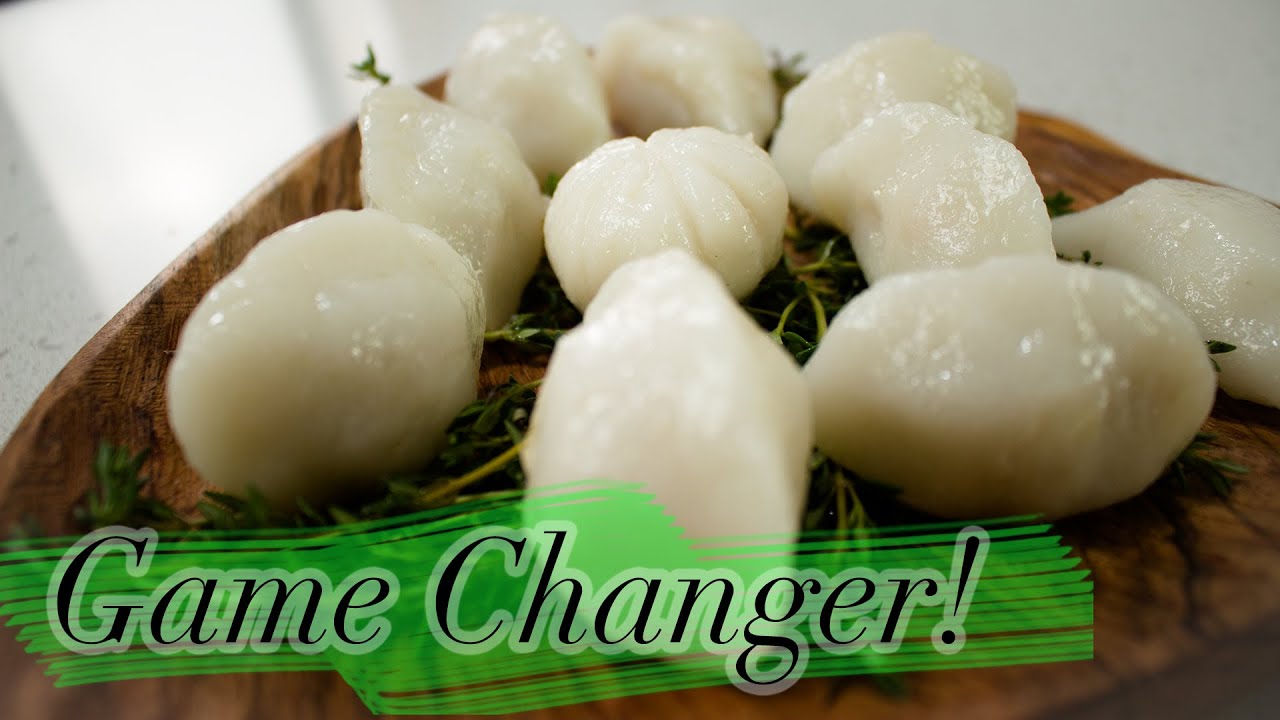
Korean folklore also says that whoever shapes the prettiest songpyeon will have a beautiful child or meet a good partner, which is why grandparents traditionally inspect each grandchild's songpyeon at the family table during Chuseok. The shaping process is the heart of the tradition, not just the eating.
Common Songpyeon Fillings
Inside the half-moon dough, songpyeon almost always carries a sweet filling. The most classic option is toasted sesame seeds tossed with honey or brown sugar, which creates a sticky, nutty paste with a faint roasted aroma when you bite in. Honey songpyeon (꿀송편) is essentially this version with a higher honey ratio.
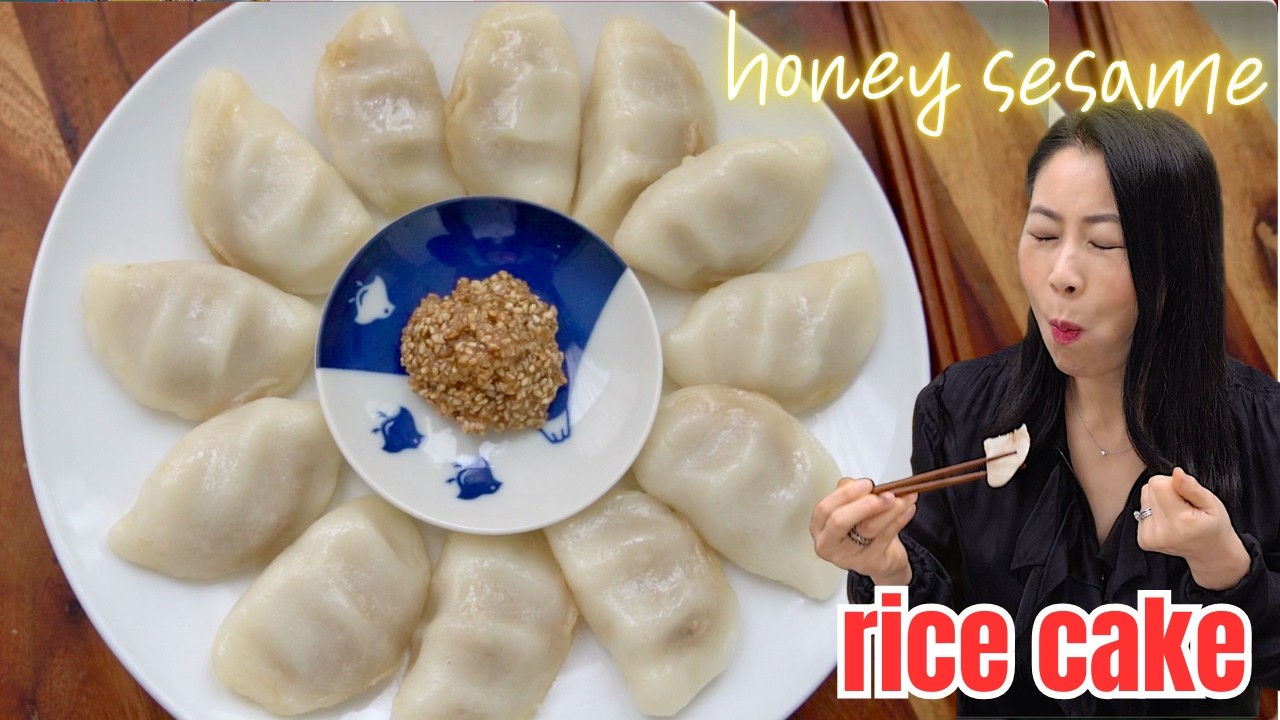
Other classic fillings include sweet red bean paste (pat), mashed and lightly sweetened mung beans, ground chestnut, sugared soybean powder (kkomul), and steamed pumpkin paste. More modern versions experiment with chocolate, fresh fruit jams, and even ice cream-style fillings, but at most family tables you will still find the traditional sesame, red bean, and chestnut options.
The Colorful Songpyeon Tradition
Songpyeon is often dyed in soft pastel colors, partly for visual beauty and partly for symbolic balance. The most common colors are pink (made with mugwort and beet root or strawberry powder), green (mugwort or matcha), yellow (pumpkin or gardenia), and the natural off-white of plain rice flour. Each batch in a basket usually includes all four colors.
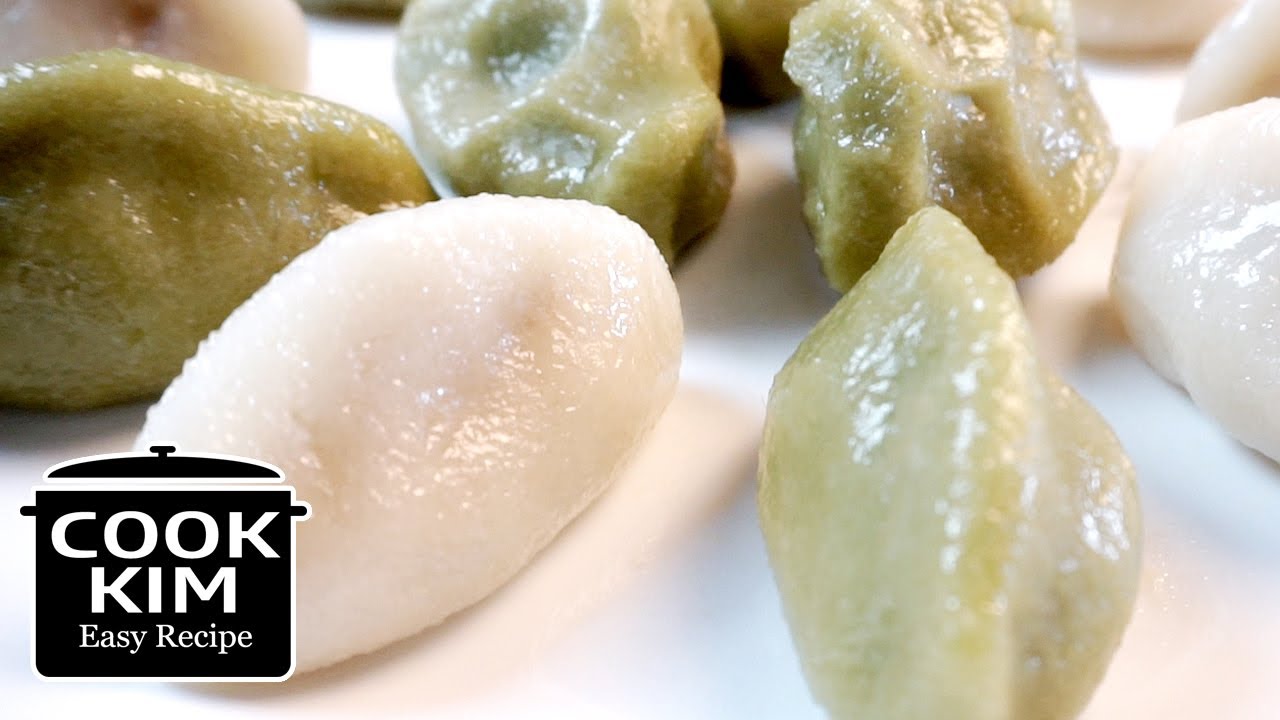
The natural dyes also reflect the harvest itself: green from fresh mugwort, yellow from pumpkin, pink from strawberry or beet root. Modern home cooks sometimes use food coloring, but the traditional approach uses pureed ingredients that also subtly flavor the dough. Strawberry songpyeon, for example, has a faintly fruity aroma that pairs well with sweet red bean filling.
Regional Variations of Songpyeon
Songpyeon styles vary noticeably from region to region across Korea. Gangwon-do-style songpyeon is often larger and rougher in shape, with potato or chestnut as the dominant filling. Jeolla-do versions are smaller, more delicate, and use pumpkin or sesame fillings most often. Pyongyang-style songpyeon, traditionally made in North Korea, is bigger and stuffed more generously, while Gyeongsang-do tends to favor a slightly chewier dough and red bean filling.
The most well-known regional specialty is ggoma songpyeon from Gangwon-do, which uses fresh acorn or potato starch in addition to rice flour and produces a denser, earthier cake. In Jeju Island, songpyeon is sometimes made larger and round rather than half-moon shaped, reflecting older island customs.
The Family Tradition Behind Songpyeon
What makes songpyeon special is not the recipe but the process. On the night before Chuseok, three generations of a Korean family typically gather at the home of the oldest relative and spend hours shaping the cakes together. Grandmothers usually lead the workflow, mothers and aunts handle the fillings, and children practice shaping under careful supervision.
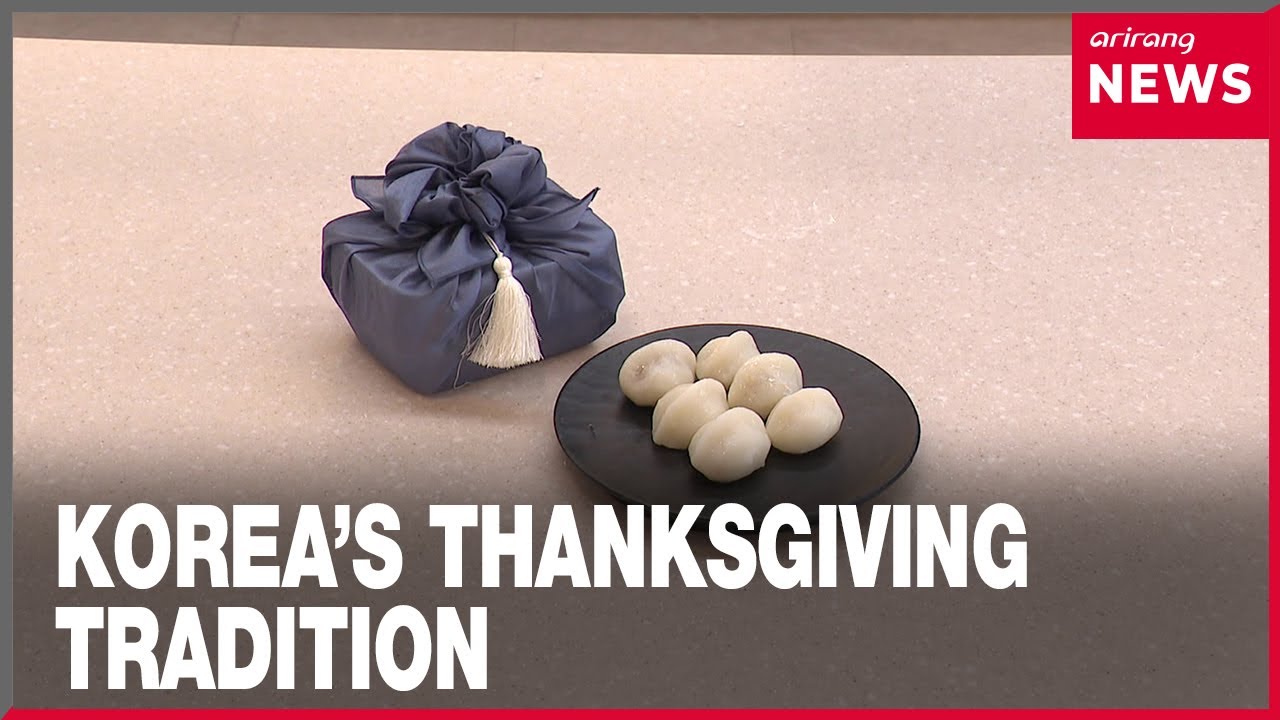
The finished songpyeon is placed on the charye (차례) ancestral memorial table along with seasonal fruits and other Chuseok foods, then shared at every family meal during the holiday. Many young Koreans say the smell of pine needles and warm rice cakes is the single strongest sensory memory they have of Chuseok and of their grandparents' home.
Where to Buy Songpyeon Outside Korea
Outside Korea, freshly made songpyeon is hard to find unless you live near a Korean rice cake shop or Korean grocery. H Mart in the US carries seasonal songpyeon trays around Chuseok (typically September or October), and many local Korean bakeries take pre-orders during the holiday window. Frozen songpyeon is available year-round in some Korean specialty stores and reheats well with a quick steam.
If you want to taste the rice cake tradition without traveling, the easiest option is to make a small batch at home with short-grain sweet rice flour and a simple sesame-honey filling. The dough is forgiving, the process is fun even without a Korean grandmother supervising, and the resulting half-moons taste remarkably close to the real thing.
Explore Korean Snacks with Daebak
Love Korean food? Get authentic Korean snacks and ramen delivered straight to your door with the SnackFever Box by Daebak.


