


Table of Contents
If you have ever stood in front of a mirror in Seoul at 2 a.m., staring at a flare-up that appeared out of nowhere, you already understand why Korean skincare treats acne and sensitivity as a single problem. The Korean umbrella term is 트러블 피부 (trouble skin), and it covers everything from cystic breakouts to redness to reactive dry patches. I have been working around Korean beauty brands and their US launches for over a decade, and the reason K-beauty keeps winning the troubled-skin conversation is not marketing. It is a very specific philosophy of 진정 (soothing) and 저자극 (low-irritation) that Western derm brands only started copying around 2020.

What "Trouble Skin" Actually Means in Korea
In the US, dermatology divides breakouts into hormonal acne, cystic acne, comedonal acne, rosacea, seborrheic dermatitis. In Korean beauty aisles, all of that gets grouped under 트러블. Olive Young has an entire wall labeled 트러블 진정 (trouble soothing) with SKUs from 30-plus brands. The reason for the merged category is honest and practical. Korean consumers rarely have just acne. They have acne plus a compromised barrier, plus mask-triggered redness, plus reactive dryness from cold winters and humid summers. Fixing one without the others just moves the problem around.
That framing is why a Korean acne routine looks nothing like the Western one. Instead of stripping the skin with benzoyl peroxide and salicylic acid then trying to patch the barrier back together, the Korean approach starts from calm-and-protect and then layers in actives at low, tolerable doses. The appeal point for global fans is honest results without the raw, peeling face you get from a US derm's "acne kit." That is why COSRX, Isntree, Pyunkang Yul, and Beauty of Joseon own so many shelves at Sephora and Ulta right now.
The 시카 (Cica) Ingredient That Rebuilt an Industry
시카 comes from Centella asiatica, or 병풀 in Korean. The active molecules are madecassoside, asiaticoside, and madecassic acid. Traditional Korean pharmacy has used 병풀 for wound healing since Joseon-era 한의학 texts. When Dr.G launched the Red Blemish Cica Soothing Cream in 2016 and Purito followed with the Centella Green Level Buffet Serum in 2017, the ingredient went from niche derm-prescription tier to must-have Olive Young hero product inside 18 months.
Why did cica work when the market already had ten anti-inflammatory ingredients? Two reasons. First, the science is solid, madecassoside genuinely reduces TGF-beta signaling and calms visible redness in about 72 hours per most Korean clinical trials I have seen circulated. Second, the storytelling was cultural. 병풀 has a "tiger grass" folk name in Korea (호랑이풀), from the myth that wounded tigers rolled in it to heal. That legend gave brands a marketing hook Western derm ingredients never had, which is why Innisfree, Skinfood, Round Lab, and even LG H&H rushed cica variants into their lineups by 2019.
The Post-COVID Mask Acne Boom (and the Pivot That Followed)
Around mid-2020, Korean dermatology clinics reported a surge in what patients called 마스크 트러블. Adults who had not broken out since college were coming in with jawline cysts and rosacea flare-ups from KF-94 mask friction. Amorepacific and LG H&H both told analysts on 2021 earnings calls that troubled-skin SKUs jumped 30 to 45 percent year-on-year. Peach & Lily's Glass Skin Refining Serum, Krave Beauty's Great Barrier Relief, and Numbuzin No. 3 Skin Softening Serum were all reformulated or launched during this window to specifically target mask-adjacent irritation.
What is interesting from an industry angle is how quickly Korean brands responded compared to Western competitors. Amorepacific was pushing revised formulas through Innisfree by December 2020, less than eight months after the first flare-up spike. La Roche-Posay took closer to two years for a comparable product refresh. The speed advantage traces to the Korean brand structure. Big holding companies like Amorepacific and LG own vertically integrated R&D, so a dermatologist's clinical observation in 강남 can feed directly into a new SKU without waiting for a European lab cycle.
The 5-Step Trouble-Skin Routine, Simplified
K-beauty's fabled 10-step routine is a red herring for troubled skin. For anyone actively dealing with breakouts and sensitivity, the working consensus in Seoul dermatology circles is closer to a lean 5-step:
- Foam cleanser (약산성 low-pH): COSRX Low pH Good Morning Gel Cleanser or Pyunkang Yul ATO Wash-Off Foam Cleanser. Both sit around pH 5.5, which is close to healthy skin's natural pH and does not strip.
- Essence toner: Pyunkang Yul Essence Toner or Isntree Hyaluronic Acid Toner. Hydrates without any of the drying alcohols older Korean toners used.
- Soothing essence: COSRX Advanced Snail 96 Mucin Power Essence or Purito Centella Green Level Buffet Serum. This is the calm-and-protect layer.
- Targeted serum (only if actively breaking out): Some by Mi AHA-BHA-PHA 30 Days Miracle Serum or Isntree Chestnut BHA. Used 2 to 3 times a week, not nightly.
- Cream: Dr. Jart+ Ceramidin Cream or Beauty of Joseon Dynasty Cream. Locks in everything above.
Skip the 10 layers when your skin is angry. Give the barrier what it needs to actually heal. That is the whole philosophy.

Why the Korean Derm-Cosmetic Bridge Beats Pure Cosmetics
Here is a piece of industry context most Western consumers miss. A big chunk of Korea's troubled-skin brands are technically 제약회사 (pharmaceutical company) spin-offs or partnerships, not pure cosmetics houses. Dr.G, Rejuran, Aestura (Amorepacific's derm arm), and Real Barrier all have direct ties to derm-clinic R&D pipelines. Even Cell Fusion C, one of the 19 brands launching inside 580 Sephora US locations this month, was founded by a Korean dermatologist. That makes clinical validation the baseline, not the marketing bonus.
The Korean regulator, MFDS, also has a separate 기능성화장품 (functional cosmetics) certification tier that Western markets do not directly mirror. To carry claims like "acne care" or "wrinkle improvement," a Korean brand has to submit clinical data. That regulatory pressure quietly filters out the "sprinkle some niacinamide and call it a spot treatment" nonsense that clutters Amazon. Consumers of course do not read regulatory filings, but they feel the difference at the shelf. That is a real reason Korea Herald's March 2026 report on the K-beauty market noted that ingredient credibility now beats brand power as the primary purchase driver.

The Brands That Actually Deliver
If you narrow down to what dermatologists in 압구정 and 청담 actually recommend for trouble skin, the list is shorter than the internet suggests. Here is the honest working list, filtered through what I hear from Korean brand PR contacts and derm-clinic RA (research associate) friends:
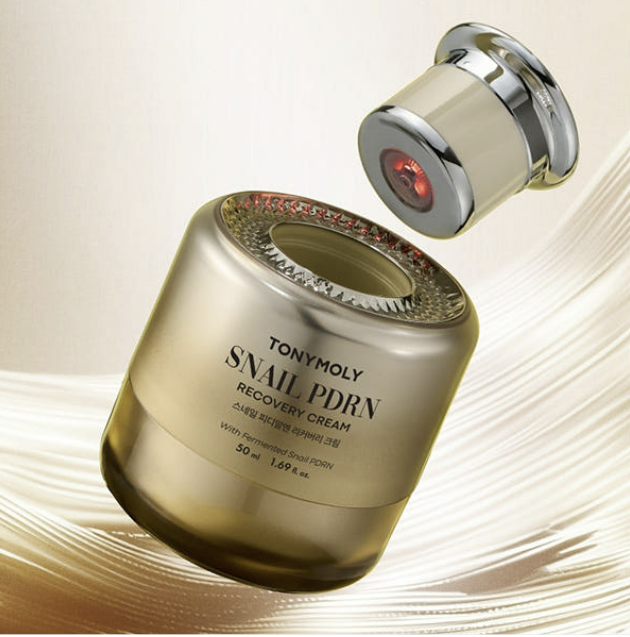
- COSRX: Advanced Snail 96 Mucin Power Essence and BHA Blackhead Power Liquid. Snail mucin from land snail secretion has genuine growth-factor content that speeds barrier repair.
- Isntree: Hyaluronic Acid Toner Plus and Chestnut BHA Clear Serum. The formulator, Kim Bok-jin, is ex-Amorepacific R&D. His formulas are famously minimalist.
- Pyunkang Yul: Started as an offshoot of Pyunkang Han-bang Clinic (a Seoul TCM practice). Essence Toner has 91 percent Coptis japonica extract, a traditional 한약 anti-inflammatory.
- Beauty of Joseon: Their Relief Sun uses rice extract and probiotics, and it is one of the few Korean sunscreens with a mineral filter gentle enough for post-procedure skin.
- Krave Beauty: Founded by Liah Yoo, ex-Memebox. Great Barrier Relief is straight-up the best barrier serum I have used on sensitized skin.
- Peach & Lily: Founded by Alicia Yoon, Korean-American aesthetician. Reformulated the US-Korea bridge with cleaner labeling that plays well at Ulta and Sephora.
What all six brands share is a specific philosophy around ingredient transparency. Full percentage disclosure on hero actives, patch-test data on the product page, and no fluff-marketing "moon dust" ingredients. That transparency is the Korean troubled-skin category's actual moat.
How to Actually Get These Products If You Are Outside Korea
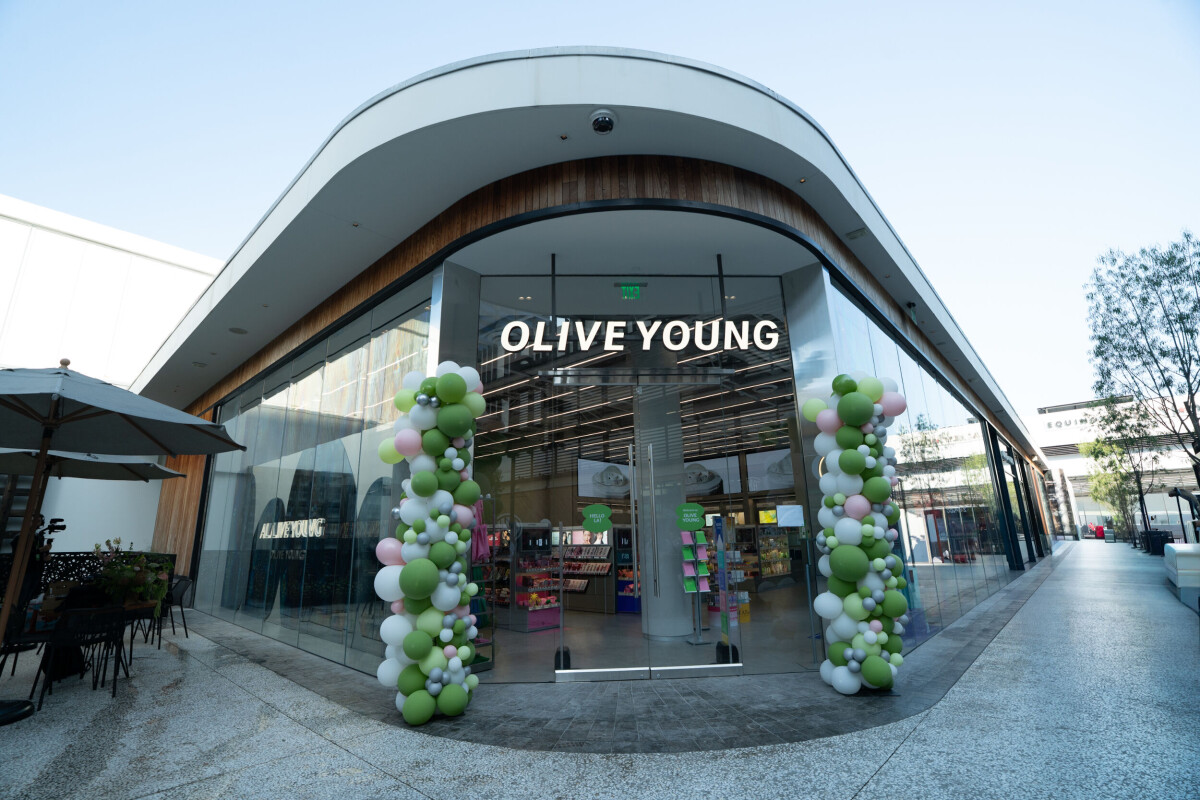
Access has changed dramatically in the last two years. As of August 2026, CJ Olive Young launched its curated 150-product K-Beauty Edit inside about 580 Sephora US stores, including troubled-skin heavy hitters like Torriden's hydrating serum and Rejuran's PDRN ampoule. That is on top of the two stand-alone Olive Young stores in California and the growing distribution at Ulta, Amazon, and Yesstyle. If you live in the US, you can now walk into a Sephora and get a K-beauty routine off the shelf, which was impossible even 18 months ago.
For readers outside the US, the Korean segment is expanding into Singapore, Malaysia, Thailand, and Hong Kong Sephora locations by end of 2026, with UK, Canada, Australia, and the Middle East planned for 2027. If you cannot wait or you want the smaller indie brands (Numbuzin, Anua, Round Lab, Torriden), the fastest route is still a curated Korean subscription box. That is genuinely why we built the Daebak K-Beauty Box. Every box gets sourced by our team in Seoul with a focus on the exact troubled-skin category we just walked through: 시카 essences, snail mucin serums, low-pH cleansers, and the barrier-repair creams that actually earn shelf space at Olive Young.
If your skin has been fighting you, stop treating acne and sensitivity as separate problems. That framing is why so many Western routines fail. Start with 진정, layer in actives at doses your barrier can handle, and give the routine six to eight weeks. Trouble skin does not have a quick fix, but the Korean approach is the closest thing to one that exists in beauty right now.


