


Table of Contents
Every spring the Korean hip-hop scene has one weekend that functions less like a music festival and more like a credential check. That weekend is HiphopPlaya. Held on April 27 and 28, 2019 at Nanji Hangang Park along the Han River in Seoul, the festival returned for its fourth year with a two-day lineup that read like a who's who of Korean rap. Zico, Beenzino, DEAN, DPR Live, Changmo, Soma, and a rotating cast from AOMG, Illionaire, and Just Music took the outdoor stage from noon until 9 p.m. Tickets ran roughly 70,000 to 100,000 won for a single day, about 150,000 won for the two-day pass. If you were in Seoul that April, this was the weekend.
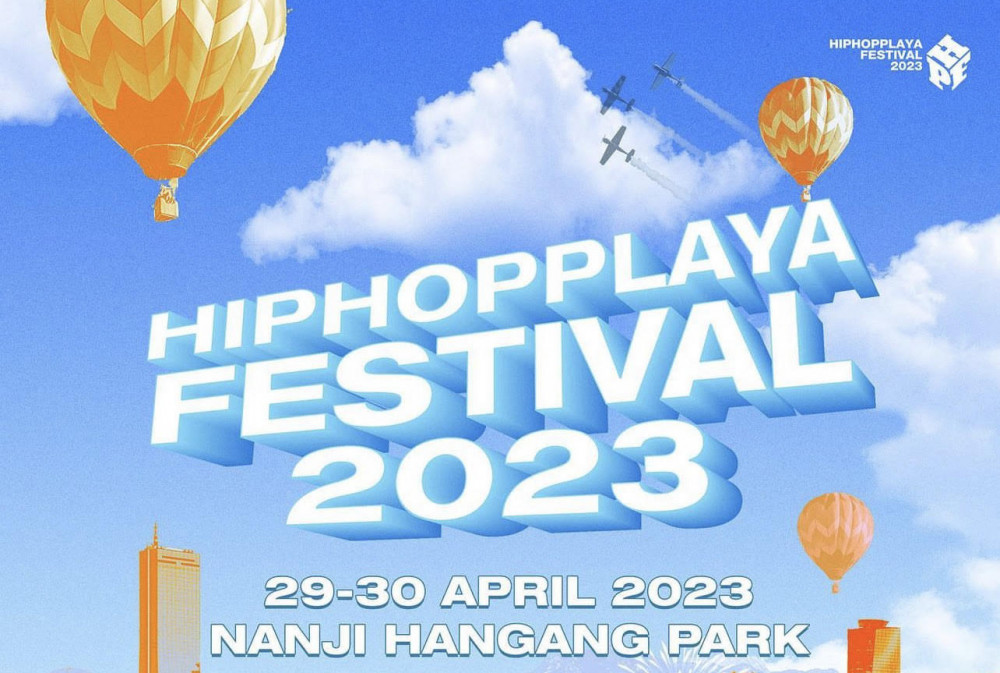
I've been working around Korean music for over a decade, and here's the thing most Western coverage gets wrong: HiphopPlaya is not the Korean Coachella. It never tried to be. The reason it matters is exactly the opposite. It's the annual anchor event of a media platform (hiphopplaya.com) that has been documenting the Korean rap scene since 2005, back when 힙합 was still fighting for radio play alongside ballad singers and idol groups. When Zico or Beenzino agree to book HiphopPlaya, they aren't chasing a paycheck. They're paying rent to the community that built them.
Why the 2019 lineup was quietly a statement
Look at who showed up in 2019 and you can read the entire map of Korean hip-hop label politics that year. AOMG and its global sister label H1GHR MUSIC sent the Jay Park orbit: Simon Dominic, Loco, Gray, and the H1GHR roster. Illionaire Records veterans The Quiett, Dok2, and Beenzino repped the boutique-label ethos they've protected since 2011. Just Music sent Changmo, then in the middle of a viral run off his single "METEOR." Then there was the pop-adjacent wing: Zico stepping outside Block B, DEAN drifting between R&B and moody hip-hop, Crush turning the crowd into a live choir on the choruses.

Why does that mix matter? Because Korean hip-hop bifurcated hard after 2015. On one side you have Mnet's Show Me The Money franchise, a survival show that funnels rappers straight into K-pop fandom infrastructure. Instant fame, instant streaming numbers, and a hit ceiling somewhere around 2 to 3 million MelOn plays. On the other side you have the underground and boutique labels that built their brands on skepticism of exactly that machine, keeping rosters small on purpose. The Quiett has said in interviews that Illionaire kept its lineup tight so artists were their own bosses instead of splitting profits with a corporate machine. HiphopPlaya sits in the middle and books both. That's the whole trick. A rapper who won't touch Show Me The Money can still cash their credibility check on the HiphopPlaya stage, and a chart-topping idol-rapper like Zico can prove he still has bars for the purists.

The atmosphere: not a rave, not a stadium show
People new to Korean festivals sometimes expect Nanji Hangang Park to feel like a Western outdoor rave. It doesn't, and that's part of the appeal. The venue is a wide riverside field along the Han, with food stalls run by local Seoul vendors selling everything from tteokbokki to Korean fried chicken skewers and 소주 (soju) slushies. Groups sprawl on picnic mats between sets. Fans line up for merch drops and, if lucky, artist fan-signings that pop up without much warning between stage rotations. The dress code trends closer to Seoul streetwear than California music-festival cosplay: oversized tees, cargo shorts, Nike Air Force 1s, and enough gold chains to make you wonder how the metal detector didn't complain.
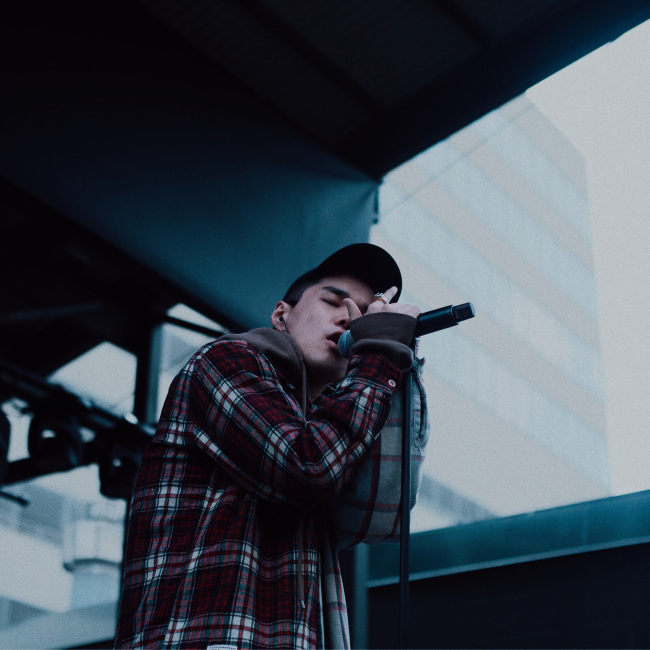
The show runs from noon to 9 p.m., which is not a coincidence. Seoul City tightens outdoor amplified sound after 10 p.m. along the Han, so headliners get the golden-hour twilight slot. If you've been to the festival, you know the visual: sun going down over the river, Jay Park or Zico working the crowd, cameras up, and the entire outdoor field bathed in that specific pink-orange light that only the Nanji riverbank gets in late April.
The credibility layer that outsiders miss
Here's the industry mechanic most fan blogs skip. HiphopPlaya is essentially a public loyalty test. Rappers who consistently book it (Beenzino, Dok2, The Quiett, Jay Park, Loco) are viewed as scene loyalists, no matter how commercial their singles get. Rappers who avoid it too many years in a row get side-eyed by 힙합 forum users on DC Inside and Instiz as sold out or too idol-adjacent. That's why you see BTS's Suga occasionally cameo on cypher tracks connected to HiphopPlaya-orbit rappers, and why Zico, once written off by some purists as an idol dabbling in rap, keeps showing up on this specific stage. Booking HiphopPlaya doesn't just fill a weekend. It resets the credibility clock.
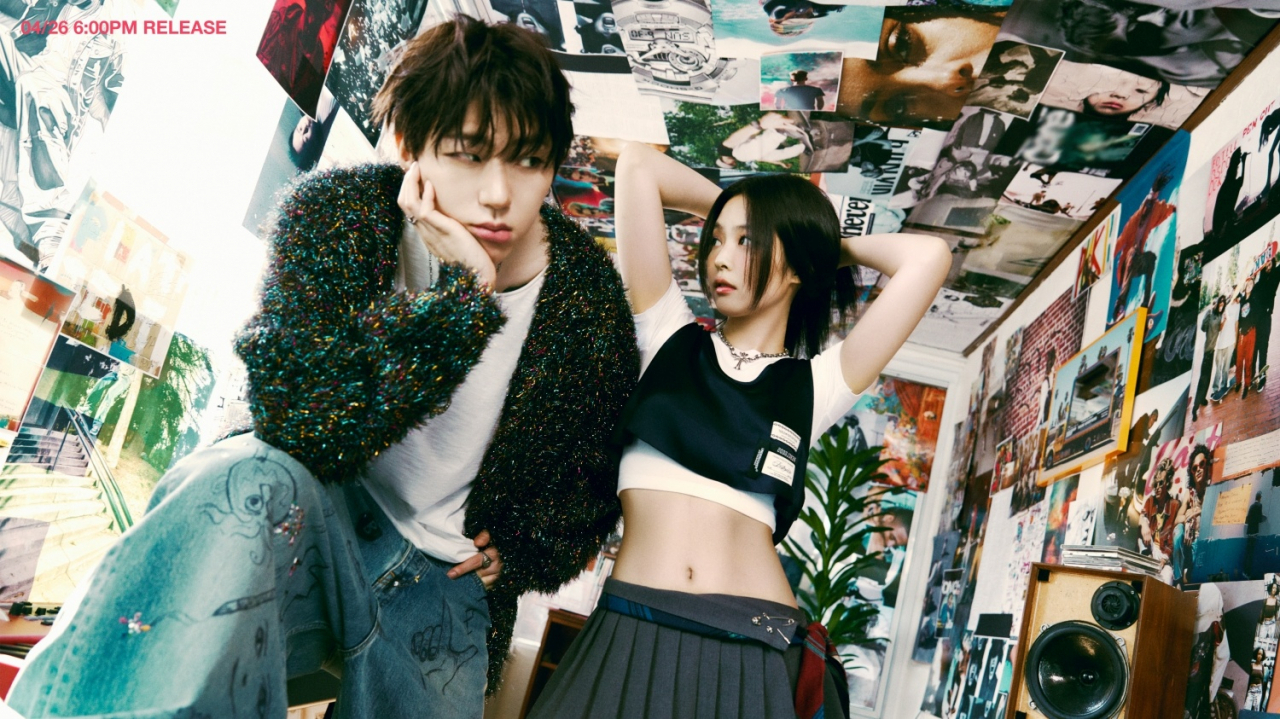
Post-2020, the ecosystem shifted. Show Me The Money lost some of its momentum by season 10, streaming ate into festival TV coverage, and Jay Park stepped down from AOMG and H1GHR MUSIC to launch MORE VISION. But HiphopPlaya kept its slot on the calendar, kept booking the same axis of labels, and kept doing the same quiet loyalty test. That's why the 2019 edition still gets brought up as a benchmark. It captured Korean hip-hop right before the platform reshuffle, with the full boutique-label wing on one stage.
If you go now
The festival still runs. If you're planning a Seoul trip around it, tickets go on sale through MelOn Ticket, Interpark, and Yes24, usually in March for the April or May weekend. Cash-only food stalls, so bring won. Public transit is your friend: World Cup Stadium Station (Line 6) is a 15-minute walk to the Nanji field. And if you want to go in prepared, spend the month before deep-diving on the labels above. The show hits harder when you already know which verse belongs to which loyalty camp.
Want to keep the Korean culture flowing between festival trips? The Daebak Box ships a curated bundle of Korean snacks, K-pop merch, and lifestyle goods to your door every month, so you can stay plugged into what's actually landing back in Seoul.


