


Table of Contents
In Korea, a birthday does not officially begin until a steaming bowl of miyeokguk (미역국), beef and seaweed soup, arrives at the table. The dish is briny, slightly chewy, and so closely tied to the calendar that many Koreans say they have eaten it on every birthday of their lives. The tradition reaches back to the maternity ward, where new mothers spend weeks recovering on a steady diet of the same soup.
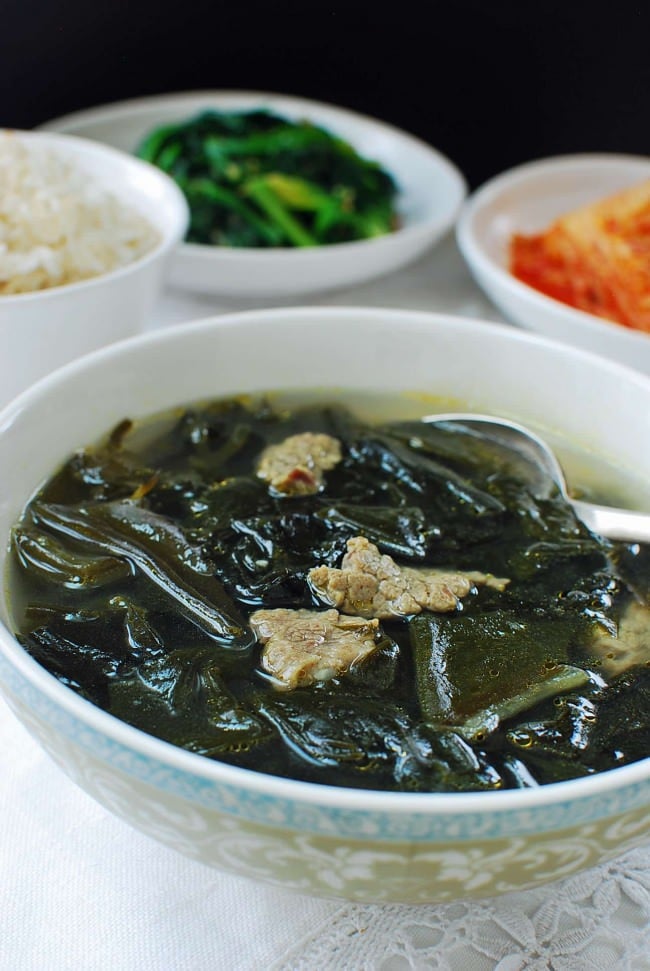
Why Koreans eat seaweed soup on their birthday
Miyeokguk is sometimes called saengil guk, literally birthday soup. The custom is not about flavor preference. Eating the dish on a birthday is a gesture toward the mother who gave birth, a reminder that the day belongs as much to her as to the person being celebrated. As Korean Bapsang puts it, the soup is the first meal many Korean mothers eat after delivery and the first one their grown children share with them years later in remembrance.
The tradition is so embedded in daily life that K-pop fans regularly see idols posting about their birthday bowls. Soompi documented A Pink celebrating member Bomi's birthday with a video of her eating miyeokguk, and similar clips circulate every year for members of Super Junior, Highlight, and other groups.
Origin: a postpartum recovery meal
Long before it became a birthday ritual, miyeokguk was prescribed as confinement food. New mothers in Korea traditionally eat the soup for the first three weeks after giving birth, a period sometimes called samchil-il (삼칠일). The reasoning is nutritional. Miyeok, the dark brown seaweed known internationally as wakame, is rich in iodine, calcium, and iron, three nutrients tied to milk production, blood replenishment, and bone recovery.
According to The Korea Times, the soup is served to new mothers because Koreans believe the seaweed cleanses the blood and supports the flow of breast milk, while the calcium helps build the bones of the newborn. Hospitals in Korea still include miyeokguk on the postpartum diet, and many Korean American families bring an insulated jar of it to the maternity ward.

The exam superstition: don't eat miyeokguk before a test
One day of the year Koreans avoid the soup is exam day. Dried miyeok turns slippery when soaked, and the Korean verb for slipping, mikkeureojida (미끄러지다), sounds like the noun miyeok. The wordplay produces a familiar superstition: eat seaweed soup before a college entrance exam or driving test, and your score will slip. Students sitting the annual suneung college entrance exam are routinely warned by parents to skip miyeokguk for breakfast and choose sticky foods like rice cakes or yeot taffy instead.
How to make miyeokguk at home
The basic recipe is short. Dried miyeok is soaked in cold water for ten to twenty minutes until it expands and softens, then rinsed, drained, and cut into bite-size pieces. Thinly sliced beef brisket, the cut Koreans call yangji (양지), is marinated with garlic, soup soy sauce, and a touch of sesame oil. The beef and seaweed are stir-fried together until the seaweed turns deep green, then water is added and the pot is simmered for twenty to thirty minutes.
Maangchi's recipe, one of the most widely shared English-language versions, calls for about a half ounce of dried miyeok, a pound of brisket or skirt steak, four garlic cloves, fish sauce, and toasted sesame oil. The cook is reminded not to soak the seaweed too long, since over-soaking strips out the briny flavor.

Regional variations
Beef miyeokguk is the most familiar version, but coastal regions cook the soup with whatever seafood is on hand.
- Honghap miyeokguk (홍합 미역국): a mussel version that is popular around Busan and the southern coast. Korean Bapsang recommends substituting clams or shrimp if mussels are out of season.
- Gul miyeokguk (굴 미역국): made with oysters, often served in the winter when Korean oysters are at their peak.
- Galchi or gwangeo miyeokguk: fish versions made with belt fish or halibut. The Korean Bapsang author cites Jeju Island, where her parents are from, as the home of galchi miyeokguk.
- Deulkkae miyeokguk: a perilla seed version with a creamy, nutty broth.
- Vegan miyeokguk: built on vegetable broth, often with sliced mushrooms standing in for beef.
The seaweed itself varies by source. Dried miyeok from Wando in South Jeolla Province is considered the premium grade, with Goheung and Jangheung also recognized as major seaweed counties.
The science behind the nutrition
The traditional belief that miyeokguk supports recovery has modern backing. Wakame is one of the richest dietary sources of iodine, which the thyroid uses to regulate metabolism and which lactating mothers need in elevated amounts. Iron and calcium in the seaweed support blood and bone health, and the omega-3 content is significant for a plant food. Korean Bapsang has noted that the soup is so iodine-dense that the Korean FDA recommends new mothers limit intake to no more than twice a day to stay within safe thyroid limits.
Wando and the modern Korean seaweed industry
Most of the miyeok in a Korean kitchen still comes from the country's southern coast. The Korea Herald reports that Wando-gun in South Jeolla Province is Korea's largest seaweed-producing region, and that NASA in 2021 released satellite images of the Wando seaweed farms while praising the practice as a model for sustainable, carbon-absorbing aquaculture. Korean dried seaweed exports topped one trillion won in 2023, with Wando, Jangheung, and Goheung supplying the bulk of the crop.

K-pop idol birthdays and modern miyeokguk culture
Within K-pop groups, members often cook miyeokguk for each other on birthdays as a stand-in for family. Highlight's Yoon Doojoon used a birthday V Live broadcast to discuss the soup, and Super Junior's Kim Heechul received a video from a close friend who made him a pot of miyeokguk. The dish has also crossed into convenience food. Nongshim and Ottogi sell instant miyeokguk ramyeon and pouch versions for college students and overseas Koreans who want a quick birthday bowl. Vegan and perilla-based variations have grown popular among younger Koreans rethinking the postpartum recipe for everyday cooking.
A cultural lesson in a bowl
What ties the strands together is filial piety. Korean culture has long expressed gratitude to parents through food, and miyeokguk is the clearest example. Whether served on a quiet birthday morning at home, packed into a maternity ward jar, or filmed by an idol for a fan post, the soup carries the same message: someone went through pain to bring you here, and a bowl of seaweed remembers that.
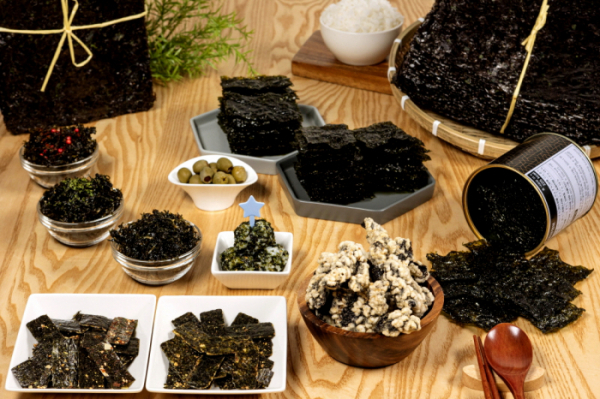
Explore Korean Snacks with Daebak
Love Korean food? Get authentic Korean snacks and ramen delivered straight to your door with the SnackFever Box by Daebak.


