


Table of Contents
South Korea's companion animal industry has grown from a niche category into one of the country's most closely watched consumer markets. According to the Korea Rural Economic Institute, the domestic pet market reached about 6 trillion won in 2023 and is projected to expand to roughly 15 trillion won by 2030. The shift is reshaping retail, language and family life all at once.
A 6 Trillion Won Market on the Way to 15 Trillion
The Korea Rural Economic Institute estimates the country's pet care and product market at about 6 trillion won as of 2023, up from 1.9 trillion won in 2015. The Ministry of Agriculture, Food and Rural Affairs announced in 2023 a roadmap to expand the pet-related industry to 15 trillion won by 2027, treating companion animals as a strategic growth sector alongside food, biotech and tourism.
According to KB Financial Group's 2025 Korea Pet Report, 5.91 million households, or 26.7 percent of all Korean households, lived with at least one pet at the end of 2024. Roughly 15.5 million people, about three in ten residents, now share their homes with a companion animal in a country of 51 million.
Why Pets, and Why Now
The boom did not appear in isolation. Korea's total fertility rate fell to 0.72 in 2023, the lowest in the world, while single-person households crossed 41 percent of all households in 2024. COVID-era isolation accelerated adoptions as people working from home looked for steady companionship. For many young Koreans choosing not to marry or have children, a dog or cat has become both family and emotional anchor.
This demographic backdrop is feeding a self-reinforcing cycle. As the average pet owner spends more, retailers, conglomerates and startups all invest further, which expands product choice and lowers barriers to ownership.

Gaemocha: When Dog Strollers Outsold Baby Strollers
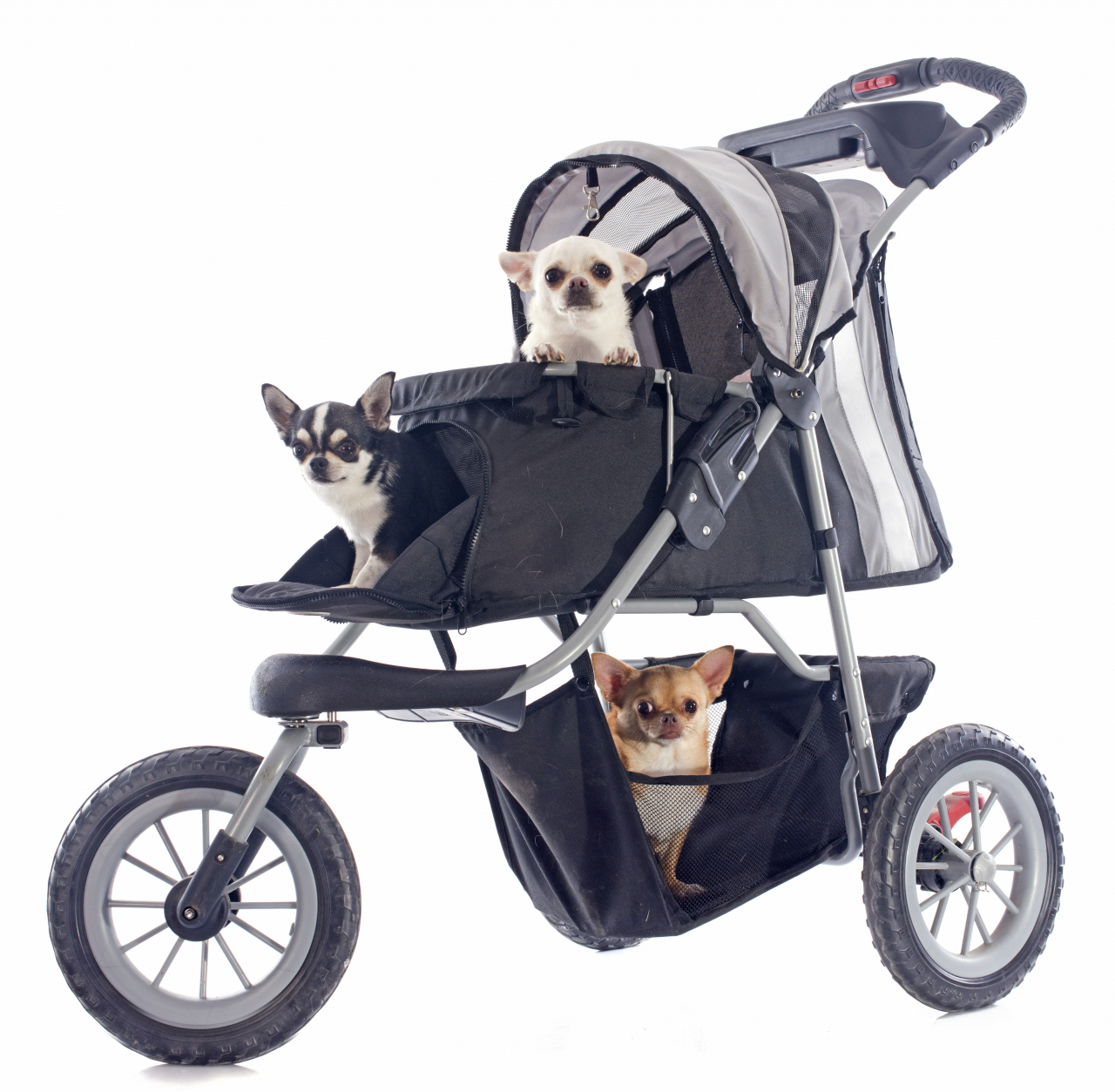
Few statistics capture the shift as bluntly as a 2023 disclosure from Gmarket, one of Korea's largest online marketplaces. During the first three quarters of that year, pet strollers, known in Korean as gaemocha (개모차), accounted for 57 percent of total stroller sales on the platform. Baby strollers made up the remaining 43 percent. As recently as 2021, pet strollers had been just 33 percent of sales.
The trend has continued. Emart reported that pet hanbok sales overtook infant hanbok sales by the 2025 Lunar New Year and Chuseok holidays, and dog food sales have outpaced baby food sales every year since 2021.
From Aewan Dongmul to Banryeo Dongmul
Language has followed the market. The older term aewan dongmul (애완동물), literally "pet animal," framed dogs and cats as objects of affection. It has been steadily replaced by banryeo dongmul (반려동물), meaning "companion animal," a word that implies partnership rather than ownership. Government documents, news reports and product packaging now overwhelmingly use banryeo dongmul.
Online culture has added warmer slang. Mong-mong-i (멍멍이) and the playful daeng-daeng-i (댕댕이), which mimics the visual shape of the Hangul characters, are everyday affectionate words for dog. Cat owners use yang-i (양이) or nyang-i (냥이) the same way. The vocabulary signals how thoroughly pets have entered Korean family life.
The Petconomy: Brands, Cafes and Pet Hanbok
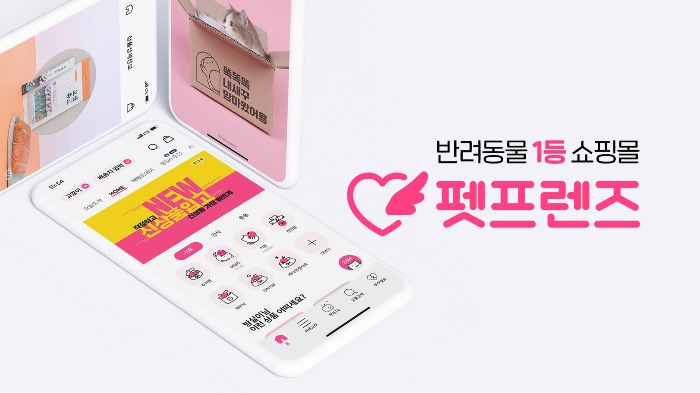
Korean retailers call the new spending pattern the petconomy, a portmanteau of pet and economy. Premium pet food brands such as Pet Friends Korea, acquired by GS Retail and IMM Private Equity for 150 billion won in 2021, dominate online sales. Domestic fashion labels including Howlpot, Louisdog and Sniff produce dog harnesses, leashes and seasonal outfits at price points comparable to human apparel.
Pet cafes have become weekend destinations. Bau House in Hongdae is widely cited as one of the earliest dog cafes in Seoul, while Cafe Mungtanyi and Companion Culture in the Sangam-dong district welcome customers and their dogs together. Department stores have rebuilt around the trend, with The Hyundai Seoul operating a 99-square-meter pet lifestyle shop called We Pet, and Hyundai Premium Outlet Space One housing one of the country's largest mall pet parks.
Pharmacies, Insurance and Pet Healthcare
The humanization trend extends into healthcare. Major pharmaceutical companies including Yuhan, Daewoong and Dong-A have launched dedicated pet divisions selling cognitive, joint and dermatology treatments. Global Market Insights estimates the Korean pet healthcare market at 2.55 billion dollars in 2025, on track to exceed 3.2 billion dollars by 2032.
Pet insurance, long an obscure product in Korea, has gained traction as Samsung Fire and Marine, Meritz Fire and Marine and DB Insurance roll out competitive policies. The Financial Services Commission has supported the segment through deregulation, including measures announced in 2023 to streamline veterinary cost comparison and pet identity verification.
Pet Kindergartens, Hotels and Funerals
Daycare services known as gangaji yuchiwon (강아지 유치원), or puppy kindergartens, have multiplied in Seoul and the wider capital area. Many operate on the same hours as human preschools, with structured curriculums covering socialization, basic training and even sensory play. Premium pet hotels in districts like Gangnam and Pangyo charge over 100,000 won per night and offer private suites with cameras for owners to check in remotely.
The market also extends to the end of life. Licensed pet funeral parlors and cremation facilities have opened across Gyeonggi Province, offering urns, memorial portraits and small ceremonies. The pet funeral sector reflects how seriously Korean households now treat companion animals as members of the family.
Celebrity Pets and Mongstagram Culture
Celebrity-owned dogs and cats have become global icons in their own right. BTS member RM's dog Monnie, Jungkook's Doberman Bam and Suga's poodle Holly are followed by millions across social media. BLACKPINK's Rose adopted a rescue named Hank, and BTS V's late Pomeranian Yeontan inspired memorials from fans around the world.
The phenomenon has its own hashtag economy. Korean users coined mongstagram (멍스타그램) for dog accounts and nyangstagram (냥스타그램) for cats. Many top influencers monetize through brand deals with pet food, supplement and apparel companies, helping push smaller domestic brands into mainstream visibility.
Apartments, Cities and Pet Policy
Public infrastructure is slowly catching up. Major apartment complexes have relaxed previously strict no-pet rules, with new developments by Hyundai Engineering and Construction, GS E and C and Lotte advertising pet lounges, washing stations and rooftop dog runs as differentiators. Seoul, Busan and Incheon have expanded designated pet parks and pet-friendly subway car guidelines, and Starfield malls now offer pet stroller rentals at multiple locations.
Government measures continue to nudge the market toward maturity. Mandatory dog registration, a 2024 ban on dog meat consumption with a phased transition for the industry, and proposed pet-friendly restaurant pilots all signal a regulatory environment that increasingly assumes companion animals are here to stay.
What the Pet Boom Says About Korea
The companion animal industry is not just another consumer category in Korea. It is a mirror of the country's demographic crunch, urban lifestyles and shifting definitions of family. As the market continues toward the 15 trillion won mark, gaemocha, banryeo dongmul and mongstagram are likely to remain everyday words rather than passing trends.
For visitors and observers, the easiest way to understand the shift is to spend an afternoon in a Seoul pet cafe, walk through World Cup Park's dog park in Sangam-dong, or browse the We Pet floor at The Hyundai Seoul. The petconomy is already part of the daily rhythm of Korean life.
Explore More of Korea with Daebak
Want to bring a little piece of Korea into your life? The Daebak Box is packed with the best Korean snacks, ramen, and cultural goodies delivered monthly to your door.


