


Table of Contents
South Korea is one of the world's great destinations for food travel. Few countries pack such extraordinary culinary variety into such a compact geography, and few food cultures reward the curious visitor as generously as Korea's. From the ancient market halls of Seoul to the seafood-laden ports of Busan, the traditional hanok villages of Jeonju to the jeju Island food scene shaped by the sea, eating your way through Korea is a journey that leaves most visitors planning their return before they have even left.
This guide is designed for visitors who want to understand and eat Korea deeply, not just check off tourist restaurants but find the food that reflects how Koreans actually live and eat.
Before You Go: Understanding Korean Food Culture
A few cultural orientations will help you eat better in Korea. First: Korean dining is fundamentally communal. Most dishes are designed for sharing across a table, and the most memorable Korean meals are eaten with others. Solo dining is entirely possible and common (many restaurants have counter seating specifically for solo visitors), but if you can eat with Korean friends or a knowledgeable local guide for at least some meals, the experience will deepen considerably.
Second: banchan (side dishes) are free, served automatically with your meal, and refillable. Do not be shy about asking for more kimchi or more of any side dish you enjoy. Third: Korean restaurants are often specialized by dish type. A galbi restaurant serves galbi; a naengmyeon restaurant serves cold noodles. This specialization reflects a cooking philosophy where doing one thing exceptionally well beats doing many things adequately. Trust the specialty of whatever establishment you are in.
Seoul: Where to Start
Seoul is one of the world's great food cities, and navigating it requires some orientation. The city is enormous (population roughly 10 million in the city proper, 25 million in the metropolitan area) and its food scene varies significantly by neighborhood. A few essential areas for food exploration:
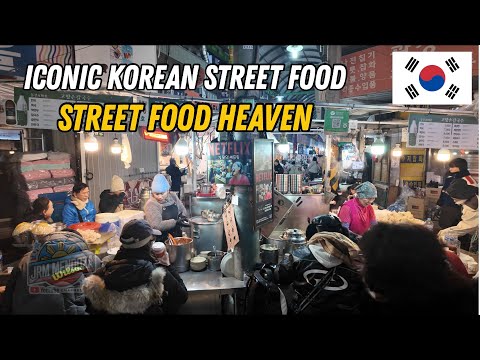
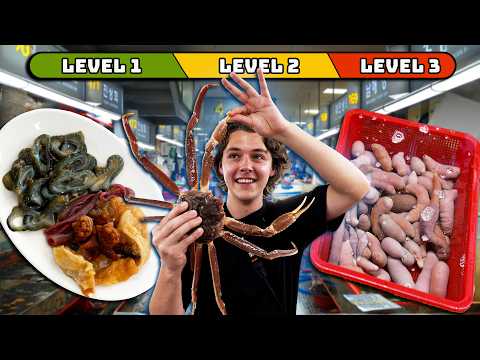
Gwangjang Market in Jongno-gu is one of the oldest continuously operating markets in Korea (established 1905) and has an entire food hall that represents traditional Korean market food at its best. The bindaetteok (mung bean pancakes) fried fresh to order are legendary. The mung bean hoe (raw marinated fish) stalls are for the adventurous. The kimbap vendors produce freshly rolled rice and seaweed rolls with practiced efficiency. This market is essential.
Myeongdong, in Jung-gu, is the most tourist-accessible food neighborhood. An evening street market runs the length of the shopping district with vendors selling tteokbokki, corn dogs, lobster on sticks, fruit skewers, and desserts. It is crowded and somewhat overpriced compared to local markets, but the concentration of street food is impressive and it makes for an easy first evening food experience.
Insadong, in Jongno-gu, is the traditional arts neighborhood with excellent traditional tea houses, traditional sweets shops, and a pleasant pedestrian street full of food vendors. Ssamziegil, a courtyard shopping complex within Insadong, has good food court options and a pleasant atmosphere. This area is ideal for trying traditional Korean confections alongside a bowl of sikhye (sweet rice drink) or traditional barley tea.
Hongdae, the university neighborhood in Mapo-gu, is where Seoul's food trends often begin. Craft makgeolli bars, innovative Korean-Western fusion cafes, creative dessert shops, and cheap student meal spots all coexist here. Late-night eating in Hongdae is a genuine cultural experience: the area is active until 3 or 4 am on weekends.
Must-Eat Dishes in Seoul
Several dishes are so essential to Seoul food culture that missing them represents a significant gap. Samgyeopsal (grilled pork belly) at any well-regarded KBBQ restaurant is the entry point: find a restaurant with good charcoal grills and quality pork, and spend two hours eating, wrapping, and drinking soju with your table. This is Korean social eating in its most accessible form.
Seolleongtang (ox bone soup) is Seoul's signature dish, a milky white broth simmered for hours served with thin noodles and sliced brisket. Find it at a traditional seolleongtang specialist, where it will have been simmering since dawn. Order the soup plain and season it yourself with salt and chopped green onion at the table. Eat with kimchi on the side.
Bingsu (shaved ice) in summer and hotteok (sweet pancakes) in winter represent the city's street sweet tradition. Patbingsu from a proper bingsu cafe (not a tourist-oriented version) is one of the great summer desserts on earth. Hot, sugar-filled hotteok from a street cart on a cold day is comfort food perfection.

Beyond Seoul: Regional Korean Food
Korean regional food traditions are distinct and deeply worth exploring. Jeonju, a three-hour bus ride southwest of Seoul, is the home of bibimbap and is considered by many Koreans to be the country's finest food city. The traditional market area near Hanok Village is particularly good for exploring regional snacks and street food. Jeonju bibimbap, served in a stone pot with an extraordinary array of carefully prepared toppings, is a different experience from the dish you may have encountered elsewhere.
Busan, Korea's second city, is a port city with a food culture shaped by the sea. Jagalchi Market, Korea's largest seafood market, is where you can eat raw fish (hoe) prepared to order from tanks of live seafood, watch the market activity from early morning, and explore the range of Korean seafood preparation. Milmyeon (wheat flour noodles in cold broth) is Busan's signature noodle dish, distinct from Pyongyang-style naengmyeon and worth seeking out. Busan-style ddukbokki uses a lighter sauce than Seoul versions and has developed its own dedicated following.
Andong, in North Gyeongsang Province, is the heartland of conservative Korean traditional culture. Andong jjimdak (braised chicken with glass noodles in a sweet soy sauce) is the city's most famous dish and is available at a dedicated restaurant district in the old downtown. Andong soju, the premium traditional distilled spirit at 45% ABV, can be purchased directly from the Korea Traditional Liquor Institute. And Andong's Hahoe Village is one of the most beautiful and best-preserved traditional Korean villages in the country.
Jeju Island: A Food World of Its Own
Jeju Island, South Korea's largest island and a major domestic vacation destination, has its own distinct food culture shaped by its volcanic geography, surrounding sea, and geographic isolation from the mainland. Haenyeo (female free divers) continue the ancient tradition of harvesting abalone, sea urchin, octopus, and other seafood by breath-hold diving, and their catch appears in restaurants and markets across the island.
Jeju's signature pork (heukdwaeji, black pork) is considered among the finest pork in Korea, and samgyeopsal made from Jeju black pork has a distinctly richer, more complex flavor than mainland varieties. Jeju citrus (hallabong, a premium mandarin hybrid) appears in desserts, drinks, and savory dishes throughout the island. Jeonbokjuk (abalone rice porridge) is the island's most revered comfort food.
Practical Food Travel Tips
Navigation is easier than you might expect: Google Maps works in Korea for restaurants and navigation (though Naver Maps is often more accurate for transit directions). Korean restaurants rarely require reservations for standard dining, though popular restaurants during peak meal times can have waits. Lunch (noon to 1:30 pm) is typically cheaper than dinner at the same restaurant: many Korean restaurants offer discounted set lunch menus.
Korean restaurant opening hours can be counterintuitive. Many close between lunch and dinner service (roughly 3 to 5 pm). Street food markets and pojangmacha stalls typically begin around 6 pm and run until midnight or later. Convenience stores are the 24-hour solution for any hour of the day.
Budget orientation: a satisfying Korean meal at a local restaurant costs between 8,000 and 15,000 Korean won (roughly $6 to $11 USD) per person. Korean BBQ for two with soju will run 40,000 to 80,000 won. A bowl of patbingsu at a quality cafe costs 12,000 to 18,000 won. Street food runs 2,000 to 5,000 won per item. Korea is generally affordable for food-focused travel, particularly compared to Western Europe or Japan.
Bringing Korea Home
The most common question after returning from Korea is where to find the flavors you discovered. Korean grocery stores in major cities carry a good range of products, but for consistent access to the best Korean snacks and pantry staples without a Korean grocery nearby, the SnackFever Box delivers a curated monthly selection of authentic Korean products directly to you.
Final Thoughts
Korea rewards the food traveler who arrives curious and stays open. The country's culinary tradition is old, diverse, and in remarkable health, supported by Koreans who take their food seriously and a generation of younger chefs and food entrepreneurs reimagining tradition for the contemporary moment. Go to the markets. Eat what you do not recognize. Ask your server what they recommend. Let the food lead you somewhere unexpected. That is how you eat Korea properly.


