


Table of Contents
Beans are a staple of human diets all around the world. They come in every imaginable shape, size, and color, but in Korea one humble little bean has earned a starring role in the country's beloved sweet treats. The red bean, called pat (팥), is small, glossy, and slightly sweet on its own, with a soft, mealy texture once cooked down. Often confused with the larger kidney bean, pat is actually closer to Japanese azuki, and its gentle, nutty flavor makes it the perfect base for desserts, pastries, and warming porridges enjoyed across every season.

Why Koreans Love Pat (Red Beans)
In Korean tradition, pat carries more than just flavor. The deep, ruby color of the beans has long been believed to ward off evil spirits, which is why dishes like sweet red bean porridge are still served on the winter solstice (dongji) for good fortune. Pat is also incredibly versatile in the kitchen. Cooks simmer the beans for hours until tender, then turn them into smooth pastes, chunky toppings, or rich purees that show up in everything from cold summer desserts to hot winter snacks. Because pat is naturally low in fat and high in fiber, it has stayed popular even as Korean dessert culture has modernized, often paired with toppings like injeolmi rice cake, condensed milk, ice cream, and seasonal fruit.
Patbingsu (팥빙수): Shaved Ice with Sweet Red Beans
Nothing screams Korean summer like a towering bowl of patbingsu. The word itself breaks down to pat (red bean) plus bingsu (shaved ice), and that combination is exactly what makes the dish unforgettable. Mountains of finely shaved ice, sometimes shaved from frozen sweet milk, are crowned with spoonfuls of sweetened red beans, chewy injeolmi rice cake cubes, a generous drizzle of condensed milk, and toppings such as fresh strawberries, mango, green tea powder, or roasted soybean powder. The first bite collapses into a creamy, beany, refreshing slush that cools you down instantly. Cafes across Seoul have turned bingsu into an art form, but the simplest pat-and-tteok version remains a sentimental favorite.
Chapssaltteok (찹쌀떡): Soft Rice Cakes Stuffed with Red Bean
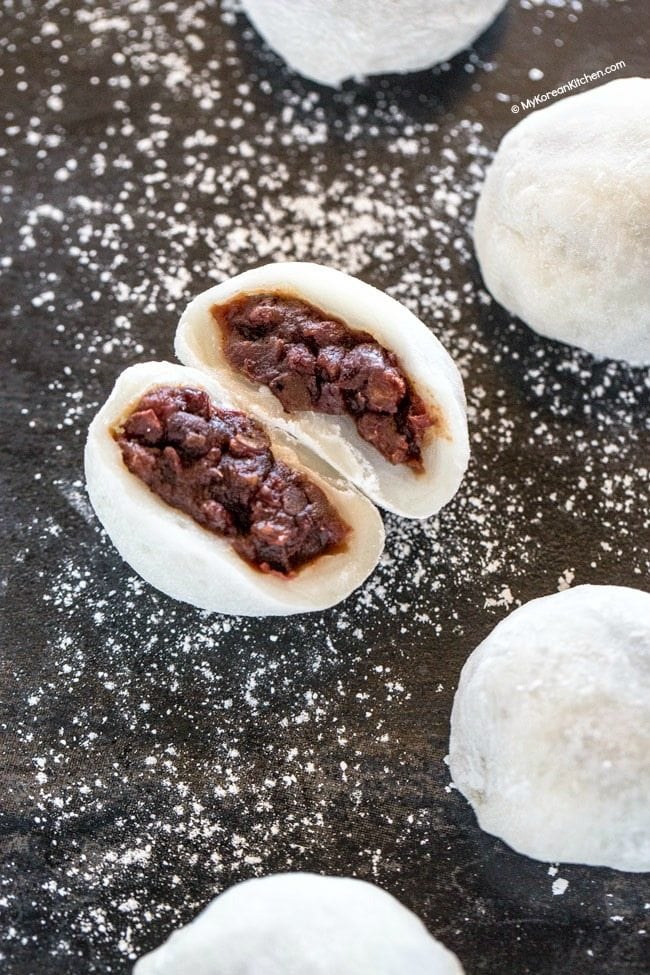
Chapssaltteok is Korea's pillowy answer to Japanese daifuku. Glutinous (sweet) rice flour is steamed or microwaved into a tender, elastic dough, then wrapped around a smooth ball of sweetened red bean paste. The result is bouncy, chewy, and just sweet enough, with a light dusting of cornstarch or roasted soybean powder so the rice cake does not stick to your fingers. Beyond its delicious texture, chapssaltteok is also a powerful symbol of luck. Korean families traditionally gift them during university entrance exam season, because the sticky dough is said to make knowledge stick to the test taker's mind, a sweet wish wrapped in soft tteok.
Bungeoppang (붕어빵): The Fish-Shaped Winter Snack
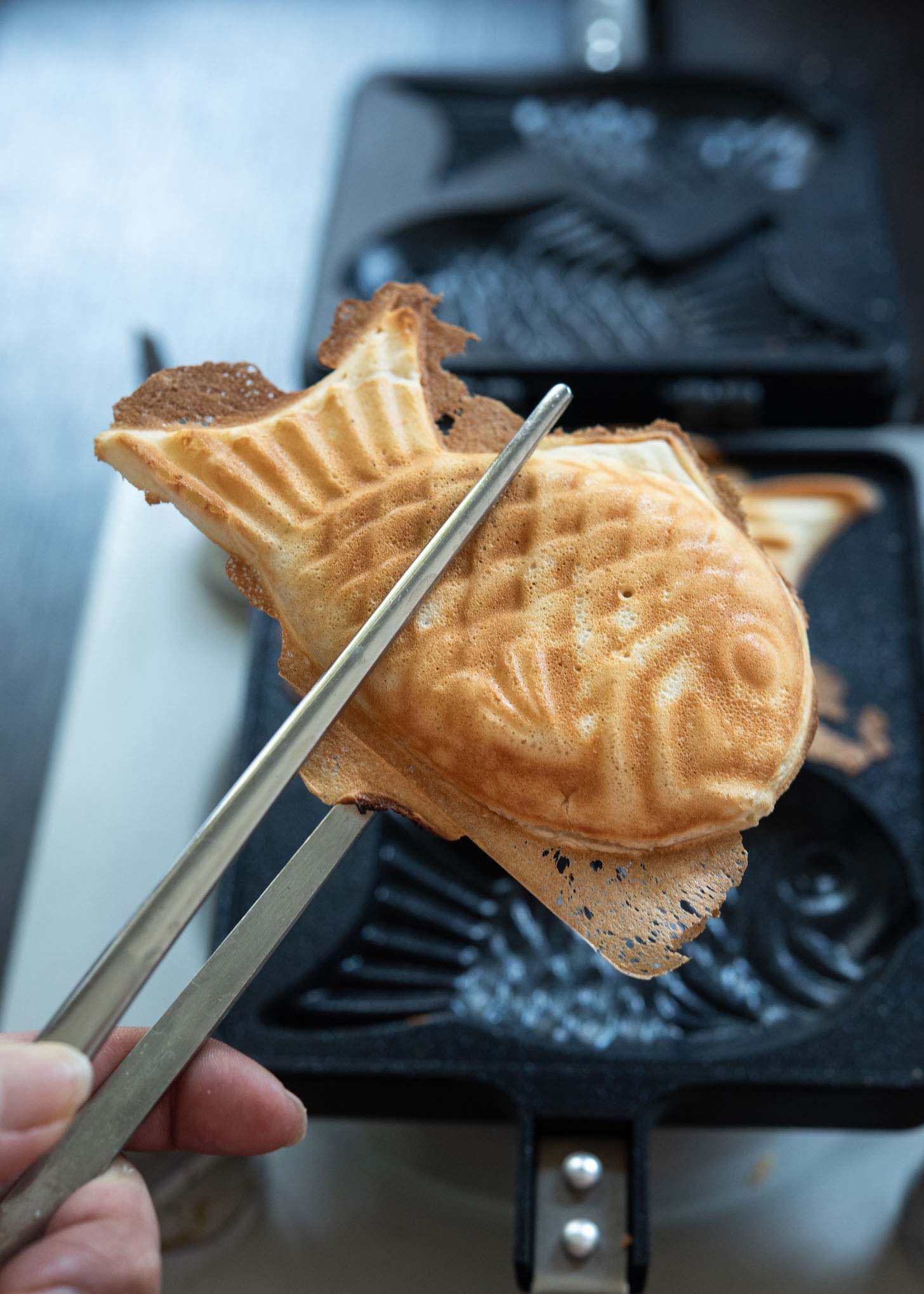
When Korean winter rolls in and street vendors set up their carts on chilly sidewalks, the first sign you'll spot is the unmistakable shape of bungeoppang. These crispy, golden, fish-shaped pastries are made in special cast iron molds, where pancake-like batter is poured in, filled with a generous scoop of sweet red bean paste, then sandwiched and cooked until both sides turn lightly toasted. The shell crackles when you bite in, and the warm red bean filling oozes out, smooth and lightly sweet. Today you'll find variations stuffed with custard, chocolate, or even cheese, but the classic red bean bungeoppang is still the bestseller and the one Koreans remember from childhood walks home from school.
Danpatjuk (단팥죽): Sweet Red Bean Porridge
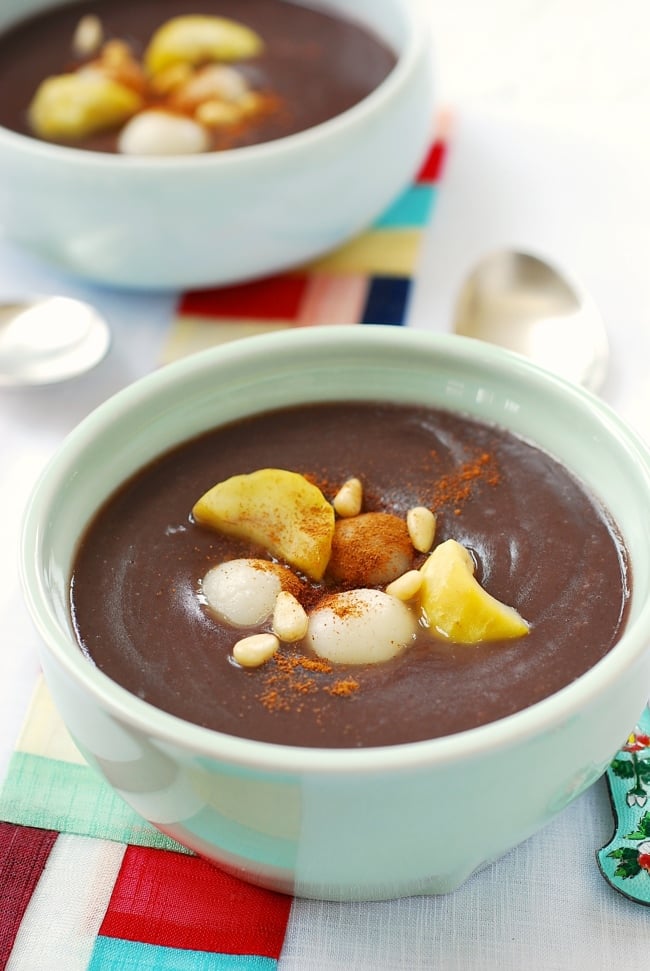
If patbingsu is the dessert of Korean summer, danpatjuk is its winter counterpart. Dan means sweet, and this velvety porridge is made by slow simmering pat until the beans break down completely, then pureeing them into a smooth, almost custardy soup, lightly sweetened with sugar or honey. It is often served with small chewy rice cake balls called saealsim ("bird eggs"), boiled chestnuts, pine nuts, or a sprinkle of cinnamon on top. Beyond being delicious, danpatjuk is deeply tied to Korea's winter solstice tradition, and many Koreans still associate a hot bowl of it with cold afternoons, cozy kitchens, and good luck for the months ahead.
Hoppang and Danpatbbang (호빵 · 단팥빵): Warm Buns and Sweet Red Bean Bread
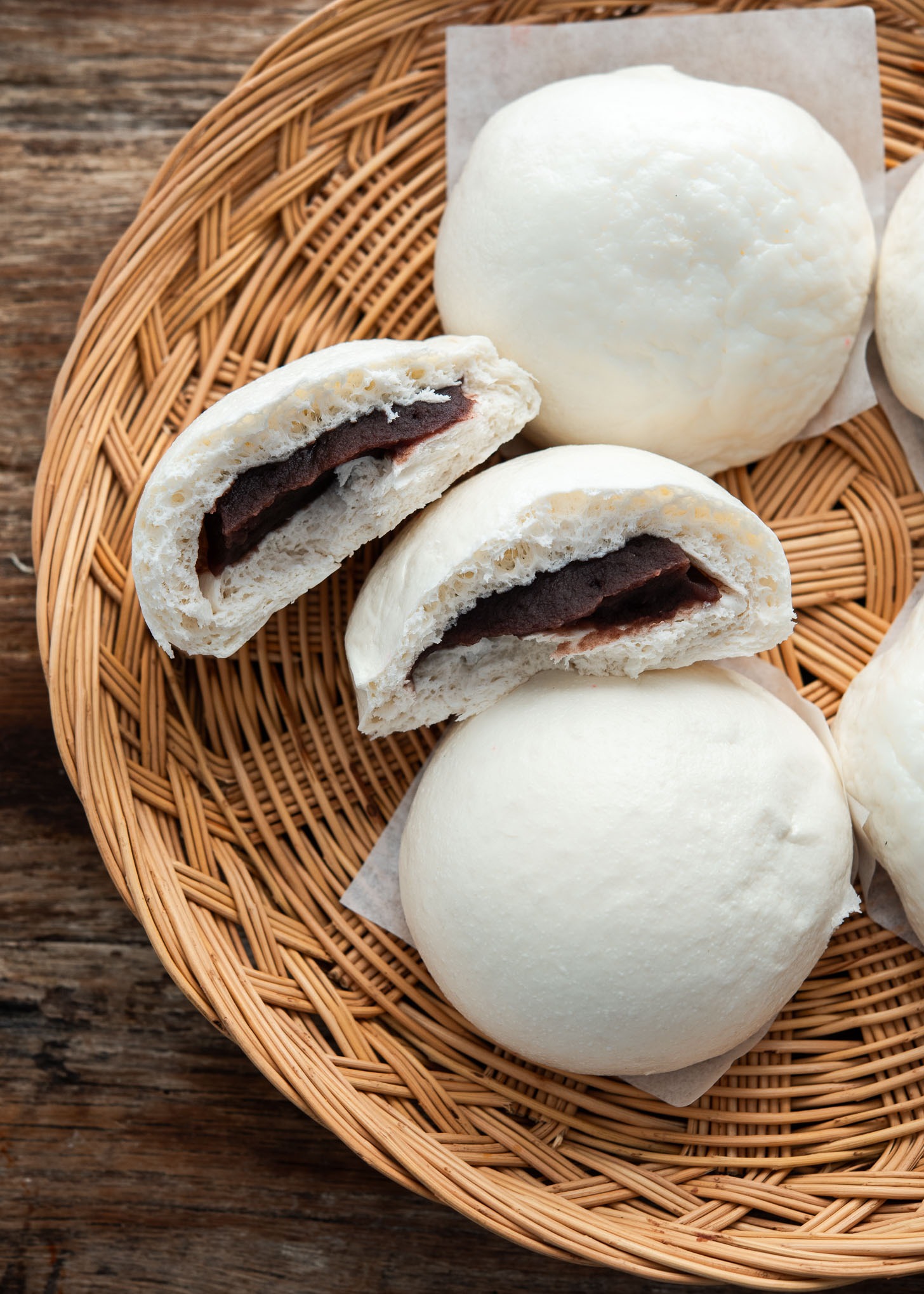
When the temperature drops, Korean convenience stores pull out their steam warmers and fill them with rows of snow white hoppang, soft, fluffy steamed buns filled with smooth sweet red bean paste. Tearing one open releases a puff of hot steam and that signature mellow red bean sweetness, the perfect after school or late night snack. Its bakery cousin, danpatbbang (sweet red bean bread, sometimes spelled danpatbang), is a soft, lightly browned bun baked at neighborhood bakeries and packed with red bean filling instead of jam or cream. Both treats prove that pat is just as comfortable in pillowy bread as it is in icy desserts.
How to Try Korean Red Bean Sweets at Home
If you are new to Korean red bean desserts, start simple. Canned sweetened pat from a Korean grocery store is a great shortcut: spoon it over shaved ice and vanilla ice cream for an instant patbingsu, swirl it into oatmeal, or use it as a filling for pancakes and bread. From there, you can graduate to homemade sweet red bean paste, simmering dried pat with sugar and a pinch of salt until the beans turn glossy and tender. Once you have your own jar of pat ready, every dessert in this list is just one cooking session away. Whether you choose the cool sweetness of patbingsu, the chewy comfort of chapssaltteok, the crispy nostalgia of bungeoppang, or the warming hug of danpatjuk, you are tasting centuries of Korean tradition in every spoonful.
Explore Korean Snacks with Daebak
Love Korean food? Get authentic Korean snacks and ramen delivered straight to your door with the SnackFever Box by Daebak.


