


Table of Contents
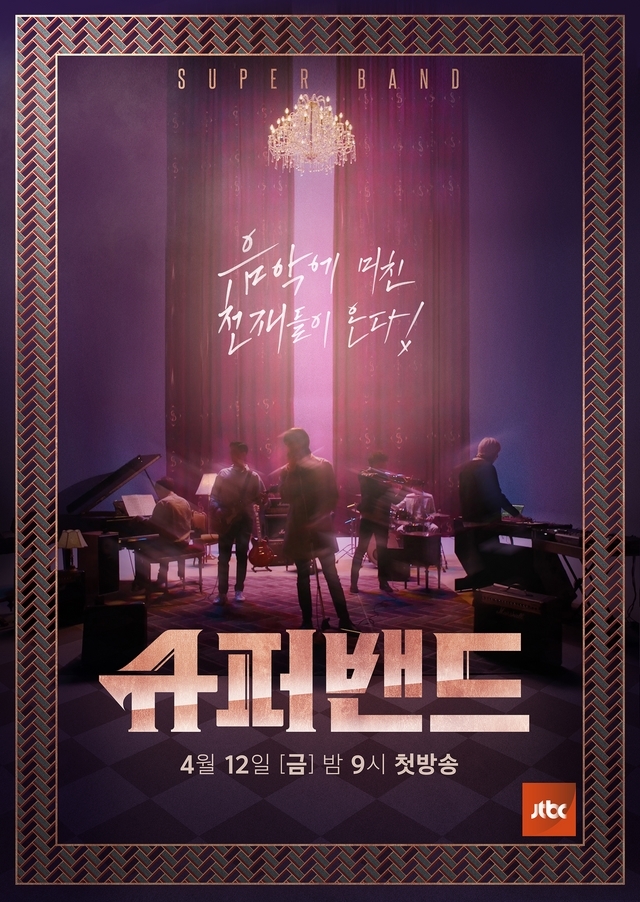
If you have spent any time around Korea's 밴드 신 (band scene) in the last decade, you already know the math is rough. K-pop here is engineered around idol groups, polished by the Big 4 machine, and built for fancams. Bands, the rock and indie kind where four people in a practice room hammer at a song until 3 a.m., live in a much smaller world. So when JTBC announced SuperBand (슈퍼밴드) back in spring 2019, more than a few of us in the industry raised an eyebrow. A primetime audition show built around instrumental 실력파 (skilled performers), no choreography, no idol pipeline? That was a real bet.
Why SuperBand mattered: a primetime gamble on the band scene
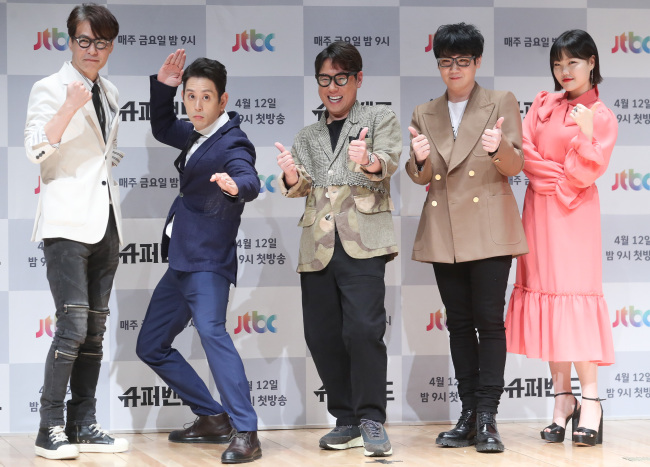
Producer Kim Hyung-joong was blunt about it at the launch presser. The Phantom Singer team had been asking themselves why Korean television could not show "the entire process of making music," instead of just polished final stages. Translation: K-pop survival shows had been mining the same idol-trainee well since Superstar K, and the format was tired. Even Yoon Jong-shin, who has judged just about every audition show in this country, said on stage that he wanted viewers to see what "real band power" looks like, because performers in bands have historically given up the spotlight that solo singers take for granted. That is the gap SuperBand was built to fill, and frankly, that gap had been hollering for years.
The format brilliance: chemistry forming in real time
Here is what separated SuperBand from every other 오디션 (audition) program on Korean TV. The contestants did not show up in a fixed group. They were 121 solo musicians (eventually whittled to 53 finalists) who paired up with each other, formed bands, dissolved them, and regrouped every round. Watching that on broadcast was unusual in the best way. You were not just judging vocals. You were watching whether a cellist and a saxophonist could read each other after 48 hours of rehearsal. You were watching whether a singer-songwriter would defer to a stronger arranger, or fight for the chorus. The drama was in the wiring of the band itself, and that is something a fixed K-pop debut group cannot offer.
The judges nobody expected, and why it worked
The producer bench was the strongest tell that JTBC was serious. Yoon Jong-shin and Yoon Sang are the senior figures of the Korean singer-songwriter establishment. Kim Jong-wan of NELL is, full stop, one of the most respected vocalists in the Korean rock scene, and this was his first variety show. Suhyun, the youngest, gave the show a contemporary anchor through AKMU. And then JTBC pulled out the wild card: Joe Hahn of Linkin Park, whose presence said clearly that this was not a domestic-only project. They were aiming at a global audience that had run out of patience for lip-sync bench-press performances. That kind of judge slate does not exist on Produce 101.
Industry context: why JTBC kept going after Mnet imploded
To understand why SuperBand even got greenlit, you have to remember what was happening at Mnet in 2019. The Produce 101 franchise, the dominant idol survival show in Korea, was about to collapse under the voting-fraud scandal. Producers were arrested, public trust was gone, and the entire idol-survival genre took a body blow it has never fully recovered from. JTBC's calculation was smart: pivot to musicianship-driven content, where authenticity is the product. Phantom Singer had already proven the formula worked for vocal groups. SuperBand was the natural next move, applied to bands, and it gave JTBC a survival-show identity built on craft rather than manufactured tears. That is why the channel kept pushing the format through Super Band 2 in 2021 (with CL on the judge bench, no less) and beyond.

HOPPÍPOLLA: why a cello, two vocalists and a guitar conquered Spotify
Now the part the international audience actually fell in love with. The winning band, HOPPÍPOLLA (호피폴라), took their name from a Sigur Rós song that translates roughly as "jumping into puddles" in Icelandic, which tells you everything about their sonic intentions. The lineup is unusual on paper: I'LL (vocals/piano, Berklee-trained), Ha Hyun-sang (vocals, already an indie singer-songwriter), Kim Young-so (guitar) and crucially, Hong Jin-ho (cello, with a master's from the University of Music Würzburg in Germany). The cello is the secret weapon. In a market saturated with synths and 808s, a bowed instrument doing the emotional lifting is genuinely different, and it is the reason their post-debut single "Wonderland" went viral on Spotify across countries that do not speak Korean. Emotion in strings is legible across language barriers in a way idol choreography is not.

Performances worth pulling up tonight
If you are coming to SuperBand cold, skip the early rounds and go straight to the formations that survived elimination. The Lany cover of "ILYSB" by the band including Kim Woosong and DJ DPOLE is the one performance from this show people still send each other, mostly because DPOLE plays glass-of-water as a percussion instrument and somehow makes it sound like an arrangement choice rather than a stunt. Lee Chan-sol and Im Hyeong-bin's self-composed "Find You Again" is the cleanest example of how two distinctly textured voices, one raspy, one almost angelic, can carry a song that has more dynamics in it than most idol B-sides will see in a career. And the self-composed track "대리암" (Marble), which uses a chemistry equation as a love confession, is exactly the kind of conceptual swing you do not get from a label A&R deck. That is the whole point of a band scene: weird ideas get tried, because there is no choreographer to overrule them.

What SuperBand actually changed in the Korean band scene
The most honest read on SuperBand's legacy, four-plus years later, is that it did not single-handedly resurrect Korean rock. The band scene is still a fraction of the size of the idol industry, and HOPPÍPOLLA themselves parted ways with their agency in 2021 after contract issues, which says a lot about how hard the indie ecosystem still is here. But the show did three things that mattered. It put indie musicians on primetime television without making them perform idol covers. It proved to industry buyers and overseas streamers that there is a real audience for instrumental craft from Korea. And it gave acts like HOPPÍPOLLA and runners-up Lucy (now arguably the more commercially successful of the two) a launchpad that did not require an idol-system contract. In a country where the default music-industry career path runs through a trainee dorm, that is not nothing. That is, honestly, the bet finally paying off.
Explore More of Korea with Daebak
Want to bring a little piece of Korea into your life? The Daebak Box is packed with the best Korean snacks, ramen, and cultural goodies delivered monthly to your door.


