


Table of Contents
Korean cuisine is celebrated worldwide for its bold, savory flavors, but Korea has an equally rich tradition of sweets that is only beginning to receive the international attention it deserves. From the ancient confections served at royal banquets to the modern dessert cafes lining Seoul's most fashionable neighborhoods, Korean sweets reflect a centuries-long philosophy of using natural ingredients, restraint in sweetness, and attention to texture that sets them apart from the dessert traditions of neighboring countries.
The Philosophy of Korean Sweets
Traditional Korean confections (called "hangwa") differ from Western desserts in a fundamental way: sweetness is present but not overpowering. Korean culinary tradition tends to balance sweetness with bitterness, nuttiness, or the gentle earthiness of rice and bean. Honey rather than refined sugar was the primary sweetener in pre-modern Korean cooking, and many traditional recipes still reflect this preference for complex, less aggressive sweetness.
Texture is equally important. The chewy, bouncy quality of rice-based sweets, the delicate flakiness of fried confections, and the cool, yielding softness of shaved ice desserts are all as important as flavor. When Koreans describe a dessert as delicious, texture descriptors like "쫄깃" (jjolgit, chewy-bouncy) and "바삭" (basak, crispy) are as likely to appear as flavor words.
Patbingsu: Korea's Most Famous Dessert
Patbingsu is Korea's answer to shaved ice, and it is the dessert most likely to appear first in any discussion of Korean sweets. The name translates to "red bean shaved ice," and the original version is exactly that: finely shaved ice (not crushed, but shaved into light, snow-like ribbons) topped with sweet red bean paste, chewy rice cake pieces (tteok), and condensed milk. The combination of cold, light ice with sweet, earthy red bean and chewy tteok is deeply satisfying in a way that goes beyond simple refreshment.
Modern patbingsu has evolved dramatically. Contemporary versions layer fresh seasonal fruit, green tea powder, cereal, ice cream, injeolmi (roasted soybean flour) tteok, and artisanal toppings over the base. Premium patbingsu at dedicated dessert cafes in Seoul can be elaborate, multi-component constructions that take considerable skill to assemble and photograph. The summer patbingsu season is a genuine cultural event, with cafes announcing their new seasonal flavors and customers queuing for the most Instagrammable versions.
Patbingsu season runs roughly from late spring through early fall, corresponding to Korea's hot, humid summers. In winter, a warm red bean porridge called "patjuk" provides a similar comfort through the same ingredient combination, connecting Korea's sweet bean tradition across the seasons.
Hotteok: Sweet Street Pancakes
Perhaps the most accessible Korean dessert for international audiences, hotteok is a thick, yeast-leavened pancake stuffed with a mixture of brown sugar, cinnamon, and crushed peanuts, then pressed flat on a griddle until golden and caramelized. The sugar filling melts during cooking, creating a warm, sticky, slightly crunchy interior that contrasts beautifully with the chewy dough exterior.
Hotteok is quintessentially a street food and winter snack, sold from dedicated carts and stalls throughout Korea's cooler months. Variations include black sesame hotteok, sweet potato filling, green onion and cheese (savory), and even matcha-flavored versions. The original brown sugar and peanut combination remains the beloved classic, and the smell of hotteok cooking on a cold street is one of the most evocative scents in Korean food culture.
Yakgwa: Royal Honey Cookies
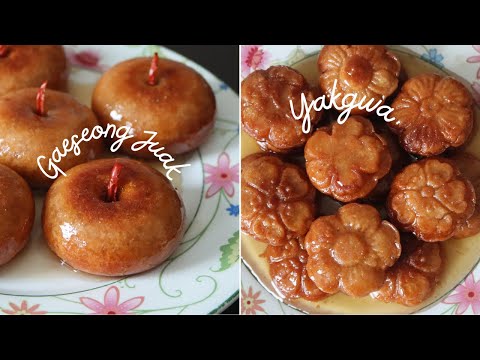
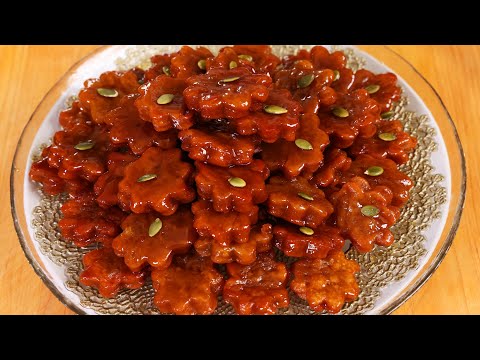
Yakgwa is one of Korea's most venerable traditional confections, served at royal banquets and ceremonial events for over a thousand years. Made from wheat flour, honey, sesame oil, and ginger, the dough is shaped into intricate flower forms, deep-fried until golden, and then soaked in honey syrup infused with ginger and cinnamon. The result is a dense, chewy, intensely fragrant cookie that carries the warmth of ginger, the floral depth of honey, and a satisfying, substantial chew.
Yakgwa has experienced a remarkable contemporary revival, with artisan Korean bakeries and confectioners reimagining it with new flavors and presentations while maintaining traditional production techniques. Social media coverage of beautiful yakgwa boxes has helped introduce the confection to international audiences who might never have encountered it otherwise. High-quality yakgwa is now one of the most popular premium Korean food gifts.
Injeolmi and Tteok: Rice Cake Sweets
Korea's rice cake tradition is ancient and enormous, with hundreds of documented tteok (rice cake) varieties across different regions and occasions. Sweet tteok are a distinct category from savory rice cakes, featuring ingredients like honey, red bean, sesame, chestnut, pine nuts, and various fruits incorporated into the glutinous rice base.
Injeolmi is perhaps the most beloved sweet tteok: chewy glutinous rice cake pounded smooth and coated in roasted soybean flour (injeolmi flour), giving it a nutty, slightly bitter edge that balances the gentle sweetness of the rice. It has an almost addictive quality that is difficult to describe until you have experienced it. Injeolmi is widely available in modern form at cafes (often as a latte flavoring or as a dessert coating) and at traditional tteok shops.
Songpyeon, crescent-shaped rice cakes filled with sweetened sesame or chestnuts and steamed over pine needles, are prepared specifically for Chuseok (Korean Thanksgiving) and carry deep cultural significance around harvest, family, and ancestral remembrance. Baekseolgi (white steamed rice cake), gyeongdan (rice balls in various flavors and coatings), and many other varieties complete a tteok tradition that is both culinary art and living cultural heritage.
Sikhye: Sweet Rice Punch
Sikhye is a traditional Korean sweet drink made by fermenting cooked rice with barley malt water, resulting in a lightly sweet, slightly fermented beverage with a gentle effervescence and small grains of rice floating throughout. It is served cold, often at the end of a traditional Korean meal as a digestive aid, and its gentle, clean sweetness provides a perfectly light close to a heavy feast.
Sikhye has ancient roots in Korean royal cuisine and has been documented since at least the Goryeo Dynasty. It is considered particularly soothing for digestion, and its low alcohol content (from the mild fermentation process) made it appropriate for all ages. Today, it is sold in cans and bottles at Korean grocery stores and remains a staple of traditional Korean celebrations and holiday feasts.
Modern Korean Dessert Cafes
Seoul's dessert cafe scene has become one of the most creative and Instagram-worthy in the world. Neighborhoods like Insadong, Bukchon, Sinchon, and Hongdae are filled with specialty dessert cafes serving everything from traditional hangwa with premium teas to elaborate bingsu towers with imported fruit and homemade syrups. The cafe culture around dessert is explicitly social and visual: Koreans spend considerable time photographing desserts before eating, and cafe owners invest significantly in presentation and interior design to optimize the visual experience.
Dalgona (honeycomb toffee) cafes where visitors make their own candy using sugar and baking soda became a global phenomenon during the Squid Game era, introducing millions of international viewers to a Korean street snack tradition that dates back decades. Soft serve ice cream in unusual flavors (black sesame, sweet potato, corn, grapefruit), churros with Korean toppings, and "sulbing" (similar to bingsu but softer) represent the creative fusion of Korean flavor traditions with globally familiar dessert formats.

Bungeoppang and Gyeranppang: Baked Street Sweets
Fish-shaped bungeoppang and egg bread gyeranppang represent the most approachable end of the Korean street dessert spectrum. Bungeoppang (literally "crucian carp bread") is a waffle cake baked in fish-shaped cast-iron molds and filled with sweet red bean paste, custard cream, or chocolate. The exterior is crispy and golden; the interior is soft and filled with a sweetness that complements the slightly bread-like dough perfectly.
Gyeranppang (egg bread) is a rectangular sponge cake baked with a whole egg embedded in the center, savory from the egg and mildly sweet from the batter. At street stalls, it is topped with sesame seeds, melted cheese, or other garnishes. Both are inexpensive, portable, and deeply satisfying, making them cornerstones of Korean street food culture during the colder months.
Korean Candy and Confections
Beyond traditional hangwa and modern cafe culture, Korea has a vibrant commercial confection industry producing beloved candies, chocolates, and cookie lines. Choco Pie (a chocolate-covered marshmallow and cake sandwich), Pepero (chocolate-dipped biscuit sticks, the subject of their own November 11th holiday), Choco Boy (mushroom-shaped chocolate biscuits), and various melon, strawberry, and grape gummy candies are staples of Korean childhood and adult nostalgia alike.
Honey butter-flavored snacks, wasabi almonds, and the full spectrum of Korean chip flavors occupy a space between snack and sweet that Korean food culture navigates with particular creativity. The distinction between sweet and savory is often blurred intentionally in Korean snacking, producing combinations like sweet corn chips, honey almond crackers, and salted caramel rice puffs that feel uniquely Korean.
Bring Korean Sweets Home
Many beloved Korean sweet snacks and confections are now available internationally. The SnackFever Box is one of the best ways to explore Korean sweet and savory snack culture, with a curated monthly selection of authentic products shipped directly to your door.
Final Thoughts
Korean dessert culture rewards exploration. From the ancient honey cookies of the royal court to the elaborate summer bingsu towers of contemporary Seoul cafes, Korean sweets tell a story about how Korea balances tradition and innovation, restraint and abundance, simplicity and creativity. Whatever your entry point, there is a Korean sweet waiting to become a new favorite.


