


Table of Contents
Here is the number that reframes the whole "Toronto Korean cafe scene" conversation. The 2021 Canadian census counted roughly 56,855 people of Korean origin in the Toronto CMA, and a solid slab of that population sits in exactly two corridors: the Bloor West Koreatown strip between Christie and Bathurst that has been Korean since the 1970s, and the newer Willowdale cluster in North York where roughly one in twelve residents is Korean. That is the demographic engine behind a bingsu (빙수) scene that punches far above Toronto's weight, and it is the reason a first-generation dessert cafe like SOUL Cafe on Drewry Avenue and a Korean franchise export like Snowy Village can both survive in the same market. Neither of them is really selling shaved ice. They are selling a diaspora (디아스포라) product that also happens to be one of the most Instagrammable single objects Korea has ever exported.

Why bingsu travels better than almost any other Korean dessert
I have been in the K-content and K-food space for over a decade, and if a Korean brand manager asks me which single dessert is easiest to launch abroad, the answer is always bingsu. Not hotteok, not bungeoppang, not sulbing style toast. Bingsu. The mechanic is simple. One bowl fills the whole frame of a phone camera. The toppings sit in a mound, so height and color read from three feet away. And the format tolerates local ingredients: mango in the summer, injeolmi (인절미) in the fall, cheesecake or Oreo year round for the crossover crowd. You do not need to educate the customer on soy sauce or gochujang before they enjoy it. You show them the bowl, they take the photo, they eat.
That plays out in the numbers back home too. The Korea Times reports that by 1921 Seoul already had over 400 bingsu shops, so this is not some Instagram-era invention. The dessert has 100 plus years of iteration behind it. What is genuinely new is the export layer. Sulbing, launched in Busan in 2013, standardized the milk snow (미세눈꽃빙수) that most modern shops now serve and pushed injeolmi bingsu into a national default. Once Sulbing productized the recipe, other operators in Vancouver, Los Angeles, and New York could reverse-engineer it and put a version on a diaspora storefront. That is the pipeline SOUL Cafe and Snowy Village both walked through.
SOUL Cafe: how a North York coffee shop became a bingsu destination
SOUL Cafe opened at 23 Drewry Avenue in 2016, and if you read the original blogTO writeup it was pitched as a Korean dessert cafe (카페) with a bingsu menu of over ten flavors. That number is not incidental. In Seoul, a serious bingsu shop keeps two or three signatures and rotates seasonal fruit. Overseas, the playbook flips: you carry more SKUs because your customer is not coming twice a week. You want a first-timer from Yonge and Sheppard, a homesick international student from University of Toronto, and a Korean-Canadian family from Willowdale to all find something on the same laminated menu. So SOUL runs the fruit lineup (mango, strawberry, watermelon, peach, blueberry, honeydew) alongside the Korean-fluent picks (injeolmi with roasted soybean powder, black sesame, matcha) and then some Western crossovers like Oreo and tiramisu that read as fun to a non-Korean date.
The mango bingsu is the one that broke SOUL out. That is not an accident either. Mango is the flavor that Korean luxury hotels use as their signature (Shilla Seoul, Four Seasons Seoul, Signiel), which means anyone who has scrolled a K-influencer's summer feed already associates "mango bingsu" with premium Korean cafe culture. SOUL landed the version where the fruit sits chopped on top of milk snow with mango puree and mango ice cream, and it photographs well enough that the cafe's own Instagram (@soulcafe_toronto) became the marketing engine. The second location in Willowdale at 23 Spring Garden Avenue and the Pacific Mall outpost followed the same template.

Snowy Village: the Korean franchise that cracked North America
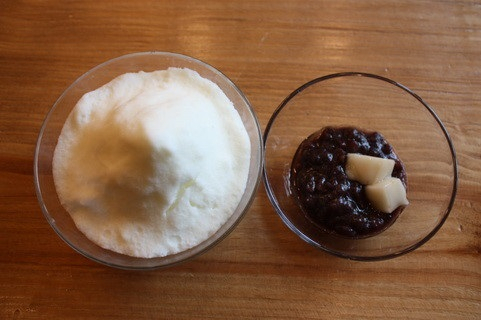
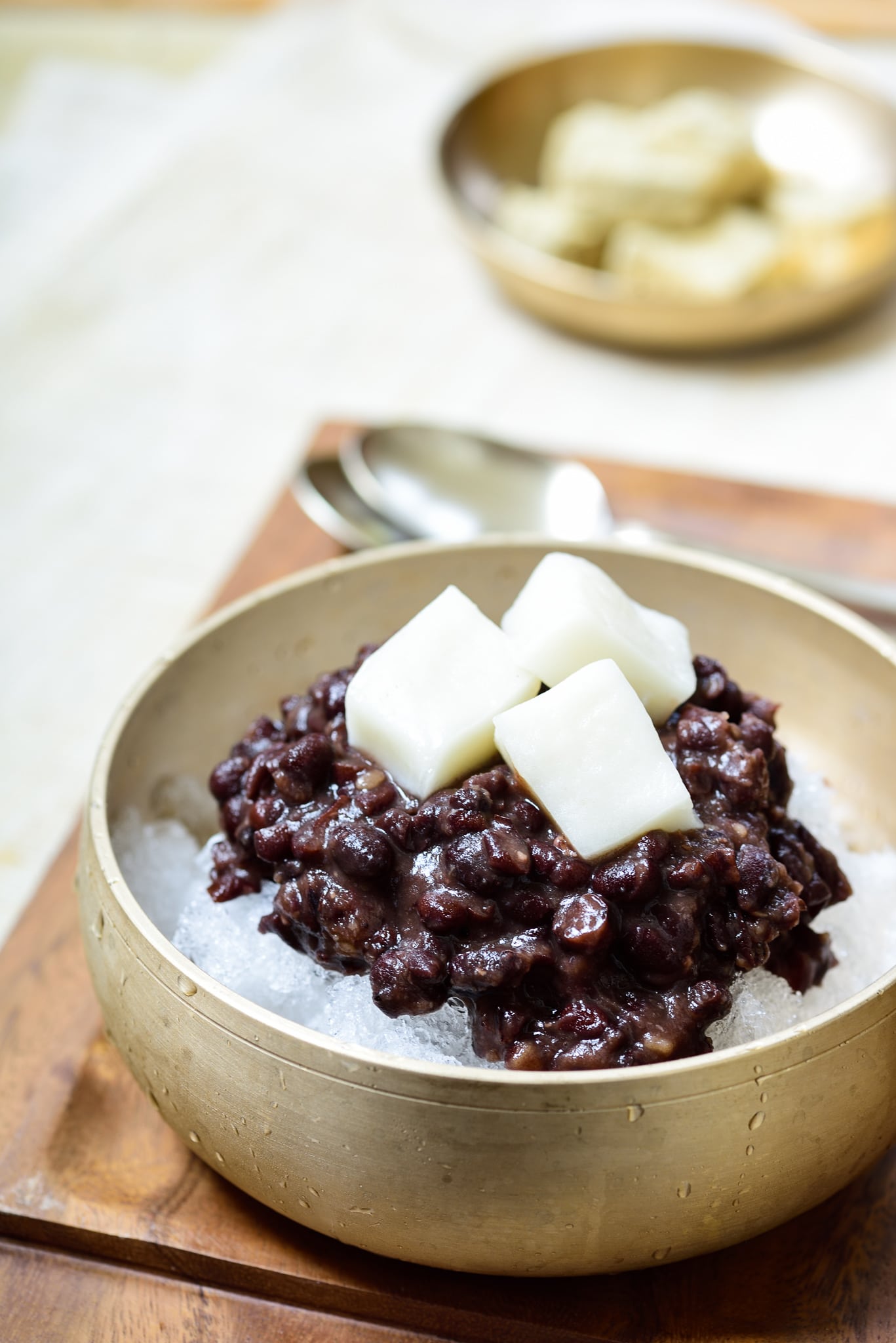
Snowy Village is the interesting business story in this category. The brand opened its first Metro Vancouver location in Richmond in 2016, moved into Coquitlam a year later, and has since spread across roughly two dozen locations in the US and Canada, marketing itself as the leading Korean dessert franchise in North America. Their moat is the injeolmi bingsu (인절미 빙수), a milk snow base loaded with chewy rice cake squares, sweet red beans, and a heavy dusting of roasted soybean powder (콩가루) that hits nutty rather than sugary. That flavor profile is deliberately traditional. It is the version your Korean grandmother would order at a Sinchon shop like Homilbat, not the mango showpiece a K-drama couple would order for the photo.
Here is why the injeolmi call was smart. Any competent operator can shave ice and open a can of mango. Injeolmi bingsu depends on rice cake texture (쫄깃, that specific chewy bite Western desserts almost never deliver) and freshly roasted soybean powder that stales fast in North American humidity. If you get either detail wrong, the bowl tastes like a college-cafeteria mistake. Snowy Village invested in the supply chain to get it right at franchise scale, and that is why their Coquitlam store still pulls a line six years in. In Toronto, the same category logic applies to any operator serious about repeat visits from Korean-Canadian regulars. Fruit flavors win the first-time customer. Injeolmi wins the second visit.
The wider Toronto scene: Bloor West and the Instagram tourist loop
Beyond SOUL and Snowy Village, the GTA now supports a real bench. Snowday Bingsu Cafe at 681 Bloor Street West sits in the middle of the original Koreatown strip and shows up on every "best bingsu in Toronto" list. Hanbingo on Spadina uses a Thai-Korean owner's playbook (owner Esteban Kim ran a dessert cafe in Bangkok before moving to Toronto) and leans into the vibrant floral interiors that read young Korean. Dear Fro in Scarborough shaves milk instead of water, which is the same technical upgrade Korean cafes made in the mid-2010s. Cafe Fiore rounds out the smaller neighborhood tier, aimed at customers who want a lower-key alternative to the Bloor lineup crowds. Cups, Go Topoki, and Snow Time fill out North York and Scarborough. That is roughly 15 bingsu-serving Korean cafes across the GTA, which is enough density to make the "Toronto bingsu tour" a real Instagram itinerary among Korean international students.
What Toronto-based Korean tourism operators quietly figured out is that the Bloor West bingsu run has become a soft CN Tower alternative for young K-culture-adjacent visitors from Seoul. If you are a 24-year-old Korean woman visiting a cousin in Toronto for a week, you are not queuing at Ripley's Aquarium. You are hitting SOUL for the mango, Snowday for a matcha bowl, and Snowday's neighbor Buk Chang Dong Soon Tofu for dinner. That mini circuit generates the exact photo set she would have generated in Hongdae, at a fraction of the crowd. Toronto cafes that recognize this and translate their menus to Korean-first Instagram captions convert this traffic. The ones that only market in English leave it on the table.
The dual-audience model: diaspora nostalgia meets non-Korean discovery
Every overseas Korean cafe I have advised or watched grow ends up serving two audiences on the same day. The morning belongs to the diaspora regular who orders black sesame or injeolmi and does not need the menu explained. The afternoon and evening belong to the non-Korean discovery customer who found the cafe through a TikTok food creator and wants the mango bowl she saw in the video. Trying to over-optimize for either group kills the business. Push too hard on the traditional pat (red bean) menu and the discovery customer bounces because "beans on shaved ice" reads weird before the first taste. Push too hard on the Oreo and cream puff crossovers and the diaspora regulars quietly stop coming because it no longer feels Korean.
SOUL Cafe handles that split by menu breadth. Snowy Village handles it by planting the injeolmi flag in the marketing and letting the fruit flavors close the sale. Both approaches work, and both are why Toronto's Korean cafe scene has enough oxygen for 15 plus operators rather than the two or three you would expect for a metro this size. If you are here for the first time and want the honest recommendation from someone who has eaten a lot of bingsu in Seoul and abroad: order the injeolmi first to calibrate what "real" tastes like, then order the mango for the photo. That is the sequence Korean regulars use, and it is the fastest way to understand why this specific dessert became a diaspora staple.
Explore Korean Snacks with Daebak
Love Korean food? Get authentic Korean snacks and ramen delivered straight to your door with the SnackFever Box by Daebak.


