


Table of Contents
Korean beauty, known globally as K-beauty, has transformed the international skincare industry over the past decade in ways that continue to ripple outward. Concepts that were niche or exotic to Western consumers ten years ago (sheet masks, essences, cushion compacts, skin barrier protection) are now mainstream. Global beauty brands have reformulated products based on Korean innovation. Dermatologists worldwide now recommend routines that would have been recognizable to Korean skincare enthusiasts years before they reached mainstream Western awareness.
K-beauty is not simply a set of products. It is a philosophy about skin, a cultural attitude toward beauty as ongoing practice rather than cosmetic correction, and an industry that has consistently led global innovation in skincare science and beauty technology. This guide explains what K-beauty is, where it came from, and why it matters.
The K-beauty Philosophy
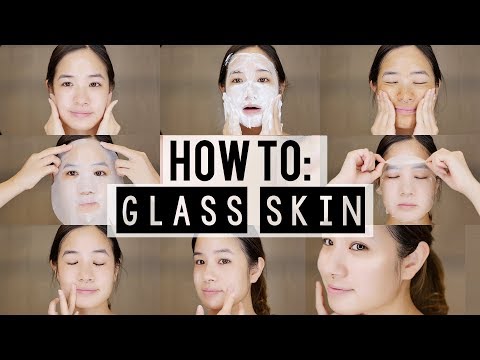
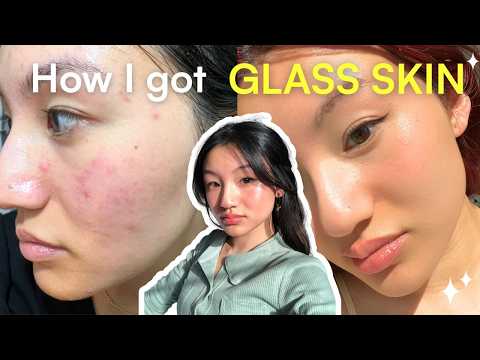
The foundational philosophy of Korean skincare differs from Western beauty traditions in a key way: Korean beauty culture has historically emphasized skincare over makeup, focusing on achieving naturally healthy, radiant skin rather than using cosmetics to cover or correct skin issues. The Korean concept of "glass skin" (skin so clear and luminous it appears translucent, like glass) represents the ideal, and achieving it is understood as a long-term project requiring consistent, preventive daily care rather than reactive treatment.
This orientation toward prevention and maintenance rather than correction reflects broader Korean cultural values around discipline, consistency, and long-term investment. Just as Korean food culture values fermentation processes that require time and patience, Korean skincare culture values routines that compound their benefits slowly over months and years. Quick fixes are less valued than sustainable habits that prevent problems before they begin.
Sun protection is paramount in Korean skincare philosophy, to a degree that surprised Western dermatologists when K-beauty first gained international attention. Korean consumers have long used SPF products daily as a skincare fundamental, not just for beach days, and the Korean sunscreen market has driven extraordinary innovation in lightweight, comfortable sun protection formulas.
The History of K-beauty
Korean beauty culture has ancient roots. The Joseon Dynasty royal court employed skilled ladies who formulated skincare preparations from natural ingredients including honey, rice water, sesame oil, and various botanical extracts. Historical texts document elaborate skincare rituals practiced by both women and men of the court, and many of the ingredients celebrated in contemporary K-beauty (rice ferment, ginseng, snail secretion, green tea) have roots in traditional Korean apothecary practice.
The modern K-beauty industry emerged in the late 20th century as South Korea's rapid economic development created a domestic market for quality beauty products. Korean beauty companies began investing heavily in skincare research and development, creating a domestic industry characterized by rapid innovation cycles and strong consumer feedback loops. The Korean government's support for beauty product exports in the 2000s and 2010s, alongside the global spread of Hallyu (Korean Wave), created the conditions for K-beauty's international breakthrough.
The international K-beauty moment arrived roughly between 2011 and 2015, when beauty bloggers and YouTubers in the United States and Europe discovered Korean skincare products and began documenting multi-step routines that Western audiences had never seen. The sheet mask, the BB cream (which had originated in Korea after being adapted from German dermatology), and the concept of layered hydration became simultaneously trendy and substantively effective.
The 10-Step Korean Skincare Routine
The "10-step Korean skincare routine" became famous as the organizing concept of K-beauty's international introduction, though in practice the number of steps varies by individual and is not meant to be taken as a rigid prescription. The framework describes a layered approach to skincare in which different products are applied in a specific sequence to maximize absorption and build comprehensive skin health.
The general sequence begins with cleansing (typically a double cleanse: an oil-based cleanser to remove makeup and sunscreen, followed by a water-based cleanser to remove remaining impurities), then toning (applying a hydrating toner to restore skin's pH balance and prepare it to absorb subsequent products). Essences (lightweight, hydrating, often fermented formulas) come next, followed by serums or ampoules targeting specific concerns (brightening, anti-aging, hydration). Sheet masks provide intensive treatment and are used several times per week rather than daily. Eye creams, moisturizers, and SPF complete the daytime routine.
The layering philosophy behind this sequence reflects the understanding that different molecular weights of skincare ingredients penetrate the skin at different depths, and that layering thinner, lighter formulas before thicker ones ensures each product reaches its optimal depth without being blocked by heavier formulas.
K-beauty Innovations That Changed Global Skincare
Several K-beauty innovations have moved from Korean niche to global mainstream. The BB cream (Blemish Balm or Beauty Balm) was adapted by Korean dermatologists in the early 2000s from a German formulation and reformulated into a lighter, more cosmetically elegant product that combined skincare benefits with coverage. Korean BB creams became enormously popular domestically before Western brands copied the concept, often poorly, generating a consumer backlash that was eventually resolved by the genuine quality of Korean original products reaching international markets.
The cushion compact, developed by Amorepacific and launched in 2008, revolutionized the way foundation and sunscreen are applied. The innovative applicator system (a saturated sponge in an airtight compact, applied with a puff) allowed for buildable, lightweight, SPF-containing coverage that was easier to touch up throughout the day than conventional powder or liquid foundation. Every major global cosmetics brand now makes cushion compacts, all tracing back to Korean innovation.
Fermented ingredients, popularized by brands like SK-II (with its Pitera ferment filtrate) and Sulwhasoo (with its traditional ginseng-based formulations), introduced the concept of fermentation-derived active ingredients to Western skincare. The understanding that fermentation processes can increase bioavailability, stability, and efficacy of skincare ingredients is now well established in the global industry.
Key K-beauty Ingredients to Know
Several ingredients are particularly associated with Korean skincare innovation and results. Snail secretion filtrate (from Helix aspersa snails) contains glycoproteins, hyaluronic acid, glycolic acid, and copper peptides that together support skin repair, hydration, and anti-aging. Once a quirky novelty, snail cream is now considered a legitimate and effective skincare ingredient by dermatologists worldwide.
Rice water and fermented rice bran extract have been used in Korean and Japanese skincare traditions for centuries. Rice water's brightening and smoothing effects are attributable to inositol, ferulic acid, and various amino acids. Contemporary K-beauty brands have refined these traditional preparations into clinically effective formulations.
Centella asiatica (also called cica or tiger grass) has become one of the most widely used K-beauty ingredients for sensitive, irritated, or compromised skin. Its active compounds (madecassoside, asiaticoside, asiatic acid) have documented anti-inflammatory and skin barrier-repairing effects. The "cica cream" category has grown dramatically as consumers worldwide have discovered its effectiveness for redness, sensitivity, and post-procedure recovery.
Korean Beauty Brands to Know
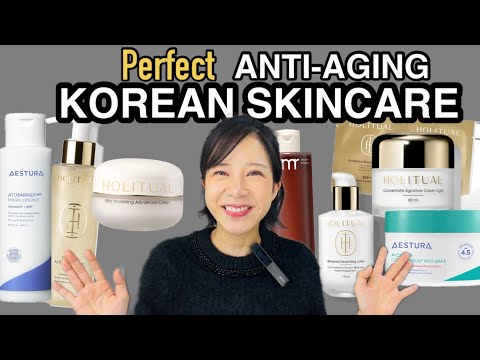
The K-beauty industry ranges from mass-market accessibility to premium luxury. COSRX is one of the most internationally successful affordable K-beauty brands, known for clean formulations and effective acne and hydration products, particularly its BHA Blackhead Power Liquid and Snail Mucin Essence. Innisfree, backed by Amorepacific, occupies a natural and eco-conscious positioning with formulations featuring Jeju Island ingredients. Laneige is famous internationally for its Water Sleeping Mask and Lip Sleeping Mask.
At the premium end, Sulwhasoo draws on Korean herbal medicine tradition to create sophisticated ginseng-based formulations. Amorepacific's flagship brand is one of the most technically sophisticated Korean beauty brands, with laboratory research to match the world's leading skincare companies. History of Whoo (by LG Household and Health Care) occupies an ultra-premium niche with traditional Korean palace beauty formulations presented in elaborate lacquerware-inspired packaging.
K-beauty and Korean Food: A Shared Philosophy
The connection between Korean beauty culture and Korean food culture is more than coincidental. Both reflect a Korean philosophical emphasis on nourishment, protection, fermentation, natural ingredients, and the compounding benefits of consistent daily practice. Many K-beauty ingredients (fermented rice, ginseng, green tea, honey, sesame) are also staples of Korean cooking, and the traditional Korean approach to health has always viewed internal nourishment and external skin health as complementary rather than separate concerns.
Korean food culture, with its emphasis on fermented foods (kimchi, doenjang, ganjang) that support gut health, antioxidant-rich vegetables, and collagen-promoting bone broths (seolleongtang, gomtang), aligns naturally with a beauty philosophy that views healthy skin as a whole-body project rather than a purely topical one. The popularity of Korean beauty masks made from fermented ingredients directly parallels the role of fermentation in Korean cooking.
Elevate Your Skincare with K-beauty
Whether you are just discovering K-beauty or deepening an existing routine, the Daebak K-Beauty Box brings the best of Korean skincare and beauty directly to your door each month — curated K-beauty products, sheet masks, skincare essentials, and beauty innovations from Korea's top brands.
Explore the Daebak K-Beauty Box
Final Thoughts
K-beauty has earned its global influence by delivering genuine results. Behind the beautifully designed packaging and the clever marketing is a skincare industry that invests heavily in research, listens carefully to its consumers, and produces formulations that work. If you are new to Korean skincare, start simply: a good cleanser, a hydrating toner, a targeted serum, and daily SPF will transform your skin over months of consistent use. Then explore the layers as your curiosity grows. The philosophy rewards patience, and the results speak for themselves.


