


Table of Contents
Korea runs on a calendar that mixes ancient lunar rituals, hard-won national milestones, and modern global celebrations. Across the year, the country officially observes 15 public holidays, locally called 공휴일 (gonghyuil). Some, like Seollal and Chuseok, stretch into three day family marathons. Others, like Constitution Day, have quietly faded into commemorative status. If you are planning a trip, working with a Korean partner, or just curious about why everything closes on a random Wednesday in October, this guide walks you through every Korean public holiday, what it means, and how it changes daily life on the ground.

The Two Pillars: Seollal and Chuseok
Two holidays anchor the entire Korean calendar. 설날 (Seollal), the Lunar New Year, falls in late January or early February and runs for three days. Families gather to bow to their elders in a ritual called 세배 (sebae), eat 떡국 (tteokguk) rice cake soup that adds a year to your Korean age, and play folk games like 윷놀이 yutnori. 추석 (Chuseok), the mid autumn harvest festival, lands on the 15th day of the eighth lunar month, also running three days. Families share 송편 (songpyeon) half moon rice cakes, perform 차례 (charye) ancestral rites, and visit family graves for 성묘 (seongmyo). These are the two times of year when Korea quite literally moves: more than 30 million people travel domestically.
The Spring Lineup: From Independence to Buddha's Birthday
The first half of the year is packed. 신정 (Sinjeong), the Western New Year on January 1, is a single quiet day for hangover recovery. 삼일절 (Samiljeol) on March 1 marks the 1919 independence protests against Japanese colonial rule, when Koreans nationwide read the Declaration of Independence. 부처님 오신 날 (Buddha's Birthday), based on the lunar April 8, usually lands in May and floods Seoul with the Yeon Deung Hoe lotus lantern parade through Jongno. 어린이날 (Children's Day) on May 5 is when amusement parks, zoos, and museums hit peak chaos, with parents promising the world to their kids.
.jpg/alternates/LANDSCAPE_910/1.%20By%20Seoul%20Childrens%20Grand%20Park%203.jpg)
The Summer Stretch: Memorial Day, Constitution Day, and Liberation Day
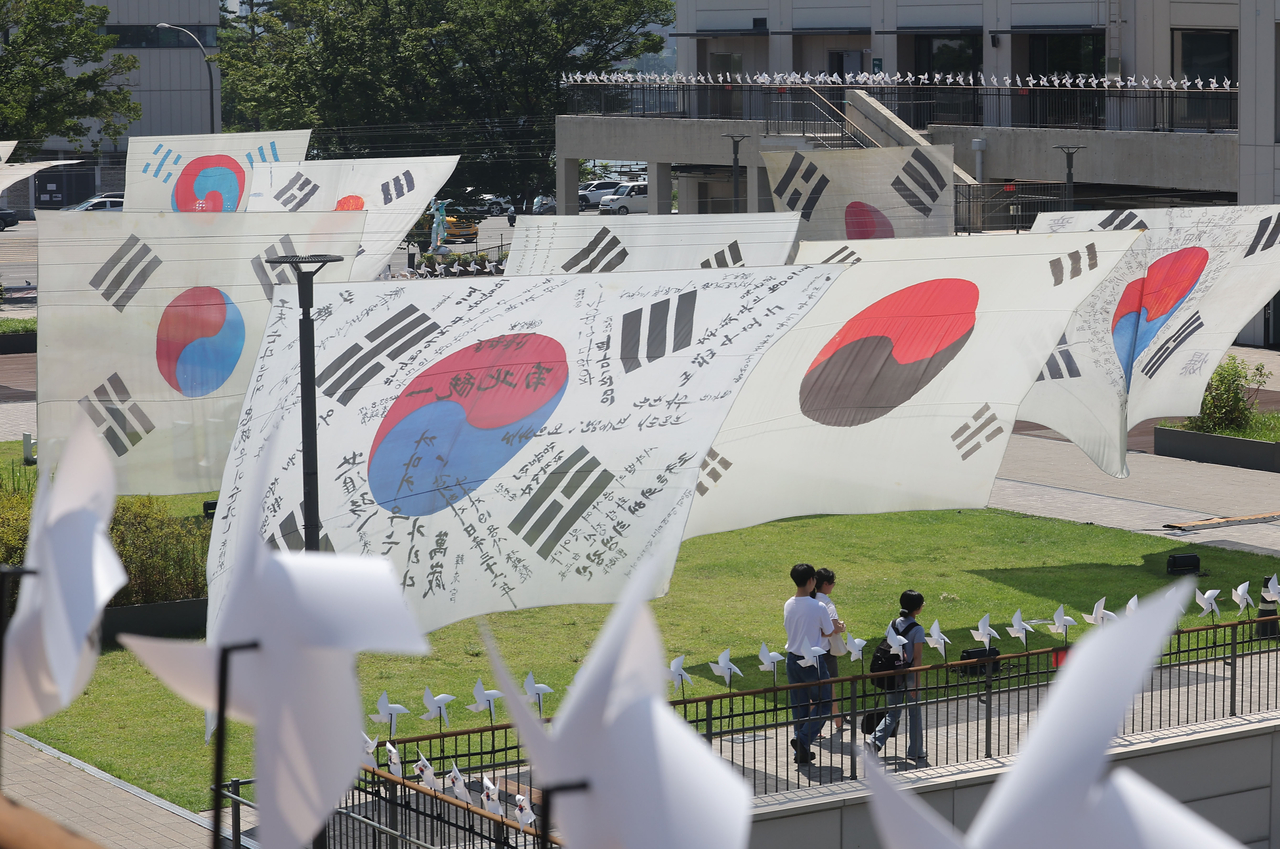
Summer brings the most solemn dates of the year. 현충일 (Hyeonchungil), Memorial Day on June 6, honors fallen soldiers and patriots with a national moment of silence at 10 a.m. and a ceremony at Seoul National Cemetery. 제헌절 (Jeheonjeol), Constitution Day on July 17, marked the 1948 founding of the Korean constitution. It was downgraded from public holiday to commemorative day in 2008, so offices stay open even though the flag flies. The big summer event is 광복절 (Gwangbokjeol), Liberation Day on August 15, which marks Korea's 1945 independence from Japanese colonial rule. Expect Taegeukgi flags on every building, a presidential address, and concerts citywide.
The Fall Cluster: National Foundation Day and Hangul Day
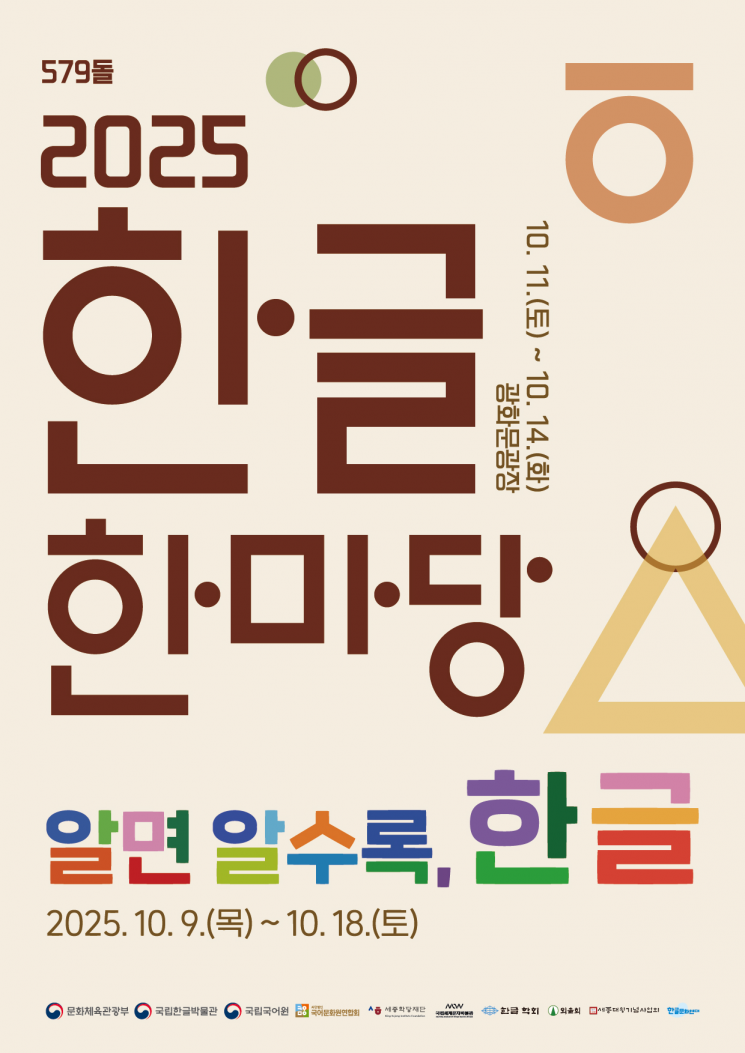
October is a wishbone month. 개천절 (Gaecheonjeol), National Foundation Day on October 3, commemorates the legendary founding of Gojoseon by Dangun in 2333 BCE. 한글날 (Hangeullal), Hangul Day on October 9, celebrates the creation of the Korean alphabet by King Sejong the Great in 1446. The Ministry of Culture lays flowers at the King Sejong statue in Gwanghwamun Plaza at 9 a.m., followed by the official commemorative ceremony and a week long Hangul Hanmadang festival of performances, exhibitions, and a dictation contest at Gyeongbokgung Palace. Together with weekends, these two October holidays often combine into a 황금연휴 (golden long weekend).
Christmas, Substitute Holidays, and the 2026 Calendar
크리스마스 (Christmas) on December 25 closes the year as a romantic couples' holiday rather than a family one, with department store windows and Paris Baguette cakes leading the charge. Korea also runs a 대체공휴일 (substitute holiday) law: when a holiday falls on a Sunday or overlaps with a weekend, the next Monday becomes a paid day off. Combined with strategic 연차 (annual leave), Koreans engineer 징검다리 연휴 (stepping stone bridges) that turn a single Wednesday holiday into a five day getaway. The 2026 calendar gives Seollal from Feb 16 to 18, Chuseok from Sept 24 to 26, and a Liberation Day that falls on a Saturday, triggering a substitute Monday off on August 17.
How Holidays Reshape Daily Life
Public holidays do not just close offices. They redraw the entire infrastructure. KTX bullet train tickets between Seoul, Busan, and Gwangju sell out within minutes of booking opening, and expressways slow to a crawl, with a Seoul to Busan drive that normally takes five hours stretching past nine. Department stores like Shinsegae and Hyundai run their biggest sales of the year on Seollal and Chuseok eve. Hotel rates in Jeju and Gangwon ski resorts spike 50 to 100 percent. Seoul Metro keeps running on normal schedules, and K-pop concerts on a holiday Saturday can sell out a 50,000 seat stadium in an hour. Even superstition gets involved: business owners avoid scheduling launches on a 빨간 날 (red day on the calendar), because nothing important should land on a holiday.
Workplace Vacation Culture vs. Public Holidays
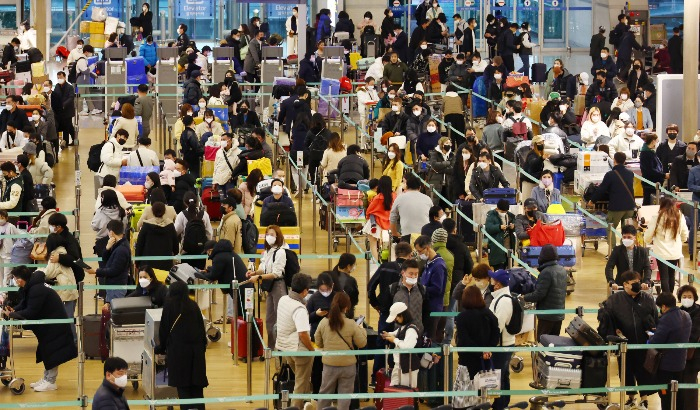
Public holidays are separate from workplace 휴가 (hyuga) vacation. Korean labor law guarantees 15 to 25 paid annual leave days depending on tenure, but cultural pressure historically kept usage low, with many workers banking days they never took. That has shifted: younger employees now openly stack annual leave on either side of Chuseok and Seollal to create week long international trips, fueling the Incheon Airport boom. Smaller businesses, especially restaurants and family run shops, often close completely for the three day Seollal and Chuseok windows, while department stores stay open with rotating staff. If you visit Korea during a major holiday, plan around closures, book transport weeks in advance, and lean into the tourist friendly events at palaces, which open for free to anyone wearing hanbok.
Explore More of Korea with Daebak
Want to bring a little piece of Korea into your life? The Daebak Box is packed with the best Korean snacks, ramen, and cultural goodies delivered monthly to your door.


