


Table of Contents
If you have ever opened your phone, scrolled down a glowing, full-color comic, and lost an entire evening to a story about hunters, high schoolers, or hellbound sinners, you have already met one of Korea's most influential cultural exports. Webtoons, the mobile-first digital comics pioneered in South Korea, have grown from a niche online curiosity into a global, multi-billion-dollar industry that now feeds Netflix, Disney+, anime studios, and gaming giants.
At the center of this revolution sit two homegrown rivals, Naver Webtoon and Kakao Webtoon, whose vertical-scrolling, full-color comics have rewired how the world reads sequential art. Here is a guide to how the format works, why it is different from Japanese manga, the biggest hits adapted into K-dramas and films, and how to read webtoons in English wherever you live.

The Rise of Naver Webtoon and Kakao Webtoon
Naver Webtoon traces its roots back to 2004, when the Korean search portal Naver launched a free comics service to give amateur cartoonists a digital home. Kakao's lineage runs even further: Daum Webtoon launched in 2003 as the world's first official webtoon platform, and after Daum merged with Kakao, it was relaunched as Kakao Webtoon in 2021. Together the two platforms now control the majority of the Korean market and a huge slice of global readership.
By 2025, Naver Webtoon's app boasted around 156.1 million monthly active users globally, while Kakao's Japan-focused service Piccoma sits among the largest digital comics platforms in the world. The rivalry has spilled into Japan, Southeast Asia, North America, and Europe, with both companies racing to sign intellectual property partners, web novel platforms, and local creators.
What Makes Korean Webtoons Different from Manga and Comics
The format itself is the secret sauce. Traditional Japanese manga and American comics are designed for the printed page: black and white, right-to-left or left-to-right panels, and a fixed grid you turn one page at a time. Korean webtoons were built for the smartphone era from day one. They are vertically scrolling, full color, single-column strips designed to be read with one thumb.
That single change unlocks a different storytelling rhythm. Artists use long vertical drops for suspense, sudden bursts of empty white space for pauses, animated effects, embedded soundtracks, and color shifts to set mood. Where manga rewards careful page composition, webtoons reward kinetic, cinematic flow. The result feels closer to a soundless mini-drama than a traditional comic book.
Biggest Webtoon Hits Adapted into K-Dramas, Films, and Anime
Webtoons have quietly become the writers' room for the Korean Wave. Some of the biggest streaming hits of the past five years started as smartphone comics. JTBC's Itaewon Class was based on a Kakao webtoon by Gwang Jin and ended its 2020 run with a 16.5 percent rating, one of the highest ever on Korean cable. Naver's True Beauty, by Yaongyi, has been read by more than 10 million global fans and was turned into a hit tvN romantic comedy in 2020 and 2021.
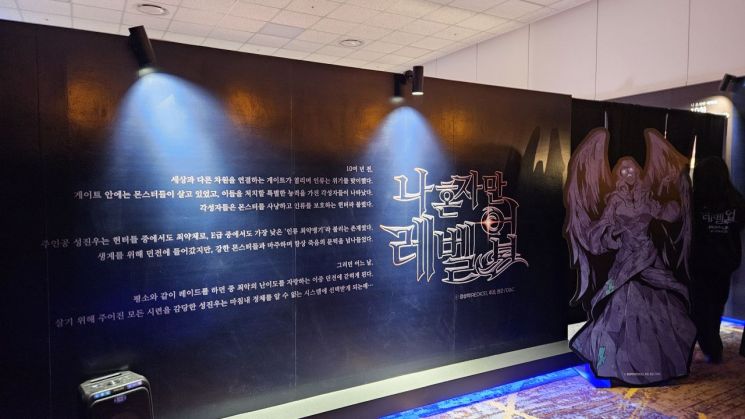
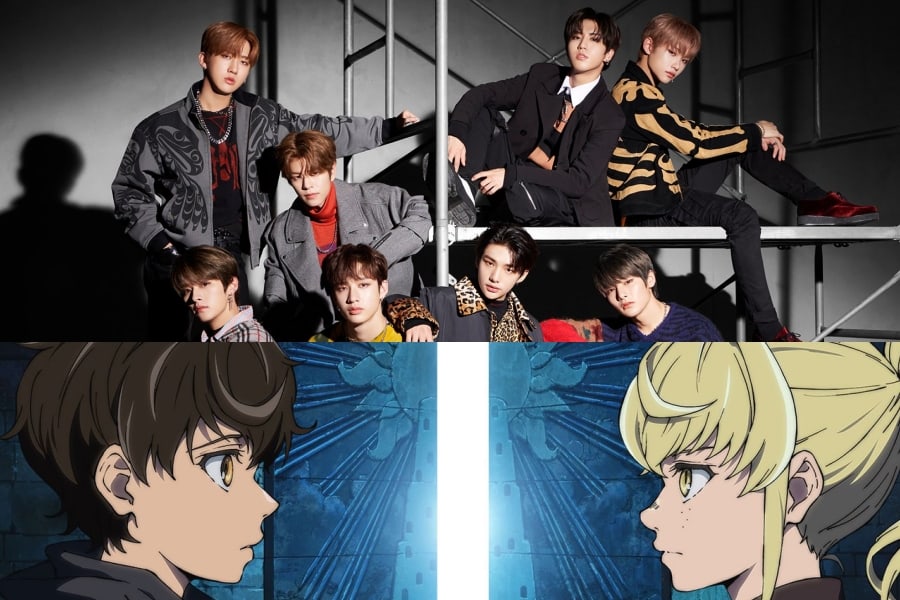
Netflix has leaned hard into webtoon IP. Sweet Home, All of Us Are Dead, and Hellbound, the last directed by Yeon Sang-ho who also wrote the original webtoon, all topped the platform's global non-English charts. Anime adaptations have followed: Tower of God debuted in 2020 with theme songs by Stray Kids, and Solo Leveling, by Chugong and the late artist DUBU (Jang Seong-rak), aired as a co-produced anime in 2024 and spawned Netmarble's blockbuster mobile RPG. Other adaptations span Lookism (Netflix animated series), The Boxer, and the upcoming Disney+ partnership that will reborn Spider-Man and Avengers as vertical webtoons.

The Global Expansion: Line Webtoon, Webtoon US, Tappytoon, and More
The global push started in 2014, when Naver launched Line Webtoon (now simply WEBTOON) for English readers. A decade later the company spun off Webtoon Entertainment, listed it on Nasdaq in 2024, and raised about 315 million dollars at a valuation north of 2.7 billion dollars. Kakao's strategy leans on premium IP: its Japanese platform Piccoma overtook Naver's Line Manga to become Japan's top digital comics service, with Korean webtoons making up roughly half of all revenue despite being only 1 percent of the catalog.
For English-speaking readers, the ecosystem is now huge. WEBTOON is the largest free-to-read app in the West. Tapas, acquired by Kakao, focuses on US originals and licensed Kakao titles. Tappytoon and Manta lean toward romance and BL. Lezhin Comics handles more mature content. Together they have built a true global pipeline, with Korean studios and platforms now signing partnership deals with Marvel, Disney, and 20th Century Studios to bring Western IP into the vertical scroll format.
How Korean Webtoon Artists Get Paid
One of the under-discussed reasons webtoons exploded is that Korea built a real business model for creators. Naver introduced its Page Profit Share (PPS) system early on, splitting ad revenue, paid-episode sales, and merchandise income with artists. Today, readers buy virtual currency called "cookies" on Naver Webtoon to unlock the next chapter early, while Kakao uses a "wait or pay" model that lets fans either wait for free chapters or pay to binge ahead.
At the top, the rewards are eye-watering. Naver has reported that its highest-earning creator made more than 10 million US dollars in a single year, and full-time webtoon artists earned an average of roughly 98 million won in 2022. The system is not perfect: about 3 in 10 webtoon artists surveyed have reported unfair contract terms, prompting both platforms and the Korean government to roll out new contract standards and support programs through agencies like the Korea Creative Content Agency.
How to Read Korean Webtoons in English
The easiest entry point is the free WEBTOON app or website (webtoons.com), where you can read officially translated versions of Tower of God, Lore Olympus, True Beauty, Lookism, and thousands more. Tapas and Tappytoon are great for premium romance and fantasy series, while Manta offers an all-you-can-read subscription. For more recent and serialized Kakao titles, look at Tapas, Pocket Comics, and Kakao's regional apps including Piccoma in Japan.
If you are new, start with a single completed series so you can binge without waiting. Solo Leveling, Sweet Home, and The Boxer are accessible action picks. True Beauty and Cheese in the Trap work well for romance. Hellbound and All of Us Are Dead pair beautifully with their Netflix versions if you want to compare panel and screen. Whichever you pick, the vertical scroll, the music inside your head, and the speed at which Korean creators turn pages into global TV is part of the fun.
Explore More of Korea with Daebak
Want to bring a little piece of Korea into your life? The Daebak Box is packed with the best Korean snacks, ramen, and cultural goodies delivered monthly to your door.


