


Table of Contents
Tea is a pretty big deal in most parts of the world. With endless tea shops and cafes popping up everywhere, it is hard to deny the popularity of the drink. Traditionally, tea is made up of different herbs, spices, and (of course) tea leaves, and in Korea that practice gets stretched a little further. Why should leaves be the only ingredient needed to make something delicious?
Here are just 5 of the unique tea flavors found in Korea.
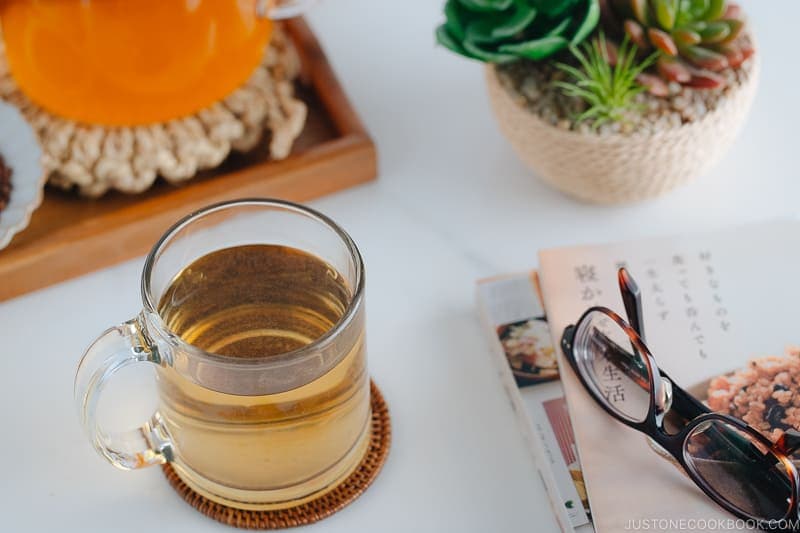
1. Buckwheat Tea
For those who do not know, buckwheat is a plant made up of grain-like seeds that are most commonly used to produce flour. When the seeds are ground and brewed into tea, the flavor is often described as similar to roasted nuts, which makes sense since the seeds are pan-fried and then soaked in piping hot water. Buckwheat tea is also known to help boost your metabolism, so you can try something new while improving your health at the same time.
2. Ginseng Tea
Ginseng tea is not made with traditional tea leaves but rather an infusion of different herbs and spices, and it takes a lot longer to brew. Containing both jujubes and Korean chestnuts, it is boiled over low heat for several hours. Once ready, honey is added as a sweetener depending on your preference, and pine nuts are floated on top.
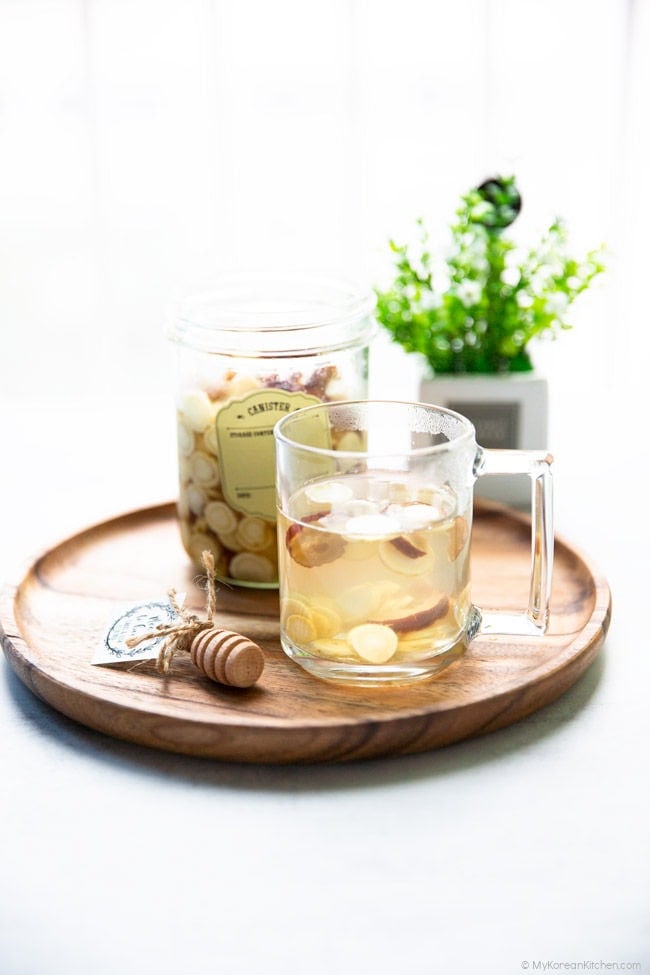
3. Solomon's Seal Tea
Here is a tea that has been so popularized that you can find it at local vending machines in South Korea. Solomon's seal tea is made from the Solomon's seal root, which is roasted alongside nuts before being soaked in hot water. Unlike other teas, this one is quite thick and is most often compared to a light soup. It has a bit of protein, so it should not be mistaken for a meal, but it is lovely enjoyed alongside breakfast, lunch, or dinner.
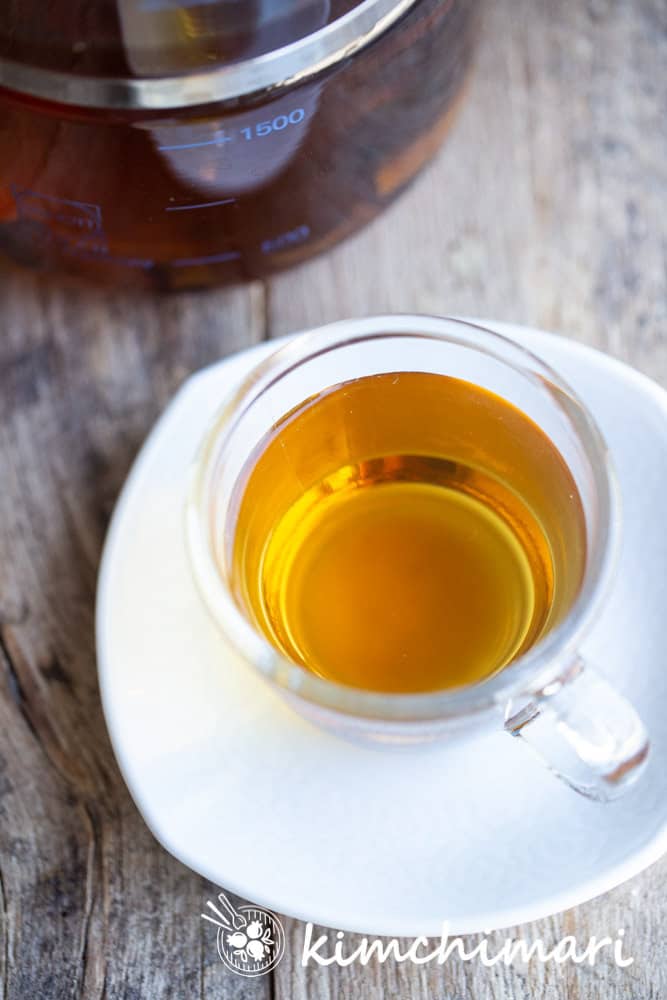
4. Yuja Tea
Lovers of citrus will take a definite liking to this tea. Yuja is a fruit similar to grapefruit but closer to a mandarin in flavor. During winter, when it is most popular, yuja marmalade (a thick jelly-like spread, much like jam) flies off the shelves of Korean grocery stores. It is normally used as a remedy for colds, and when brewed into a tea it can help soothe coughs and a sore throat. It is also one of the easiest teas to make at home: a spoonful of yuja marmalade plus hot water, and you have a warm cup of yuja tea.

5. Sweet Dew Tea
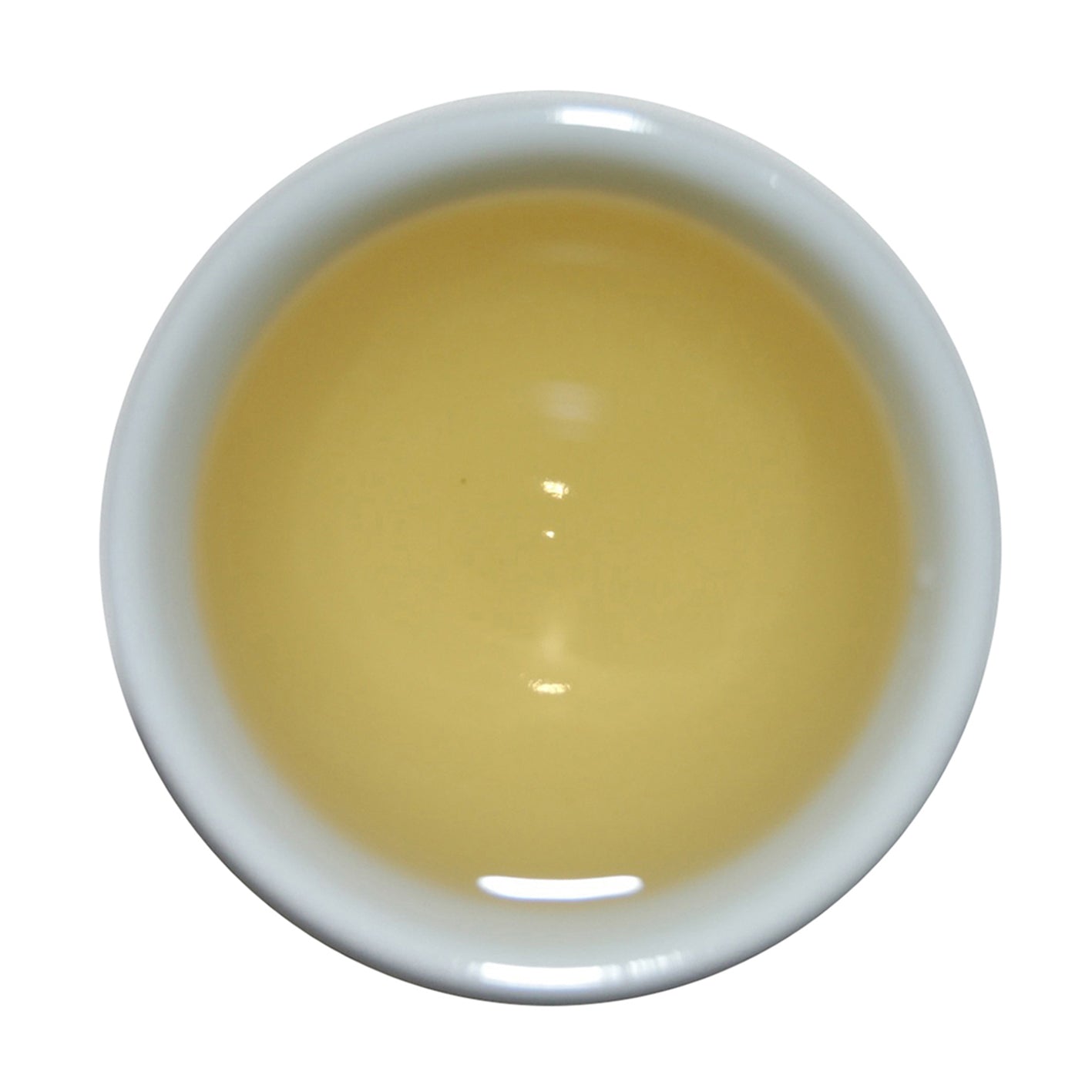
Sweet dew tea, known in Korean as gamno-cha, is made from hydrangea leaves and does not need much of a sweetener because it is already naturally sweet. It smells a little like peppermint and can be brewed in both cold and hot water. The tea has become so popular that people have it shipped to them all over the world because of how easy it is to brew and how naturally pleasant the taste is.
If reading about all of these teas has not made you want to cuddle up with your own cup, you must have tried them all already. Which have you tried? What are some unique Korean teas that we missed? We would love to hear your comments below.
Explore Korean Snacks with Daebak
Love Korean food? Get authentic Korean snacks and ramen delivered straight to your door with the SnackFever Box by Daebak.


