


Table of Contents
Walk into any modern Seoul apartment and you will notice the same quiet language: warm white walls, pale wood floors, a single ceramic vase on a low shelf, and big windows pulling in soft daylight. Korean minimalism, inspired by the global "healthy living" movement, has grown into a defining lifestyle trend across the peninsula. Unlike Japan's clutter free version, the Korean take is more flexible and achievable, building on neutral tones, natural textures, and a sense of warmth. Let's take a closer look at this very pleasing trend.
Neutral color schemes
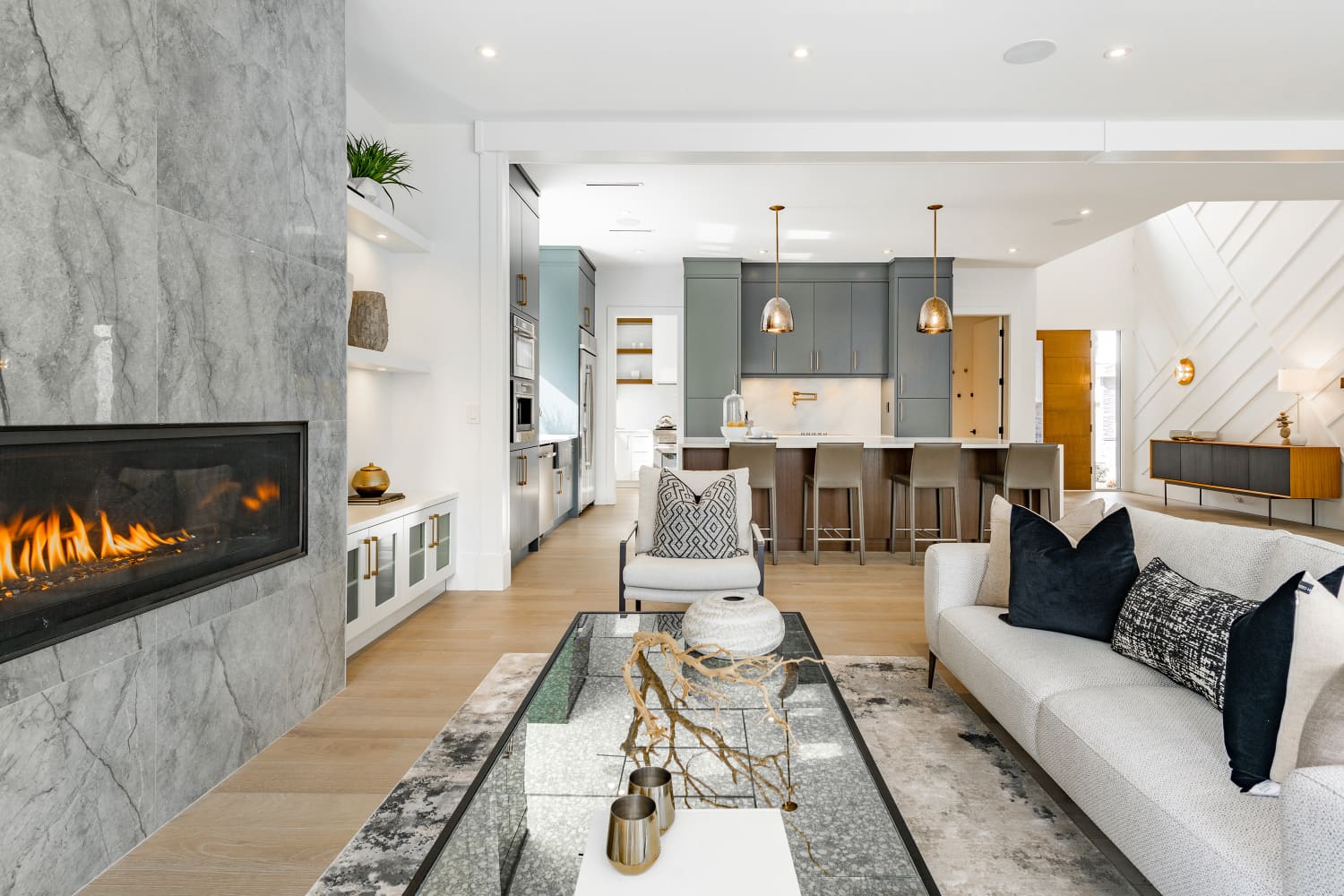
One word describes Korean minimalism best, cohesive. The clutter less look is achieved by sticking to a single, gentle color story, with neutral and nude tones taking center stage. A mix of white, cream, beige, and tan grounds the palette and lends the warmth that distinguishes Korean rooms from the stark white spaces of Western minimalism. Unlike Japan's trend, which finds its origins in compact living spaces and the lack of material things, Korea's minimalism focuses on creating a sense of unity, with the occasional sprinkle of softer brights to add life to the carefully composed scenes you see on Instagram.

Use of textures
When most people think of minimalism, they picture cold chrome surfaces and glass. South Korea has moved in the opposite direction, embracing natural, everyday textures and furniture instead. Wood, leaves, leather, and woven textiles are some of the most popular elements featured, helping create a more natural and effortless look. Textiles in particular bring subtle color and pattern to otherwise neutral backgrounds. Contrary to the famously sleek Western minimalism, the Korean version has a more lived in feel, taking advantage of vintage and rustic touches in interior decoration and architecture, an aesthetic the Korea Herald has tracked since the trend first gained traction.
Organized clutter
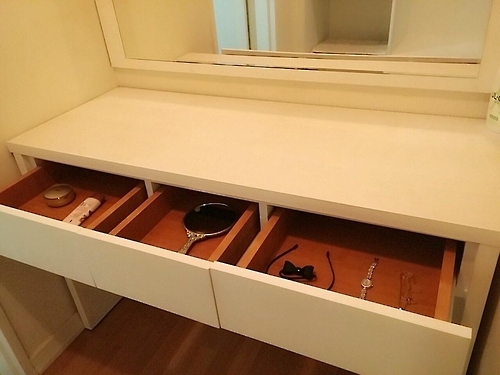
Korean minimalism has no quarrel with materialism, and this is its main difference from international counterparts. Those who choose this lifestyle do not have to say goodbye to ninety percent of their belongings. They simply learn how to organize them so the room reads clean and orderly. This trend really is the epitome of the proverbial notion, "a place for everything and everything in its place." Books, teacups, and small trinkets collected over the years become part of the decoration, adding to the feeling of a home that has been lived in and loved.

Architecture that breathes
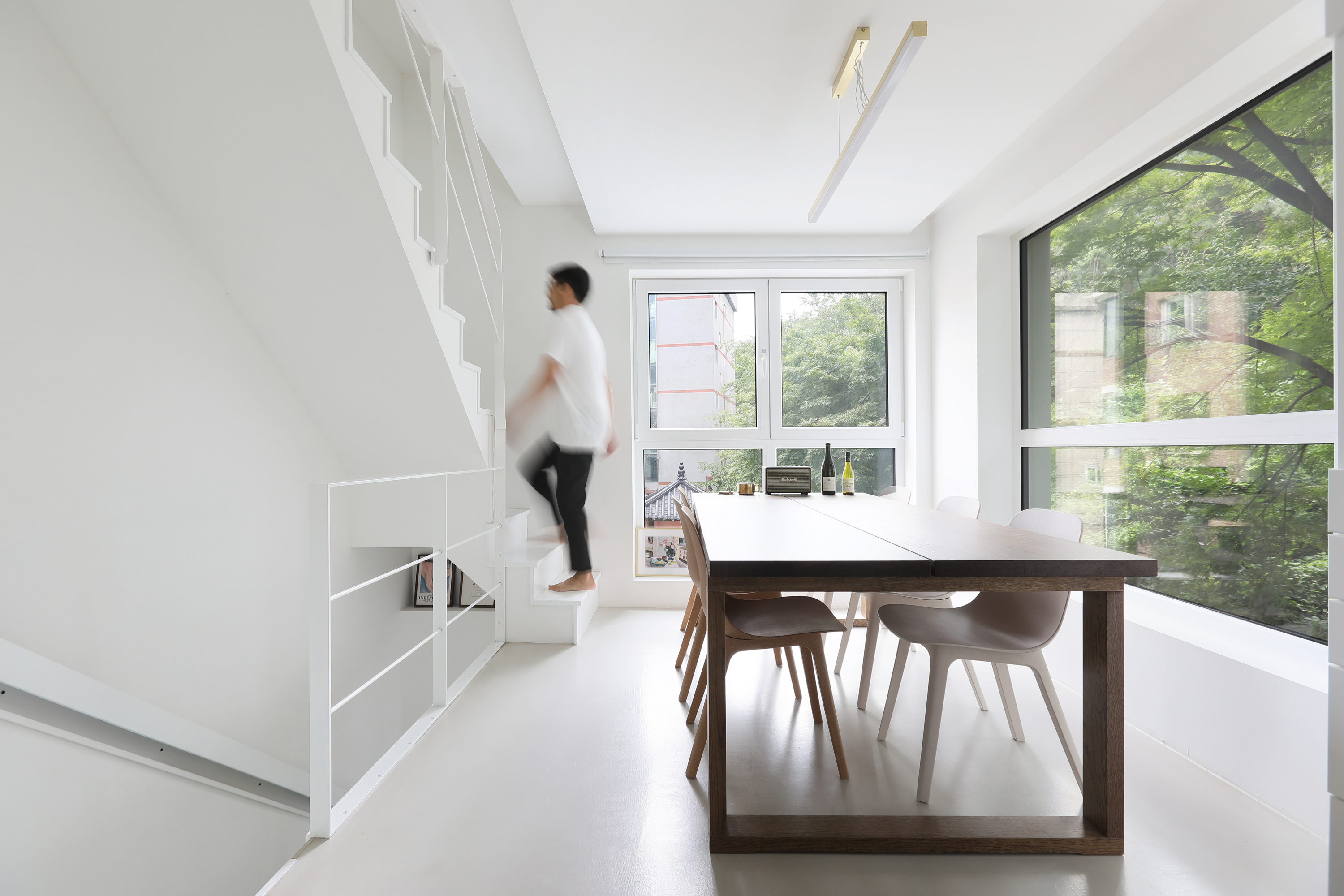
The new wave of Korean minimalism is also being shaped by a generation of Seoul architects working with extremely small urban lots. Projects like the Seroro House by Smaller Architects, a five story home stacked on a 355 square foot plot, prove the style is not just an Instagram aesthetic. White plasterboard walls, a steel and wood staircase, and big framed views of the city are the practical answer to Seoul's dense housing market. As designer Minwook Choi told Dwell, the home was meant to feel like "a lighthouse" sparking curiosity from afar while staying restrained inside. That balance of restraint and personality is the heart of Korean minimalism.
Why it resonates now
As minimalism rises in popularity around the world, the Korean branch of this trend rises with it. Thousands of Instagram users follow minimalist Korean accounts for inspiration, or simply to stare at the carefully curated photographs that exude a sense of homeliness difficult to find elsewhere. The trend has practical roots too, with rising numbers of dual income households and small Seoul apartments pushing residents toward smarter, lighter homes. With such stunning yet achievable aesthetics, it is not difficult to see why so many people are choosing this lifestyle.
Explore More of Korea with Daebak
Want to bring a little piece of Korea into your life? The Daebak Box is packed with the best Korean snacks, ramen, and cultural goodies delivered monthly to your door.


