


Table of Contents
One of the first memories many travelers have of Seoul is walking up a long street to find cafes at every corner. Big ones, small ones, chain cafes, independent ones. Sometimes multiple branches of Starbucks or Ediya in the same block. For visitors from smaller cities, the sheer density is startling, and it sparks an obvious question: why are there so many cafes in Korea, and what is the secret behind their popularity? Is it the drinks, the atmosphere, or some delicate balance of both?

From Royal Curiosity to a Nation of Coffee Drinkers
Coffee arrived in Korea in 1896, when King Gojong tasted the drink while taking refuge at the Russian legation and brought the habit home. The first cafe, then called a dabang, opened in 1902, and for decades coffee was a luxury reserved for the upper class. Everything changed with instant coffee, then with the arrival of Starbucks in 1999. South Korea now drinks an astonishing amount of coffee, as much as 405 cups per person annually according to The Korea Herald, and Seoul alone is home to roughly 18,000 cafes, with some estimates putting the national total at around 100,000.
Specialty Coffee in Mapo-gu: Anthracite, Fritz, and Beyond
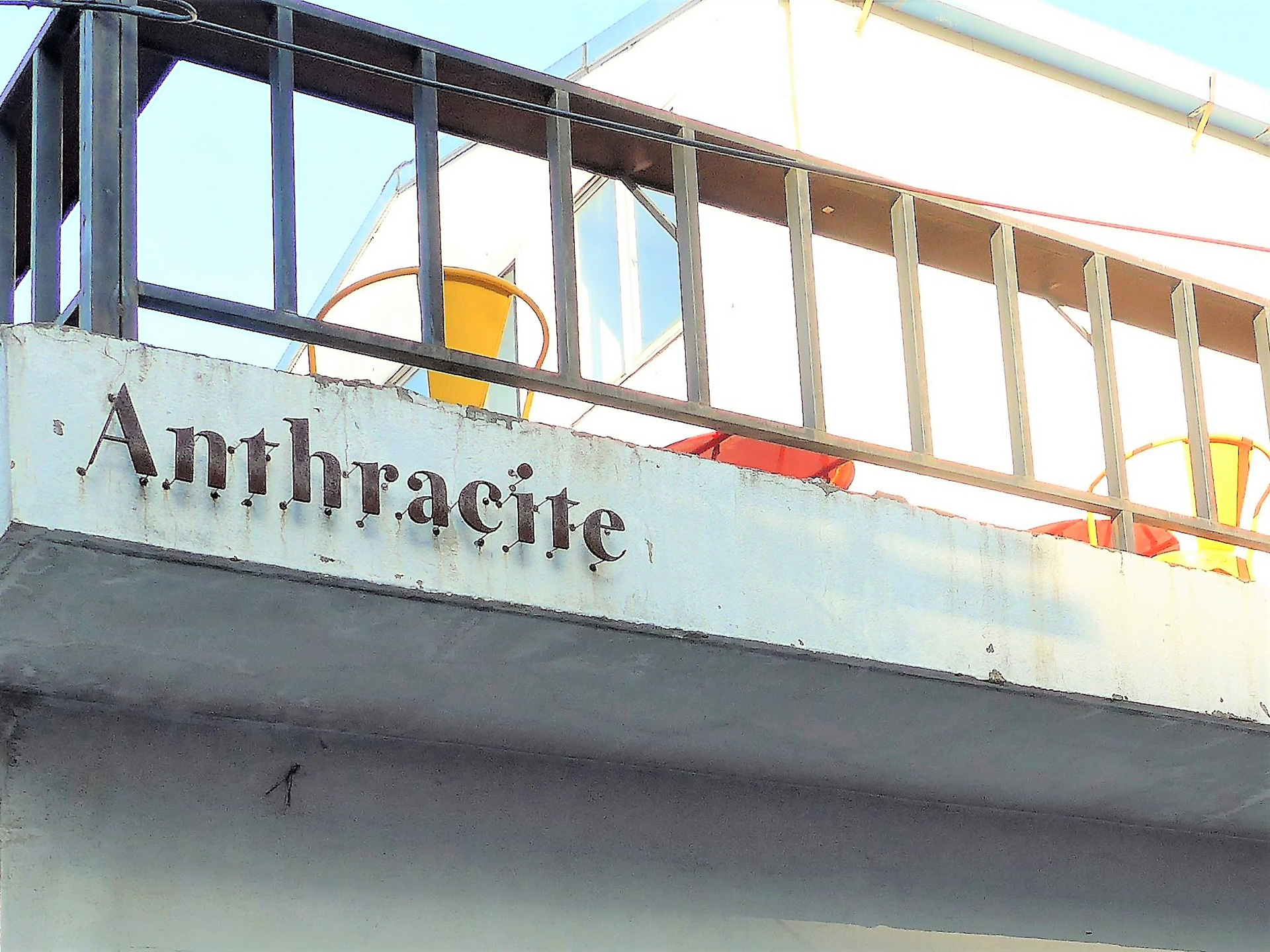
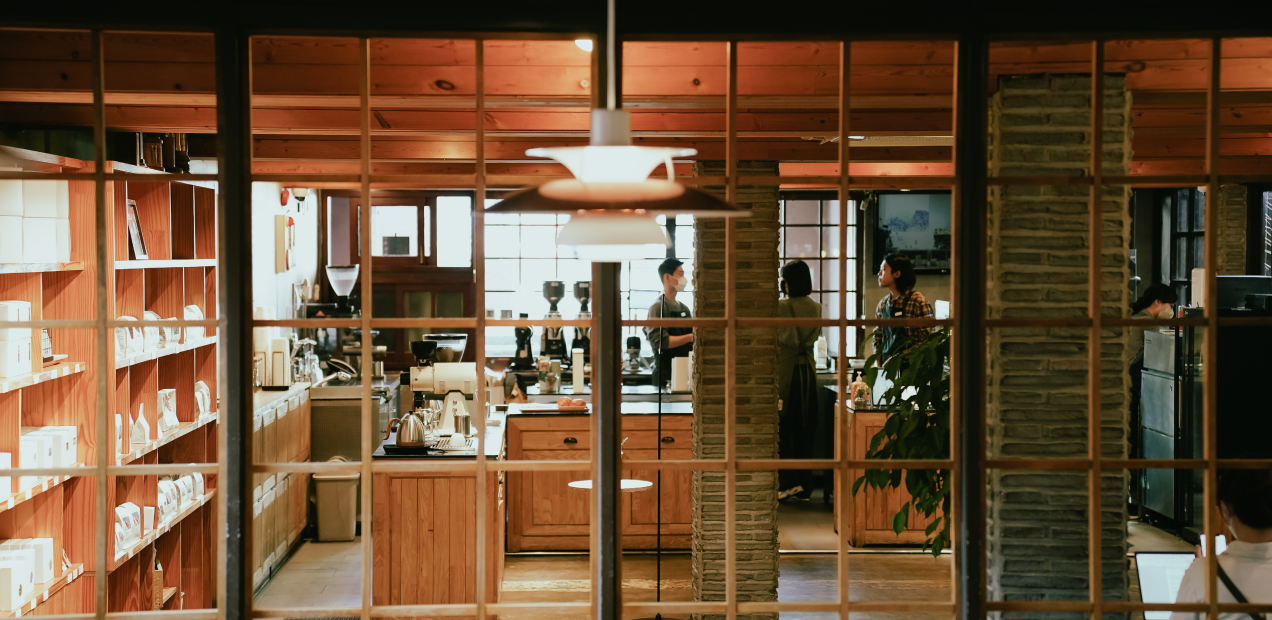
The clearest window into Korea's modern coffee identity is Mapo-gu in western Seoul, the district that holds Hongdae, Yeonnam-dong, Mangwon, and Hapjeong. Sprudge calls it one of the world's most exciting specialty coffee centers, where ideas borrowed from Tokyo or Copenhagen mix freely with homegrown ingenuity. Anthracite Coffee, founded inside a former shoe factory in Hapjeong, is the cornerstone many locals point to first. Concrete walls, stone floors, exposed beams, and an ambient hush make it feel less like a cafe and more like a working studio for coffee. Fritz Coffee Company, meanwhile, runs a beloved flagship inside a renovated hanok in Dohwa-dong, balancing single-origin pour-overs with red bean croissants and a seal mascot that has become its own kind of national symbol.
The Yeonnam-dong Cafe Crawl
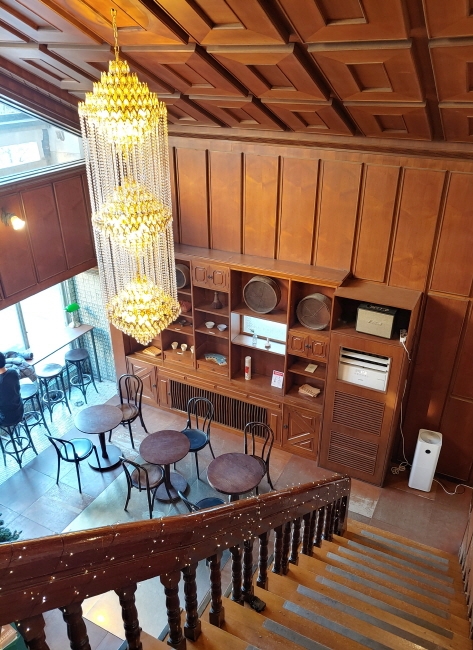
If specialty roasteries set the tone for serious coffee, Yeonnam-dong sets the tone for daily life. The Korea Tourism Organization calls it the hippest neighborhood in Seoul, a blend of modern trends and old-fashioned retro mood threaded along the Gyeongui Line Forest Park. Cafe-hopping here is a sport. One favorite is Yeonnam Bangagan, a cafe carved out of an old house, kept antique on purpose and famous for a sesame latte that uses freshly pressed local sesame oil. It is also one of the spots where BTS once held a photoshoot, a small footnote that does nothing to slow the line on weekends.
Themed Cafes and the Second Living Room
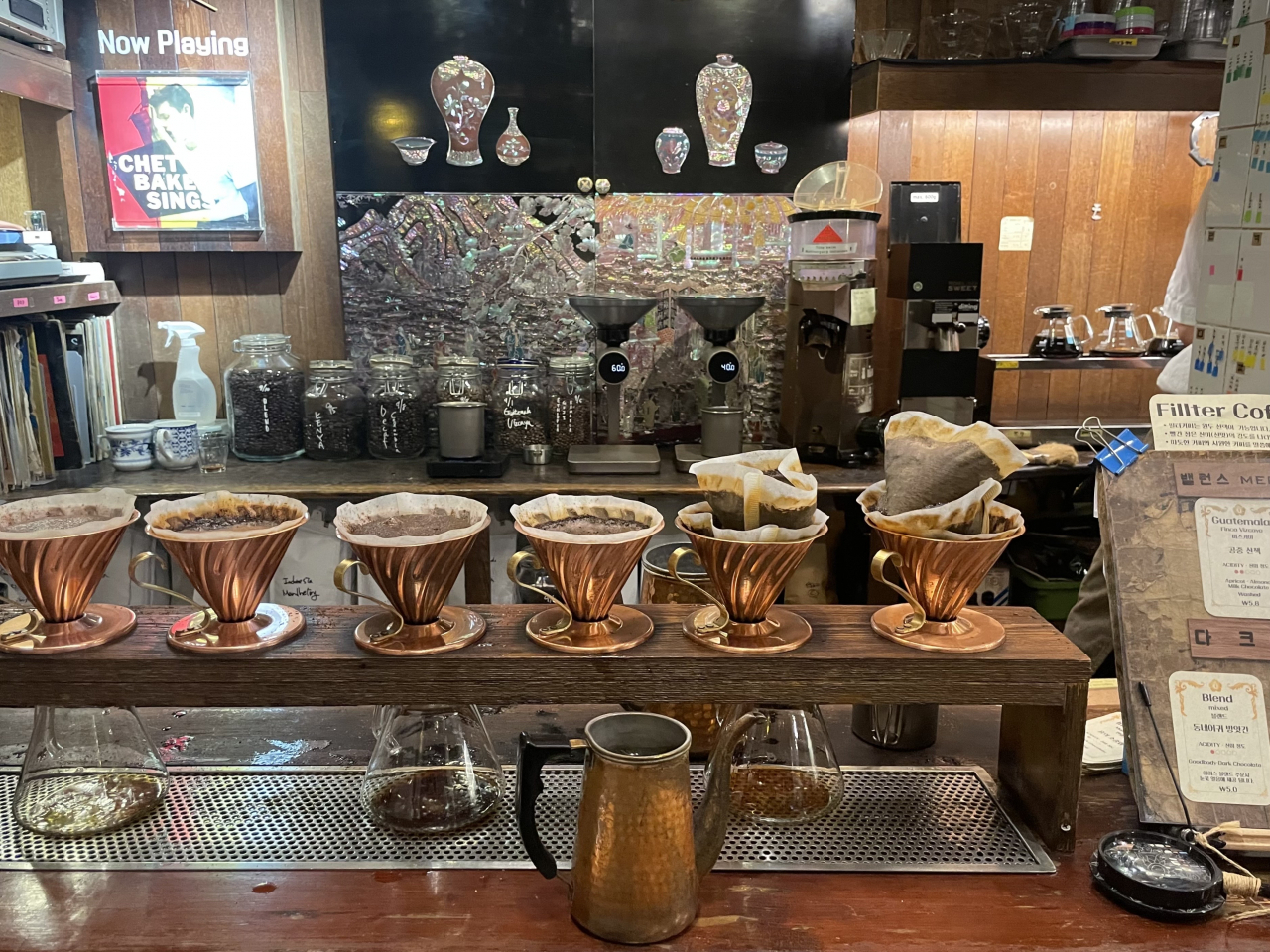
Korean cafes refuse to stay in one lane. The Korea Herald and Seoulinspired both note that the country has split its cafe scene into chain cafes, independents, and what they call Korean cafes, where the main attraction is the room itself, comics, pets, books, vinyl, or a meticulously designed garden. Cheong Su Dang in Yeonnam-dong is a perfect example, a calm bamboo-and-pond retreat famous for egg coffee and souffle castella, designed so every angle is photogenic. Coffee Hanyakbang in Euljiro takes the opposite tack, freezing the 1920s into a single mother-of-pearl counter inside a 560-year-old former hospital. Each space is a reminder that, in the words of one observer, cafes here are essentially social. Couples on dates, students with laptops, friends meeting halfway, and freelancers all share the room without anyone telling them to move along.
Why the Cafe, Not the Coffee, Wins
So why does the cafe model hold up against cheap convenience store Americanos and an endlessly improving wave of Korean instant coffee? Because the price you pay is not really for the drink. It is for the space. In a country where many people in their twenties still live with their parents or in a tiny goshiwon, cafes function as an extension of home, an office, and a living room all at once. Seoulbeats puts it bluntly: cafes are social places. RoadsAndKingdoms argues that the speed and convenience of coffee fits perfectly into a busy life. Both are right. People come for the cafe, and the coffee just happens to be a bonus.
Cafe Districts to Build a Trip Around
If you want to feel Korea's cafe culture for yourself, build your itinerary around the districts where it lives. Yeonnam-dong and Mangwon-dong offer cozy alleyways and indie roasters. Seongsu-dong, the former shoe factory district along Yeonmujang-gil, has been reborn as a cluster of warehouse cafes, designer pop-ups, and galleries. Hongdae stays loud and youthful with cafes squeezed between music venues. Itaewon, Hannam-dong, and Bukchon each offer their own moods, from international roasters to hanok dessert rooms. Whether you splurge on a single-origin pour-over at Fritz, share a hongsi pavlova in Mangwon, or just grab a seat at Anthracite to catch your breath, the rule is the same. Pick a cafe, settle in, and stay as long as you like.
Explore More of Korea with Daebak
Want to bring a little piece of Korea into your life? The Daebak Box is packed with the best Korean snacks, ramen, and cultural goodies delivered monthly to your door.


