


Table of Contents
Tofu, or dubu (두부) in Korean, is one of the most beloved everyday ingredients in Korea. Once a luxury food reserved for temples and Goryeo-era aristocrats, dubu became a household staple in the Joseon era and now appears in stews, side dishes, salads, and even noodle soups. Its mild flavor, silky texture, and high plant protein content make it a perfect canvas for Korean spices like gochugaru, doenjang, and sesame oil.

What Is Dubu? A Short History of Korean Tofu
Dubu is made by soaking dried soybeans, blending them into a slurry, simmering the mixture into soy milk, and then coagulating it with a salt like nigari or sea-salt brine before pressing. During the Goryeo Dynasty (918 to 1392) it was a luxury food tied closely to Buddhist temple cuisine, where vegetarian protein was essential. By the Joseon era, improved techniques made dubu widely affordable. Today it carries cultural weight too: in Korea, tofu is famously offered to people released from prison as a symbol of purity and a fresh start.
The Main Varieties: Sundubu, Mu-Dubu, and Yubu
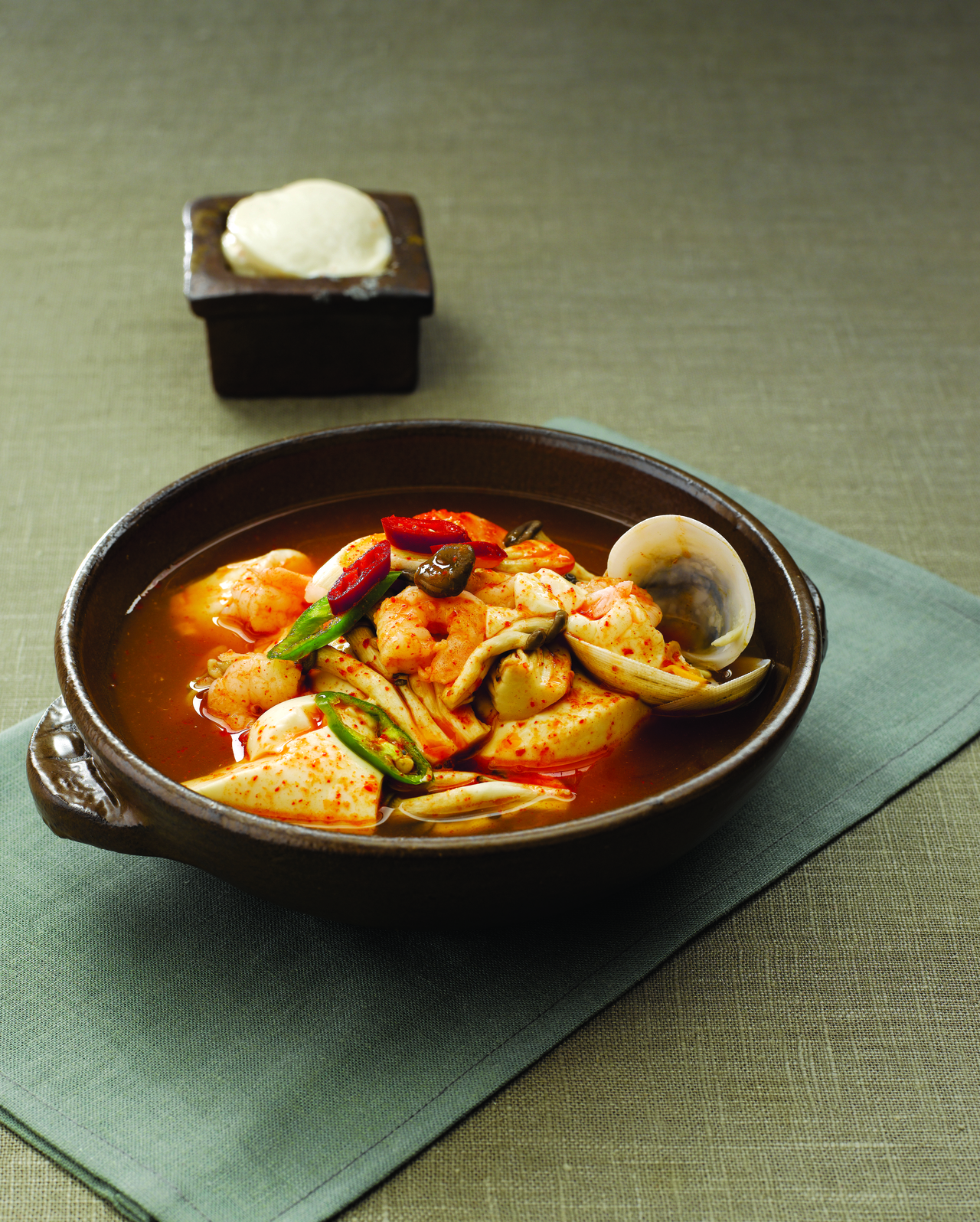
Korean block tofu typically comes in three textures sorted by how much water is pressed out. Mu-dubu (firm tofu, 부침용) is dense and pan-fries beautifully without falling apart, making it ideal for dubu-jorim. Jjigae-yong dubu (soft tofu) is medium-textured and built for stews like doenjang-jjigae. Sundubu or soondubu (silken tofu, 순두부) is unpressed, almost custardy, and used in sundubu-jjigae or eaten plain with a soy dipping sauce called yangnyeomjang. Then there is yubu (유부), thin sheets of deep-fried tofu used as pouches in yubu-chobap (Korean inari) and as toppings on udon-style noodle soups.
Sundubu-Jjigae: The Bubbling Soft Tofu Stew
Sundubu-jjigae (순두부찌개) is the dish that introduced many people abroad to Korean tofu. It is a fiery red stew of silken tofu simmered with kimchi, pork or seafood, gochugaru, garlic, and anchovy broth, finished with a raw egg cracked into the bubbling pot at the table. The silken sundubu breaks apart in soft clouds, soaking up the spicy broth. Variations include haemul-sundubu (seafood), kimchi-sundubu, and a mild vegan deulkkae-sundubu made with ground perilla seeds.
Dubu-Jorim, Mapa-Dubu, and Other Everyday Dishes
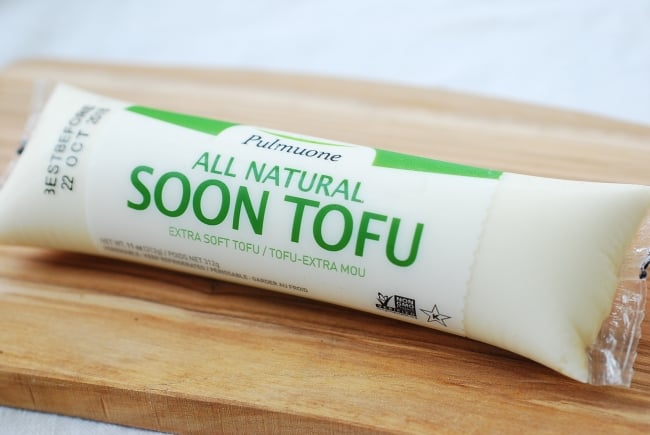
Beyond stew, dubu shines as banchan and as a main. Dubu-jorim (두부조림) pan-fries firm tofu slices, then braises them in a sweet-savory soy sauce with garlic, gochugaru, scallions, and sesame oil. It tastes great warm or cold and is a classic Korean lunchbox (dosirak) staple. Mapa-dubu (마파두부) is the Koreanized take on Sichuan mapo tofu, milder and a little sweeter, served over rice as a one-bowl meal. Dubu-kimchi pairs warm boiled tofu with stir-fried kimchi and pork, a favorite anju pairing for makgeolli and soju.
Kongguksu: Cold Soy Noodles for Korean Summers
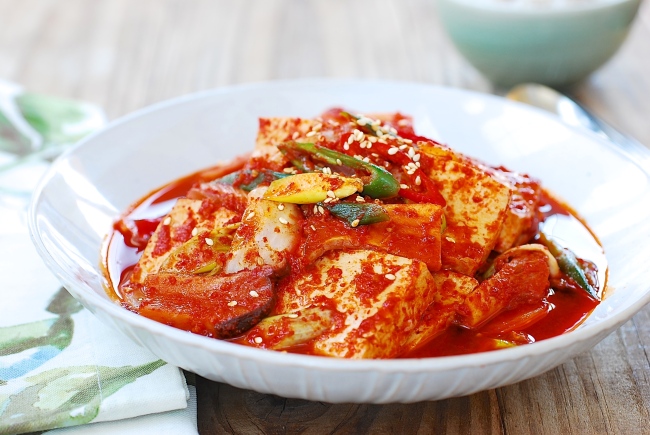
While not made from pressed tofu, kongguksu (콩국수) belongs in any tofu conversation because it celebrates the same soybean. This summer noodle dish bathes thin somyeon wheat noodles in a chilled, creamy soy milk broth made by pureeing cooked soybeans with pine nuts or sesame seeds. Some quick recipes even use silken tofu blended with soy milk to shortcut the broth. Topped with julienned cucumber, tomato, and a sprinkle of salt, kongguksu is Korea's answer to humid August afternoons.
Korean Tofu Brands: Pulmuone, CJ, and Beyond
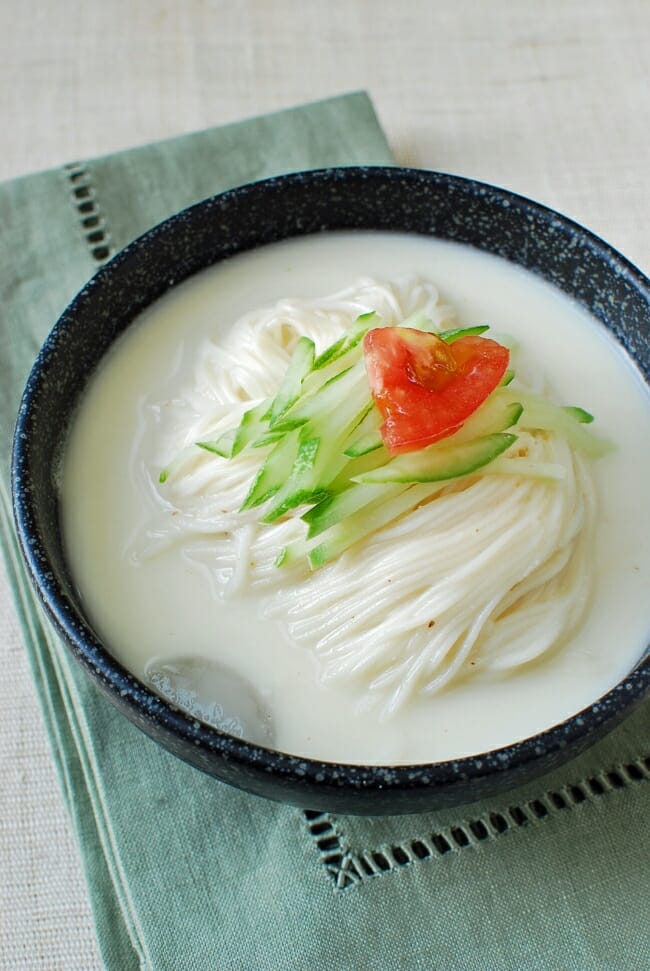
If you visit a Korean grocery, two brand names dominate the dubu aisle. Pulmuone (풍무원) is the household leader, famous for fresh organic tofu, sprouts, and a clear plant-forward identity that has gone global with US distribution. CJ Beksul (CJ 백설), part of the giant CJ CheilJedang group, offers tofu under the Haechandle and Beksul lines along with seasonings and doenjang that pair perfectly with tofu cooking. Smaller brands like Chongga and Ottogi round out the shelf with sundubu tubes, firm blocks, and yubu pouches. Most blocks are stamped with intended use, jjigae-yong, buchim-yong, or saengsik-yong, so you can pick the right texture at a glance.
Nutrition and Where to Buy Outside Korea
Dubu is naturally low in calories, cholesterol-free, and packed with plant protein, calcium, iron, and all nine essential amino acids, which is why it has long anchored Korean Buddhist temple cuisine and modern vegan menus. A typical 100-gram serving of firm tofu delivers around 8 grams of protein. Outside Korea, you can find Pulmuone and similar Korean brands at H Mart, Hannam Chain, and most Asian supermarkets. Online, Weee!, Yamibuy, and Amazon Fresh stock both fresh blocks and shelf-stable silken tofu. For Korean-specific seasonings, doenjang, gochugaru, ssamjang, and saeujeot, you can build a tofu-ready pantry in one shop.
Explore Korean Snacks with Daebak
Love Korean food? Get authentic Korean snacks and ramen delivered straight to your door with the SnackFever Box by Daebak.


