


Table of Contents
Long before K-pop reached global audiences, Korea had already developed one of Asia's most expressive musical traditions. Gugak (국악), literally meaning 'national music,' is the umbrella term for all forms of traditional Korean music, ranging from the stately court orchestras of the Joseon palace to the raw, improvised storytelling songs sung in village squares. At its emotional center sits pansori, a UNESCO-recognized solo singing art that can stretch for hours, accompanied by nothing more than a single drummer and a folding fan.
This guide walks through what gugak is, the major genres you should know, the unforgettable world of pansori with its five surviving stories, the key instruments behind the sound, the modern fusion artists bringing it to global stages, and the best venues in Seoul to experience it live.
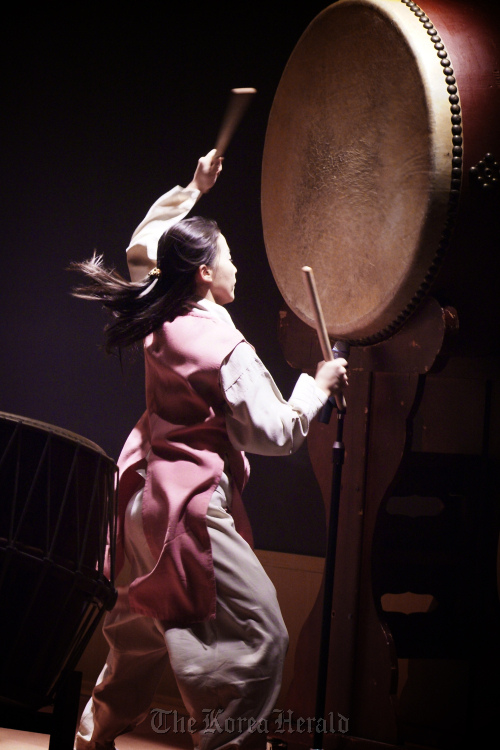
What Is Gugak? Korea's Umbrella Term for Traditional Music
The word gugak (국악) is a catchall covering every type of traditional Korean music, from the elegant ceremonial pieces once performed for kings to the work songs sung by farmers in rice fields. Korean musicologists generally divide gugak into two large branches: jeongak (정악, refined or court music) and minsogak (민속악, folk music). Within these branches sit countless sub-genres, solo and ensemble forms, vocal traditions, and ritual repertoires that together stretch back more than a thousand years.
What makes gugak distinct from many Western traditions is its emphasis on individual expression within fixed structures. Performers are expected to add subtle ornaments, slides, and vibrato called nonghyeon, so the same piece can sound noticeably different from one master to another.
The Major Genres of Gugak
Once you know the main families of gugak, the rest of the tradition becomes much easier to navigate. The most important ones are:
- Jeongak (court music): Slow, dignified, and orchestral, jeongak was performed at royal ceremonies, Confucian rituals, and aristocratic gatherings. Pieces like Yeongsanhoesang remain the gold standard of refined Korean music.
- Minsogak (folk music): Earthy and improvisational, minsogak includes work songs, regional folk songs (minyo), shamanic music, and pansori. It is the sound of ordinary Korean life.
- Sanjo: A virtuosic solo instrumental form, usually for gayageum, geomungo, daegeum, or haegeum, paired with a single janggu drummer. Sanjo moves through several rhythmic cycles, from slow and meditative to dazzlingly fast.
- Sinawi: A free, almost jazz-like ensemble music rooted in southern shamanic rituals, in which several instruments improvise around a shared rhythmic skeleton.
- Samulnori: A modern, four-instrument percussion genre developed in 1978 from older nongak farmers' band traditions, now Korea's most famous gugak export.
Pansori: Korea's UNESCO-Listed Storytelling Song
If gugak has a beating heart, it is pansori (판소리). Pansori is performed by a single singer (sorikkun) holding a folding fan, accompanied by one drummer (gosu) who plays a barrel drum called the buk and shouts words of encouragement known as chuimsae. A full performance can last anywhere from one to eight hours, weaving together song (chang), spoken narration (aniri), and gesture (ballim).
UNESCO inscribed pansori on its list of Intangible Cultural Heritage of Humanity in 2003, recognizing it as one of the world's most distinctive oral traditions. The art form likely emerged in the 17th and 18th centuries from wandering shamans, street performers, and storytellers in the southwestern Jeolla region, before being adopted by the upper classes in the late Joseon era.
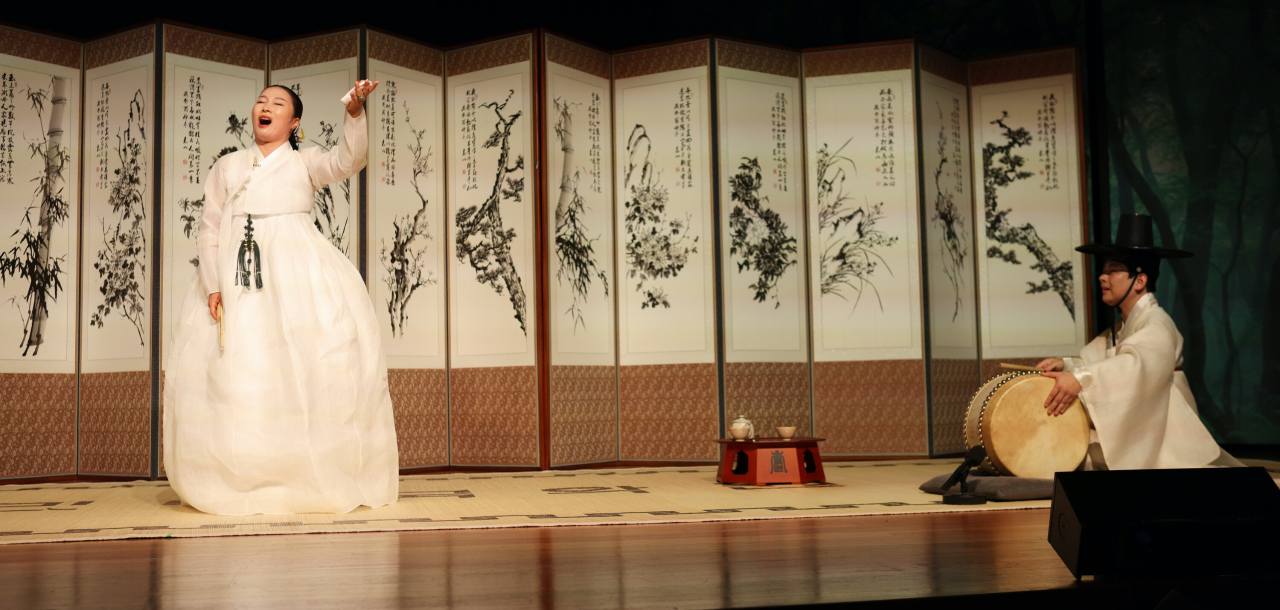
The Five Surviving Madang of Pansori
Historians believe at least twelve full pansori epics, called madang, once existed. Only five have survived intact, and these are the works you will hear at almost every pansori performance today:
- Chunhyangga (춘향가): The most beloved pansori, telling the love story of Chunhyang, the daughter of a gisaeng, and Mongryong, a nobleman's son, who defy social class and a corrupt magistrate to stay together.
- Simcheongga (심청가): The tearjerker of the five, in which the devoted daughter Simcheong sacrifices herself to the sea to restore her blind father's sight.
- Heungbuga (흥부가): A comic moral fable about two brothers, the kindhearted Heungbu and his greedy elder brother Nolbu, that revolves around an injured swallow and a magic gourd.
- Sugungga (수궁가): The 'Song of the Underwater Palace,' a witty fable in which a sly rabbit outsmarts the Dragon King's turtle envoy. Leenalchi's viral hit 'Tiger Is Coming' comes from this story.
- Jeokbyeokga (적벽가): A martial epic adapted from the Chinese 'Romance of the Three Kingdoms,' focused on the Battle of Red Cliffs.
Key Korean Traditional Instruments
Gugak features more than 60 traditional instruments, but a handful form the core sound that anyone exploring Korean music should recognize.
- Gayageum (가야금): A 12-stringed plucked zither with a paulownia-wood body, known for its bright, warm tone. Its name comes from the ancient Gaya confederacy that supposedly invented it nearly 1,500 years ago.
- Geomungo (거문고): A six-stringed bass zither plucked with a thin bamboo stick called a suldae. Its deeper, more austere voice was historically favored by Confucian scholars.
- Daegeum (대금): A large transverse bamboo flute with a buzzing membrane that gives it an unmistakable airy, slightly raspy timbre, central to both court and folk music.
- Haegeum (해금): A two-stringed vertical fiddle bowed between the strings, capable of vocal-like glides and cries that can sound startlingly human.
- Janggu (장구): The hourglass-shaped double-headed drum that drives almost every gugak ensemble, with a soft skin on one side and a harder skin on the other.
- Buk (북): The barrel drum used to accompany pansori, where the gosu's beats and shouts shape the entire emotional arc of the performance.
Modern Fusion Gugak: Leenalchi, Ssingssing, and ADG7
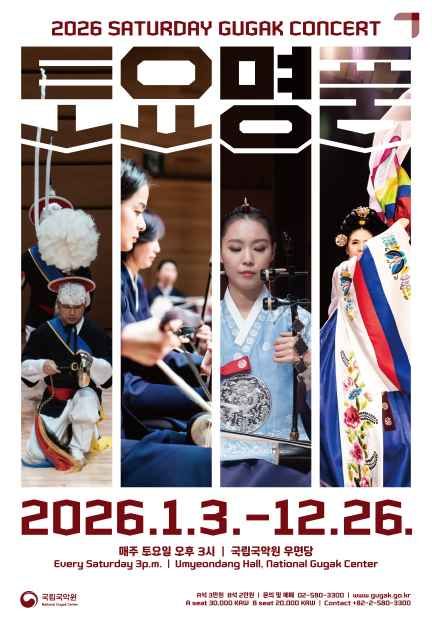
Gugak is far from a museum piece. A new generation of bands has fused traditional vocals and instruments with rock, funk, electronica, and pop to create what fans loosely call 'fusion gugak,' even when the artists themselves resist the label.
- Leenalchi: The seven-member band whose 2020 single 'Tiger Is Coming,' drawn from the pansori epic Sugungga, exploded worldwide thanks to a 'Feel the Rhythm of Korea' tourism video with the Ambiguous Dance Company. The group is named after Lee Nal-chi, a 19th-century pansori master and tightrope walker. Their 2025 album 'Heungboga' dives into another of the five surviving epics.
- Ssingssing: A genre-defying band that combined Korean shaman songs and folk minyo with glam rock and disco aesthetics, drawing massive global attention after their 2017 NPR Tiny Desk Concert.
- ADG7 (Ak Dan Gwang Chil): A nine-piece ensemble that performs exclusively on traditional Korean instruments and draws on shamanic gut rituals and Seodo Minyo folk songs from what is now North Korea. Their self-described 'shamanic funk' has played WOMEX, globalFEST, and Austin's Psych Fest.
Where to Experience Gugak in Seoul
You do not need to travel deep into the Jeolla countryside to experience gugak. Seoul has several venues where you can watch professional performances any week of the year.
- National Gugak Center (Seocho-gu): The official institution preserving Korean court and folk music, with a regular Saturday Gugak Concert at Umyeondang Hall, weekday lectures, and a free Gugak Museum. Tickets are typically 20,000 to 30,000 won.
- Korea House (Jung-gu): A long-running cultural venue near Chungmuro that has staged traditional music and dance performances for more than 20 years, often paired with a royal cuisine meal.
- Korea Cultural House (KOUS) in Gangnam: Run by the Korea Heritage Agency, this hall hosts gugak concerts, folk dance, and cultural workshops in hanbok, tea, and traditional cooking.
- Palace performances: Gyeongbokgung, Changdeokgung, and Deoksugung frequently host gugak performances during seasonal festivals such as the spring Royal Culture Festival, and the changing-of-the-guard ceremonies use traditional Daechwita military music.
- National Theater of Korea: Home to the National Changgeuk Company, which stages full-length changgeuk (operatic pansori) productions that are an excellent gateway for first-timers.

Why Gugak Still Matters Today
For centuries, gugak carried the joys, griefs, and prayers of ordinary Koreans, often in places where written records never reached. Today it lives on two tracks at once: meticulously preserved by institutions like the National Gugak Center and the Korea Heritage Agency, and constantly reinvented by artists who refuse to let it become a relic. Listening to a pansori master draw cries from a single fan, or watching Leenalchi turn a 17th-century epic into a worldwide earworm, you realize how seamlessly the old and new can coexist when a tradition is alive.
Explore More of Korea with Daebak
Want to bring a little piece of Korea into your life? The Daebak Box is packed with the best Korean snacks, ramen, and cultural goodies delivered monthly to your door.


