


Table of Contents
There is a good chance you have seen it without knowing it: a small, squat green bottle with a white label, sitting on a table at a Korean restaurant, being poured into tiny glasses that are downed in one shot. That is soju, and it is the world's best-selling spirit by volume. More bottles of soju are sold each year than Johnnie Walker, Bacardi, and Captain Morgan combined. South Korea alone consumes over three billion bottles annually. And yet outside Korea, many people are only now beginning to discover it.
What Is Soju?
Soju is a clear, colorless Korean distilled spirit, traditionally made from rice, but today most commonly produced from sweet potato, tapioca, barley, or wheat starch. It ranges in alcohol content from around 16% ABV for the popular diluted commercial varieties to 45% ABV or more for premium traditional soju made by artisan distillers.
The flavor of mainstream commercial soju is clean and relatively neutral, with a mild sweetness and a subtle burn on the finish. It has been described as somewhere between vodka and sake, though this comparison does a disservice to both. Traditional distilled soju (called "andong soju" or "traditional soju") has a far more complex character, with grain notes, earthiness, and a warmth that develops slowly.
A Brief History of Soju
Soju's origins trace back to the 13th century, when Mongol forces occupied parts of Korea during the Goryeo Dynasty and introduced the technique of distillation (known in Arabic as "araq") they had encountered through trade routes across Central Asia. The region around Andong in North Gyeongsang Province became the cradle of Korean distilled spirits, and Andong soju remains the benchmark for traditional production to this day.
For centuries, soju was made exclusively from rice using pot still distillation, a process that produced a spirit of significant complexity and character. Like whiskey or brandy, it reflected the grain, the water, and the hands of the distiller. It was expensive and prestigious, associated with medicinal use and the upper classes.
The Korean War (1950-1953) and its aftermath changed everything. Grain shortages made rice too valuable to distill, and the government banned rice-based soju production. Distillers switched to cheaper starches (primarily sweet potato and then tapioca), and production moved to column stills, which produce a more neutral spirit at higher volume. Dilution became standard, bringing alcohol content down from 30-35% to the 25% of the 1970s and the 16-17% common today.
This history explains the split personality of modern Korean soju. The category today contains both the mass-produced diluted spirit that conquers global sales charts and a growing revival of premium traditionally distilled varieties that honor the original craft.
The Major Brands
Jinro (now Jinro Chamisul) is the world's best-selling spirit brand and has held that title for decades. Produced by Hite-Jinro, Chamisul Original at 16.9% ABV and Chamisul Fresh at 16% are the most consumed soju globally. Their green bottles and white logo are a universal symbol of Korean drinking culture.
Lotte Liquor's Chum Churum ("like the first time") is the second most popular brand, differentiated by its use of alkaline water in production, which proponents claim makes for a smoother flavor and a gentler morning after. Good Day (Muhak), C1 (C1 Bhru), and O2Linn are other major regional brands popular in specific Korean provinces.
In the traditional premium segment, Andong Soju (produced by the Korea Traditional Liquor Institute) remains the gold standard, followed by producers like Hwayo (which offers a stylish modern line of grain soju at varying ABV levels) and various small regional distilleries recovering ancient production methods.
Flavored Soju: The Game Changer
The biggest shift in soju's global expansion came with the rise of flavored soju in the 2010s. Jinro introduced fruit-flavored varieties (grapefruit, green grape, peach, strawberry, blueberry) at 13% ABV, making soju accessible to people who found the original too harsh. These lighter, sweeter versions became enormously popular not just in Korea but among younger drinkers across Asia, the United States, and Europe.
Flavored soju is now the entry point for most international soju drinkers. Its approachable sweetness, low ABV, and colorful packaging make it easy to recommend as an alternative to cocktails or low-alcohol wine. It pairs well with spicy Korean food precisely because its sweetness tames heat without numbing the palate.
How Koreans Drink Soju
Soju etiquette reflects broader Korean cultural values around respect, hierarchy, and communal sharing. It is always poured for others, never for yourself. The eldest person at the table receives the first pour. When receiving a drink, you use both hands (or support your right forearm with your left hand). When you pour, you hold the bottle with both hands or support it similarly. Eye contact and a brief verbal acknowledgment accompany each toast.
Shots are standard. Soju is not typically sipped slowly like wine or whiskey. The culture of "one shot" (one shot glass consumed in full) is deeply embedded, though this has relaxed somewhat in recent years among younger Koreans who prefer to pace themselves. Refusing a pour offered by an elder can be seen as impolite, though modern drinking culture is increasingly accommodating of non-drinkers.
"Somaek" is the dominant mixed drink: soju and beer combined in varying ratios. A common approach is to drop a shot glass of soju into a glass of beer ("bomb shot" style), producing a clean, refreshing drink that is lower in alcohol than straight soju and more flavorful than beer alone. The typical somaek ratio debates (3:7, 4:6, or 5:5) are taken with considerable enthusiasm by Korean drinking culture devotees.
Soju Cocktails
Beyond somaek, soju's versatility as a cocktail base has been embraced by bartenders worldwide. Its clean flavor makes it an effective substitute for vodka in almost any cocktail recipe. A soju mojito, a soju mule (with ginger beer and lime), or a soju sunrise (with orange juice and grenadine) are all simple and appealing options for those wanting to explore beyond the standard shot.
"Maekju" (soju with beer and occasionally other mixers) has many named variants in Korean drinking culture: omeumi (soju with various colored sodas), watermelon soju (soju infused with watermelon juice and sugar), and "cocktail soju" with various fruit juices are popular at home drinking sessions. The creativity around soju mixing reflects how central it is to Korean social life.
Food Pairings
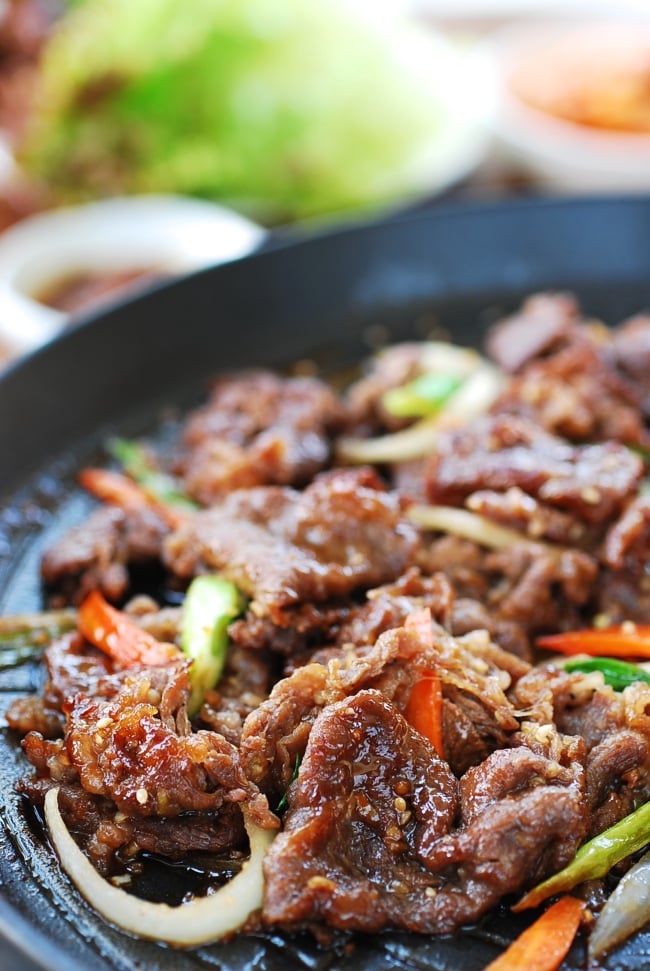
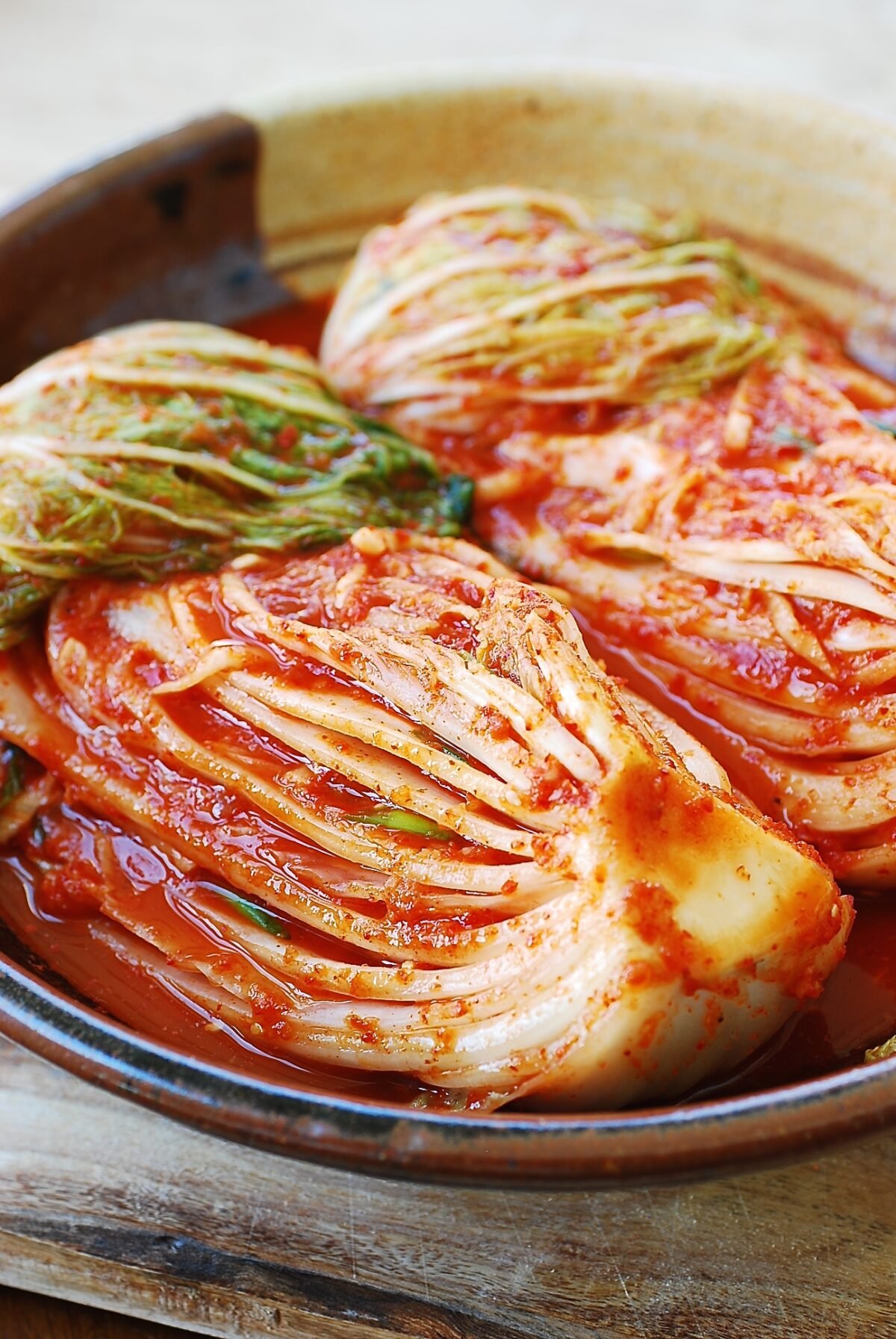
Soju pairs best with bold, savory, fatty Korean food. Korean BBQ is the most natural partner: the clean spirit cuts through grilled pork fat, refreshes the palate between bites, and amplifies the flavors of marinade and smoke. Spicy stews like sundubu jjigae and kimchi jjigae are classic accompaniments because soju's mildness tames the heat without competing with it.
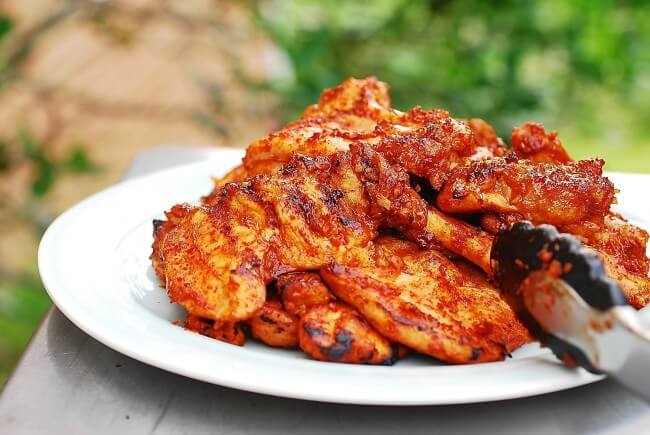
Fried chicken (chimaek: chicken plus maekju or soju) is a beloved Korean comfort combination. Raw fish (hoe) is traditionally paired with soju in coastal regions, and the combination remains popular. Even outside Korean cuisine, soju's neutrality means it adapts easily to a variety of foods, making it one of the most versatile spirits for food pairing.
Traditional Andong Soju
For those who want to understand what Korean distilled spirits were before industrialization, Andong soju is essential. Produced in Andong, North Gyeongsang Province, using traditional pot still distillation from rice and nuruk (fermentation starter), Andong soju reaches 45% ABV and carries a depth of flavor that mass-market products cannot approach.
The aroma is layered: grain, subtle fruit, earth, and warmth. On the palate, there is complexity and body that develop over time in the glass. It is sipped slowly, not shot. It is the soju that scholars and kings drank, and it represents an unbroken production tradition maintained through centuries of change. Internationally, it is available through specialty Korean liquor retailers and increasingly through online importers.
Soju Goes Global
Korean cultural exports, from K-pop to K-drama to Korean food, have accelerated soju's international recognition dramatically over the past decade. Scenes of soju drinking in popular Korean dramas introduced the beverage to millions of international viewers simultaneously. Korean restaurants worldwide began stocking it. Flavored soju in particular found a new global audience eager for an approachable, low-ABV alternative to vodka-based drinks.
The US, Japan, China, Southeast Asia, and Australia have all seen significant soju market growth. In the United States, soju is now often classified as a wine (due to its production method and ABV) rather than a spirit, which allows it to be sold at lower price points in many states. This regulatory quirk has helped expand distribution considerably.
Explore Korean Culture Through Daebak
While we do not sell alcohol, Daebak is your gateway to authentic Korean food culture, including the snacks that make soju evenings so much more fun. The SnackFever Box delivers curated Korean snacks monthly, from spicy rice cakes to savory chips, exactly the kind of food that belongs on the table whenever green bottles appear.
Final Thoughts
Soju is many things at once: the world's most consumed spirit and one of its least understood outside its home country; a centuries-old traditional craft and a symbol of mass industrialization; a simple table drink and a complex cultural artifact. Approaching it with curiosity, whether through a shot of Chamisul with Korean BBQ or a measured sip of Andong soju in a quiet moment, opens a window into Korean social life that is difficult to access any other way. Geonbae!


