


Table of Contents
Walk through a Korean palace, flip open a folk painting album, or even unbox a piece of K-pop merch, and you will quickly notice that animals are everywhere. South Korea has a long, layered tradition of giving meaning to creatures, from the towering tiger of the mountains to the tiny moon rabbit pounding rice cakes. This symbolism still shapes art, language, and modern pop culture today.

Tiger (호랑이): The Guardian of the Mountains
The tiger, or horangi, is Korea's national animal and the most powerful figure in its folklore. Koreans have long seen the peninsula itself as tiger-shaped, and the tiger appears in the founding myth of Dangun as a creature of strength and pride. In folk religion, the tiger is the messenger of the Mountain God (Sansin), and Joseon-era paintings often placed a tiger at the side of an old, white-bearded mountain spirit. Tiger images were pasted on doors during the Lunar New Year to ward off evil, a tradition that gave the country its reputation as the Land of Tigers.
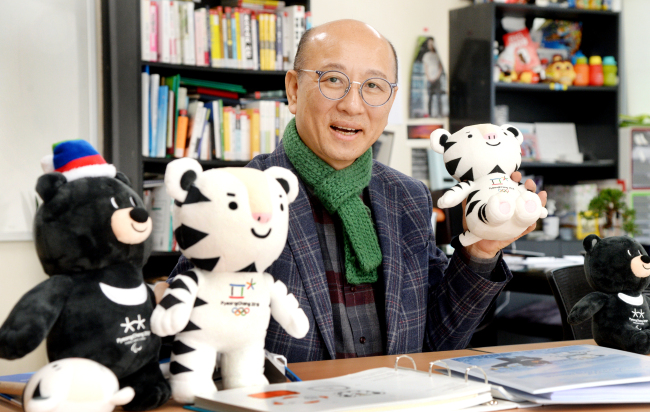
This deep cultural bond is exactly why the white tiger Soohorang was chosen as the mascot of the 2018 PyeongChang Winter Olympics. The name combines sooho (protection) and the last syllable of horangi (tiger), positioning the mascot as a guardian of athletes and visitors.
Dragon (용): Rain, Royalty, and Success
If the tiger rules the mountains, the dragon, or yong, rules the water and the sky. Unlike the fire-breathing dragons of Western tales, the Korean dragon is a benevolent creature that controls clouds and rain, so farmers and fishermen offered prayers to it for good harvests and safe voyages. The dragon was also the supreme symbol of the king: the royal robe was called the gonryongpo, the king's face was the yongan (dragon face), and his throne was decorated with five-clawed dragons.
Today, dragons remain attached to ambition and success. In 2024, the Year of the Blue Dragon, lantern festivals and exhibitions across Korea celebrated the only mythical creature in the twelve-animal zodiac, a being said to combine the head of a camel, the eyes of a rabbit, the scales of a carp, and the claws of a hawk.
Magpie (까치) and Crane (학): Joy, Longevity, and Nobility
Two birds dominate Korean folk imagery. The magpie, or kkachi, is the bearer of good news. An old saying claims that if a magpie cries in the morning, a welcome guest will arrive. Paired with a tiger in the famous kkachi horangi (Tiger and Magpie) paintings, the magpie became a witty stand-in for the common people, while the bumbling tiger satirized the yangban aristocracy.
The crane, or hak, plays a more serene role. Considered semi-divine, cranes can supposedly live a thousand years, which is why they appear in the sipjangsaeng, the Ten Symbols of Longevity. Scholars and noblemen embroidered cranes onto their robes to signal wisdom and dignity, while folding screens of cranes flying among pine trees were placed in royal banquets to bless the family with long life.
Rabbit (토끼) and Deer (사슴): Cleverness and Eternal Youth
The rabbit, or tokki, is Korea's clever underdog. In the classic tale of the Rabbit and the Turtle, a small rabbit tricks a sea-dragon king with quick wit. Look up at a full moon and Koreans will tell you that you can see the daltokki, the moon rabbit, pounding rice cakes with a wooden mortar, a folktale tied to Chuseok and the sharing of songpyeon.
The deer, or saseum, is another animal of longevity in the Ten Symbols. Often pictured beside immortal mountain spirits, deer are believed to find the magical fungus of eternal life. Their soft, graceful appearance made them favored subjects in court paintings that wished long life upon kings and queens.
Carp (잉어), Phoenix (봉황), and Tortoise (거북이)
Other animals carry equally specific blessings. The carp, or ingeo, is tied to academic success: legend says a carp brave enough to leap up the Dragon Gate waterfall transforms into a dragon, so paintings of jumping carp were given to students before the gwageo civil service exam. The phoenix, or bonghwang, is the queen's counterpart to the king's dragon, representing harmony, virtue, and refined culture; it still adorns the seal of the President of South Korea. The tortoise, or geobuk, is one of the Four Guardians of the cardinal directions alongside the tiger, dragon, and phoenix, and symbolizes endurance and long life.
Even the humble pig, or dwaeji, has a starring role. Because the Korean word for pig sounds close to words for wealth, dreaming of a pig is considered a sign of incoming fortune, and pig figurines often sit in Korean shops as good luck charms.
The Twelve Zodiac Animals (십이지신)
All of these creatures sit within a broader system: the sibijisin, or twelve zodiac animals, which assign one of twelve creatures to each year, hour, and direction. The cycle of rat, ox, tiger, rabbit, dragon, snake, horse, sheep, monkey, rooster, dog, and pig was adopted from China but took on distinctly Korean shapes, especially in Buddhist temple sculpture and royal tomb guardians. Koreans still ask each other what their tti is, using the zodiac as a polite way to figure out someone's age and personality.

Animal Symbolism in Minhwa Folk Paintings
The richest place to see Korean animal symbolism is in minhwa, the folk paintings that exploded in popularity during the late Joseon era. Minhwa flipped court traditions on their head: tigers became goofy and cross-eyed, magpies were drawn larger than life, and color palettes were bold and free. These were paintings made by and for ordinary people, hung on inner walls to bring health, scare off bad spirits, and crack a joke about authority figures all at once. The 2025 Leeum exhibition Tigers and Magpies even featured the oldest known Korean tiger and magpie painting, from 1592, alongside the famous 19th-century Picasso Tiger.
Korean Animal Symbolism Today: BT21 and K-pop Fandoms
This love of animal symbols has not disappeared. It has simply changed costumes. The clearest modern example is BT21, the cute character lineup BTS designed with Line Friends. V created TATA, a heart-headed alien prince who carries the same blessing energy as the bonghwang phoenix, while J-Hope's MANG is a masked dancing pony, an echo of the lively horse zodiac sign. Jungkook's COOKY is a bunny with attitude, mirroring the clever rabbit of folktales.
Fandom names follow the same instinct to bond a group of people to a single creature or idea. BLACKPINK's BLINK, MAMAMOO's MOOMOO, and BTS's ARMY all give fans a shared identity, just as the tiger or magpie once tied a household to its protective animal spirit. The animal may be drawn on a phone case rather than a folding screen, but the impulse to seek protection, luck, and meaning through a chosen creature is centuries old.

Explore More of Korea with Daebak
Want to bring a little piece of Korea into your life? The Daebak Box is packed with the best Korean snacks, ramen, and cultural goodies delivered monthly to your door.


