


Table of Contents
When DAWN dropped his mini-album "Meaning of Happiness" in early 2021 under P NATION, most outlets filed it as another 컴백 (comeback). Anyone tracking Kim Hyo-jong (김효종) since his Pentagon days read it differently. This was the artist finally getting to say something about himself without the Cube boy-group filter in the way, and the sonic pivot from EDM-hip-hop to introspective bedroom pop was the whole point.

From E'Dawn to DAWN, the Cube Exit That Reshaped Everything
DAWN debuted as E'Dawn with Pentagon in October 2016 under Cube Entertainment, positioned as the group's rapper with a genuine artist streak. What most casual fans miss is that inside the Cube system he was picking up songwriting credits early, which is rare for a rookie rapper in a 10-member boy group. Cube's boy-group pipeline is famously conservative, built around synchronized concepts and manageable member roles. The moment his relationship with HyunA went public in August 2018, that whole structure snapped. Cube dropped both artists in September 2018, framing it as a trust issue. Read behind the corporate PR line and the story is simpler: the label could not sell an idol whose romantic life had already broken the fourth wall.
Why P NATION Was the Only Label That Made Sense
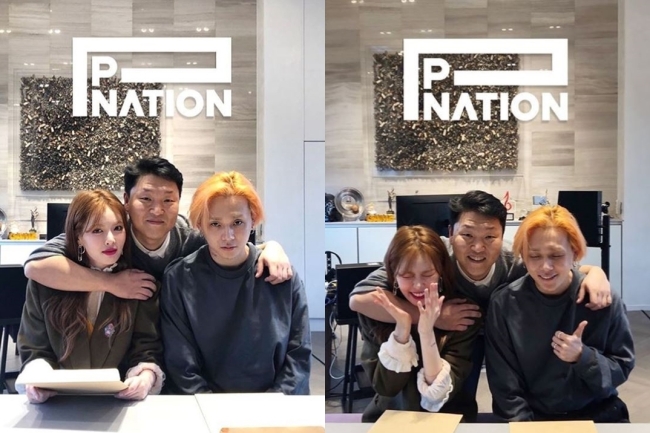
Every major Korean label passed. Big Hit was locked into BTS, JYP had its house system, SM was busy pivoting NCT. The signing that actually happened was Psy's fledgling P NATION in January 2019, and the deal came as a package: HyunA and DAWN together. That package framing is critical. Psy was not betting on either artist as a standalone commercial upgrade. He was betting on the couple as an outsider idol brand, two established names who had already broken the K-pop dating taboo and could turn that "banished lovers" narrative into a marketing asset. In an industry where labels spend years scrubbing personal life off idol identities, P NATION did the opposite. They leaned in.
Meaning of Happiness as His Solo Thesis
By early 2021, DAWN had spent nearly two years testing what 솔로 활동 (solo activities) could sound like outside a group system. "MONEY" in November 2019 was still tethered to a big-single, MV-heavy K-pop format. "DAWNDIDIDAWN" in October 2020 flexed the P NATION connection with Psy's ad-libs and a Jessi feature. "Meaning of Happiness" pulled the camera in. Introspective, bedroom-pop textured, closer to a sadboi mood diary than a stadium track. This was not a commercial move. Bedroom pop does not chart on Melon the way an EDM banger does. It was DAWN using solo status to answer the question the format itself was posing: what makes him happy, and what does that sound like when nobody at Cube is filtering the answer.
The Appeal Point: Why Fans Actually Stayed
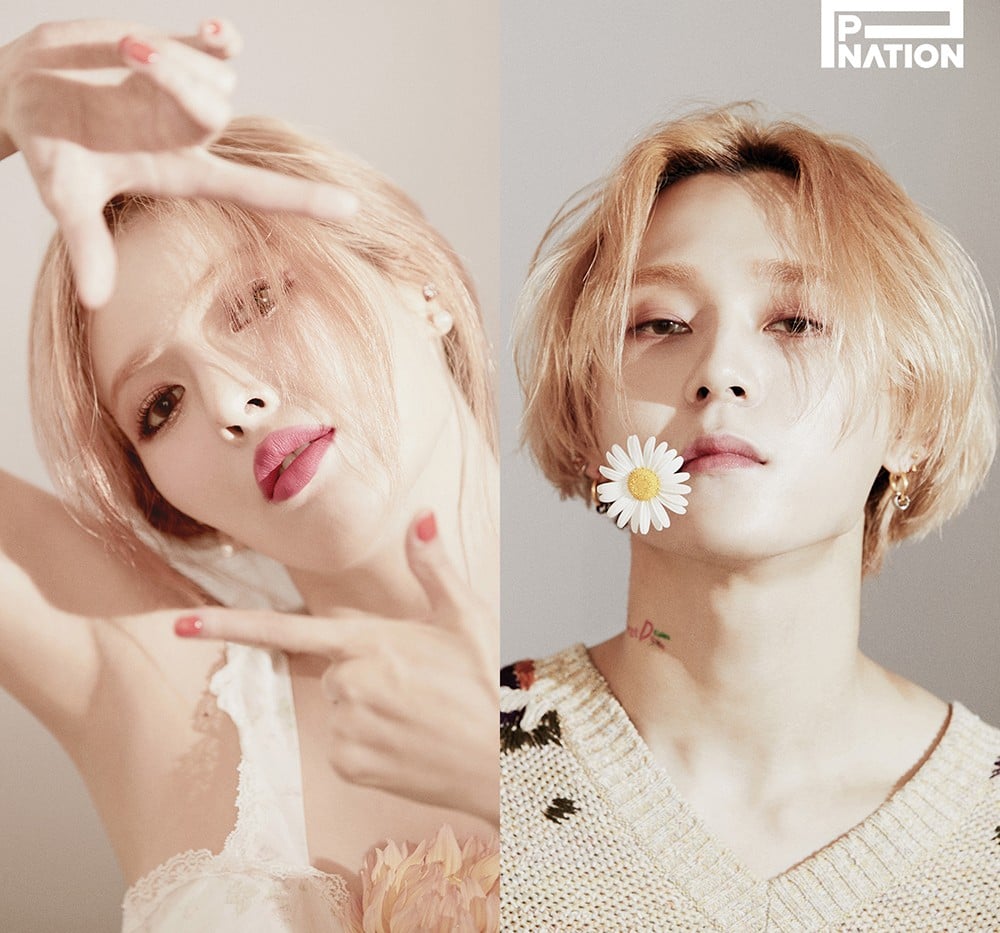
Ask any DAWN fan what pulls them in and the answer rarely leads with vocal technique. It is the aesthetic conviction. His 자컨 (self-produced behind-the-scenes content) on P NATION's YouTube channel is not the glossy variety-show cut most idols get. It is looser, more like an artist showing their sketchbook. Fans read that as authenticity currency, which in the K-pop economy is worth more than a hit single. What made "Meaning of Happiness" land emotionally was not that it was a great pop record by chart metrics. It was that the sonic palette, the mumbled hooks, the soft imagery, all matched what fans already knew about him from six years of Instagram and interviews. Consistency of self is a rare 아티스트 (artist) signal in K-pop, and DAWN was allowed to build it because P NATION did not force him back into a boy-group mold.
Solo Meant Creative Freedom, Not a Commercial Upgrade
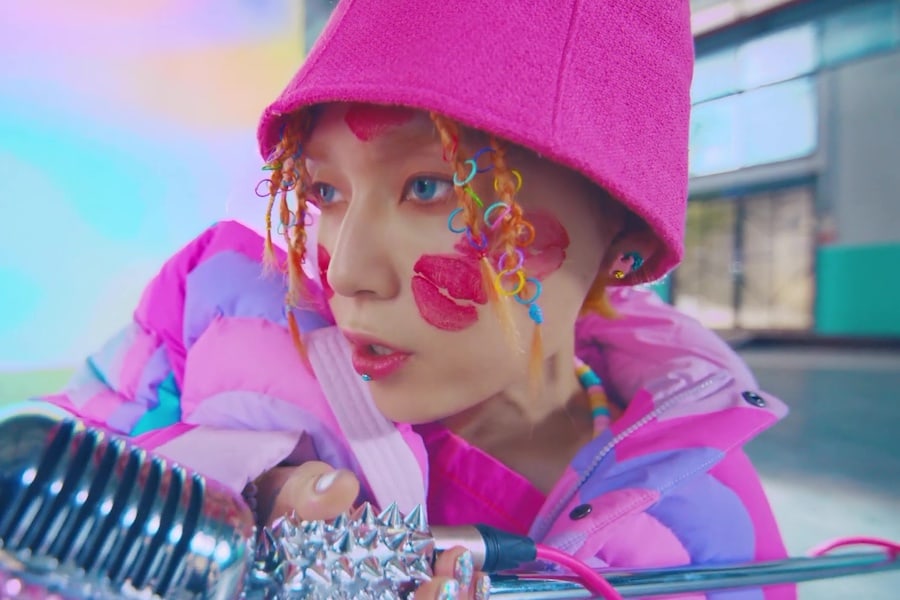
This is the piece most industry commentary missed. When DAWN went solo under P NATION, the ceiling was not "bigger than Pentagon." Pentagon had a stable Cube marketing budget, a tour infrastructure, a Japanese fandom pipeline. Solo DAWN at P NATION had a startup label with limited overseas distribution and no boy-group promo apparatus. What he gained was creative sovereignty. He self-composed. He picked the visual direction. He controlled the release cadence. In Cube's boy-group system, that level of artist autonomy simply is not on offer to a member, no matter how talented. The trade-off DAWN made was clear: smaller platform, larger authorship. "Meaning of Happiness" is the album where that trade-off became audible.

The 2022 Breakup and Why the Solo Momentum Stalled
The story does not end clean. By late 2022, HyunA and DAWN announced their breakup, and both left P NATION shortly after. From an industry mechanics standpoint, this is where the package-deal logic broke. The couple narrative had been doing quiet promo work for both of their solo careers, keeping DAWN visible in Korean and international K-pop feeds even in dry release months. Without the couple frame, DAWN's solo momentum needed to rebuild from a purely musical position, and P NATION at that scale did not have the marketing muscle to launch a standalone artist rebrand. "Meaning of Happiness" now reads almost like a peak-DAWN artifact: the moment where his solo thesis and his label positioning and his personal life were all pulling in the same direction. For anyone studying how outsider idol careers actually work in Korea, it is one of the cleanest case studies of the decade.
Explore More of Korea with Daebak
Want to bring a little piece of Korea into your life? The Daebak Box is packed with the best Korean snacks, ramen, and cultural goodies delivered monthly to your door.


