


Table of Contents
Twelve months. Twelve title tracks. Twenty-five songs. In a K-pop industry built on 3-to-6 month comeback cycles and carefully sequenced concept eras, DAY6 spent all of 2017 doing the opposite: dropping a new title track and B-side on the 6th of every month, no era resets, no reinventions, just a JYP 밴드 (band) working through their catalog in real time. That project, called Every DAY6, is the reason a lot of My Days will tell you 2017 was the year they fell in.

The Setup: How a JYP Band Bet on 매일매일 Releases
On December 28, 2016, JYP Entertainment quietly posted a calendar-shaped teaser on DAY6's Twitter. Every month of 2017 had a date circled on the 6th. The caption just read 2017 DAY6 <EVERY DAY6>. That was the whole plan: a year of 매일매일 (day-by-day) music, structured around monthly pre-release fan concerts and a title track drop the following day. Nobody in K-pop had tried this at scale, and there's a reason. Album cycles are how labels amortize MV budgets, styling contracts, marketing spend, and idol comeback stages on the big three music shows. Twelve title tracks means twelve of everything. It looked expensive and slightly insane.

January to May: Finding the Sound in Public
"I Wait" kicked it off on January 6, 2017. It didn't crack the top of the Korean domestic charts, but it hit No. 3 on the Billboard World chart, which for a JYP band with a small international footprint was a real signal. February brought "You Were Beautiful," the rock ballad that finally cracked Korean digital charts, followed by "How Can I Say" in March (still cited by My Days as the emotional sibling to "I Wait"), "I'm Serious" in April, and the summer-lean "Dance Dance" in May. What you're watching across these five months is a band publicly figuring out its range. That transparency, letting the fandom hear the wobble as well as the wins, is a big part of why My Days feel unusual ownership over this catalog.
The Sunrise Pivot: Why the Mid-Year 정규 Mattered
June 7, 2017 broke the pattern. Instead of another single, DAY6 dropped Sunrise, their first 정규 (full-length album), collecting the first five monthly title tracks plus three new B-sides and rebooted versions of debut-era songs "Letting Go" and "Congratulations." It sold over 30,000 physical copies in Korea, which for a band project with essentially zero traditional comeback marketing is a meaningful number. Same day, JYP announced the official fandom name: My Day (마이데이). The album functioned less like a commercial peak and more like a fandom consolidation move, turning digital-only listeners into physical album buyers with photocards, and giving newcomers a tidy on-ramp into the project without having to hunt down five months of singles.

The 자작곡 Reality: Young K, Jae, Wonpil, and Writing 25 Songs
Here's the mechanic that made this even possible. DAY6 is a 자작곡 (self-composed) act. Young K led lyrics and bass parts on roughly 40 percent of the tracks; Jae took chunks of the melody and English-lyric refinement; Wonpil contributed piano-forward ballads. That distribution matters, because you don't sustain a monthly release schedule pulling from an outside JYP writer pool alone. In a later interview with JoyNews24, Sungjin admitted they'd walked into a JYP A&R meeting late 2016 with about 20 tracks, been told several wouldn't make an album, and pitched the monthly project back as a way to keep the songs alive. That's not the standard K-pop workflow, where A&R teams and outside producers deliver polished title tracks to idols. It's closer to how indie or Western rock bands operate, which is exactly why Every DAY6 doesn't sound like anything else in the JYP catalog.

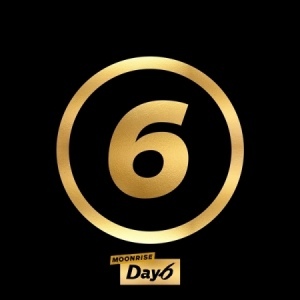
Moonrise and Completing the Puzzle
The back half of the year ("Hi Hello," "I Loved You," "What Can I Do," "When You Love Someone," and the acoustic gut-punch "All Alone") built toward Moonrise, released December 6, 2017. That album closed the loop: 18 tracks including the singles from July through November, three new songs, and title track "I Like You," a rock ballad that Korea Herald's Hong Dam-young called "among the best works the group has ever done." The framing of Moonrise as the last puzzle piece wasn't marketing copy; it was structurally true, because the project only made narrative sense once you saw all twelve months laid out. That's a rare thing in K-pop, where discographies are usually built comeback by comeback with no throughline.
What Every DAY6 Left Behind
The industry impact is where this story matters beyond the fandom. Every DAY6 proved that a band-format act could bypass the traditional comeback marketing cycle and still build catalog and fandom simultaneously. JYP later borrowed the DNA for Stray Kids' SKZ-RECORD and mixtape series, both of which lean on frequent, lower-ceremony drops rather than era-locked comebacks. NCT's sub-unit rotation is a different mechanism but the same underlying bet: that a fandom will follow constant output better than it will wait for structured drops. And for DAY6 themselves, the year of Every DAY6 is the reason songs like "I Wait," "You Were Beautiful," and "How Can I Say" are still the setlist backbone of their world tours nearly a decade later. Twenty-five tracks in twelve months is exhausting to think about, and DAY6 earned the nickname "Dependable DAY6" the hard way. But the more interesting legacy is that they showed the K-pop industry a workflow that nobody thought a JYP idol act could sustain, and made it look, if not easy, at least worth the burnout.
Explore More of Korea with Daebak
Want to bring a little piece of Korea into your life? The Daebak Box is packed with the best Korean snacks, ramen, and cultural goodies delivered monthly to your door.


