


Table of Contents
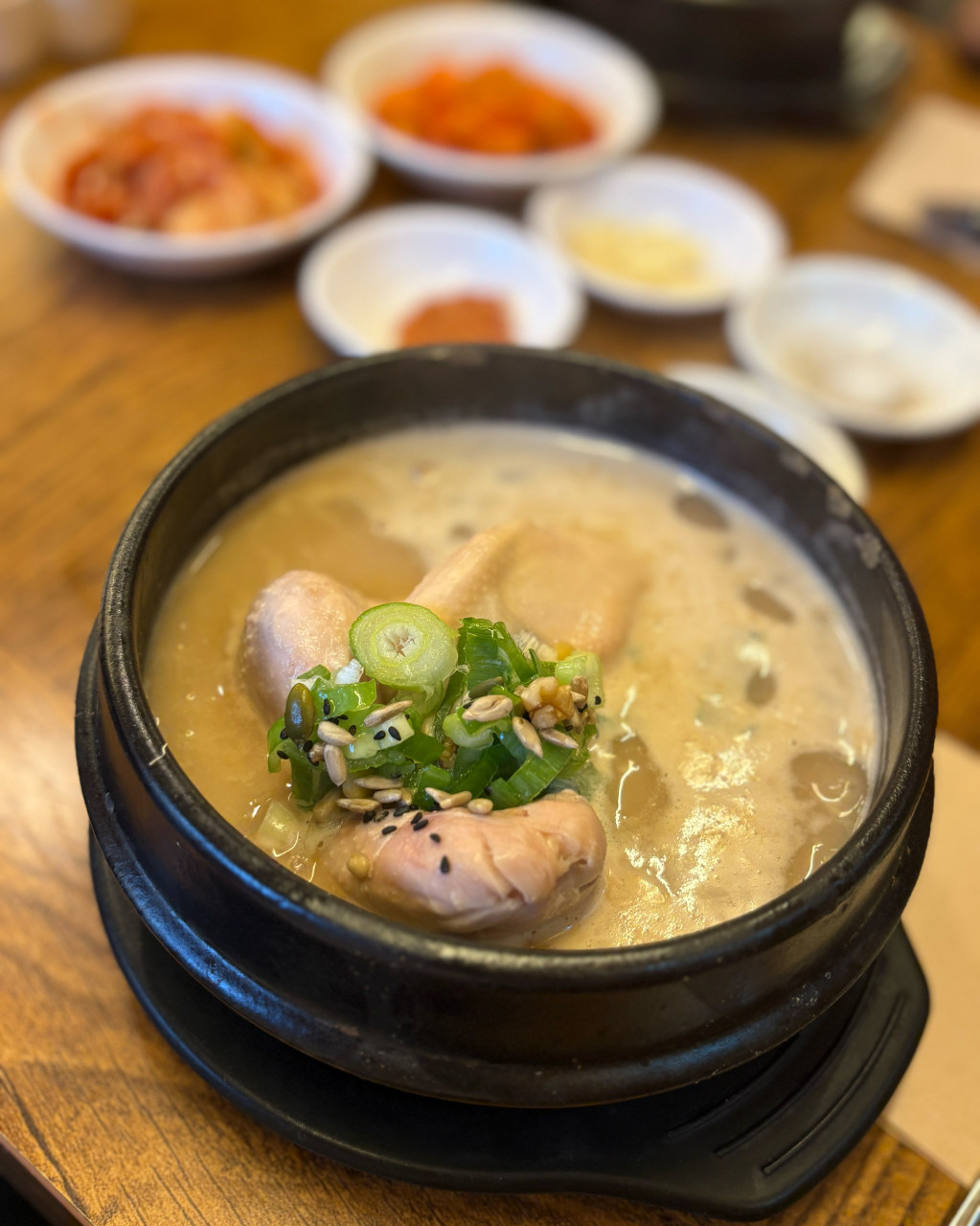
Ask a Korean grandmother why she is boiling ginseng chicken soup in the middle of a July heatwave and she will not talk about vitamins. She will say 이열치열 (iyeol chiyeol), fight fire with fire, and the phrase is doing more work than it sounds. I have spent over a decade watching Korean food brands, restaurants, and stamina-dish marketing calendars, and 이열치열 is one of the cleanest examples of a 한의학 (Korean traditional medicine) idea that quietly still runs modern Korean food economics from July to mid-August.
What 이열치열 Actually Means (Not Just a Cute Saying)
The literal translation is fine, fire treats fire, but the medical logic behind it is where the appeal sits for Korean cooks. 한의학 (Hanui-hak, Korean traditional medicine) treats the body as a system that loses internal heat when the outside gets too hot, because blood rushes to the skin surface to cool you down and the 오장육부 (internal organs) end up under-warmed. Eating an extremely hot, protein-heavy soup restores that internal heat and, the theory goes, resets your body's thermostat. Modern Korean nutritionists still cite this framework in July feature stories, which tells you something about how deep it runs.
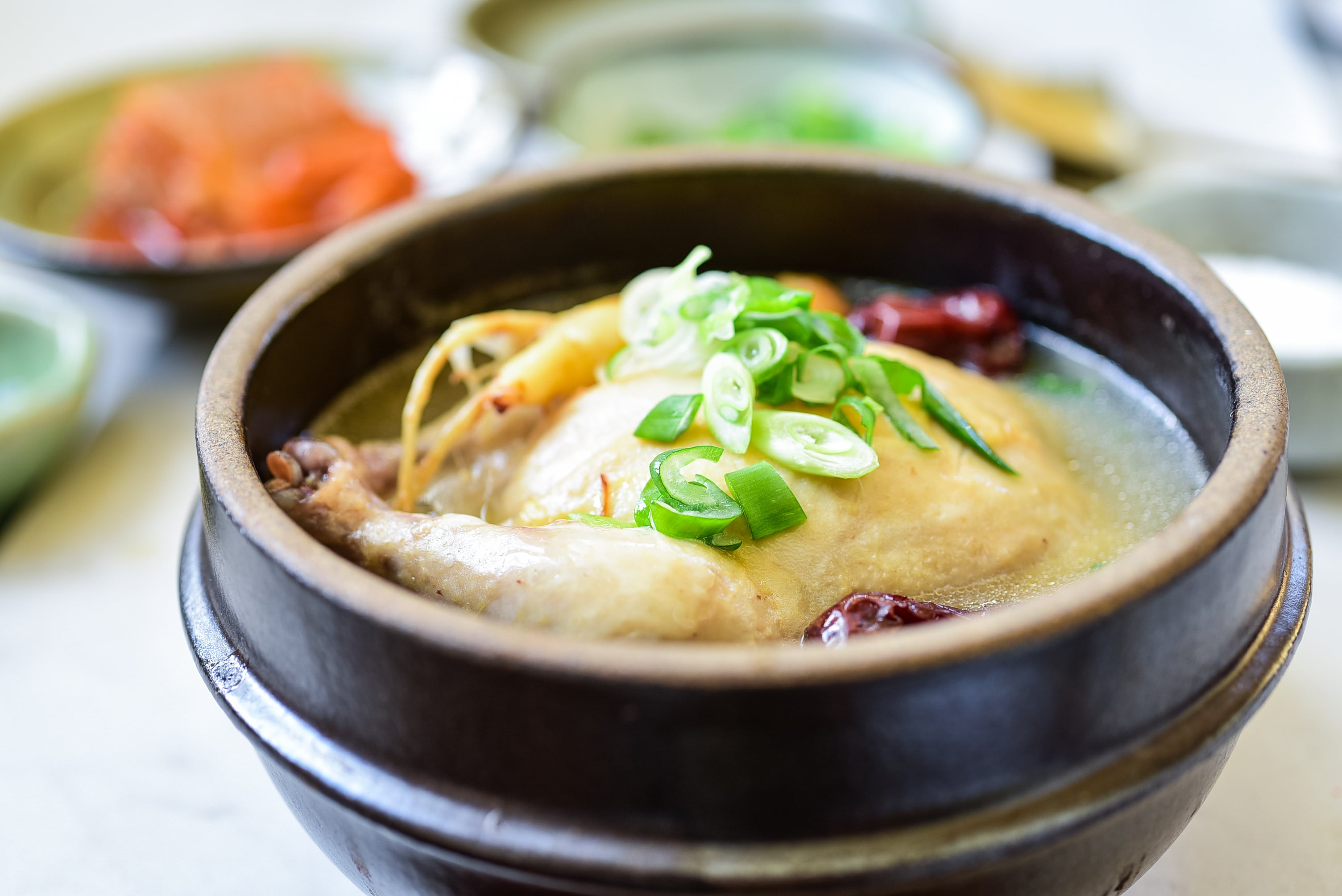
The appeal is not the science, it is that the ritual works experientially. You eat a boiling 삼계탕 (samgyetang) in a 뚝배기 (ttukbaegi stone pot), sweat streams down your face, and 15 minutes later your body genuinely does feel cooler because you have moved heat outward and left the core lighter. Koreans have been running this test on themselves for centuries and the anecdote holds. That is the marketing story no synthetic sports drink can replicate.
복날 Timing: Why the Calendar Actually Drives the Category
The three peak dates are 초복 (chobok, beginning), 중복 (jungbok, middle), and 말복 (malbok, end). They are not fixed on the Gregorian calendar. They are calculated from the 24 solar terms, which is why they shift every year but always land inside the roughly 30-day stretch from mid-July to mid-August that Koreans call 삼복 (sambok). In 2026 they fall on July 15, July 25, and August 14.
Here is the industry math that most foreign coverage misses. Established 삼계탕 restaurants like 토속촌 (Tosokchon), 고려삼계탕 (Goryeo Samgyetang), and 놀부부대찌개's chicken chain concentrate roughly 30 to 40 percent of their annual revenue in these three days plus the two weekends bracketing them. Tosokchon regularly sells out by 2 pm on 복날, and lines wrap Jahamun-ro. This is why the category can absorb price hikes that would kill any other Korean staple: the Korea Consumer Agency reported the average Seoul samgyetang bowl hit 18,154 won in May 2026, up 29 percent from 2021, and demand did not blink. Boknal is inelastic. That is the appeal point for operators.
Why 삼계탕 Became the Anchor Dish (and Not Just Any Soup)
Boknal covers a small stamina-food category the industry calls 보양식 (boyangsik). It includes 장어 (freshwater eel), 민어 (croaker), 추어탕 (loach soup), 개장국 (dog meat soup, now legally phased out with the 2027 ban), and 삼계탕. Of the five, 삼계탕 won because of three specific things.
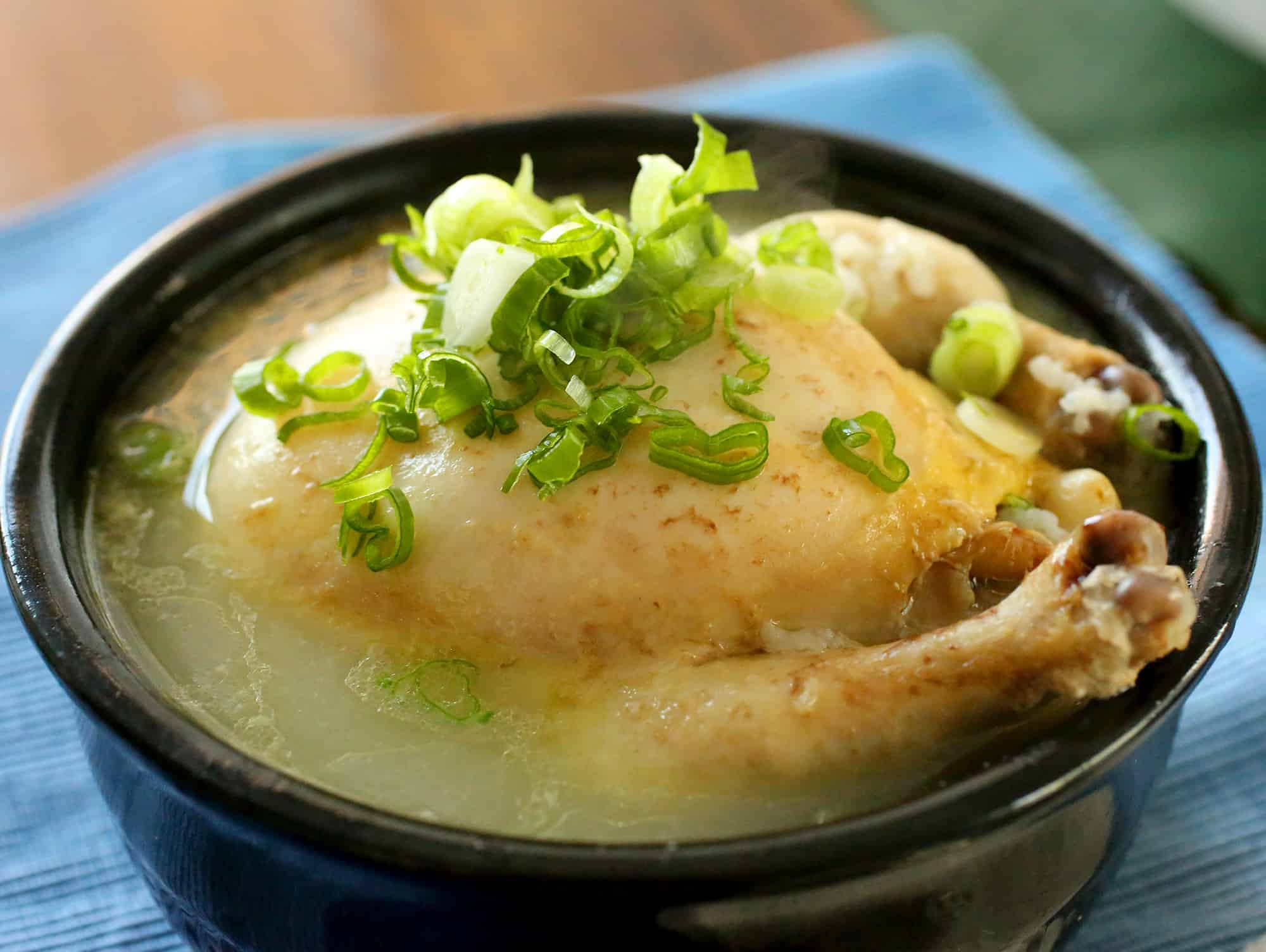
First, single-portion architecture. One 영계 fits one person, one 뚝배기, one meal. No sharing math, no ordering-for-the-table awkwardness. Second, ingredient portability. A 삼계탕 kit at H Mart runs 15,000 to 20,000 won and holds up in the freezer, which is why the retail category exists in a way 장어 never will. Third, the 인삼 (ginseng) narrative. Korea's red ginseng industry, which is a roughly 1.3 trillion won domestic market anchored by 정관장 (KGC's Cheong Kwan Jang), has spent 60 years positioning 인삼 as a stamina icon. 삼계탕 rides that halo effect. When Kyochon or Nolbu launches a 복날 special, the ginseng is doing the branding work.
The Spicy 매운맛 Alternative: 라면 as Heat Therapy
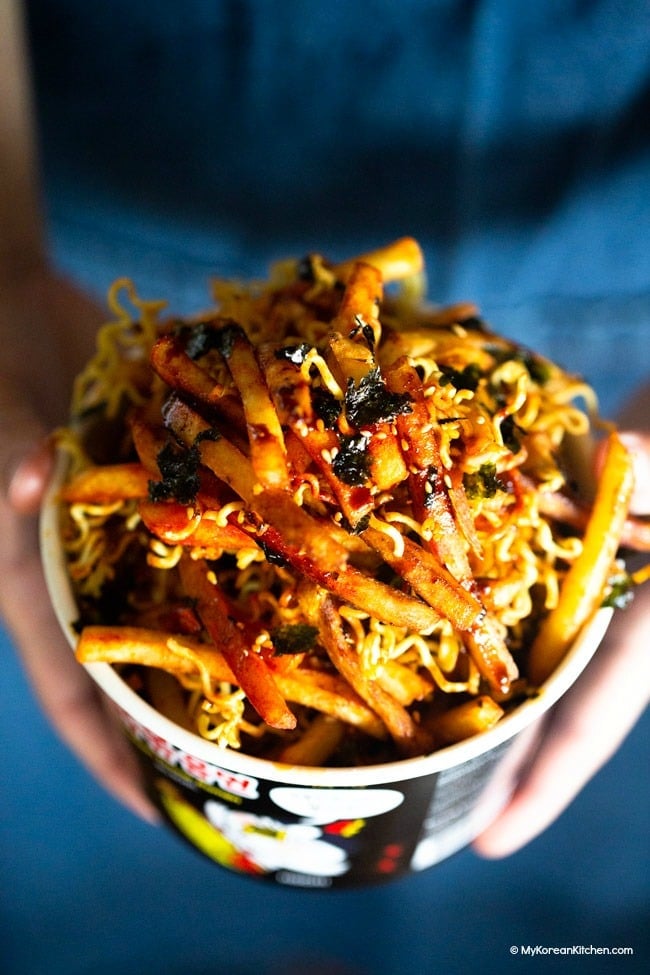
Not everyone under 35 in Seoul is willing to queue two hours for 삼계탕. The younger Korean move is 이열치열 through 매운맛 (spicy heat) instead, and the industry data is loud. 삼양 (Samyang) reports that 불닭볶음면 (Buldak Bokkeum-myun) sales spike measurably in Q2 and early Q3, tracking the 복날 window. Nongshim's 신라면 shows a smaller but real July uptick. The theory is the same as the soup version: capsaicin triggers sweating, sweating cools the skin, endorphins deliver the reward loop. The delivery mechanism just shifted from chicken broth to a 4-minute cup noodle.
What makes this specifically Korean is not the spice tolerance itself, it is the framing. Thai and Indian cuisines have summer spicy dishes too, but they are not culturally coded as 여름 보양 (summer stamina). In Korea, when a 편의점 clerk sees a 20-something buying 불닭 at 7 pm on 중복, they are not surprised, they are witnessing the modernized version of what grandma did with a chicken 60 years ago. That semantic continuity is the interesting part.
How To Actually Try It Without Being a Tourist About It
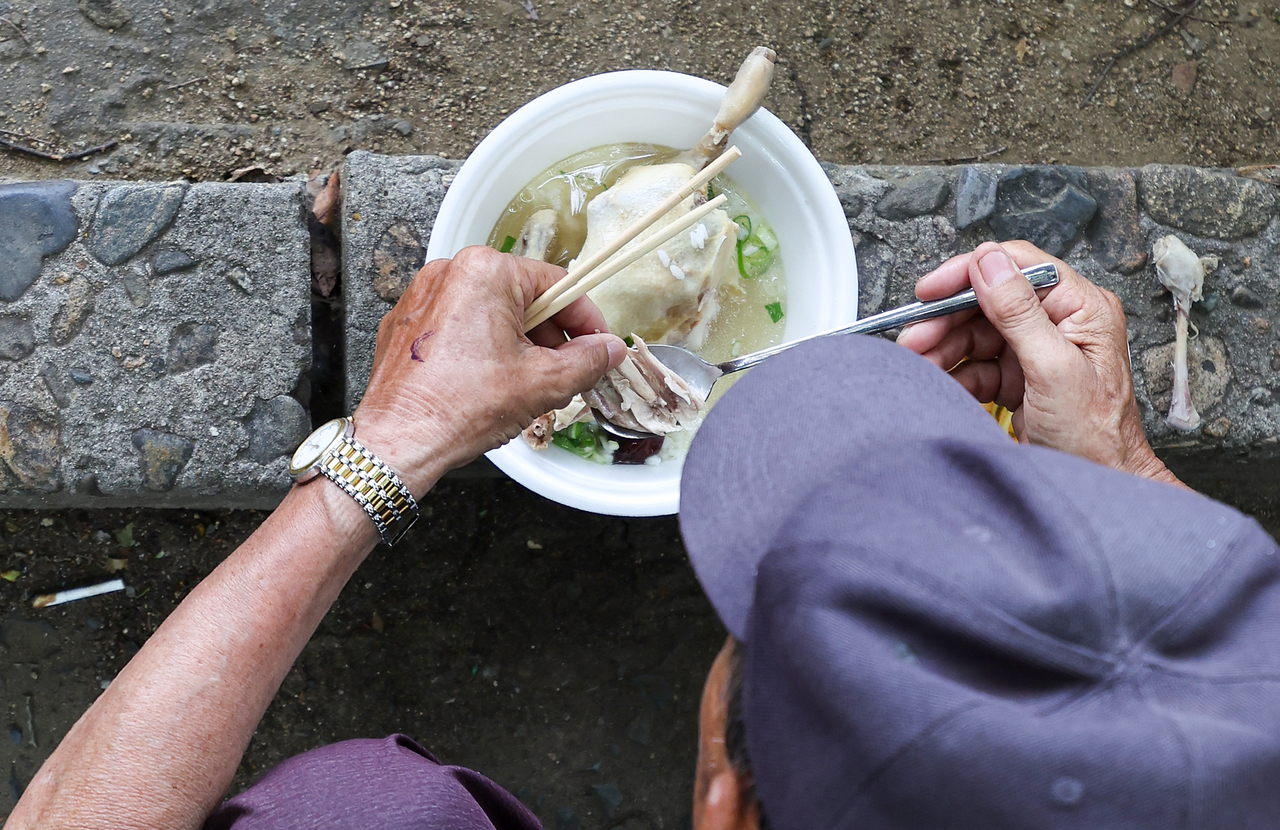
If you are in Seoul during 복날, the honest advice is not to fight the crowd at 토속촌. Book a smaller neighborhood 삼계탕 place two subway stops off, or hit 놀부 during off-peak. If you are cooking it at home, use a smaller chicken than you think, because a full-size American roaster will not cook through evenly in the time the rice needs. And do not skip the 뚝배기 if you can help it, because the temperature drop of a normal ceramic bowl kills the 이열치열 effect that is the entire point.
The spicy path is easier. A cup of 불닭볶음면 or a pot of 신라면 with an egg beaten in works fine, ideally at a 편의점 outdoor bench where you can watch the July humidity do its thing while you sweat through the spice. Both routes end in the same place: a body that feels weirdly cooler after, and a small piece of a 한의학 tradition that has quietly outlasted every wellness fad Korea has imported since.
Explore Korean Snacks with Daebak
Love Korean food? Get authentic Korean snacks and ramen delivered straight to your door with the SnackFever Box by Daebak.


