


Table of Contents
If you have ever opened a small green package of crispy, salty, almost weightless sheets of Korean seaweed and demolished the whole pack in under a minute, you already know why gim (김) is Korea's quiet snack superstar. Korean roasted seaweed is one of the country's most successful food exports, a daily staple in school lunchboxes, and the reason South Korea now supplies roughly 70 percent of the world's dried laver.
This guide walks through everything worth knowing about Korean seaweed snacks: what gim actually is, the difference between Korean gim and Japanese nori, the most popular brands and flavors, how to eat it like a local, and where to buy authentic Korean seaweed outside of Korea.
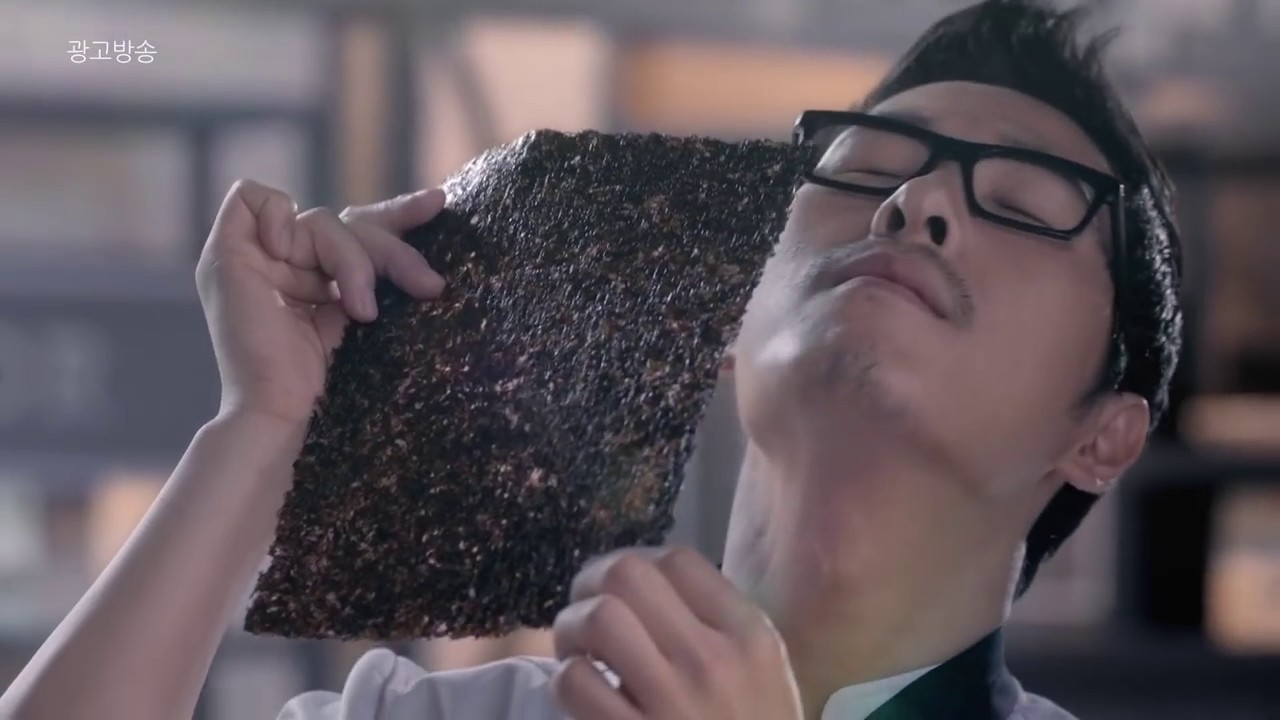
What Is Korean Gim?
Gim is the Korean term for dried sheets of edible red algae, traditionally species like Pyropia, that have been harvested, washed, pressed flat, and dried into thin paper-like sheets. Most of the gim you see in Korean snack aisles is jaerae gim (재래김), a thicker, denser style, or jaban gim (자반김), a thinner crisp style brushed with sesame or olive oil and roasted with salt. Both are sold in small ready-to-eat packs perfect for snacking.
Gim has been part of Korean cuisine for at least 400 years, with written records of seaweed harvesting on the southern coast going back to the Joseon dynasty. Today, the cities of Wando, Goheung, and Seocheon are the main production hubs, and gim has grown into a multi-billion-dollar export industry.
Korean Gim vs Japanese Nori
Korean gim and Japanese nori share a family resemblance, but they are different products optimized for different uses. Nori is typically thinner, larger, and unflavored, designed to wrap rolled sushi without overwhelming the rice and fish inside. Korean gim, in contrast, is usually pre-seasoned with salt and sesame oil (or olive oil in newer versions), giving every sheet a savory, nutty flavor on its own.
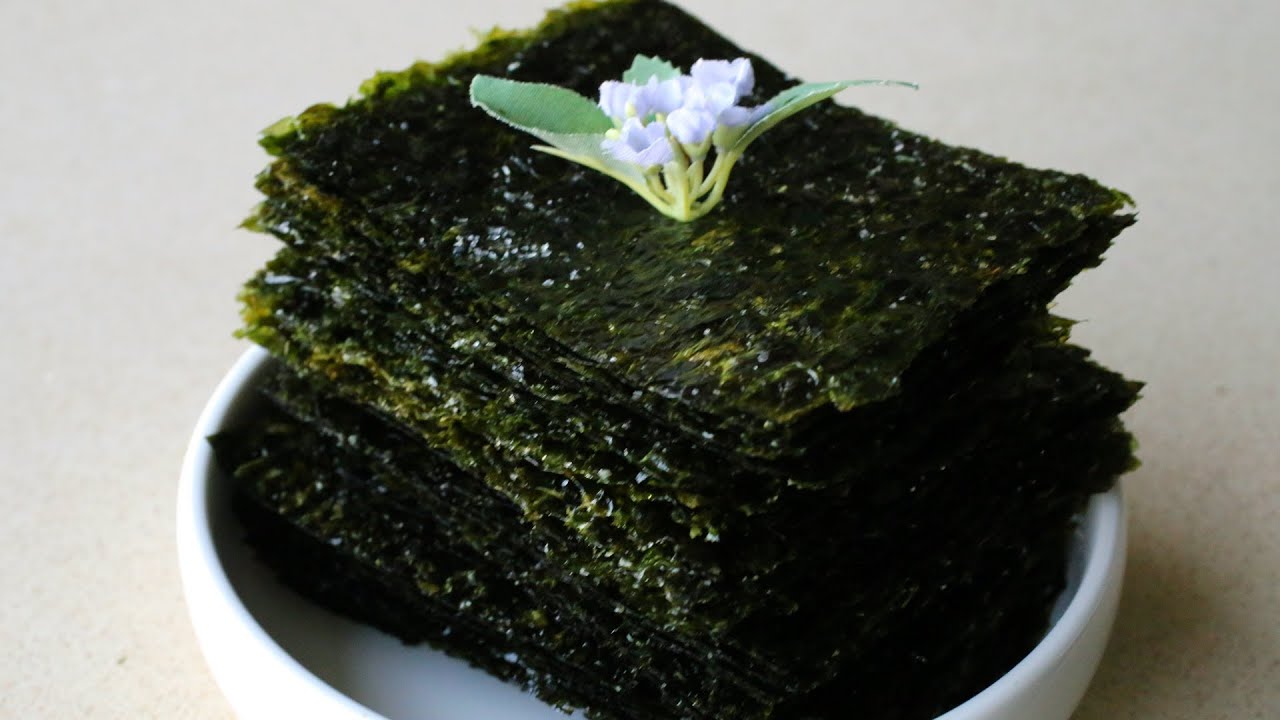
The result is that gim is often eaten directly as a side dish or snack, while nori is more often used as a wrap. The Korean version of a seaweed rice roll, gimbap, also uses gim and tends to feature stronger, more varied fillings than the typical maki sushi roll.
Popular Korean Seaweed Snack Brands
The Korean seaweed snack aisle is crowded with strong brands, and most of them are now available abroad. Yangban, by Dongwon F&B, is one of the oldest and best-known names and is widely considered the standard for seasoned gim. Bibigo, the global food brand from CJ CheilJedang, has become a popular international option with flavors like Sea Salt, Korean BBQ, and Hot Chili. Daechun, Kimnori, and Ottogi round out the major lineup.
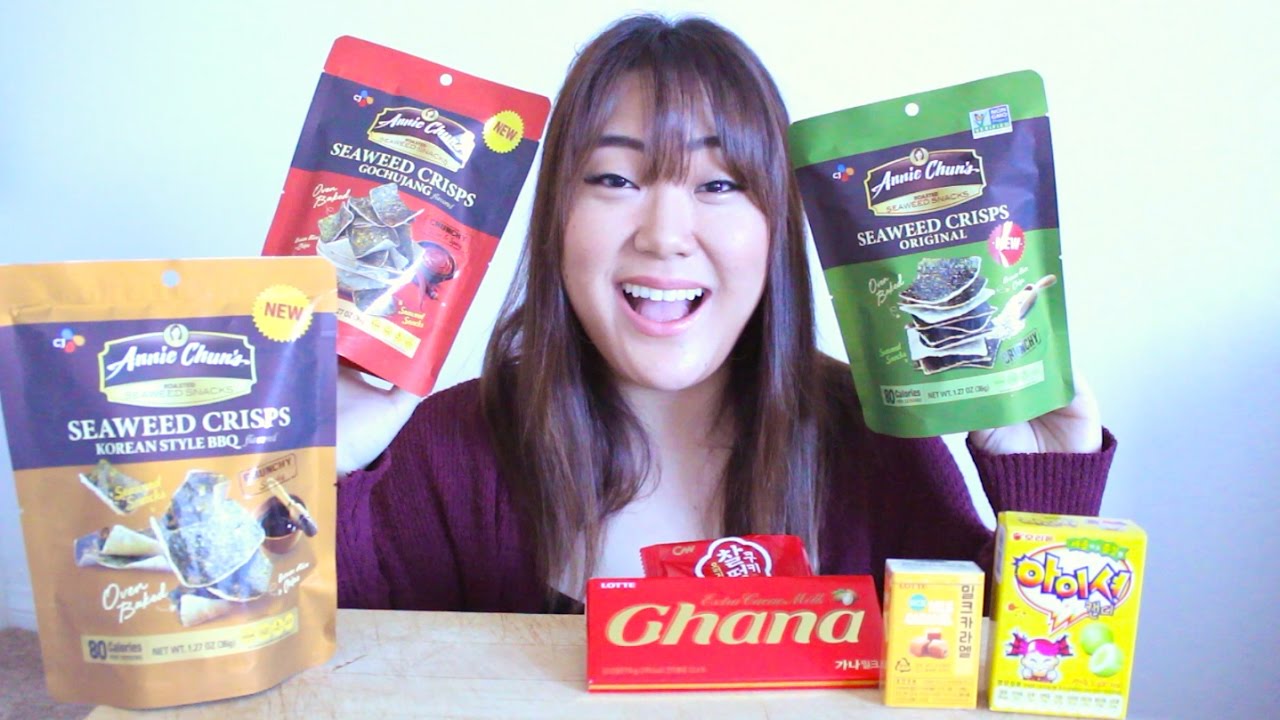
Within these brands, the most beloved styles are the small individual snack packs (doshirak-yong, "for lunchboxes"), the larger family sheets meant for the dinner table, and the crunchy seasoned chips like gim bugak coated with sweet glutinous rice paste. Hot Chili and Korean BBQ flavors have grown fastest in international markets.
Gim Bugak and Other Snack Forms
Beyond the standard pre-roasted sheets, Korean seaweed appears in several other snack formats. Gim bugak is the most popular variation: a sheet of seaweed brushed with sticky rice paste, sprinkled with sesame seeds, dried, and then deep-fried until it puffs into a crunchy, savory cracker. The texture is closer to a shrimp chip than to ordinary roasted seaweed, and it is wildly addictive.
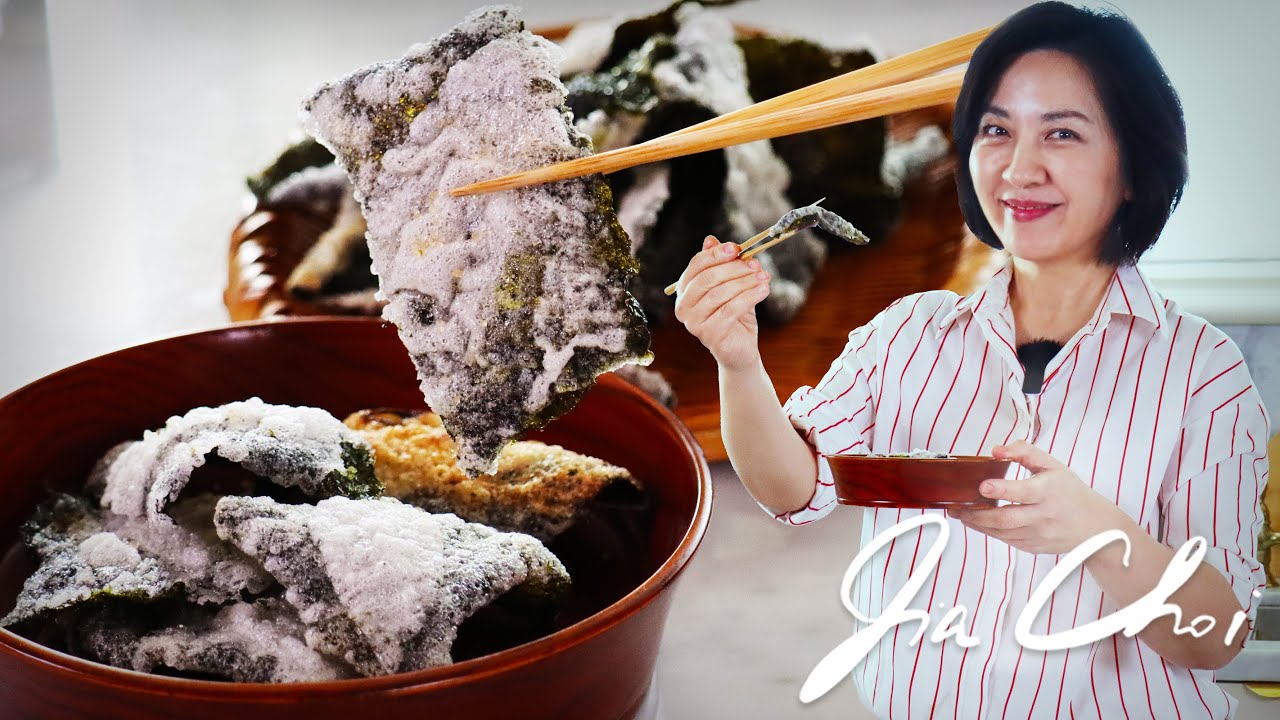
Other forms include gim jaban (a crumbled, seasoned seaweed sprinkle used over rice), gim ssam (a single full sheet used to wrap a bite of rice and banchan), and the small triangular samgak gimbap snacks sold in every Korean convenience store, wrapped in a thin gim sheet that you peel apart in a specific order.
How Koreans Actually Eat Gim
For a Korean home meal, gim is rarely eaten alone. A sheet is folded around a spoonful of warm rice, sometimes with a piece of gyeran-mari (Korean rolled omelet) or a sliver of grilled pork, and eaten as a hand-held bite. Some families season their own gim at the table by brushing each sheet with sesame oil and a light pinch of salt right before serving, which keeps the texture crisp.
As a snack, the easiest way to eat gim is straight from the small individual packets. Open one, eat the sheets in seconds, and move on. Korean parents pack these in school lunchboxes as a salty counterbalance to rice, fruit, and side dishes. Many Korean families also keep a large family pack of pre-roasted gim on the dinner table the way American families might keep crackers in the pantry.
The Korean Seaweed Industry
Korea has become the world's largest producer of dried laver, accounting for roughly 70 percent of global supply. Most of it comes from sea farms along the southern coast, where bamboo or net structures are anchored in shallow waters and the seaweed grows naturally on them in cold winter months. Harvested raw, the seaweed is then washed, pressed flat in moulds, and dried in industrial driers before being roasted, cut, and packed.

Korea exports gim to more than 100 countries, with the United States, Japan, and Thailand among the largest buyers. International grocery shelves now carry the same brands sold in Korean convenience stores, often in slightly modified flavors for local palates.
Where to Buy Korean Seaweed Snacks Outside Korea
Korean seaweed snacks are now available almost everywhere. H Mart, 99 Ranch, Weee, Amazon, Costco, and Trader Joe's stock the major Korean brands, often in multi-pack lunchbox sizes. Bibigo, Yangban, Daechun, and Sea Cliff are the names you are most likely to spot. For rarer styles like premium gim bugak or seasonal limited-edition flavors, a Korean snack subscription is the most reliable way to access the full breadth of what's on Korean shelves.
Explore Korean Snacks with Daebak
Love Korean food? Get authentic Korean snacks and ramen delivered straight to your door with the SnackFever Box by Daebak.


