


Table of Contents
Every March, Korean cafes hit a reset button that Westerners still underestimate. Menu boards get repainted pastel. LED signs swap to cherry blossom pink. A brand-new seasonal SKU replaces whatever holiday drink was there in February. This is not decoration. It is the single most reliable revenue-boosting maneuver in the Korean 카페 (cafe) industry, and after roughly a decade of watching HYBE, JYP, and CJ time their product drops around Korean consumer psychology, I can tell you the F&B side runs the same playbook. The spring aesthetic sells because 인생샷 (life shot, aka the perfect Instagram photo) sells, and Korean chains have engineered the calendar around it.
Why Korean Cafes Reboot the Whole Menu Every March
Here is the piece most travel guides skip. Korean seasonal menus are not "fun limited-edition items." They are a hard financial mechanism. Industry margin data floating around 카페 owner communities pegs seasonal drinks at roughly 30 percent higher gross margin than a standard iced americano, largely because the seasonal cup, sleeve, and syrup upcharge together create a psychological premium the customer accepts without hesitation. A 6,500 won 벚꽃 라떼 in April feels reasonable in a way that a 6,500 won plain latte in November never would.
The three-month SKU life is deliberate. Cafes are engineering FOMO into the calendar. If the drink lasted year-round, nobody would rush. Because it is gone by late May, Instagram fills up with "last week to try" posts, which drives one more foot-traffic spike right at the tail end. This is the same playbook K-pop labels use with limited-edition album versions, and the mechanic works for the same reason: Korean consumer culture rewards timing, not just taste.
The Cherry Blossom Latte (벚꽃 라떼) Arms Race
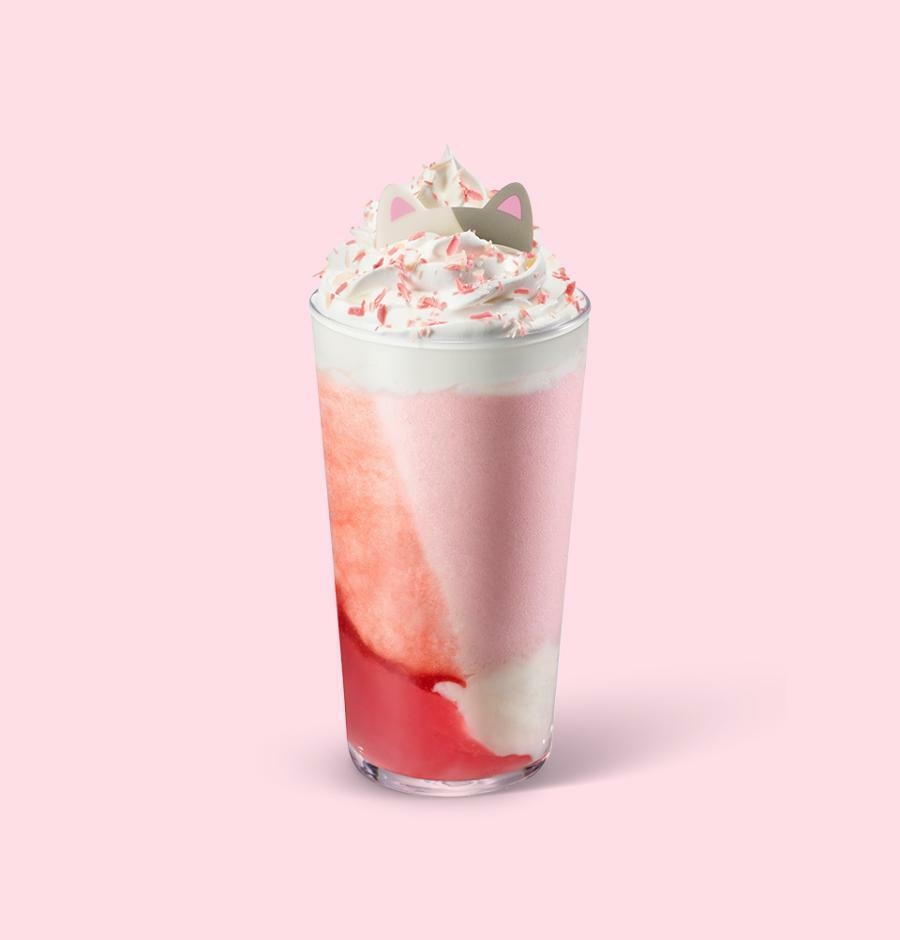
The 벚꽃 라떼 category itself has evolved into a real arms race between Korean chains. Starbucks Korea leads on merchandise integration, launching a Cherry Blossom White Peach Cream Frappuccino this spring that was previously exclusive to Japan, and pairing it with a tumbler and mug drop that regularly triggers resale markets. Paul Bassett went the deeper direction, rolling out a full lineup including a cherry blossom cafe latte with condensed milk cream, a yogurt-based cherry blossom frappe, and a matcha latte with floral notes.
What makes the Korean chain approach different from Western Starbucks pumpkin-spice season is the visual layering. A Korean 벚꽃 라떼 is engineered to photograph well before it tastes well. The pink milk foam pooled over a beige espresso base creates a clean gradient that reads immediately on a 4:5 Instagram frame. Twosome Place and Bakery Boy, two smaller chains that punch above their weight on Naver Blog reviews, both build their spring drinks around that gradient logic first, flavor second. That is the reverse of a European espresso bar, and it is exactly why Korean cafe menus travel so well on social media.

Strawberry Cake Season Is Where the Real Money Sits
If cherry blossom drinks are the marketing hook, 딸기 케이크 (strawberry cake) is the actual profit driver. Korean strawberry cultivars, especially Seolhyang from Nonsan and Kumhyang from Damyang, hit peak sweetness between March and May, and the entire premium bakery category pivots around them. Snob in Seoul is the reference point: a fresh cream cake stacked with strawberries that runs November through May, using 100 percent milk cream (not the vegetable-oil-based cream that undermines most cheap Korean cakes) plus a hidden custard layer between sponges.
The appeal is textural, not just visual. A well-made Korean 딸기 케이크 delivers three distinct bites: the airy sponge, the cold slice of Seolhyang, and the light cream that dissolves before you swallow. Nonsan strawberry farmers actually coordinate with Seoul patisseries on shipping windows, because a strawberry that arrives 24 hours late from Nonsan loses the specific Seolhyang aroma that anchors the whole cake. That is a supply chain most Western food writing misses: the cake is a Nonsan agriculture product first and a bakery product second.
Chain bakeries scale the same logic downmarket. Tous Les Jours and Paris Baguette both roll strawberry-forward spring lines every March, and Paris Baguette's Strawberry Fresh Cream Cake alone reportedly accounts for a meaningful chunk of its Q1 revenue. When 딸기 케이크 season ends in late May, both chains see visible daily sales dips, which is exactly why they scramble to launch summer melon and peach lines to bridge the gap.
Spring Bingsu (봄 빙수), Where Strawberry Meets Rose
Bingsu (빙수) is coded in most Western coverage as a summer dish, and that is only half right. The spring bingsu window between April and early June is where the Korean shaved-ice category actually experiments. Sulbing and Homilbat both run limited spring bingsu that pair Seolhyang strawberries with rose petal syrup, a combination that reads almost floral perfume on the first spoonful, then settles into a clean berry finish once the ice melts down.
What makes spring bingsu specifically Korean rather than generic Asian shaved-ice is the milk-ice base. Real Korean bingsu uses frozen milk shaved into snow, not water ice with syrup poured on top. That single technique change is why a Sulbing 딸기 빙수 has a creamy weight on the tongue that Taiwanese or Filipino shaved-ice does not touch. Add the spring rose element on top and you get a dessert that no other country has bothered to build. That is the appeal point: it is engineered specifically for the March-to-May window, uses ingredients only available in that window, and vanishes by June.

Hwajeon (화전), the OG Aesthetic Spring Dessert
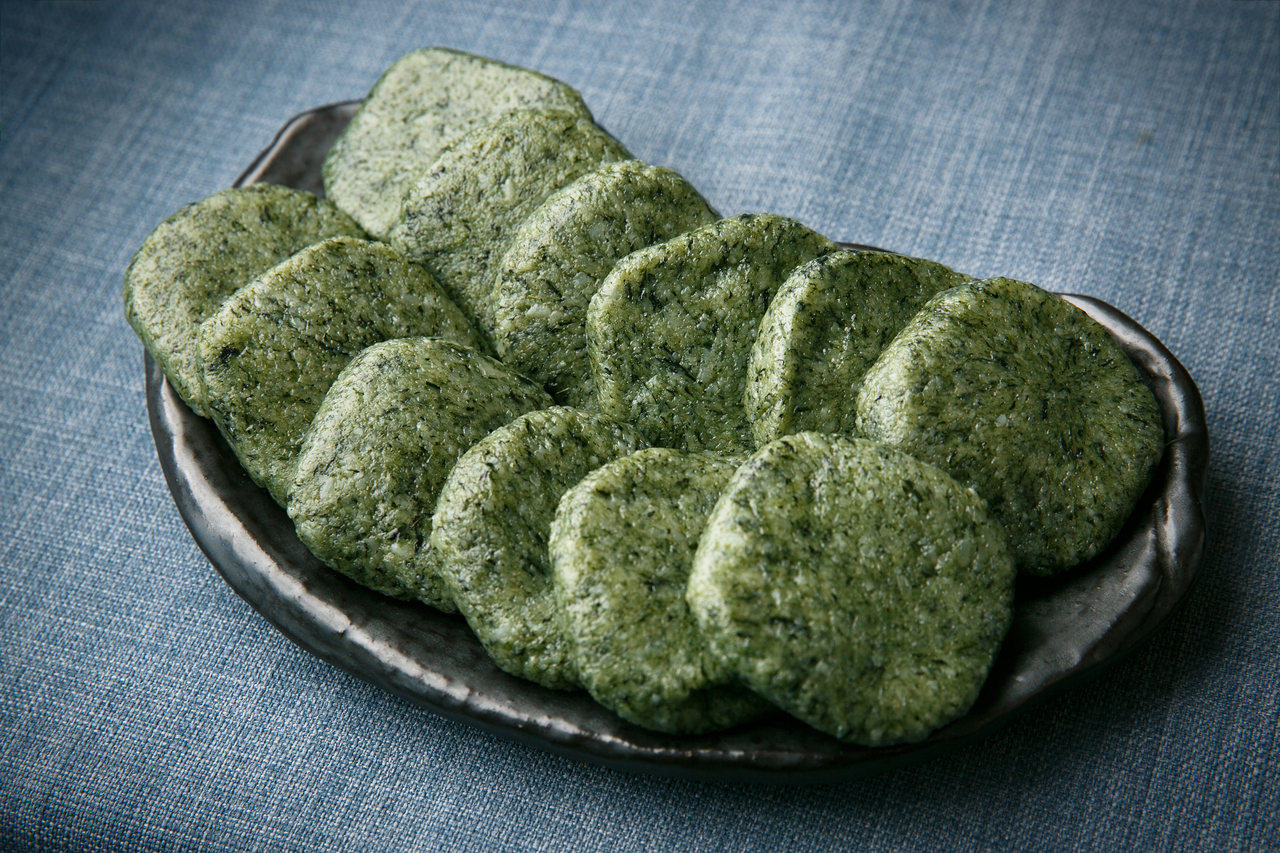
Before Twosome Place ran its first 벚꽃 라떼, Korean women were already making the exact same aesthetic play with hwajeon (화전), pan-fried sweet rice cakes decorated with edible flower petals. Traditionally the flowers were wild azalea (진달래) picked on the mountainside during Samjinnal (삼짇날), the third day of the third lunar month, when women gathered for hwajeon-nori picnics. The whole ritual was: hike up, pick petals, fry rice cakes on a portable pan, eat them still warm with honey.
The direct line from hwajeon-nori to the modern cafe seasonal menu is short. Both center on the same cultural instinct: transient beauty deserves a food that mirrors it, and eating that food together is a social event that gets remembered longer than the dessert itself. Modern K-dessert cafes like Kimssibooin and SIROO CAKE have leaned back into hwajeon aesthetics deliberately, framing traditional 떡 as photogenic single-person 소반 servings that read as both heritage and Instagram-native. That is not accidental branding. It is the Korean dessert industry rediscovering that the 500-year-old hwajeon template still outperforms most Western-derived pastry logic on Naver and Kakao.
The Instagram Economics That Fund the Whole Cycle
The reason a small independent Seoul cafe can afford to reprint menu boards, hire a seasonal barista, swap its LED sign, and update its Naver map photos every three months (which independent cafe owners estimate at roughly a 2 million won all-in seasonal reset) is because the return on that investment is measurable in 인생샷 volume. Every user-generated Instagram post with the shop tag is effectively a paid ad the cafe never paid for. The pastel spring aesthetic exists to be photographed, the photo exists to be posted, and the post drives the next weekend's foot traffic.
Here is the industry insider read: the Korean 카페 sector has essentially outsourced its marketing budget to its own customers, and the seasonal menu is the mechanism that keeps that flywheel spinning. A cafe that skips the spring pivot signals to Korean Gen Z that it is not serious about being on the map. That is why even neighborhood cafes with no chain resources bother. Missing a season is not saving money, it is voluntarily leaving revenue on the table.
So the next time you scroll past a pastel pink Korean cafe drink in your feed and think it is just a pretty photo, remember: you are looking at the end product of a supply chain that stretches from a Nonsan strawberry farmer through a Seoul patisserie's cold room to a Naver Blog algorithm, engineered specifically to make you want to fly to Seoul this April. The aesthetic is the product. The dessert is the wrapper.
Explore Korean Snacks with Daebak
Love Korean food? Get authentic Korean snacks and ramen delivered straight to your door with the SnackFever Box by Daebak.


