


Table of Contents
The first cold day of Korean autumn brings a very specific scent to neighborhood street corners: warm pancake batter, slightly caramelized sugar, and steam rising from a cast-iron mold. That smell is bungeoppang (붕어빵), Korea's beloved fish-shaped winter snack, and the small carts that sell it are one of the most reliable signs that winter has arrived in Seoul.
This guide walks through everything worth knowing about Korean bungeoppang: what it actually is, why it is shaped like a fish, the difference between Korean bungeoppang and Japanese taiyaki, the most popular fillings, where to find the best vendors, and how to make a quick version at home.
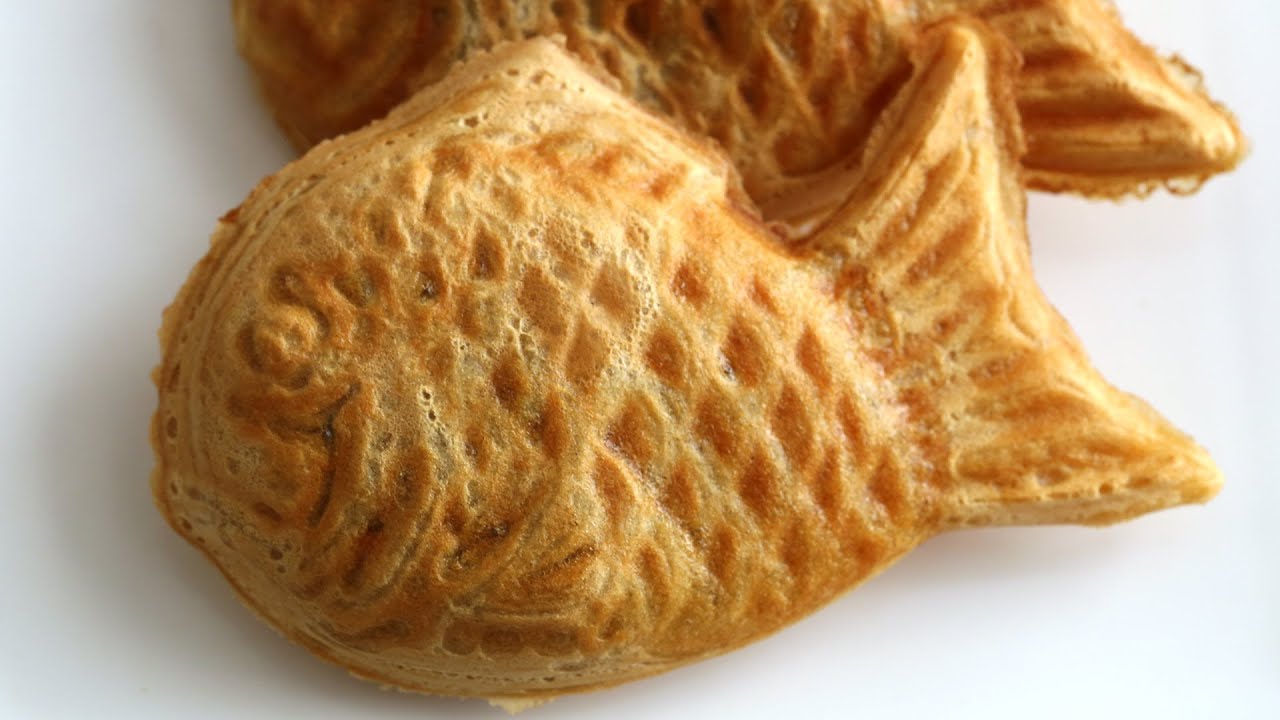
What Is Bungeoppang?
Bungeoppang is a Korean street pastry made of a thin pancake-like batter poured into a cast-iron fish-shaped mold, filled with sweet red bean paste, and pressed shut to cook between two heated metal plates. The finished result is a crispy, slightly chewy fish-shaped bread with a soft warm filling inside.
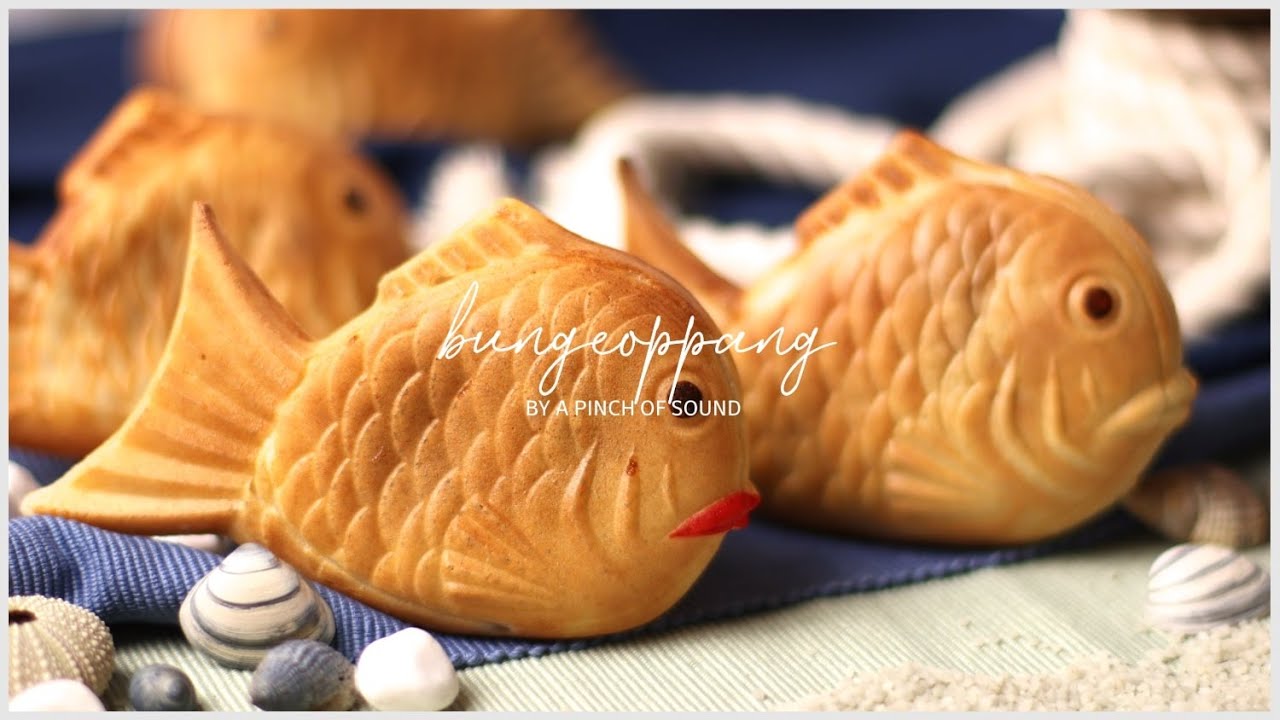
The name combines two Korean words: bungeo (붕어), meaning crucian carp, and ppang (빵), meaning bread. The carp is a freshwater fish common in Korean rivers and ponds, and its silhouette became the standard mold shape when bungeoppang first appeared in the 1930s. A typical bungeoppang is about the size of a hand and costs between 1,000 and 2,000 won at a street cart, making it one of the cheapest hot snacks in Korea.
Why Is It Shaped Like a Fish?
The fish shape did not come from Korean tradition. It came from Japan. Bungeoppang is the Korean adaptation of taiyaki, the Japanese sea-bream-shaped pancake that has been sold by street vendors in Tokyo and Osaka since 1909. The format arrived in Korea during the colonial period in the early twentieth century, and Korean vendors adapted it with a slightly different batter, a different filling profile, and a smaller mold shape based on freshwater carp rather than ocean sea bream.

The differences between bungeoppang and taiyaki are subtle but meaningful. Bungeoppang batter is thinner and crispier, with a higher ratio of flour to liquid. The Korean version is also typically smaller, more compact, and packed with a softer, looser sweet red bean filling. Taiyaki tends to be larger, denser, and stuffed with thicker, less-sweet paste.
The Classic Bungeoppang Fillings
The default bungeoppang filling is danpat (단팔), or sweet red bean paste made from cooked azuki beans mashed with sugar. The paste is loose enough to flow slightly when the bungeoppang is hot, which is part of the appeal: the first bite always reveals a little stream of warm bean filling.
Modern vendors have expanded the menu considerably. The second most popular filling is chouxcream-style custard, which is sweet, vanilla-scented, and silky. Cheese bungeoppang appeared in the 2010s and quickly became a Gwangjang Market favorite. Other variants include chocolate, sweet potato, pizza-style with tomato and cheese, and even savory mozzarella and ham combinations.
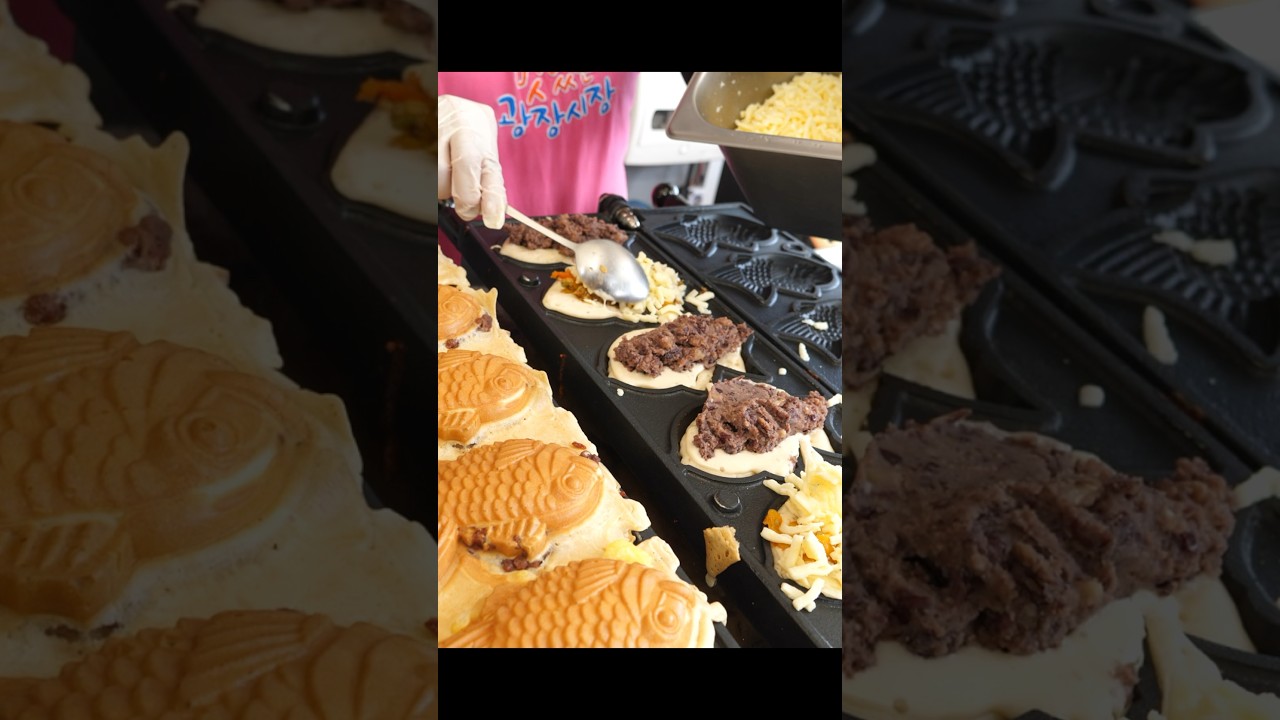
Each region of Korea has its own bungeoppang specialty. Seoul vendors lean toward classic red bean and custard, Busan vendors often offer larger sizes with savory fillings, and Jeju Island has a sweet potato variant flavored with tangerine. The seasonal cheese versions only appear at certain markets like Gwangjang and Mangwon.
The Winter Street Food Tradition
Bungeoppang is essentially impossible to find in summer. The carts disappear from the streets sometime in late spring and return around late October when the air turns cold. Koreans treat the return of the bungeoppang cart as a small annual ritual, the unofficial start of cold-weather snack season alongside hotteok (sweet pancakes) and roasted chestnuts.

A famous Korean expression goes: "붕세권" (bungsegwon), a hybrid of "bungeoppang" and the Korean term for a neighborhood district. It refers to areas lucky enough to have a reliable bungeoppang vendor within walking distance. Locals share maps of the best vendors on social media every winter, and Naver Maps now lists bungeoppang vendors as a category on its own.
The Bungeoppang-Eating Ritual
Koreans have informal rules about how to eat bungeoppang. Some bite the head first, others bite the tail. The friendly debate ("머리부터냐 꼬리부터냐", meaning "head first or tail first?") has become an inside joke and even appears in K-dramas where characters tease each other about their preference.
The fish-shape also lets you peek inside before the first bite. Hold it up to the light and you can see how much filling is in the tail (the most common cheat spot for vendors who skimp on the filling). Bite the head first and you usually get crispy crust, then the bean filling, then more crispy crust at the tail. Eat with a small cup of hot black tea or a paper cup of hot Korean instant coffee for the full experience.
Where to Find the Best Bungeoppang in Seoul
Seoul has hundreds of bungeoppang vendors during winter, but a few have legendary reputations. The cheese bungeoppang at Gwangjang Market draws long lines on weekends. The classic red bean bungeoppang at Mangwon Market in Mapo is widely considered the most consistent in the city. Hapjeong and Sinchon have multiple competing vendors within a few blocks of each other.
For an authentic experience, look for stalls with vendors using actual cast-iron molds rather than electric machines. The hand-flipped molds produce crisper, more characterful bungeoppang because the timing is controlled person-by-person. Vendors usually wrap orders in small paper bags and hand them over piping hot, so eat them within five minutes for the best texture.
Making Bungeoppang at Home
Home bungeoppang is straightforward if you can buy a fish-shaped pan online. Mix 1 cup flour, 1 tablespoon sugar, 1 teaspoon baking powder, 1 egg, 1 cup milk, and a pinch of salt into a smooth batter. Heat the pan, brush with oil, pour a thin layer of batter, add a spoonful of sweet red bean paste, top with more batter, and press shut. Cook two to three minutes per side until golden.
For the filling, you can use canned sweet red bean paste (sold as anko or danpat at Asian groceries), or make your own by simmering 1 cup of cooked azuki beans with 1/2 cup of sugar and 2 tablespoons of water until thickened. The result is a homemade bungeoppang that comes very close to the street version, especially if you let it cool slightly before eating.
Explore Korean Snacks with Daebak
Love Korean food? Get authentic Korean snacks and ramen delivered straight to your door with the SnackFever Box by Daebak.


