


Table of Contents
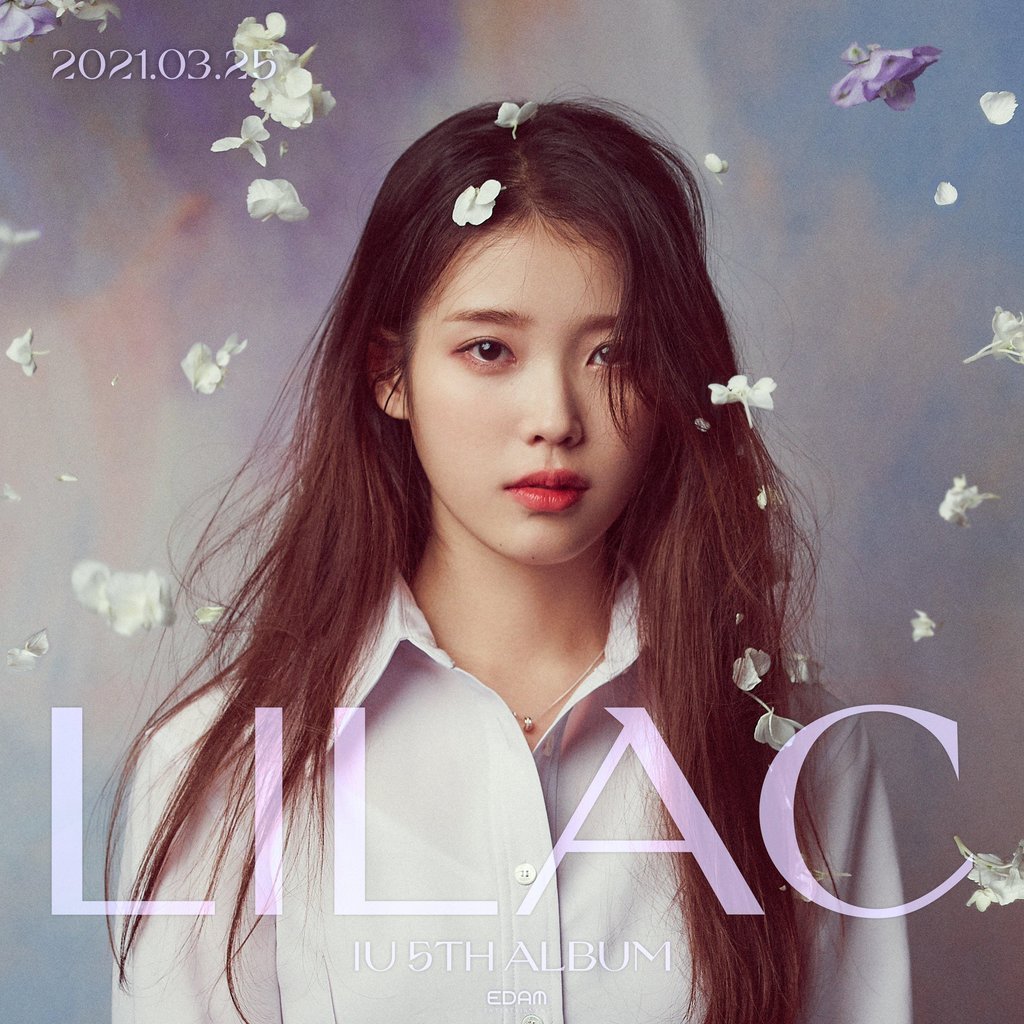
Here is the read from someone who has been watching EDAM Entertainment operate around 아이유 (IU) for over a decade: the 라일락 (LILAC) rollout in March 2021 was not just a comeback, it was a piece of vertical marketing IU wrote around her own 20s ending, and the Korean industry took notes. IU turned 28 international, 30 Korean age, in 2021. Her fifth full-length album LILAC was designed, from track sequencing to color palette to physical-format strategy, to be the last thing she released before that birthday, and to convert the moment into both a sincere personal statement and a first-week album sales weapon. Both of those things are true at once. That is the entire trick.

The 20s-farewell concept: sincere personal statement as marketing hook
What made LILAC land the way it did in Korea is that the 컴백 (comeback) framing was not invented by a marketing team, it was invented by the artist herself and then handed to the label. IU was very deliberate in interviews about calling this her "final album of my 20s." That framing sold physical LPs, and CDs, and the 2-SET pre-orders IU was pushing through Daebak and other retailers, because Korean fans in their 20s wanted a physical artifact of the same life-stage transition they were living through. What the Korean industry now calls "생애주기 마케팅" (life-cycle marketing) got a masterclass here. LILAC was not sold as "buy the new IU album." It was sold as "buy the artifact of the year you turned 30 in Korean age," and that emotional math is a completely different price-elasticity curve than a normal K-pop release.

Disco funk revival: why the title track sounded like 1978
The title track LILAC is a 70s disco funk pastiche, and that was not accidental. IU co-composed the track and worked with producers including 이종훈 (Lee Jong-hoon) on the instrumental spine. The mid-tempo four-on-the-floor kick, the wah-wah guitar figure in the pre-chorus, and the string stabs in the second chorus all reference late 70s Philadelphia soul and early ABBA, which is a very specific aesthetic move in the K-pop landscape of March 2021. Every other major release that quarter, from aespa Next Level in May to Brave Girls Rollin resurfacing, was in the 4th-gen synth-heavy or hip-hop-inflected space. IU deliberately went the other way, and the reason is that a 20s-farewell song needs to sound nostalgic to be legible as a farewell. Disco pastiche does that work in six seconds. The listener does not need to be told the song is looking back.

Chart receipts and the 300K first-week physical sales math
The commercial performance justified every framing decision. LILAC debuted at No. 1 on the Gaon (now Circle) monthly album chart for March 2021, and cleared over 300,000 physical copies in the first week according to Hanteo. For a solo female artist in Korea in 2021, that number was extraordinary. The context that matters: BTS and Stray Kids were routinely clearing 1 million-plus first-week album sales in the same window, but they were doing it on the back of massive dedicated fandoms with organized bulk-buy operations. IU, as a soloist without an ARMY-scale purchasing machine, cleared 300K on the strength of individual fan demand plus a broader casual-listener market that treated LILAC as a lifestyle purchase. The album also achieved perfect all-kill on Korean streaming charts (Melon, Genie, Bugs, FLO, VIBE, iChart) the week of release. All ten tracks charted in the Melon and Genie top 100 simultaneously the week of April 5, which is a metric usually reserved for boy-group fan-cams, not for a soloist's album cuts.
The Coin, Empty Cup, Ah Puh b-sides: why the whole tracklist matters
The reason critics kept using the phrase "whole album listener" about IU in 2021 is that the b-sides on LILAC were designed to be tour setlist candidates, not filler. Coin, which IU co-wrote and which became the second title, is the sharpest example. It is a bass-driven mid-tempo with a subtle house influence, and it works as a live-band arrangement on stage. Empty Cup (빈 컵) is a piano ballad that reads as a direct sequel to Palette-era IU. Hi Spring Bye (봄 안녕 봄), the pre-release, is the acoustic guitar counterpoint that sets tonal contrast for the disco-pop of LILAC and Flu. Ah Puh (아이와 나의 바다), which closes the album, is the emotional weight-bearing wall. That's a producer-brain approach to sequencing: pace-vary, texture-vary, and give each track a distinct emotional register. This is why Coin became a live tour staple through The Golden Hour concert cycle in 2022, and why every LILAC album cut had streaming legs into 2022 and 2023, not just release-week spikes.

The MV budget question: why LILAC looked expensive
Industry chatter through the first quarter of 2021 pegged the LILAC MV budget in the neighborhood of 1 billion won, which puts it in the top tier of K-pop MV expense alongside HYBE and SM tentpole releases. That number is not disclosed by EDAM, so treat it as an educated estimate from crew-side rumor. What is verifiable is what shows up on screen: full period-styled sets, an active train sequence with practical stunts, a dance troupe with custom-fit 70s wardrobe, and color grading by a top-tier post house. When a solo release commits that kind of production capital, the label is not just selling the song, it is protecting the artist's next five years of brand equity. IU's contract with EDAM has, since her Chapter 2 renewals, been structured around her being the label's primary artist rather than one of many, and that gives EDAM the runway to spend at HYBE-tier levels on a single release. LILAC's MV budget was a bet that the 20s-farewell concept would carry IU into her next contract cycle at premium valuation. It did.
Post-LILAC: The Golden Hour, the "Lilac generation" phrase, and what came next
The cultural aftertaste of LILAC is where the industry-side read gets interesting. Korean media through late 2021 and 2022 started using the phrase "라일락 세대" (Lilac generation) to describe 20s Korean women reflecting on the transition into their 30s, and IU was tacitly credited with naming the mood. That is not fan copy, that is real cultural language pickup, and it happened because LILAC gave the demographic a vocabulary. When IU announced The Golden Hour concert at Jamsil Olympic Stadium in September 2022, tickets sold out in five minutes. Jamsil holds around 40,000, and that was the first solo female artist concert at Jamsil since 2019. The straight-line from LILAC to Golden Hour was: album gives fans a shared emotional narrative, narrative converts to concert demand at premium pricing, concert converts to global brand story. This is the model EDAM has been quietly running for IU since the Palette-era pivot in 2017, and LILAC was the peak execution of it.
Why LILAC still matters five years later
The appeal point of LILAC, for anyone reading this outside the K-pop bubble, is not that it was a hit album. Plenty of K-pop albums are hits. The point is that LILAC is the clearest example in the last decade of a Korean artist writing marketing copy into her own music, and having it work as both marketing and as music. The 20s-farewell was real. The disco-pop was real. The 300K first-week sales were real. And they all reinforced each other because IU had spent a decade building the fan trust that lets a soloist say "this album is about me turning 30" without it reading as commercial. That trust is the actual currency of a Hallyu career, and LILAC is the receipt.
Explore K-pop with Daebak
If this insider read on how IU, EDAM, and the LILAC rollout actually worked made you want more of the Hallyu-expert perspective on Korean pop culture and the industry moves behind the songs, the Daebak Box is a monthly deep-dive: curated Korean snacks, pop culture, and lifestyle picks that land past the headlines and into what Koreans actually love. Subscribe, and let each month arrive like a comeback teaser in your mailbox.


