


Table of Contents
Korean cinema has gone from regional curiosity to global powerhouse in barely two decades. Bong Joon-ho's Parasite made history as the first non-English film to win Best Picture at the Oscars in 2020, but it was only the loudest chapter of a much longer story. K-cinema mixes genre thrills with sharp social commentary, and it now lives on Netflix, Mubi, KOCOWA, and theaters worldwide.
This beginner's guide walks through the directors, films, and festivals that put Korean cinema on the map, plus a recommended viewing order so you can dive in without getting lost.

How Korean Cinema Conquered the World
Modern K-cinema took shape in the late 1990s, when government censorship eased and a new generation of directors began experimenting with genre. By the mid-2000s, films like Oldboy and The Host were earning prizes at Cannes and packing theaters at home. The 2020 Oscar sweep for Parasite, with four wins including Best Picture, Best Director, Best Original Screenplay, and Best International Feature, marked the moment Korean film became unmissable for global audiences.
The success was not a fluke. CJ ENM, the country's biggest studio, has produced or distributed many of the films you now think of as essential, and streaming platforms have given them a permanent global shelf.
The Four Directors You Need to Know
Bong Joon-ho blends black comedy with biting social critique. From the serial-killer drama Memories of Murder (2003) to the monster movie The Host (2006), the dystopian Snowpiercer (2013), and Parasite (2019), his films keep returning to class, family, and the absurdity of modern life.
Park Chan-wook is the master of mise-en-scene. His Vengeance Trilogy, anchored by Oldboy (2003), built his international reputation, and The Handmaiden (2016) and Decision to Leave (2022) cemented him as a stylist without peer. He won Best Director at Cannes in 2022 for Decision to Leave.
Lee Chang-dong, a novelist turned filmmaker, makes quiet, devastating dramas: Peppermint Candy (1999), Oasis (2002), Secret Sunshine (2007), Poetry (2010), and the slow-burn thriller Burning (2018), which won the International Critics' Prize at Cannes.
Kim Jee-woon is the genre chameleon behind A Tale of Two Sisters (2003), The Good, the Bad, the Weird (2008), and I Saw the Devil (2010), films that pivot from horror to western to revenge thriller without losing his trademark visual polish.

The Iconic Films Every K-Cinema Fan Should See
Parasite (2019) is the obvious starting point: a pitch-black satire about a poor family infiltrating a wealthy household. Oldboy (2003) is the revenge masterpiece with the famous hallway hammer fight. Memories of Murder (2003) reframes a real-life serial-killer case as a critique of the 1980s authoritarian state.
The Handmaiden (2016) is a lush, twisty erotic thriller adapted from a British novel and reset in colonial-era Korea. Train to Busan (2016) made K-zombies a global brand. Burning (2018) is a hypnotic study of class envy. Decision to Leave (2022) is a romantic detective story disguised as a noir. Past Lives (2023), directed by Korean-Canadian Celine Song, earned two Oscar nominations and introduced the Korean concept of in-yeon to the world.

The Genres That Define K-Cinema
Korean cinema rarely sits inside a single genre, but a few signatures recur. Revenge thrillers, from Oldboy to I Saw the Devil, push violence and moral ambiguity to operatic extremes. K-zombie films, kicked off by Train to Busan and continued in Peninsula and Netflix's Kingdom, use the undead as a vehicle for class allegory.
K-romance, whether it is the wistful diaspora love story of Past Lives or the obsessive entanglement of Decision to Leave, treats yearning as a serious adult subject. And almost every prestige Korean film carries social commentary, from Parasite's class war to Burning's portrait of a stalled generation.
The Busan International Film Festival
Asia's most important film event is the Busan International Film Festival, known as BIFF. Launched in 1996, it spent 29 years as a noncompetitive showcase before adding a competition section for its landmark 30th edition in September 2025, which screened 328 films and drew Park Chan-wook, Tony Leung Ka-fai, Lisa of BLACKPINK, and Iranian Palme d'Or winner Jafar Panahi to the red carpet.
BIFF is where Korean cinema's next stars are spotted. If you ever visit Korea in autumn, the festival's Haeundae beachfront venues turn into a giant outdoor cinephile gathering for ten days.

Where to Stream Korean Films Internationally
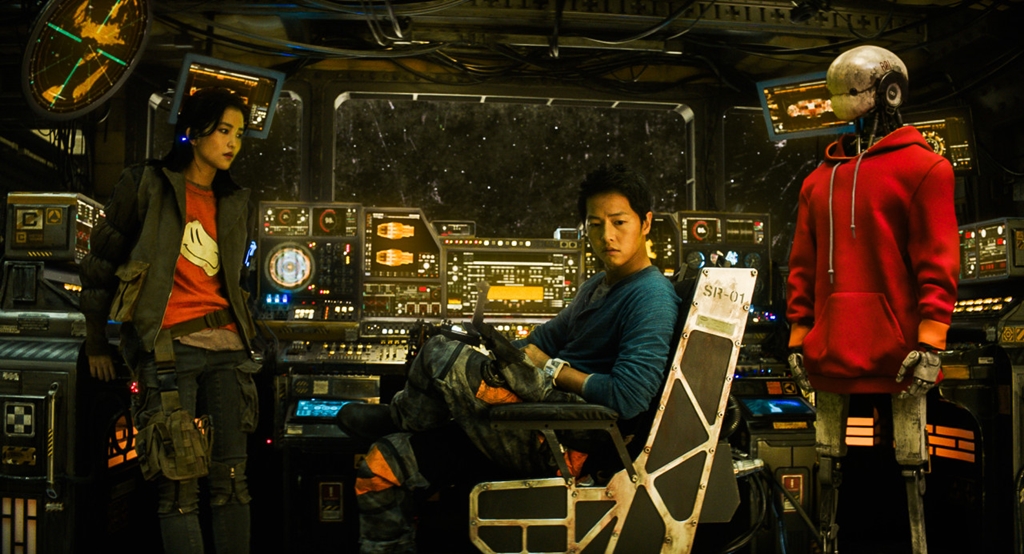
Netflix is the largest single library of Korean cinema worldwide. It hosts Okja, Space Sweepers, Hunt, the Kingdom series, and a steady pipeline of original Korean features. Mubi curates art-house titles by Lee Chang-dong, Hong Sang-soo, and Park Chan-wook with handsome restorations.
KOCOWA focuses on Korean broadcast content but carries select theatrical releases for North American viewers. Amazon Prime Video rents and sells classics like Oldboy, The Handmaiden, and Parasite. The Criterion Channel regularly programs Korean retrospectives, and Apple TV and Google Play cover what the streamers miss.
A Recommended Viewing Order for Beginners
If you are starting from zero, follow this six-film path. Begin with Parasite (2019) for the global hook and Bong's signature mix of comedy and dread. Move to Train to Busan (2016) for pure genre adrenaline. Next, watch Memories of Murder (2003) to see early Bong and the post-democratization Korea his work keeps returning to.
Then graduate to Oldboy (2003) and brace yourself for one of cinema's most discussed twists. Try The Handmaiden (2016) for Park Chan-wook at his most lavish. Finish with Past Lives (2023) to see how the diaspora generation now exports Korean storytelling back to the world. From there, branch into Lee Chang-dong's Burning, Kim Jee-woon's I Saw the Devil, and Hong Sang-soo's quiet comedies at your own pace.
Explore More of Korea with Daebak
Want to bring a little piece of Korea into your life? The Daebak Box is packed with the best Korean snacks, ramen, and cultural goodies delivered monthly to your door.


