


Table of Contents
Every foreign visitor I have hosted for Korean food work over the last decade eventually asks the same question in some form. What is the daring thing I should try? Not the shock content their friends dared them into. The dish that would actually make a Korean coworker nod and say, okay, you get it. After ten years of watching Korea Tourism Organization campaigns, restaurant briefings, and a fair number of blown-out Instagram reels, I can tell you the industry answer is not what Western food-challenge YouTube pretends. There is a clear tourist tier of adventurous Korean food, and the four dishes below sit at the sweet spot: they carry cultural literacy that pays off in a caption, they are physically approachable if you know the entry point, and they are not niche regional heritage cuisine reserved for someone's grandmother's Chuseok table.

How Korean Tourism Actually Frames "Daring Food"
Here is the frame nobody outside Korea has bothered to explain. When KTO markets Korea to global food-tourism agencies, adventurous eating gets sorted onto a spectrum, not a horror scale. On one end sit the low-friction dishes any tourist can bump into during a 3-day Seoul trip: sundae from a subway-station cart, hoe from a Noryangjin runner, sannakji from a Busan seafood stall if they are feeling brave. On the deep end sit the genuinely hard-to-access heritage cuisines like fermented hongeo skate from Mokpo or dog-soup traditions from a shrinking rural constituency. The four dishes here belong to the first bucket. That is precisely why tourism agencies build itineraries around them.
The industry logic is straightforward. K-food subscription brands and cooking-class operators have learned that global visitors want the appeal point, not the shock. O'ngo Food Communications, which now runs high-end culinary tours for private-jet visitors from the Middle East and Europe, told the Korea Times last week that Noryangjin fish market outdrew fine dining for their May 2026 luxury group. That is the tell. Adventurous Korean food works when it is framed as cultural literacy, not as a gag reel. Everything below is written with that filter on.
Sundae (순대): The Blood Sausage Sitting Next to Your Instant Ramen Aisle
If you have walked past a GS25 or a CU convenience store steamer counter in Seoul, you have already been three feet from sundae without noticing. This is the daring food that is not actually daring. Sundae is pig intestine casing stuffed with sweet-potato glass noodles, a little vegetables, and a controlled amount of coagulated pig blood, then steamed. Most Koreans encounter it as a 3,000-won cart snack next to tteokbokki at their neighborhood market or as a piping-hot sundae-gukbap (blood sausage soup with rice) at a 24-hour gukbap joint. The intestine casing is the whole aesthetic story. Once you take the first bite, it reads more like Chinese sausage crossed with black pudding, which is to say: umami, mildly gamey, deeply satisfying at 2 a.m.
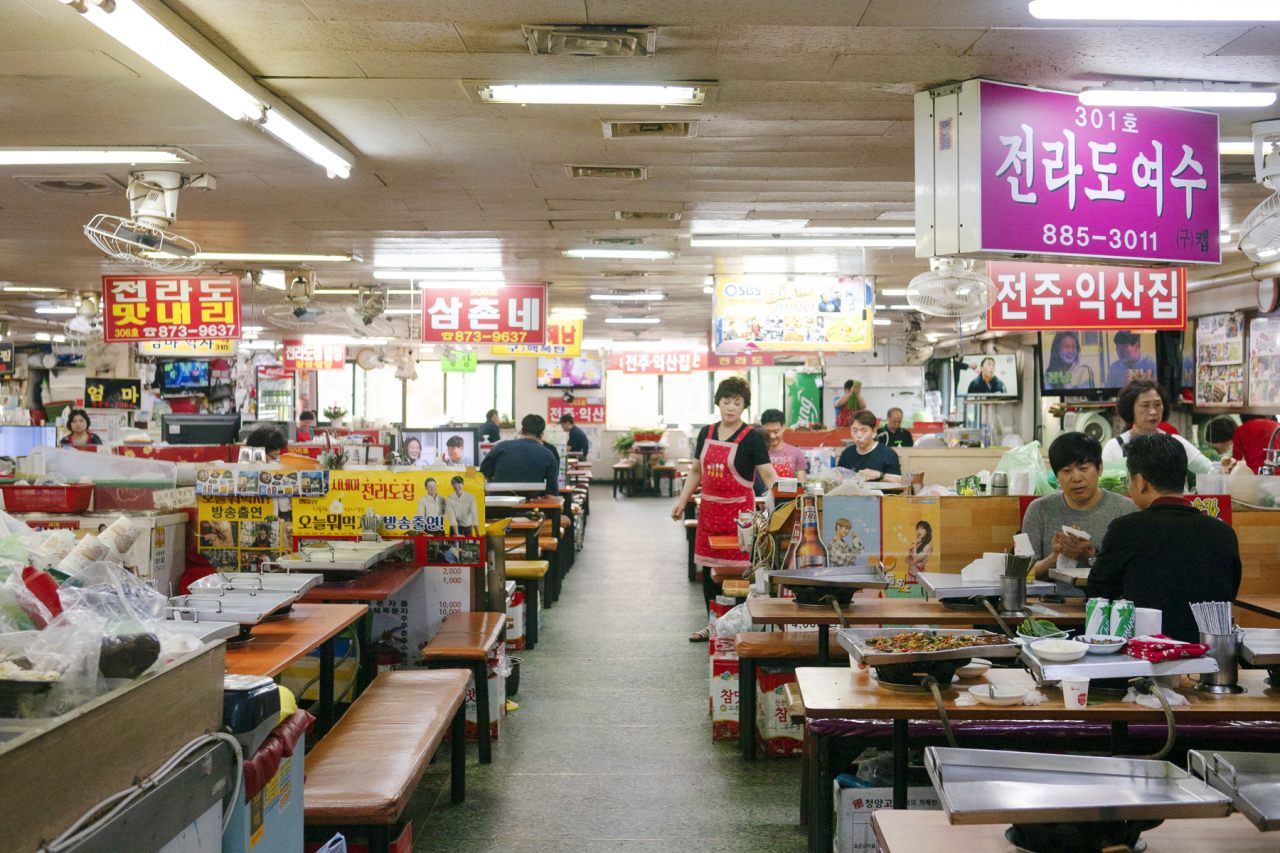
The tourist strategy is easy. For street-food framing, hit Gwangjang Market near Jongno 5-ga or the sundae carts along Sindang-dong tteokbokki alley, where the vendor will hand you a plate with a small dish of salt (Seoul style) or ssamjang (Gyeongsang style) for dipping. For a slightly wilder step up, take Line 2 to Sillim and eat sundae-bokkeum on the second floor of Sillim-dong Sundae Town, a two-building complex the Korea Herald has documented as a national curiosity: five floors, roughly 30 identical stalls per floor, all making the same stir-fried sundae dish with baek (white, no gochujang) or gochujang red sauce, 15,000 won for two people. That is Korean food ecosystem logic on full display. When a dish gets popular enough, Koreans build a whole building for it.
The appeal point most Western coverage misses is that sundae is fundamentally a jeong (deep affection) food, not a novelty. Ask any Korean in their forties which dish reminds them of their mother, and sundae-gukbap makes the top ten. That is why Michelin Plate holder chef Choi Ji-hyung at Lee Buk Bang in Mapo now serves a 90-minute sundae omakase built around the Hamgyong Province recipes his North Korean grandmother taught him. The Korea Times profiled him in March 2024 for good reason. He is the first Korean-American chef translating comfort blood sausage into fine dining, and 20 percent of his customers are foreign. If you want the Instagram carousel of the trip, this is the two-photo combo: one sundae cart plate, one Lee Buk Bang omakase board.
Hoe (회) at Noryangjin: The 잘라주세요 Playbook Every Tourist Should Know
Hoe is Korean sliced raw seafood, which is close to but not identical to Japanese sashimi. The differences matter for tourists trying to buy it correctly. Where Japanese sashimi is priced and sold as finished plated portions, Korean hoe still lives inside a live-market economy where you buy the fish, then pay a separate cook to slice and plate it. The whole tourist adventure at Noryangjin Fisheries Wholesale Market is learning that flow. As of 2011 the Seoul Metropolitan Government already ranked Noryangjin alongside Namsan and Myeongdong as one of foreign visitors' top three market attractions, and roughly 200,000 international visitors clock in per year. This is not off-menu tourism. It is on the KTO's marketing spine.
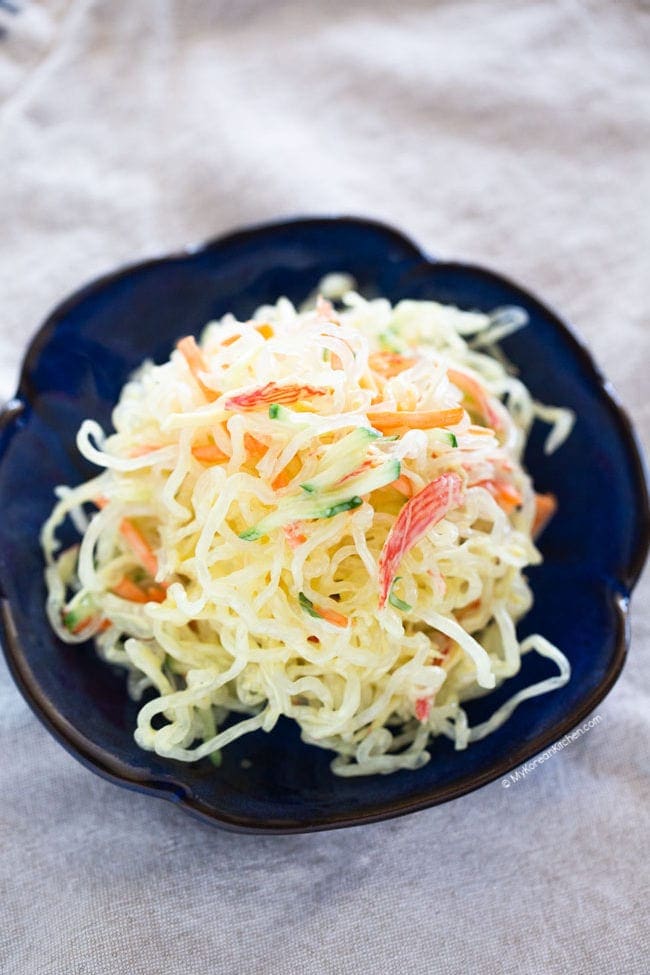
The industry playbook works like this. Enter Noryangjin from Exit 1 of the station, take the pedestrian bridge into the market floor, then walk the tanks and pick a fish (도미 sea bream and 광어 flounder are the safest first-timer picks, priced around 30,000 to 50,000 won per fish for a group of two). The phrase that unlocks the rest of the experience is 잘라주세요 (jallajuseyo, please slice it). The vendor cuts it, and you carry the bagged sashimi upstairs to one of the second-floor 회 restaurants, where you pay a small sanggeurim (side-dish and prep) fee of 5,000 to 10,000 won per person and they plate everything on a bed of cheonsachae kelp noodles with sesame-oil salt, chogochujang, and enough banchan to make it a full dinner. Two people can walk out full for under 70,000 won with soju included. That is why the affluent-traveler group who visited in May told the Korea Times the market beat the fine-dining stop on their itinerary. It is theatrical, it is participatory, and it costs a fraction of an omakase.
The taste-side appeal Koreans keep chasing is not raw-fish freshness per se. It is the mouthfeel. Korean hoe is cut thicker than Japanese sashimi and served slightly firmer, tuned for that jjolgit (chewy bounce) mouthfeel Korean cuisine treats as a full flavor axis. Add the sesame-oil salt dip and you get a snap-then-nutty finish that soju cuts through cleanly. Sue Pressey at My Korean Kitchen, who has been documenting Korean home cooking since 2006, notes she keeps sesame oil restrained in her raw-fish dips precisely because seafood texture is what Korean cuisine wants to protect. That restraint is the whole idea of Korean hoe.
Sannakji (산낙지): Yes, It Is Still Moving. Here Is the Chewing Rhythm.
Sannakji is the tourist Everest that is actually a bunny slope. Baby long-arm octopus (nakji) gets chopped seconds before serving, dressed with sesame oil and sesame seeds, and set in front of you while the tentacles still writhe from residual nerve activity. The octopus is dead before it reaches your plate. This is the single most misrepresented Korean dish in Western media, which is why Korean food editors quietly love pointing out that the Korea Tourism Organization's 2018 survey of 944 international followers ranked sannakji as the number one Korean dish foreigners most wanted to try. It ranked ahead of ganjang gejang and even sundae. That is demand data, not fear data.
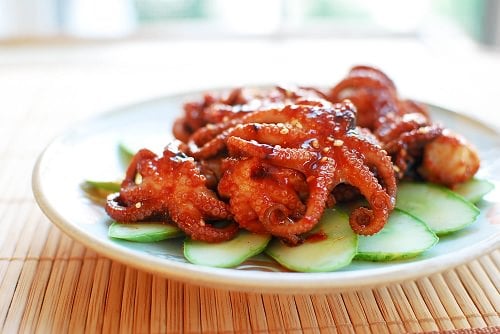
The technique matters more than most first-timers realize. Chew fast, chew hard, do not swallow whole. The suckers on the tentacle pieces genuinely can grab onto the throat, and that is the one legitimate safety story. CNN reported in October 2023 that an 82-year-old Korean man had a heart attack after choking on sannakji, and Korean media covers similar cases every couple of years. The response inside the industry has been that reputable restaurants now default to smaller cuts and instruct diners on the sesame-oil dip pattern that coats the suckers so they release from the mouth cleanly. Any Busan or Noryangjin restaurant serving sannakji will demonstrate the rhythm on request, and yes, that is worth the video content on its own. Two people share a plate for around 40,000 to 60,000 won at Jagalchi Market.
The reason Koreans keep ordering it is the chew, not the shock. The Korea Herald's 100 Food Challenge series describes the flavor honestly: savory, chewy, with the sesame oil doing the heavy lifting. What you are tasting is jjolgit again, the same textural spring that shows up in tteokbokki rice cake and cold noodles. Once your palate registers that this is a texture axis rather than a taste axis, sannakji stops being scary and starts being interesting. That mental switch is the entire tourist tier of adventurous Korean food in one bite.
Gaesoju (개소주): The Historical Curiosity Most Tourists Will Never Actually See
Now the honest one. Gaesoju is a boyangsik (body-strengthening) tonic historically brewed by simmering dog meat with jujube, ginger, garlic, and Korean herbal-medicine ingredients like hwanggi (astragalus) and dangwi (angelica) for hours, reduced into a dark liquid that older-generation Koreans drank for stamina during summer or after illness. The reason I include it in a tourist article is not to recommend you try it. It is because gaesoju is the historical anchor that explains why the entire modern Korean tonic industry exists, and you cannot understand Seoul's Yangnyeongsi herbal-medicine market at Jegi-dong without knowing this story. Any tourist who has walked past a hanyak (traditional Korean medicine) clinic and seen brown herbal packets stacked in the window has walked past the descendants of gaesoju logic.
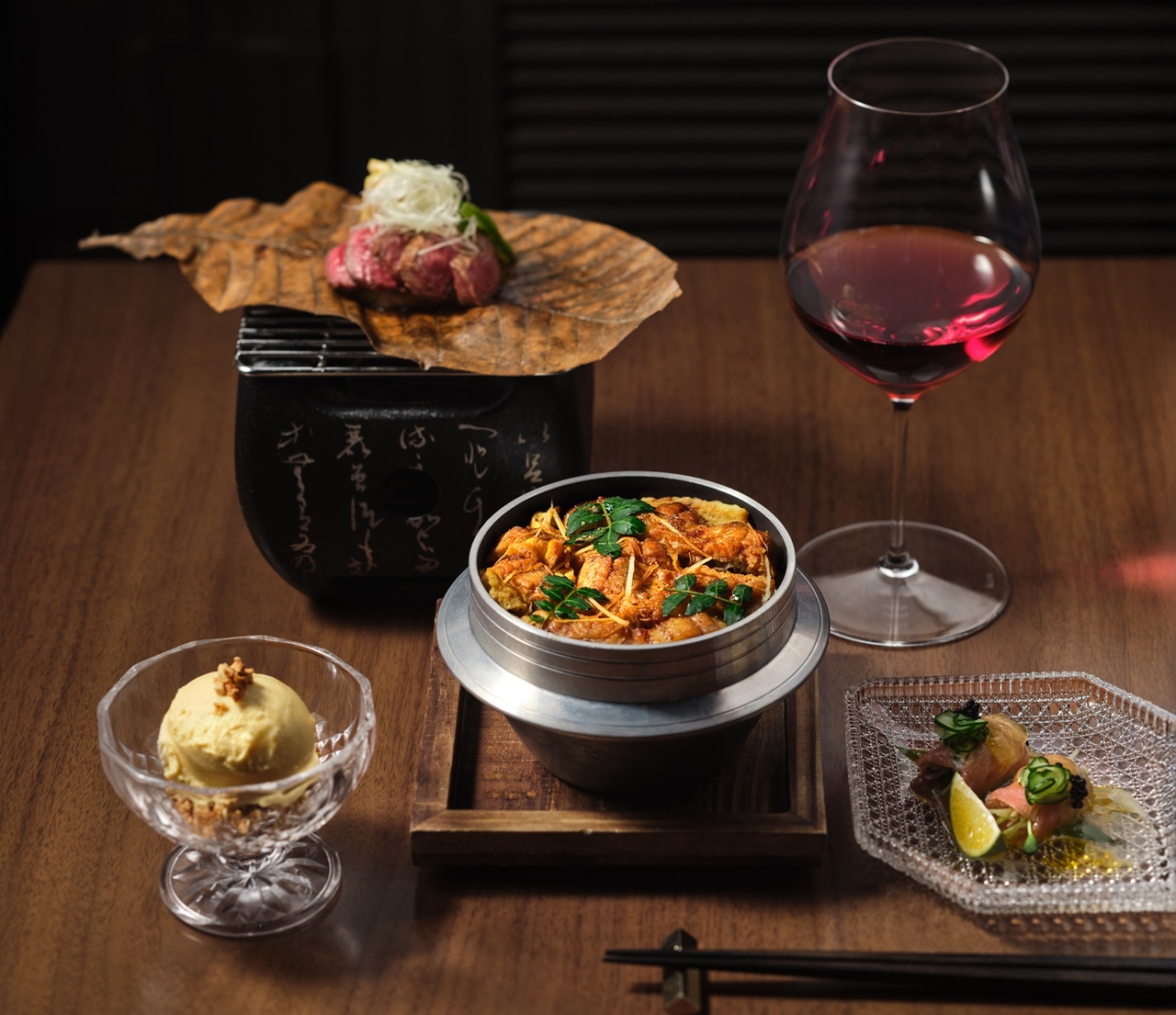
The realistic tourist encounter with gaesoju in 2026 is close to zero. In January 2024 the National Assembly passed the Special Act on Ending the Dog Meat Industry, banning slaughter and sale for consumption with a grace period ending February 2027. The industry has been winding down since. Gaesoju shops still exist in older neighborhoods and rural provinces, but almost every downtown clinic that used to run a boyangsik line has migrated to heukyeomso (흑염소, black goat) tonic, hongsam (red ginseng) concentrate, or samgyetang restaurants. The 2026 luxury-hotel boyangsik boom the Korea Herald covered in July is the endpoint of this transition. Park Hyatt Seoul, Westin Parnas, and Le Meridien Myeongdong are all running seven-course summer stamina menus at 79,000 to 173,000 won per person that translate the gaesoju sentiment (restore energy, beat the boknal heat wave) into abalone rice, croaker sashimi, hanwoo tartare, and samgyejuk chicken porridge. That is the industry pivot in real time.
The cultural literacy payoff for tourists is this. If a Korean older relative offers you a small bottle of dark herbal liquid at a family dinner, they are following gaesoju's descendant logic. Say thank you, sip a little, and understand that you are being welcomed into a stamina-culture ritual older than most of the buildings around you. The specific ingredient may have shifted from dog to black goat to ginseng, but the framework, boyangsik as care, is the same. That is the story worth carrying home, and it is also the one that closes the loop on why adventurous Korean food is not really about the shock at all.
The Instagram Payoff and Why Cultural Literacy Beats Pure Bravado
Every daring dish above rewards a slightly informed frame more than a raw challenge frame. Sundae reads as street-food nostalgia if you shoot the cart and the plastic-container blood-sausage plate together with the tteokbokki. Noryangjin hoe reads as travel photojournalism the moment you get the tank, the pick, the vendor knife, and the second-floor plate as a four-image carousel. Sannakji reads as controlled adventure when the caption explains the sesame-oil release trick rather than the ick factor. Gaesoju, honestly, reads best as a paragraph in your journal, not a photo. That gradient, from Instagram carousel to journal entry, is roughly how the Korean food industry itself sorts these dishes for global visitors. The K-food subscription category and the KTO Seoul campaign both bet on the same insight: Gen Z and millennial travelers reward the story more than the stunt. The story here is that Korea has spent decades turning working-class ingredients (pig intestine, live seafood, herbal-medicine broth) into cuisine categories serious enough to underwrite Michelin plates and 138,000 won boyangsik menus. Try the dishes in that spirit. You will eat better, learn more, and probably post better content too.
Explore Korean Snacks with Daebak
Love Korean food? Get authentic Korean snacks and ramen delivered straight to your door with the SnackFever Box by Daebak.


