


Table of Contents
Gift-giving in South Korea is far more than a polite gesture. It is a deeply coded social practice that signals respect, strengthens relationships, marks hierarchy, and keeps the wheels of family, friendship, and business networking turning. From the moment you cradle a present with two hands and bow slightly, to the white envelope you slip across the reception desk at a Korean wedding, every detail carries meaning. This guide walks through Korea's gift-giving rules, the occasions that demand a present, what to pick for each one, and the modern twists, including Kakao gifticons, that are reshaping the tradition.

Why Gift-Giving Matters in Korea
In Korean culture, giving a gift is a way of acknowledging a relationship and the social position attached to it. Confucian values still shape daily life, so presents help honor elders, show gratitude to teachers, and signal loyalty to bosses, in-laws, and long-time friends. In business networking, a thoughtful gift can soften a first meeting, close a deal, or smooth over a delicate negotiation. The act of giving is also an investment in jeong, the Korean concept of deep emotional bond, which is built up through repeated small gestures over years.
Receiving a gift, in turn, creates a quiet sense of obligation to reciprocate when the chance arises. That is why Koreans often keep mental ledgers of who gave what at weddings, funerals, holidays, and housewarmings. The flow of presents is the visible thread that holds the social network together.
Top Gift-Giving Occasions in Korea
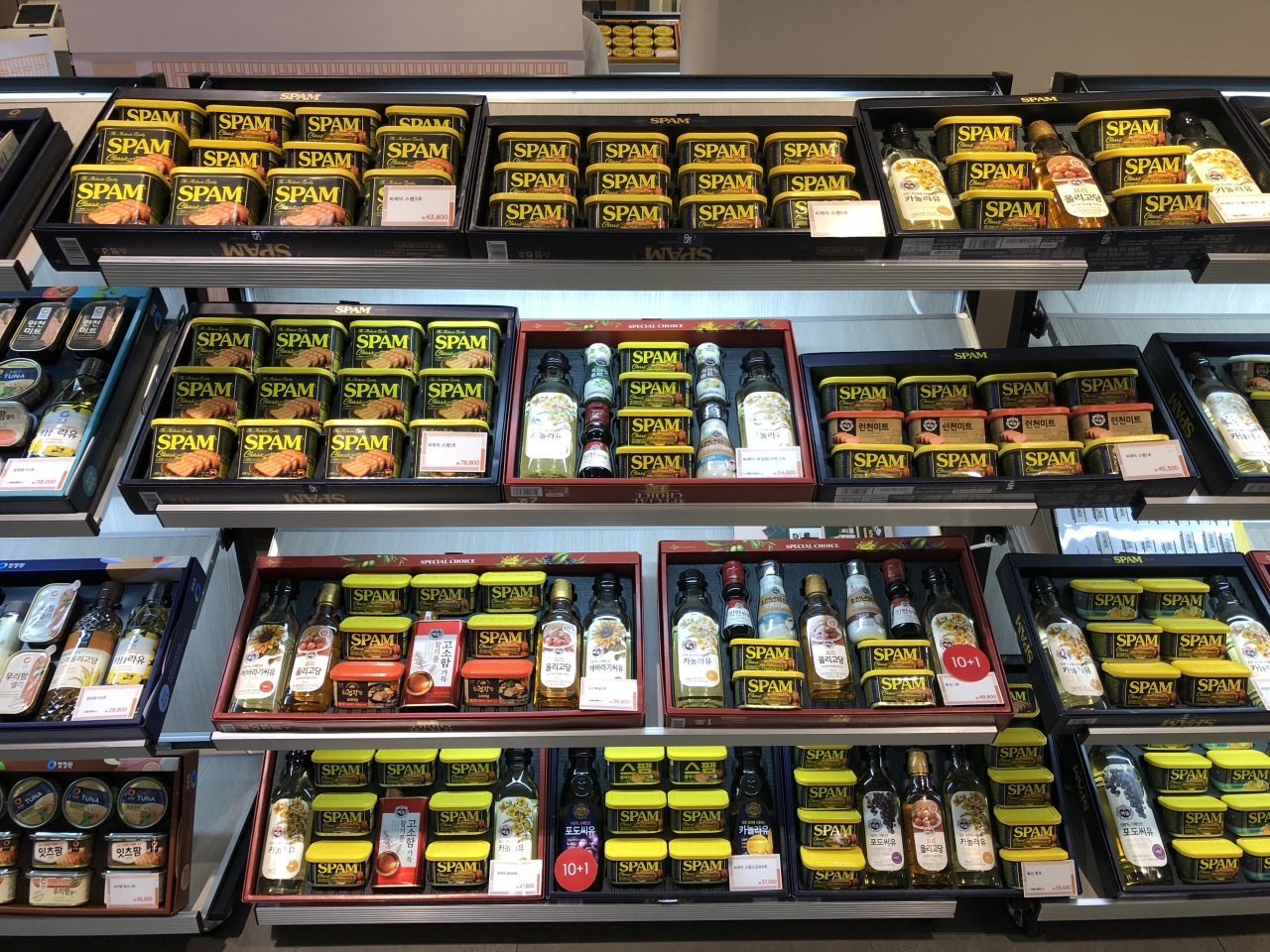
Two holidays dominate the gifting calendar. Seollal, the Lunar New Year, and Chuseok, the autumn harvest festival, both bring nationwide gift box marketing campaigns at department stores, large marts, and online malls. Families exchange premium hampers of fruit, hanwoo beef, hangwa sweets, sesame oil, and toiletries with parents, in-laws, and bosses.
Weddings are another major occasion, where guests bring cash in white envelopes rather than wrapped presents. Housewarmings call for toilet paper or laundry detergent, both seen as wishes that the household's fortune unfolds smoothly. Birthdays, first birthday doljanchi parties, and 60th and 70th milestone birthdays each have their own customs. Business meetings often start or end with a small gift, especially when meeting overseas partners. Coming back from a trip, Koreans are expected to bring small souvenirs for coworkers, friends, and family.
Korean Wrapping Etiquette: Bojagi and Beyond
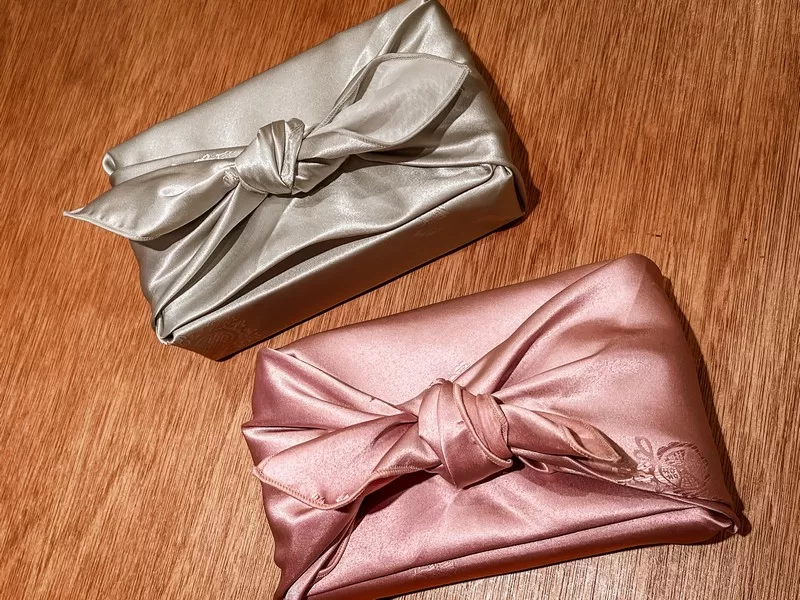
How a gift looks is almost as important as what is inside. The most traditional wrapping is bojagi, a square cloth made of silk, ramie, cotton, or hemp that is knotted around the present. Bojagi has been used in Korea since at least the Joseon Dynasty, and the word is linked to bok, meaning luck. Wrapping a gift in bojagi is, symbolically, wrapping it in good fortune. Patchwork jogakbo and embroidered subo are favorite styles for weddings and ceremonial gifts.
For everyday giving, Koreans use formal patterned wrapping paper and ribbons. Color matters. Red, gold, and yellow are tied to celebration and prosperity, while white and black are reserved for funerals and condolence and are avoided for happy occasions. Luxury brands like Sulwhasoo still offer bojagi wrapping at their flagship stores in Bukchon, and the practice is having a quiet revival as an eco-friendly alternative to disposable paper.
How to Give and Receive a Gift in Korea
The physical act of handing over a present is governed by etiquette. Always use two hands, or use your right hand while supporting your right forearm with your left hand. A slight bow accompanies the gesture, deeper if the recipient is older or higher in rank. The same two-handed rule applies when you receive a gift.
Do not be surprised if the recipient sets your gift aside without opening it in front of you. This is polite, not cold, and avoids any awkward comparison or visible reaction. If a present is refused at first, gently insist. A modest initial refusal is a sign of humility, not rejection.
What to Gift by Occasion
For Chuseok and Seollal, the safest choices are Spam gift boxes, hanwoo beef sets, premium fruit boxes of apples, Korean pears, and Shine Muscat grapes, hangwa traditional sweets, hong-sam red ginseng tonics, and gift sets of sesame oil and seaweed. Spam alone has sold over 1.9 billion cans in Korea since CJ CheilJedang began producing it in 1986, and the canned meat gift box remains a top seller every harvest season.
For weddings, cash in a clean white envelope is the norm. For housewarmings, bring toilet paper, laundry detergent, or kitchen essentials. For first birthdays, gold rings are traditional, although gold prices have nudged many guests toward cash. For business meetings, choose hong-sam tonics, Korean tea, premium kimchi, or curated Korean snack boxes. For close friends and younger relatives, K-beauty gift sets from Olive Young, Sulwhasoo, or Innisfree are universally loved. Hanbok textiles and accessories can be a meaningful gift for someone marking a major life milestone.
Money Gifts: White Envelopes and Sebaetdon
Cash is one of the most welcome gifts in Korea. At weddings, guests hand chukuigeum, congratulatory money, to attendants at the reception desk in a plain white envelope with the guest's name written on the back. Common amounts in 2026 are 50,000 won for acquaintances and coworkers and 100,000 won or more for close friends and family. A Korea Herald report noted the average wedding cash gift recently hit 90,000 won, with younger guests often feeling pressure to give more.
On Seollal, children bow to elders in a ritual called sebae and receive sebaetdon, New Year's pocket money, tucked into small envelopes. Funerals follow a parallel custom, with condolence money called buujigeum given in a white envelope, the difference being a more somber wrapping with no decorative knots or colors.
Gift-Giving for Foreigners Visiting Korea
If you are visiting from abroad, the simplest and most appreciated gesture is to bring a small souvenir from your home country, similar to the Japanese omiyage tradition. Specialty chocolates, regional teas, local honey, branded keychains, snacks unique to your city, or coffee table picture books are all warmly received. Quality matters more than price, and individually wrapped items are easier to share with a Korean office or extended family.
Avoid bringing alcohol if you do not know the host's drinking habits, and skip items that might be hard to display, like religious symbols or politically charged souvenirs. If you are meeting Korean business partners, a small branded item from your company alongside something representative of your hometown sends the right signal.
What NOT to Gift in Korea
A few items carry negative meanings and should never be given. Clocks and scissors symbolize cutting off a relationship and are taboo as gifts. Sharp objects in general, including knives, send the same message. Anything in sets of four is avoided because the number four, pronounced sa, sounds like the Chinese character for death. Green or yellow head coverings can be culturally insensitive, and writing someone's name in red ink is associated with death notices, so never put a recipient's name in red on a card.
Used items are generally avoided as gifts, since the gesture should feel fresh and considered. When in doubt, go with food, drink, or a curated department store gift box, all of which are universally safe.
Modern Korean Gift Culture: Kakao Gifticons and Digital Vouchers
The biggest shift in Korean gift culture over the past decade has been the rise of digital gifts. Kakao Gift, built into the KakaoTalk messaging app, lets users send gifticons, mobile vouchers redeemable at Starbucks, Twosome Place, Paris Baguette, Olive Young, Baskin Robbins, and thousands of other stores. According to Kakao, around 600,000 gifts are exchanged daily through the platform, and the e-coupon market in Korea was worth about 8.6 trillion won in 2024.
Olive Young e-vouchers, Coupang gift cards, and department store mobile coupons are popular for birthdays, congratulations, and quick thank-yous between Gen Z friends. The convenience comes with new social expectations. As The Korea Herald reported, many young Koreans feel pressure to reciprocate every received gifticon, turning the digital gesture into a fresh layer of etiquette to navigate.

Putting It All Together
Korean gift-giving may look complicated from the outside, but the underlying logic is simple. Match the gift to the occasion, wrap it with care, present it with two hands and a small bow, and remember the relationship behind the present. Whether you are sending a Chuseok hanwoo set to your in-laws, slipping a white envelope across a wedding reception desk, knotting a bojagi around a tin of hong-sam, or tapping a Kakao gifticon to a friend's birthday chat, the gesture says the same thing. You are seen, you are remembered, and the relationship is worth keeping.
Explore More of Korea with Daebak
Want to bring a little piece of Korea into your life? The Daebak Box is packed with the best Korean snacks, ramen, and cultural goodies delivered monthly to your door.


