


Table of Contents
Side dishes are not made just to sit on the edge of the table while you eat the main course. They are a part of the meal, part of the experience. In Korean cuisine, banchan (반찬) are side dishes usually served alongside rice. Banchan come in every form imaginable, from soups to pickled bean sprouts. There are hundreds of banchan out there, but here are five essential ones that can introduce your taste buds to an entirely new world of flavor.
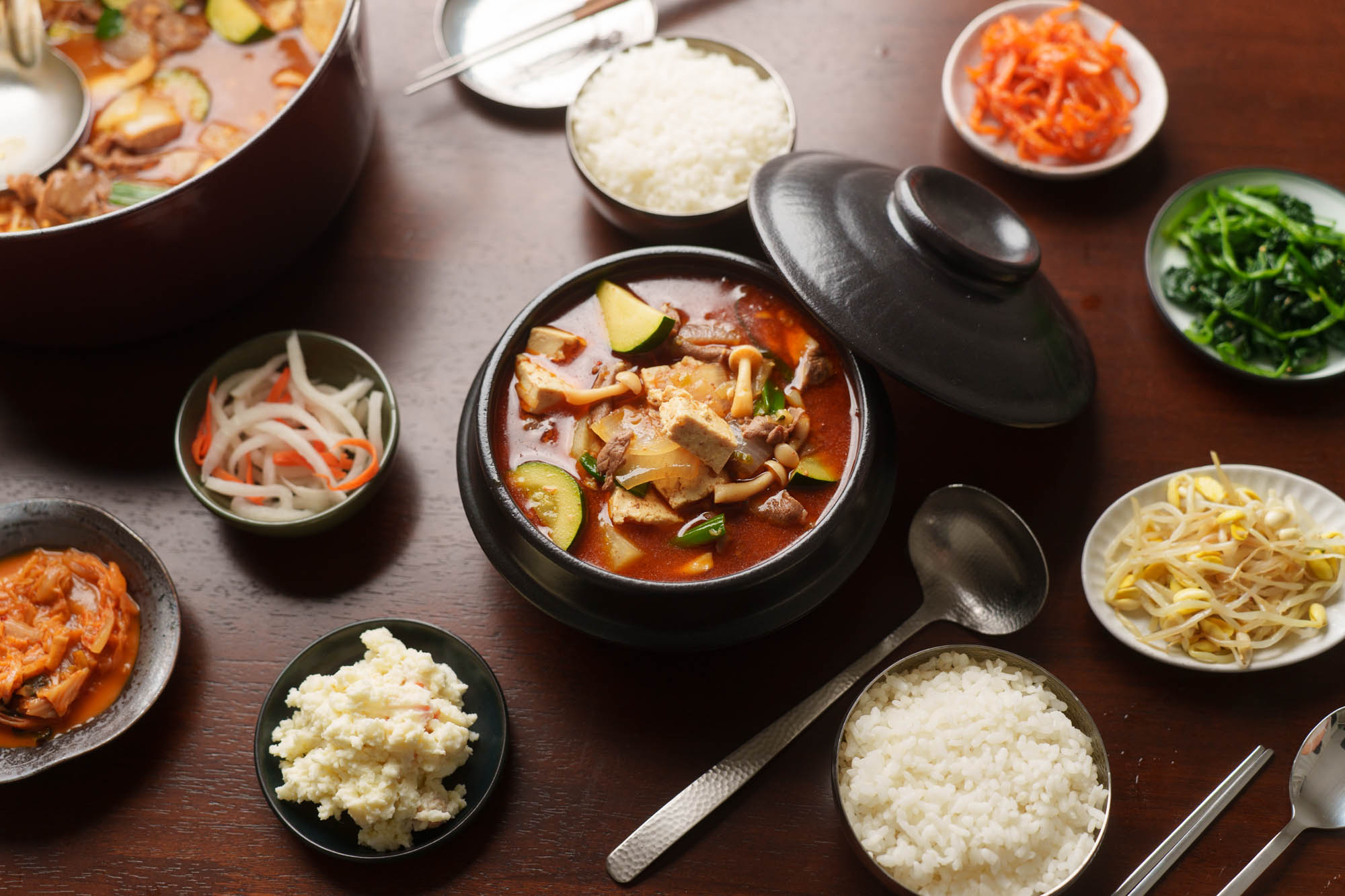
1. Doenjang-jjigae (된장찌개)
The classic soybean paste stew, doenjang-jjigae, is one of the most popular stews in Korea. It is made with vegetables, seafood or pork, and doenjang (된장), the fermented soybean paste that gives the stew its deep, savory backbone. Doenjang-jjigae can be eaten for breakfast, lunch, or dinner. There is nothing better than doenjang-jjigae on a cold day. It is comforting and delicious, and this stew gives you a piece of Korea you can enjoy from anywhere. It is usually a homemade dish, so if you want to try making it, Maangchi has a wonderful recipe on her blog. This savory stew is worth all the work.
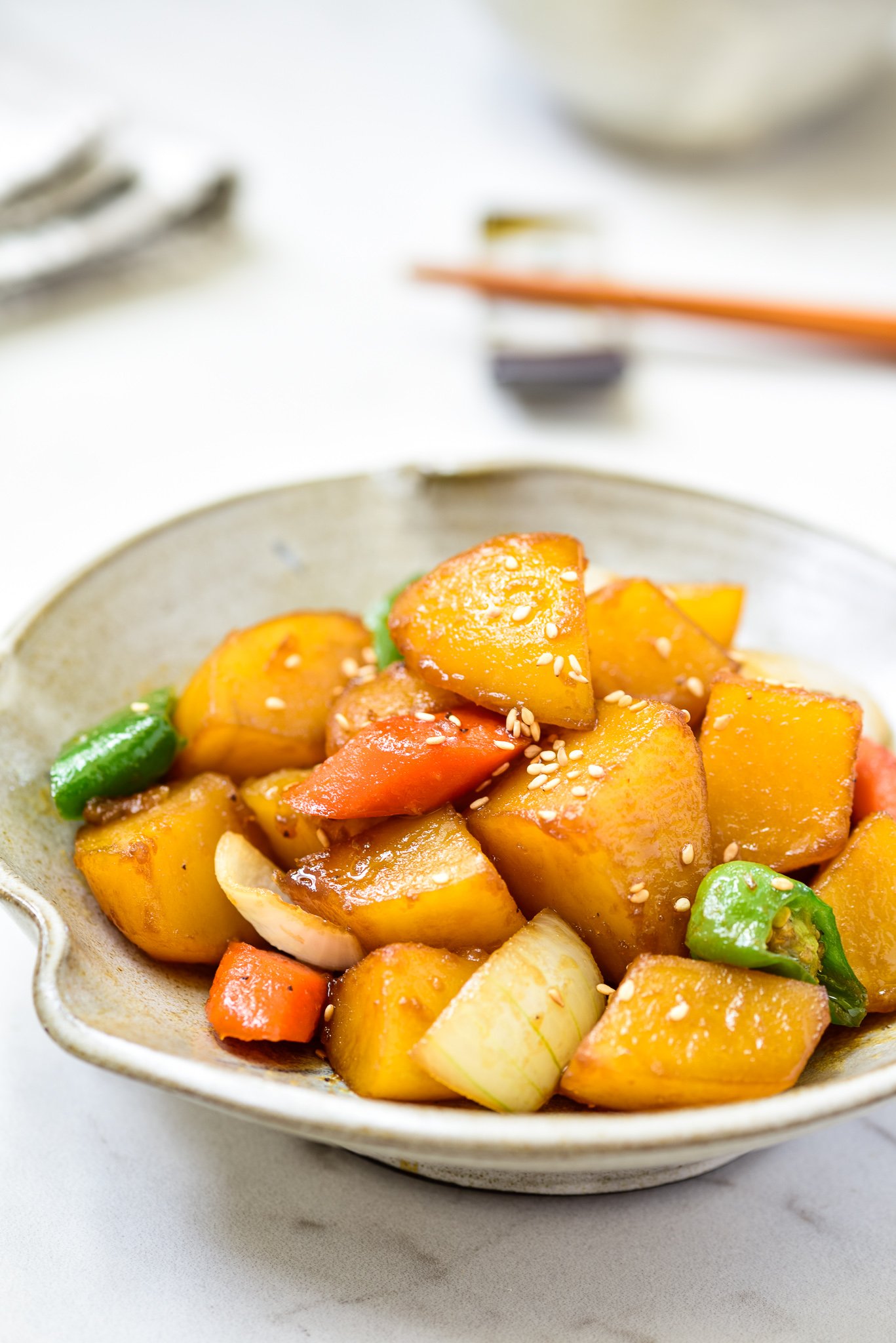
2. Gamja-jorim (감자조림)
If soup is not your kind of side dish, then there is gamja-jorim, which is potatoes braised in soy sauce. All you need for this side dish are potatoes, soy sauce, dry sea kelp, and green onions. There is no need to worry if you are not an expert cook and you are afraid of messing it up. This is one of the easier dishes to make. Holly from Beyond Kimchee explains the process in depth, and Korean Bapsang has a step by step photo guide for first timers.
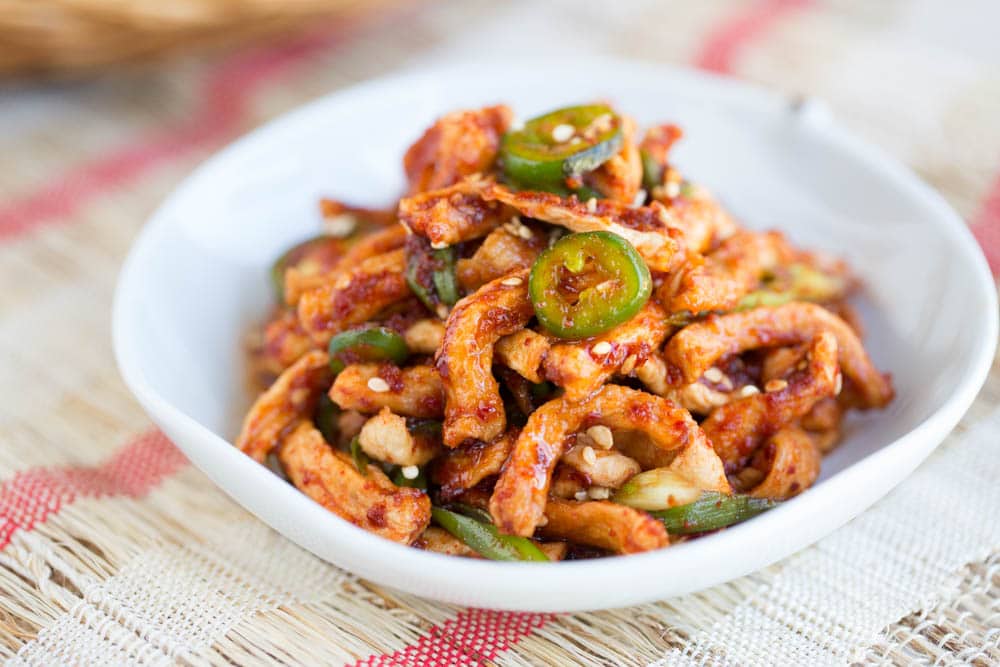
3. Mumallaengi-muchim (무말랭이무침)
For those of you who love pickled side dishes like kimchi, try mumallaengi-muchim. These seasoned dried radish strips are slightly crunchy and taste great with just about any other dish. You can find dried radish strips at any Korean grocery store, and mumallaengi-muchim is served at many Korean restaurants. Maangchi, the queen of cooking, has a video on how to make it if you want to give it a try at home.
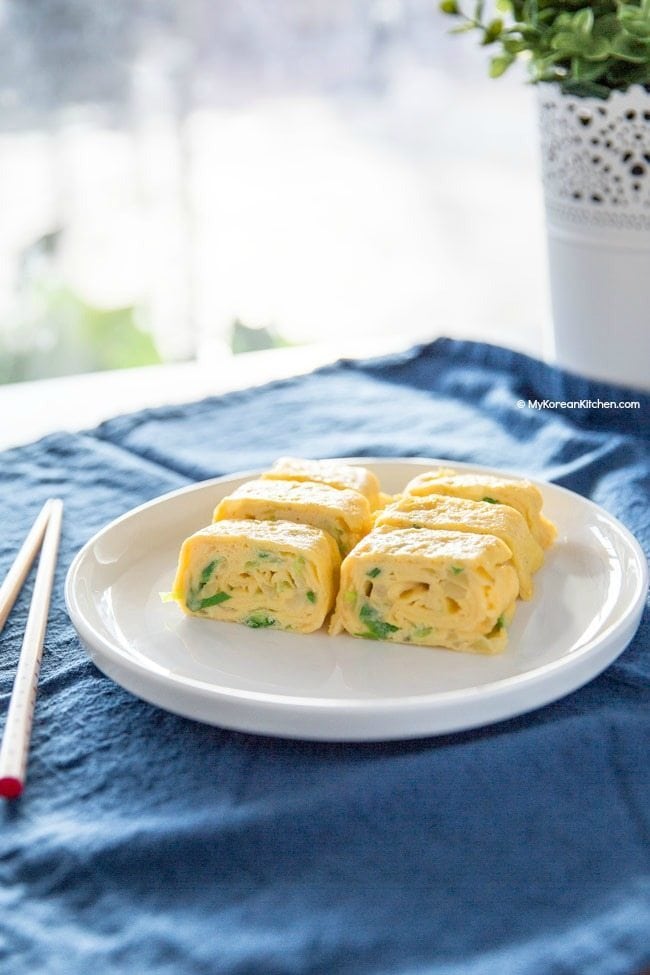
4. Gyeran-mari (계란말이)
Do you want an eggcellent banchan? How about gyeran-mari? This rolled up omelet is perfect for a lunchbox and is also a popular drinking food in Korea. You can put almost anything inside, like green onions and carrots if you want something simple. Gim (김), or seaweed, is another classic ingredient you can add to this side dish. Gyeran-mari is bite sized and packed with flavor. Hyosun from My Korean Kitchen has a recipe that walks you through the rolling technique.
5. Kongnamul-muchim (콩나물무침)
For those vegetable lovers who just cannot get enough, there is kongnamul-muchim, also known as seasoned bean sprouts. This dish is common across Korean restaurants and is also easy to make at home with a few simple steps. The bean sprouts are blanched, then tossed with sesame oil, garlic, green onion, and a pinch of salt. You can make it spicy with gochugaru or keep it mild. It is all up to you and your preferences.
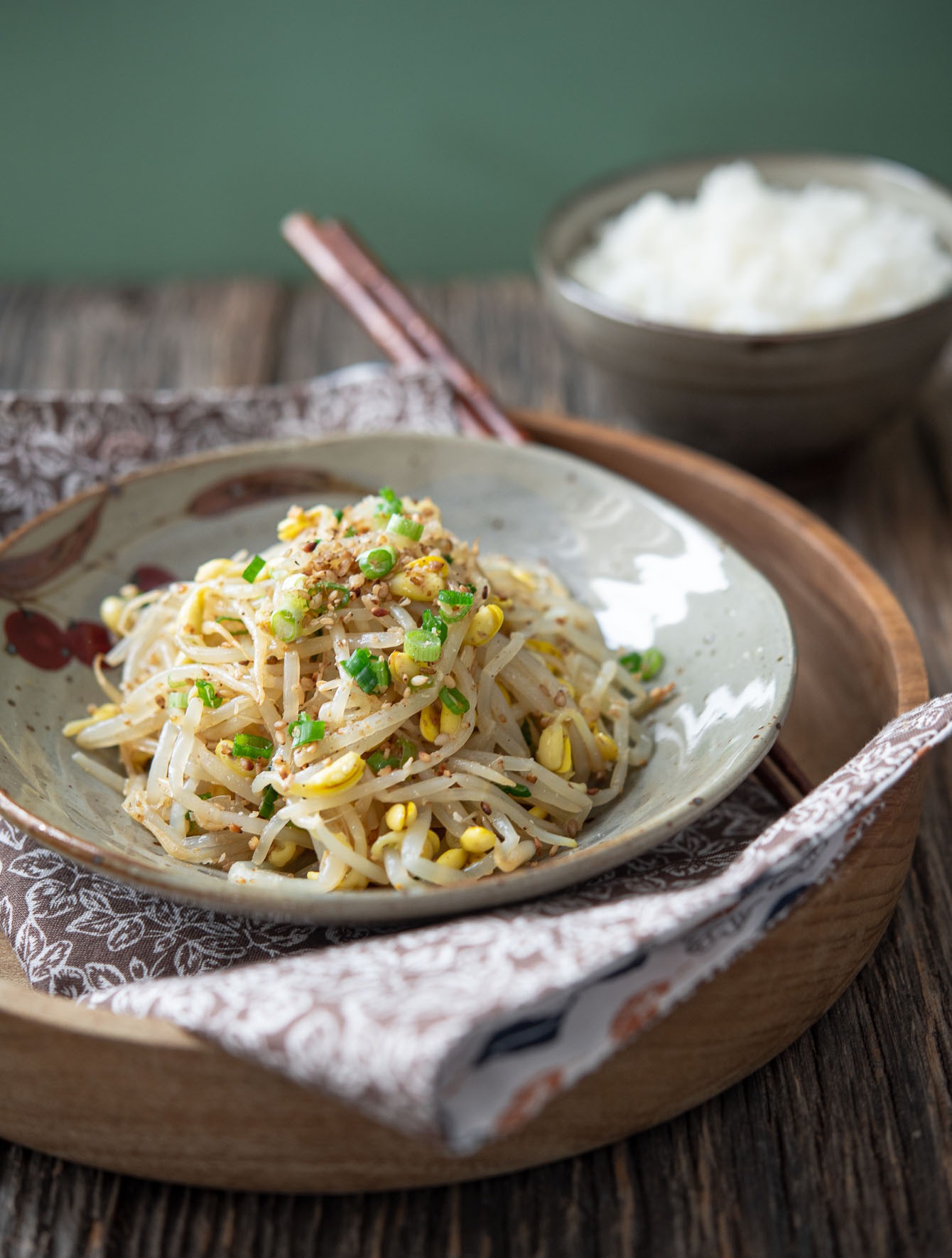
With so many side dishes, the possibilities are endless. Do yourself a favor and try them out. Make them at home, buy them ready made, or order them at a restaurant. Whatever you choose, you will not be disappointed.
Explore Korean Snacks with Daebak
Love Korean food? Get authentic Korean snacks and ramen delivered straight to your door with the SnackFever Box by Daebak.


