


Table of Contents
You will see it as a side dish, in fried rice, or stirred into ramyeon; the possibilities are endless when it comes to kimchi. According to widely cited estimates, the average Korean enjoys roughly 40 pounds of kimchi every year. There is the classic napa cabbage version, but you will also find radish, green onion, mustard leaf, and cucumber kimchi among hundreds of other regional varieties. That is why it is no surprise that South Korea hosts a world-class festival dedicated entirely to celebrating kimchi in all its glory.
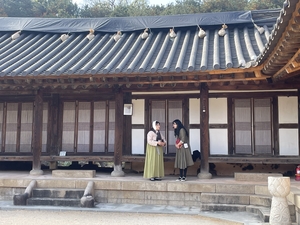
Welcome to Korea's Kimchi Capital
The Gwangju World Kimchi Festival (광주세계김치축제) is held annually in the southwestern city of Gwangju, capital of Korea's Jeollanam-do province, a region widely considered the country's culinary heart. First launched in 1994, the festival was created to highlight kimjang (김장), the communal autumn ritual of making and sharing kimchi. In 2013, UNESCO inscribed kimjang on its list of Intangible Cultural Heritage of Humanity, cementing the festival's role as a guardian of one of Korea's most cherished traditions.
The festival typically takes place over four days in late October or early November at Sangmu Citizens Park, near Gwangju Kimchi Town. Admission is free, and the program is packed with kimchi-making classes, food trucks, cultural performances, and competitions.

Why Jeolla Kimchi Tastes Different
The festival showcases kimchi from every corner of South Korea, from the central provinces to the spicy lower Southeast and even cold-northern Hamgyeong-do style varieties. The flavor of kimchi differs from region to region thanks to local ingredients and traditional techniques. Cooks in coastal Hamgyeong-do, for example, rely on fresh fish and oysters to season their kimchi, while southern Jeolla cooks build a thick seasoning paste from glutinous rice porridge, ground red pepper, and several types of fermented seafood sauce called jeotgal.
Gwangju is famed for kimchi with a bold, savory, deeply aromatic flavor. Jeolla kimchi tends to be saltier and more pungent than Seoul-style versions, with a richness that comes from generous mixes of vegetables, garlic, anchovy or shrimp jeotgal, and wild seasonal greens. You can taste your way through dozens of these regional styles at festival booths and even join a hands-on kimchi-making class.
The Kimchi Master Competition
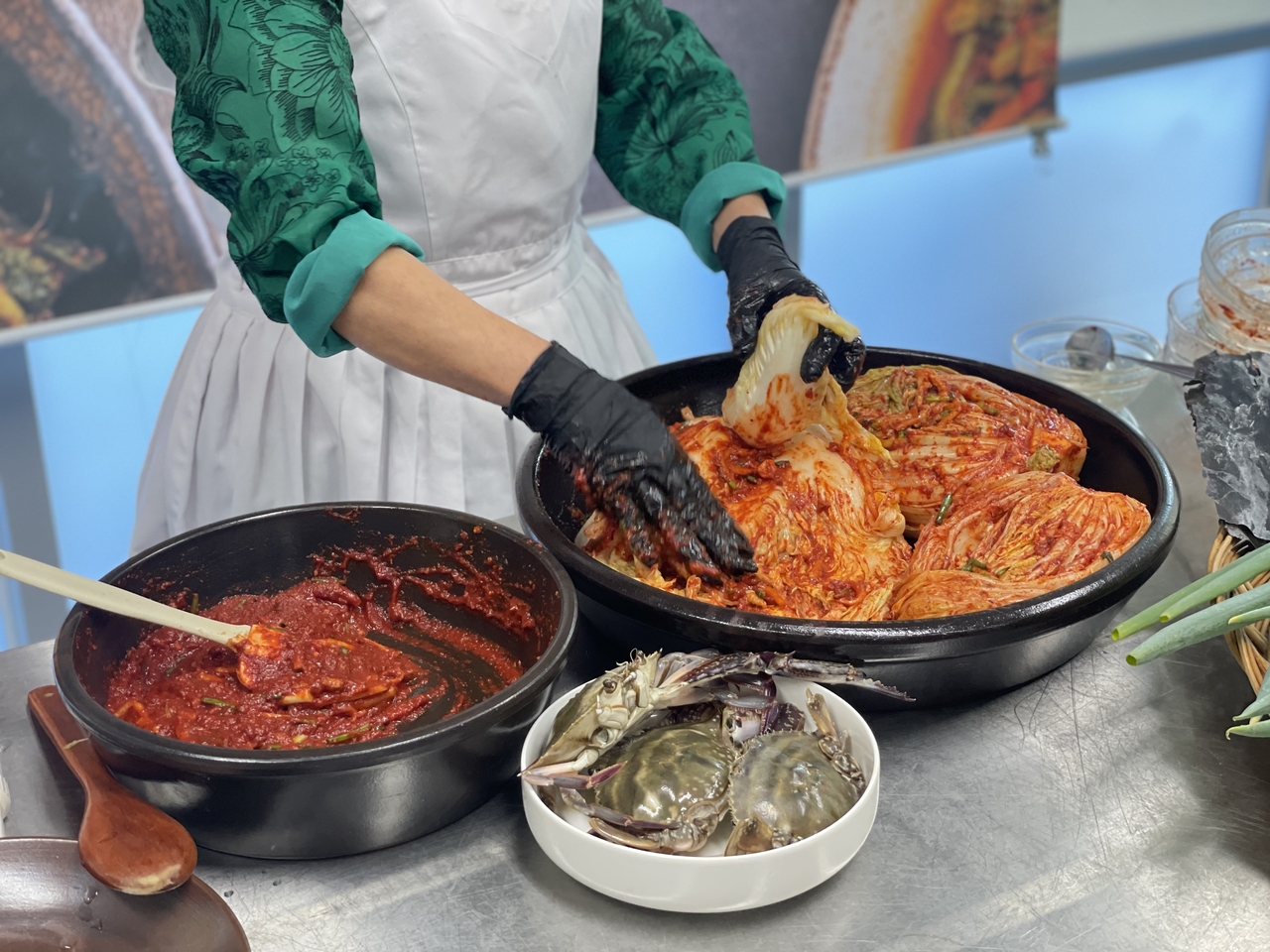
One of the main attractions of the festival is the Kimchi Master Competition, in which cooks from all over Korea come to make kimchi from scratch in hopes of winning the prestigious Presidential Award and the title of Kimchi Master. Past winners have stunned judges with creative takes like blue crab kimchi, banji kimchi (a rare family-style cabbage kimchi from Naju), and richly seasoned mustard-leaf varieties.
Visitors can sample, watch, and even purchase kimchi from these award-winning masters at dedicated stalls. Who does not love a good cooking competition? It is one of the best places in the country to see professional kimchi craftsmanship in action.
More to Explore: Museum, Music, and Mukbang
Not a fan of kimchi? You can still enjoy this festival. Stop by the Kimchi Museum for a quick walk through 1,000 years of fermentation history, dating back to the Goryeo Dynasty when radish kimchi was the dominant variety. The festival also hosts the Global Kimchi Lounge for international visitors, a Kimjang Playground for kids, and live cooking shows headlined by famous Korean chefs and kimchi mukbang stars. Add in trot music performances, food trucks, and traditional drumming, and the Gwangju World Kimchi Festival becomes a place everyone can enjoy.
Festival dates change each year based on the harvest calendar, so check the official website at kimchi.gwangju.go.kr for the latest schedule before planning your trip. Gwangju is about two hours from Seoul by KTX, making it an easy autumn weekend escape.

Which regional kimchi style is your favorite, and would you make the trip to taste Jeolla-do's boldest flavors at the festival? Let us know in the comments. Written by Dianelys Fuentes (updated for 2026).
Explore Korean Snacks with Daebak
Love Korean food? Get authentic Korean snacks and ramen delivered straight to your door with the SnackFever Box by Daebak.


