


Table of Contents
Try saying it out loud. 불고기 (bul-gogi) means "fire meat," the sweet soy-marinated beef that became K-food's calling card overseas. Swap one syllable and you get 물고기 (mul-gogi), literally "water animal," the Korean word for fish. It is a small pun that carries a big argument: after a decade watching K-content and K-food marketing from the industry side, I am convinced Korea's seafood table, not another version of Korean BBQ, is the next export story waiting to happen.
Why "Mulgogi" Deserves a Turn in the Spotlight
Koreans eat roughly 58 kg of seafood per person per year, second only to Japan in global rankings tracked by FAO and Korea's Ministry of Oceans and Fisheries. That number is not a rounding error. It is a national habit, built on three coastlines and a fisheries industry that runs from Jeju's galchi longliners to Sokcho's squid fleets to Tongyeong's oyster rafts. Yet the K-food wave that broke after Squid Game and Parasite got exported through the easiest doors: samgyeopsal, Korean fried chicken, Buldak ramyeon. Fish barely made the boat.
Part of that is logistics. Korean seafood is regional, seasonal, and often best whole, which does not play nicely with Western supermarket cold chains. Part of it is literacy. A shopper who has cheerfully learned the difference between bulgogi and galbi still hesitates at 갈치조림 on a menu. That gap is the opportunity. Below are four dishes and one culture note that anyone serious about Korean food should chase down.
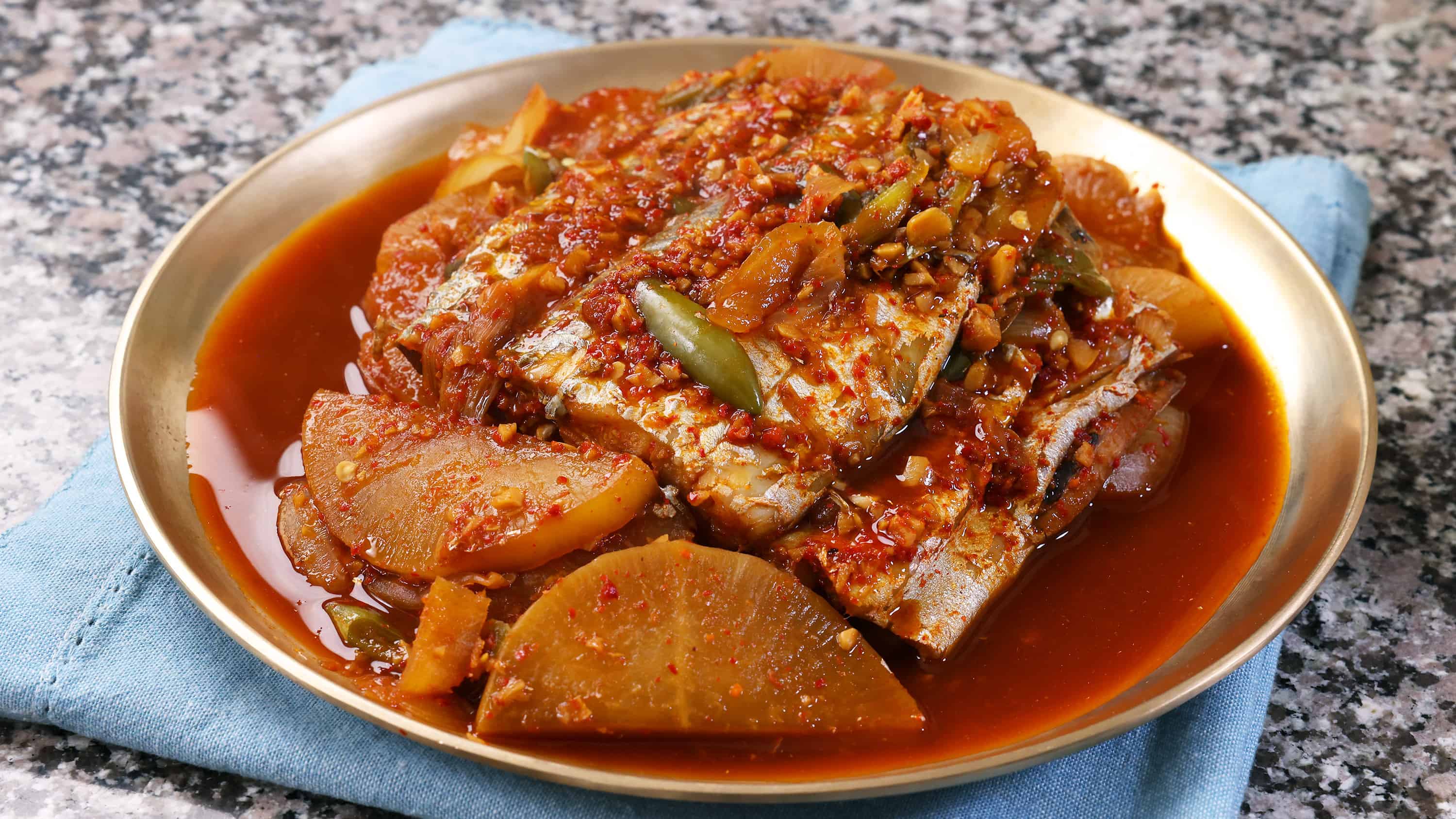
갈치조림 (Galchi-jorim): The Silver Fish Koreans Fight Over
Galchi is beltfish, also called cutlassfish or hairtail in English, a long silvery ribbon of a fish that Korean home cooks treasure and Jeju restaurants build entire menus around. The classic preparation is jorim, a low braise where the fish sits on a bed of Korean radish, gets doused with a soy-and-gochugaru sauce, and simmers until the flesh is butter-tender and the radish has drunk in every drop of oil. The radish is not a garnish. It is the point. When Koreans argue over whose mom makes the best galchi-jorim, they are really arguing over the radish underneath.
What makes it distinctly Korean is the confidence to let one hero ingredient carry the plate. There is no sear, no complicated technique, no dumbing-down for guests. Jeju-caught galchi, straight-line auctioned at dawn, commands a premium the way A5 wagyu does in Japan. If you see 제주 은갈치 on a menu, that is the flex.
고등어구이 (Godeungeo-gui): The Everyman Fish With Deep 정
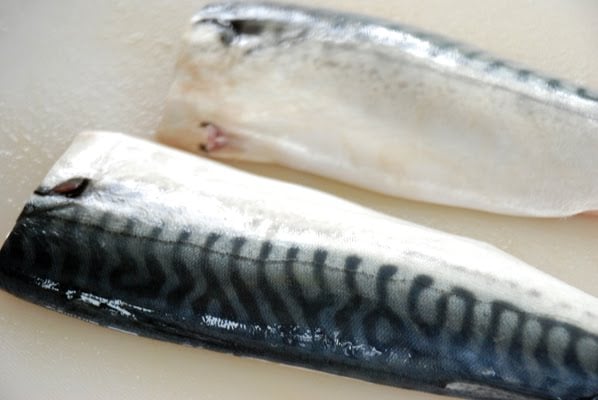
If galchi is the special-occasion fish, 고등어 (godeungeo, mackerel) is the everyman. Cheap, oily, deeply flavored, and forgiving under high heat. The preparation could not be simpler: salt the fillets, rest 20 minutes, then hit the grill or a hot pan skin-side down until the char blisters. Serve with rice, doenjang jjigae, and a small army of banchan. That is the 백반 (baekban) blueprint that fed working-class Korea through the postwar decades and still fills 4,000-won lunch counters in Seoul.
There is a reason a whole generation of Koreans tears up at a certain 1980s ballad about a mother and a godeungeo. This fish sits at the intersection of thrift and 정 (jeong), that untranslatable Korean word for the deep affection built over shared, ordinary meals. K-drama scenes of a family circling a grilled mackerel are not set dressing. They are lived memory.
매운탕 (Maeuntang): The Broth That Converts Fish Skeptics
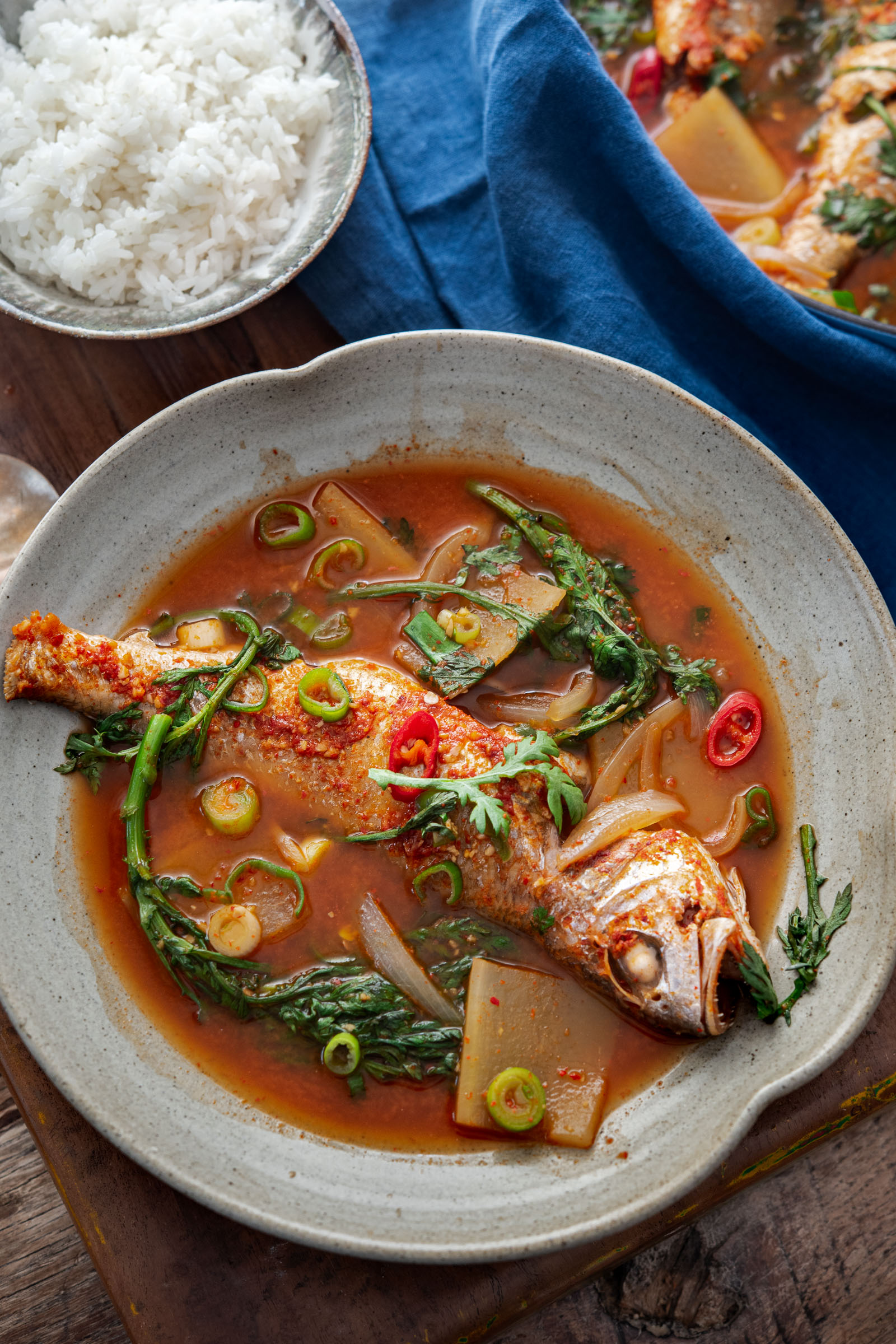
매운탕 (maeuntang) translates flatly as "spicy soup," which undersells what is happening in the pot. The base is a whole fish (croaker, rockfish, red snapper, whatever came in that morning), Korean radish, and a paste of gochujang, gochugaru, doenjang, garlic, and ginger. The bones and head are non-negotiable because they build the collagen-rich broth that separates a great maeuntang from a mediocre one.
What fans love is the contrast: fiery, faintly bitter broth against fish flesh that stays delicate and clean. It is the dish restaurants push on nervous first-timers who claim they "do not like fish," because once the gochugaru layer hits, the conversation changes. Order it with 소주 after a long shift and you understand why 해장 (haejang, hangover-cure) culture in Korea trends toward the sea, not the burger stand.
회 (Hoe): Not Japanese Sashimi's Cousin, Its Own Thing

Every Western food writer who calls 회 "Korean sashimi" gets half the story. Yes, it is raw sliced fish. But the plating, the sauces, and the eating protocol are their own thing. Hoe gets dunked in 초고추장 (chogochujang, sweet-hot chili vinegar) or 쌈장 (ssamjang, fermented soybean paste with aromatics), then wrapped in perilla or lettuce with raw garlic, shredded radish, and toasted seaweed. Where Japanese sashimi asks you to taste the fish, Korean hoe asks you to build a bite.
Right now the seasonal obsession is 대방어 (daebangeo, greater amberjack), which fattens in winter and has become a genuine social-media event. Reservations at well-known Seoul hoe restaurants sell out on weekends, and TikTok fills with "annual daebangeo day" posts from twenty-somethings who wait all year for one meal. This is not restaurant marketing manufacturing a trend. It is a decades-old coastal ritual finally getting its Instagram moment.
부산 vs 서울: The Coastal Divide That Shapes Everything
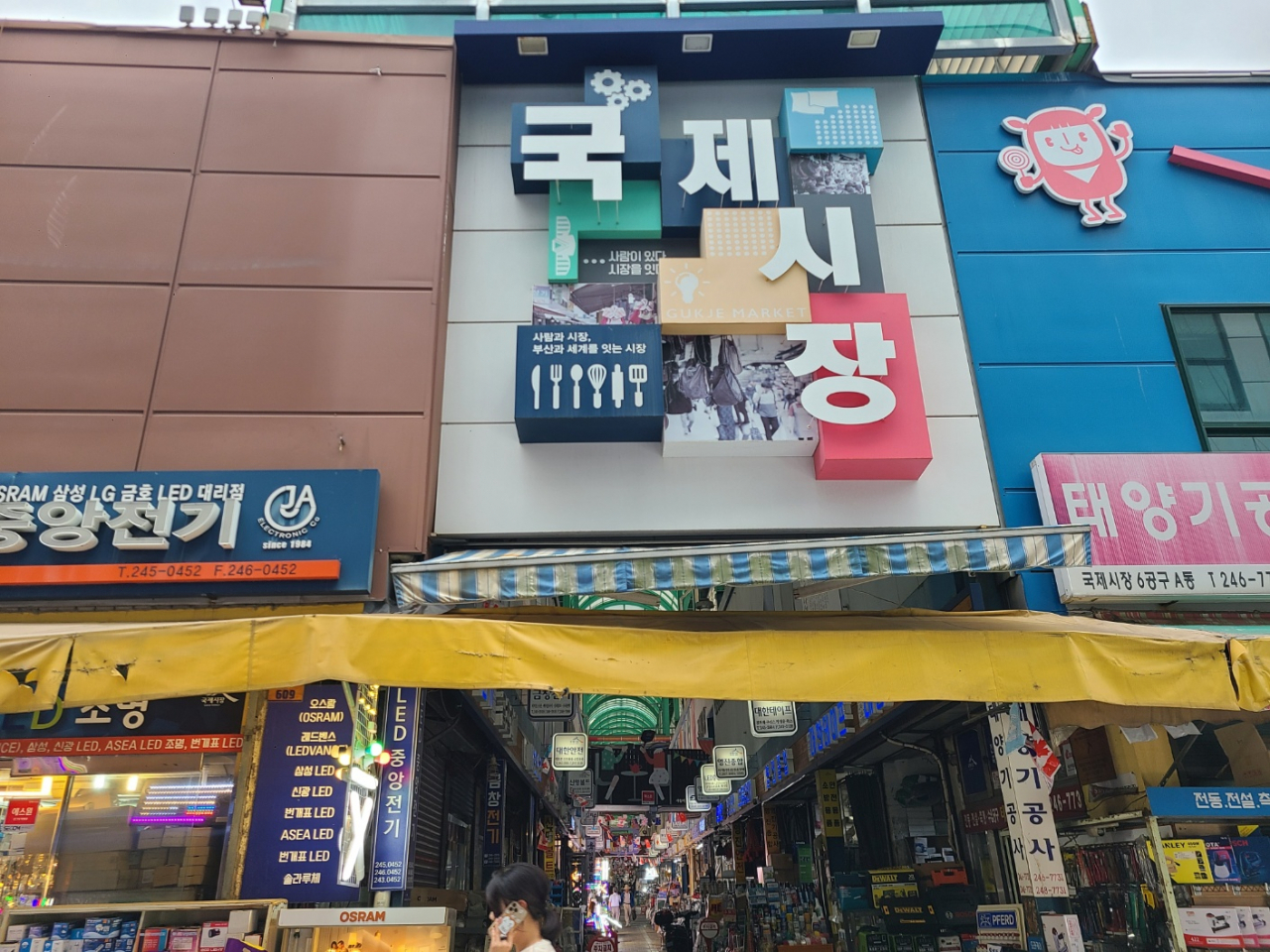
If you want to understand why fish culture reads differently in Busan and Seoul, watch the clocks. Busan's Jagalchi Market runs on a pre-dawn auction rhythm, with buyers on the concrete floor by 4am, wholesale bidding wrapping before 6am, and the retail stalls open in time for tourists who think they arrived early. Seoul's Noryangjin, opened back in 1927 and rebuilt as a modern facility in 2016, runs on a similar auction system but with a different vibe. Choose your fish downstairs, hand it upstairs, and a restaurant slices it into hoe or drops it into maeuntang for a per-person table fee.
Locals know the shorthand: Busan is where fish is culture, Seoul is where fish is convenience. Neither is wrong. Both are worth a trip. But if a food writer tells you they "did Korea's seafood scene" without leaving Seoul, take it with a grain of sea salt.
Why Seafood Is the Next K-Food Export Wave
Here is the industry read. CJ Bibigo built a global mandu business by pre-solving the freezer aisle. Nongshim did the same for instant noodles. Samyang's Buldak line rode TikTok. All of that was pantry-shelf-stable K-food, which is the easy tier for export. Seafood is the hard tier, and the companies that crack it (frozen galchi steaks with a pre-portioned jorim sauce packet, shelf-stable maeuntang base, dosirak-style grilled mackerel meal kits) will own the next chapter.
Watch the moves. Pulmuone has quietly been building out frozen seafood SKUs for the North American market. Regional co-ops in Wando and Tongyeong are chasing Amazon Fresh and Whole Foods listings. K-drama placement of home-cooked fish scenes (Reply 1988, Our Blues, and the recent wave of coastal small-town dramas) is doing the cultural spadework that BTS did for Korean chicken. The pipeline is real. The audience is warming up. All that is missing is the reader ordering their first jar of gochujang-and-radish maeuntang base, deciding they like it, and telling a friend.
So the next time someone raves about bulgogi, nod politely, then ask if they have tried mulgogi. The best half of Korea's dinner table starts there.
Explore Korean Snacks with Daebak
Love Korean food? Get authentic Korean snacks and ramen delivered straight to your door with the SnackFever Box by Daebak.


