


Table of Contents
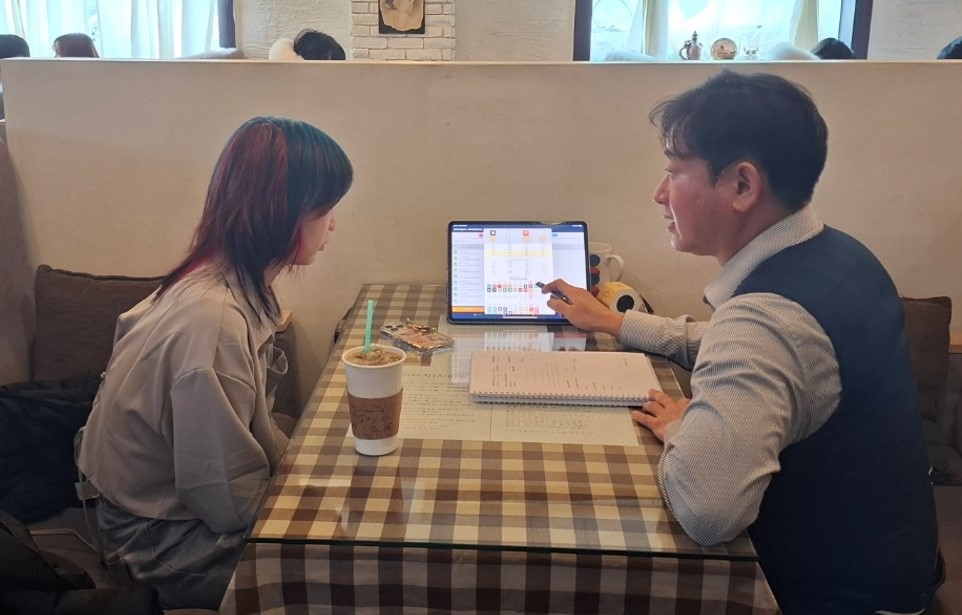
Walk down a side street in Hongdae or Apgujeong on any given evening and you will pass small cafes where strangers hand over their birth year, month, day, and hour, then sit quietly while a reader writes Chinese characters on a sheet of paper. This is saju (사주), Korea's centuries-old form of fortune telling that has quietly become one of Seoul's most fascinating cultural experiences for locals and travelers alike.
What Is Saju? The Four Pillars of Destiny
Saju literally means "four pillars," shorthand for saju palja (사주팔자), or "four pillars and eight characters." Each pillar represents one part of your birth time, namely the year, month, day, and hour, and each is written using two Chinese characters drawn from the heavenly stems and earthly branches. That produces the eight characters that map a person's destiny.
The reading itself works through the interaction of yin and yang and the five elements of wood, fire, earth, metal, and water. A skilled saju master interprets the balance and clashes between those elements to describe your personality, career path, relationships, money luck, and health. Unlike Western horoscopes, saju does not need your place of birth, only the exact time.
A History Rooted in the Joseon Dynasty
The roots of saju reach back to ancient Chinese sexagenary calendar systems that tracked the cycles of yin, yang, and the five elements. The framework was refined in China during the Song dynasty and absorbed into Korea, where it flourished under the Joseon dynasty (1392 to 1897). Joseon court astrologers, known as ilgwan, calculated auspicious dates for royal weddings, coronations, and burials, and they used birth-chart analysis to advise on royal succession and matters of state.
The reference book at the heart of any saju reading is the Manse Ryeok (만세력), a perpetual calendar that converts a solar birth date into the lunar and sexagenary system needed for the chart. Until recently, every saju reader carried a thick paper Manse calendar. Most now use tablet apps that calculate the chart in seconds.

How a Saju Reading Actually Works
When you sit down for a saju session, the reader will ask for your name, your exact date and time of birth, and whether the time uses the solar or lunar calendar. They then plot your eight characters on paper or on a tablet, mark the elements present and missing, and start interpreting. A typical reading at a Hongdae or Apgujeong cafe runs 25 to 30 minutes and costs between 30,000 and 80,000 won. A drink is usually included.
The reader will focus on the topics you ask about, most often career, money, marriage, and health, and will also flag specific years or ages they see as turning points. Saju is academic and analytical rather than spiritual. It is sometimes called Myungrihak, or "the study of destiny." That distinguishes it from shamanic divination, which involves spirit possession.
Saju, Jeomsoolga, Mudang, and Tarot Fusion
Saju is just one branch of Korea's broader fortune-telling family. A jeomsoolga is a general diviner who may combine saju with face reading (gwansang) and palm reading (sujang). A mudang, the gungmu or shaman, performs gut rituals to communicate directly with ancestral spirits and gods, which is a very different practice from reading birth charts.
Younger Koreans have also embraced hybrid cafes that blend saju with Western tarot, MBTI personality analysis, and even AI-powered apps. A wave of Gen MZ shamans on YouTube and TikTok now do live readings for viewers, and shows like the Disney Plus survival series Battle of Fates have pulled shamanism and saju into mainstream entertainment.
Modern Saju Apps and the Insadong Cafe Scene
Saju is no longer the preserve of grandmothers visiting alley fortunetellers. Apps like Jeomsin, Forceteller, and Hellobot offer daily fortunes, compatibility checks, and full Four Pillars readings on a phone, with subscription tiers and AI-generated interpretations. Korea's fortune-telling market was estimated at 1.4 trillion won in 2024 by InnoForest, and the actual figure is believed to be higher because so many readings are paid in cash.
Cafe-style saju exploded after the 2010s. In Hongdae alone you can find dozens of saju cafes within a few blocks. Insadong, the traditional cultural quarter, hosts saju shops alongside antique galleries and tea houses, while Gangnam and Apgujeong cater to a more upscale crowd. In December and January, demand surges as Koreans line up to hear their Sinnyeon Unse (New Year's luck).
K-Drama Scenes That Made Saju Famous
K-dramas have done more than anyone to introduce global audiences to saju. In Goblin (2016), Sunny visits a fortune teller to ask whether her mysterious love interest is truly her destined partner. In Lovers of the Red Sky (2021), set in the Joseon era, palace astrologers cast birth charts that drive the entire plot. My Demon (2023) opens with Do Do-hee consulting saju before her contract marriage, and dramas like The Haunted Palace and the K-pop Demon Hunters film have leaned even harder into the genre.
The effect on tourism has been real. Korea Herald reporting notes that K-pop and K-drama fans now arrive in Seoul specifically wanting to try saju after seeing idols and characters do it on screen. The Seoul Tourism Organization recognized saju cafes as an official tourism product in 2024.

How Koreans Use Saju for Major Life Decisions
For many Korean families, saju is consulted at three classic moments. The first is gunghap (궁합), or marriage compatibility, where parents and couples bring both partners' birth data to a saju reader before agreeing to a wedding. The reader checks how the two charts interact and flags potential clashes.
The second is baby naming. Saju readers calculate which Chinese characters and elemental energies will balance a newborn's chart, then suggest two or three name candidates. The third is timing important launches, such as opening a business, signing a contract, or scheduling surgery, all of which are commonly cross-checked against the auspicious days in the reader's almanac. A market research firm has reported that roughly two-thirds of Koreans visit a fortune teller at least once a year.
Where International Visitors Can Try Saju in Seoul
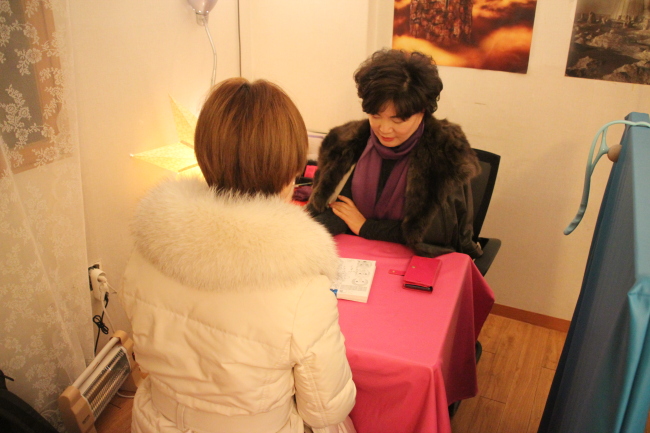
If you are visiting Korea and want to try a saju reading, three neighborhoods stand out. Hongdae, the university and indie-music district, has the largest cluster of beginner-friendly saju cafes with English and Japanese interpretation. Fun Saju Cafe near Hongik University Station exit 9 is one of the most popular, offering saju, face reading, and palm reading alongside coffee, with interpreters available.
Insadong is the place to go for a more traditional atmosphere. Saju shops sit between hanji paper stores and tea houses in alleys north of Insadong-gil, and a few practitioners now cater to foreign visitors. Apgujeong and Gangnam draw a higher-end crowd, with one Gangnam alley alone said to host more than 20 saju parlors. Booking platforms like Creatrip and Korea Travel Easy now offer English-speaking saju appointments aimed at international travelers, making it easier than ever to add a reading to your Seoul itinerary.
Tips Before Your First Saju Reading
A few practical notes. Bring your exact birth time, ideally to the hour, since the hour pillar shapes a major part of the chart. If you were born outside Korea, note whether your birth time uses local time or has been converted, and mention which calendar your country uses. Most saju readers in tourist areas speak some English or work with an interpreter, but it is fine to bring your own translator. Treat the reading as a thoughtful conversation about your life rather than a prediction set in stone, and ask follow-up questions when something resonates or surprises you.
Explore More of Korea with Daebak
Want to bring a little piece of Korea into your life? The Daebak Box is packed with the best Korean snacks, ramen, and cultural goodies delivered monthly to your door.